

English Brown Wood Furniture
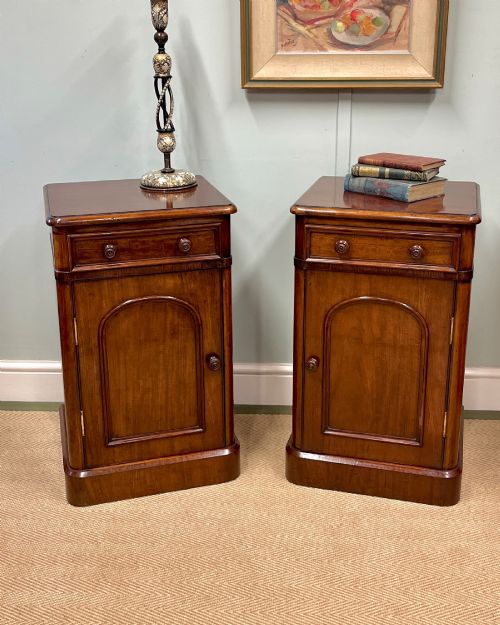
English brown wood furniture brings together centuries of oak, mahogany, and yew in practical forms that ground a room.
English Brown Wood Furniture
English brown wood furniture spans centuries of domestic joinery and cabinet making, covering essential forms like chests of drawers, dining tables, and Windsor chairs. Buyers seeking these items encounter a diverse material palette dominated by oak, mahogany, and yew wood, alongside walnut and elm.
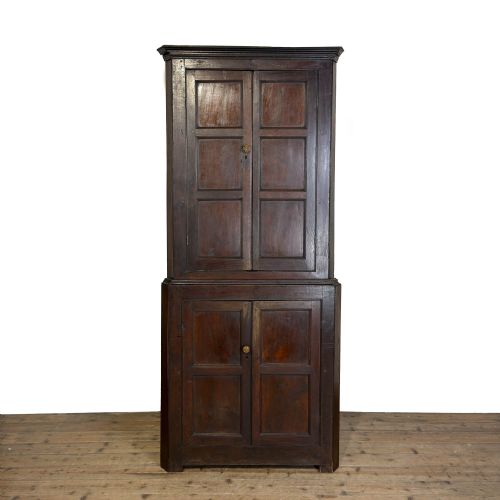
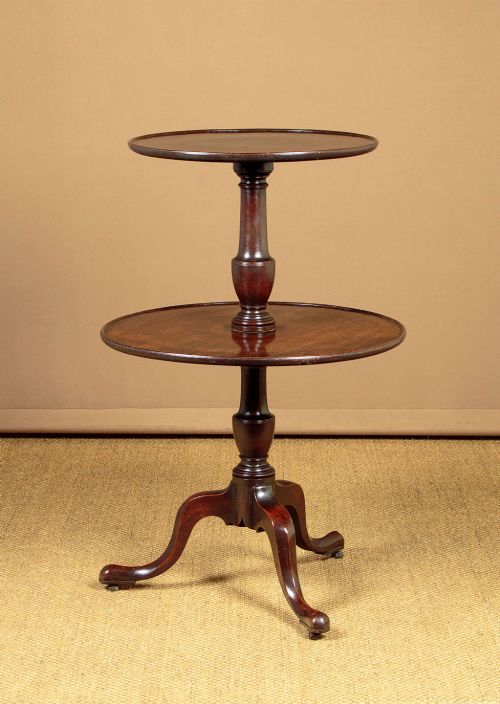
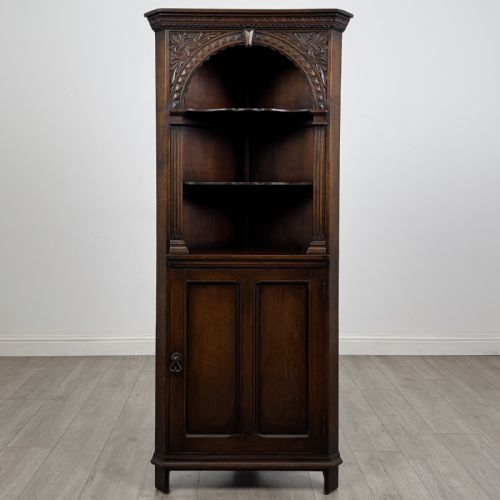
The pieces originating from this tradition range from vernacular country items such as cricket tables and rush-seated armchairs to formal Georgian and Regency pieces. The selection on this page leans heavily toward 19th-century and Georgian items, reflecting the enduring utility of these eras.
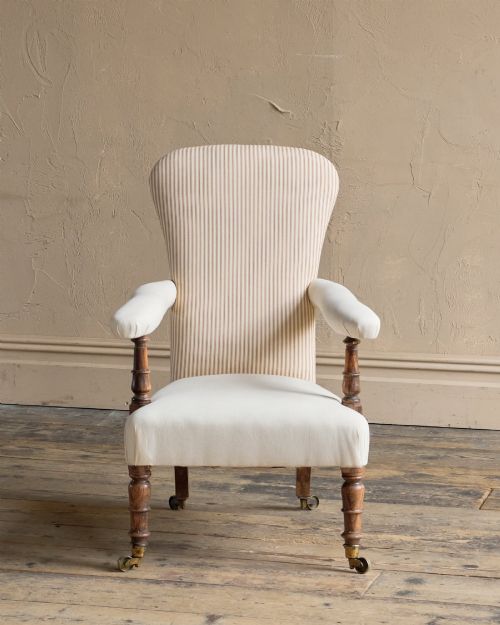
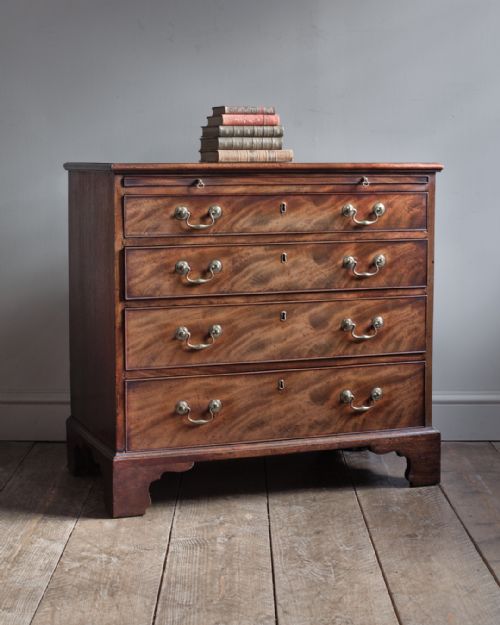
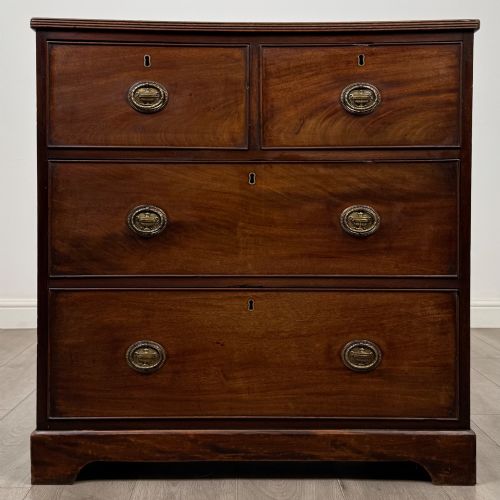
Domestic storage and seating form the core of what is available, with mahogany chests of drawers and yew-and-elm armchairs appearing frequently. These objects were built for daily use in English homes, maintaining their structural integrity through generations.
Materials and construction methods
Cabinet makers utilised native and imported timbers, pairing dense hardwoods like oak and mahogany with resilient local woods such as elm, ash, and yew. Solid construction methods, including dovetail joints on drawers and traditional frame-and-panel assembly, ensure lasting stability.
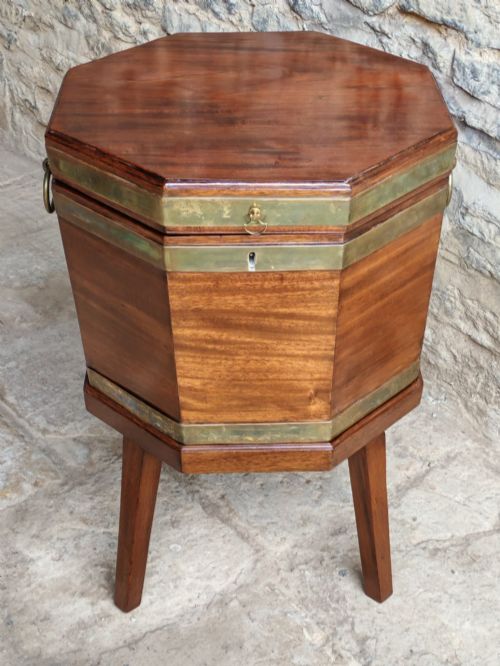
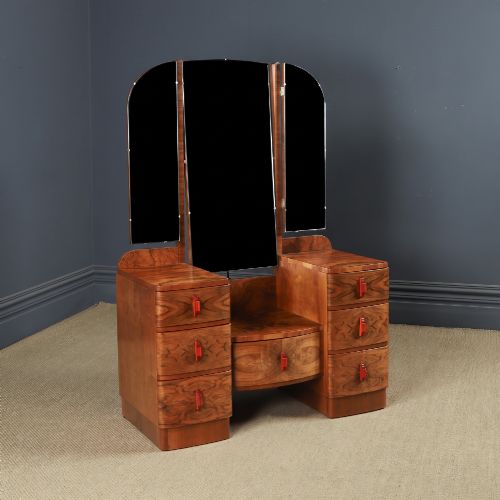
Surface finish depended on the wood used, ranging from the open grain of country oak to the polished figuration of walnut and mahogany veneers. Marquetry inlay and brass fittings frequently complement the primary brown woods, adding decorative contrast without altering the core structure.
English Brown Wood Furniture Retail Price Guide 2026
Typical asking prices for english brown wood furniture among the pieces listed under this phrase on Sellingantiques today, from the lower quarter to the upper quarter. They describe what is for sale here now, not the wider market.
Materials span imported mahogany and satinwood alongside native British oak, elm, yew, ash, and laburnum.
Distinctions in quality and execution
Quality rests in the selection of timber and the precision of the joinery, distinguishing utilitarian workshop output from accomplished cabinet work. Figured grain, such as burr elm or flame mahogany, indicates careful material selection by the maker.
Proportion and restraint in ornament define the finer examples, where brass handles and inlay enhance the design rather than mask structural deficiencies. Patina accumulated through age further separates pieces that retained their original surfaces from those heavily altered.
Gabbitass of Worksop·A. F. Lloyd, Bideford
The English Brown Wood Furniture Glossary
- Mahogany
- A dense, durable imported hardwood with a rich reddish-brown tone, widely utilised in Georgian and Regency cabinet making. It resists warping and takes a fine polished finish.
- Windsor chair
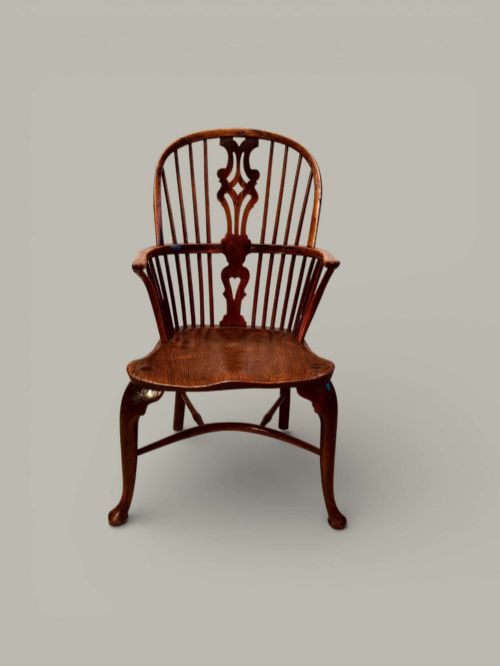
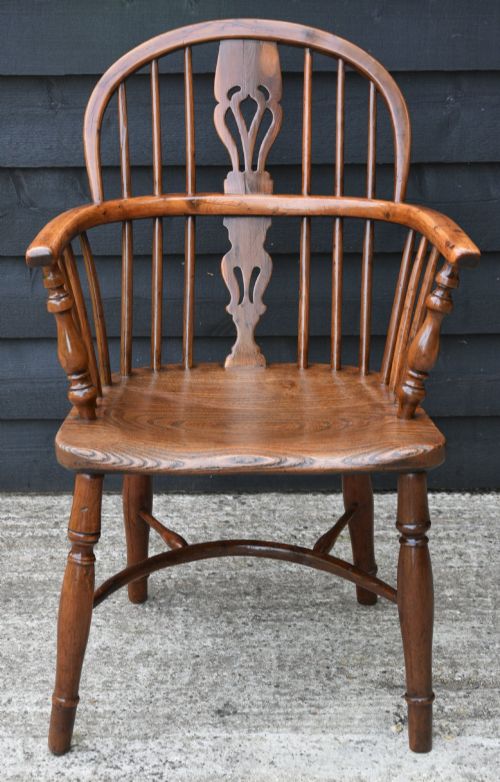
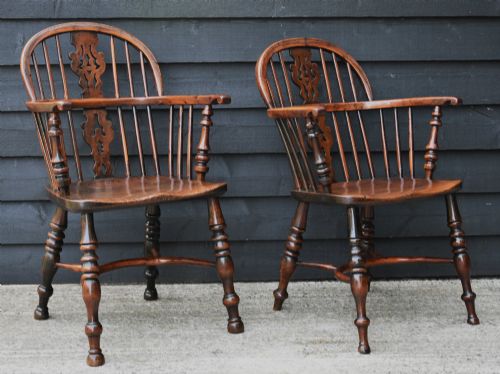
- A traditional English seat construction featuring a solid wooden saddle-shaped seat into which legs and back spindles are wedged directly. They often combine yew for the bending parts with elm for the seat.
- Cricket table
- A small, lightweight occasional table with three legs, typically constructed from oak or elm during the 18th century. The three-legged design provided stability on uneven floors.
- Dovetail joint
- A traditional interlocking woodworking joint used primarily in drawer construction, formed by alternating wedge-shaped pins and tails. Tighter, more numerous pins generally indicate higher skill.
- Patina
- The surface sheen and softened colour developed by wood through age, handling, and light exposure. This layer records the history of use without obscuring the grain.
English Brown Wood Furniture: Frequently Asked Questions
How do I identify a Georgian chest of drawers?
Georgian chests typically display clean proportions in mahogany or oak, featuring hand-cut dovetails on the drawer linings and original brass hardware. The construction prioritises functional storage with understated aesthetic details.
Closer inspection of the drawer sides and backboards reveals vernacular tool marks and timber shrinkage consistent with 18th-century workshop practices.
What is a Windsor chair made from?
These chairs combine multiple woods to utilise the specific strengths of each material, pairing a dense elm seat with bent yew or ash for the hoops and spindles. This mixed construction allowed the chair to flex without snapping under daily use.
The contrasting grain colours between the seat and the upper spindles often create a distinct visual texture unique to country seating.
How do I care for antique brown wood furniture?
Maintain these pieces by keeping them away from direct heat sources and strong sunlight, which dry out the timber and fade the polish. Regular dusting with a dry, soft cloth preserves the existing surface.
Avoid silicone-based sprays, opting instead for occasional applications of traditional beeswax to nourish the grain and protect the patina.
What distinguishes Regency furniture from earlier styles?
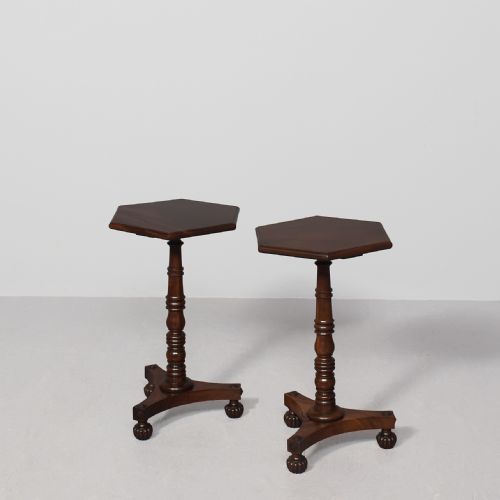
Regency pieces draw inspiration from classical Greek and Roman designs, resulting in cleaner lines and darker mahogany surfaces often accented with brass inlay. The forms feel more architectural compared to the earlier carved ornament of the Georgian period.
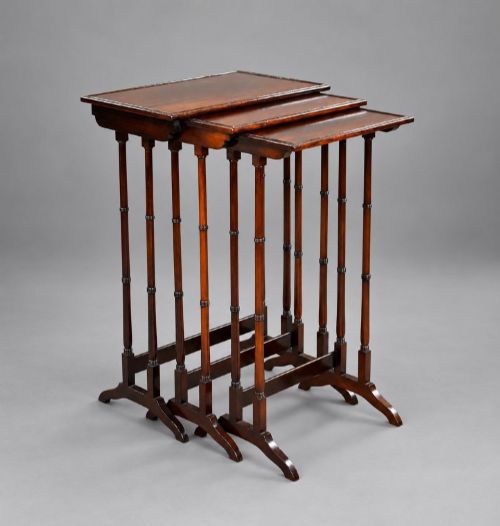
Proportions became lighter, and details such as reeded legs and sabre legs became standard across tables and chairs.