
English Brass Lights
English brass lights bring warmth and domestic history into a room, offering functional illumination through centuries of refined metalwork.
English Brass Lights
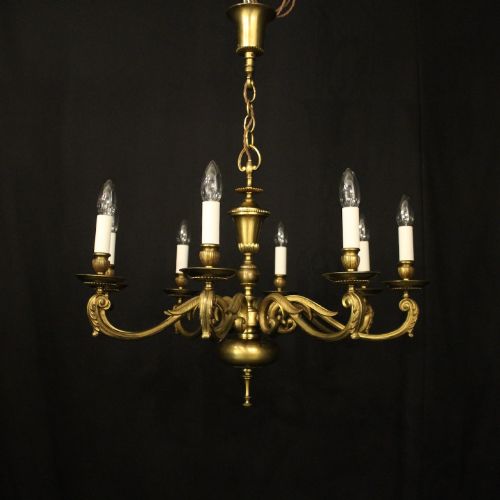
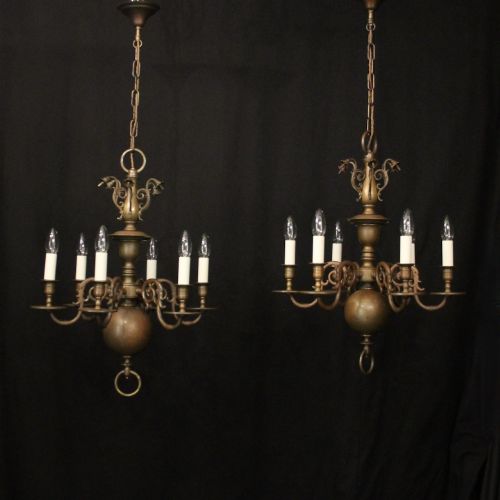
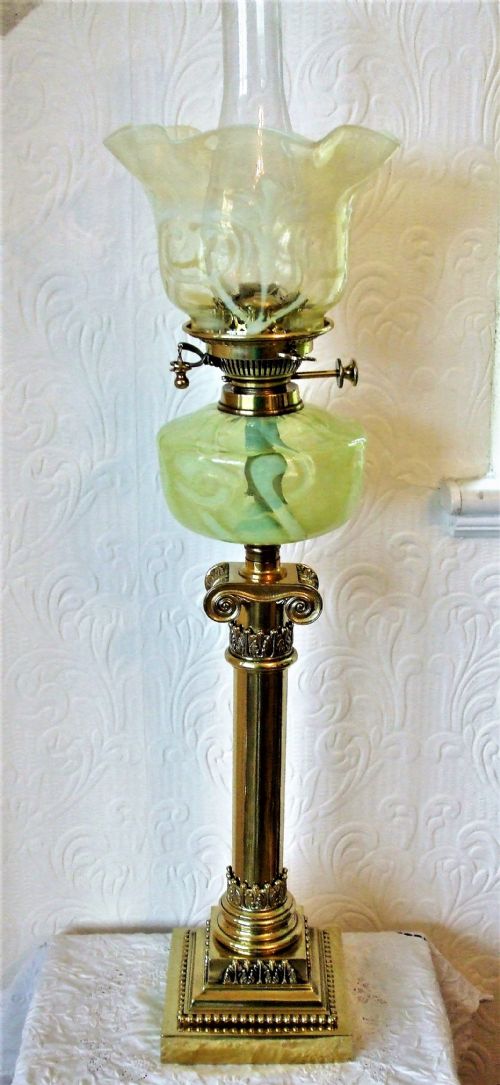
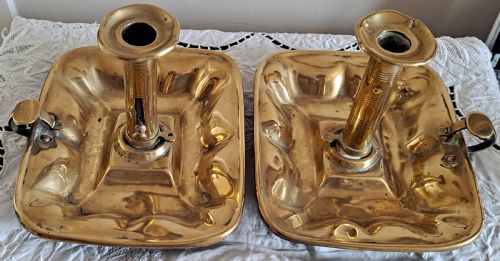
English brass lights encompass a diverse array of domestic illumination spanning the eighteenth century through the mid-twentieth century. When searching for english brass lights, a buyer encounters everything from humble Georgian chambersticks to ornate Victorian oil lamps and multi-tiered bronze chandeliers.
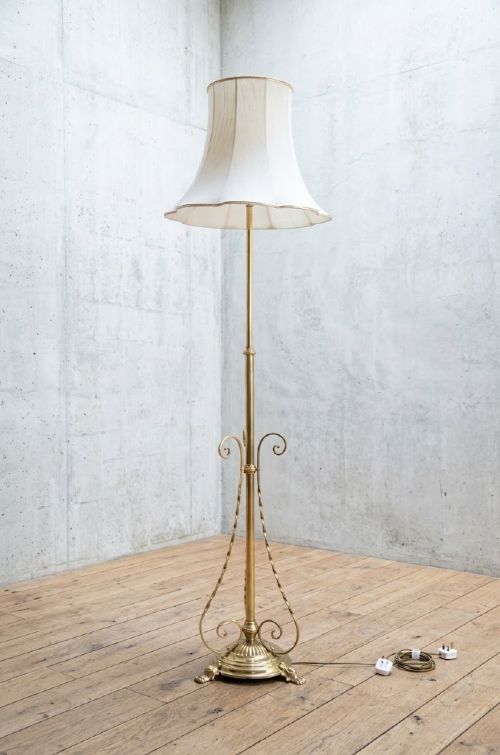
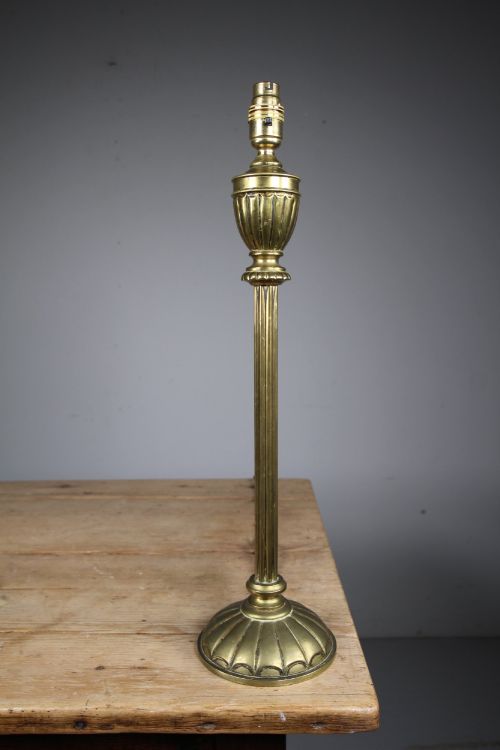
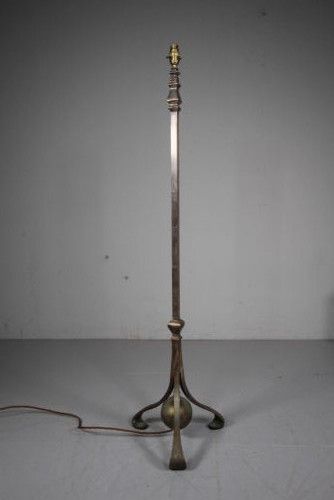
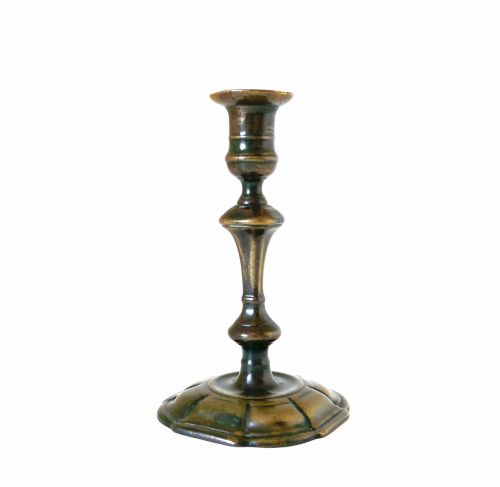
The nineteenth-century pieces dominate the selection, featuring robust engineering alongside decorative forms such as Corinthian columns and articulated candelabra. Alongside these stand Georgian petal-based sticks and early twentieth-century floor lamps, demonstrating the steady evolution of British lighting design.
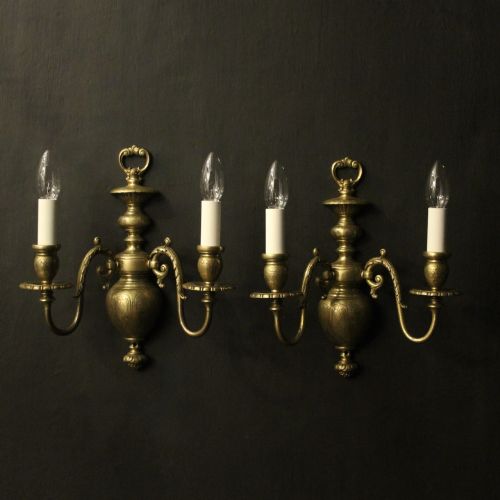
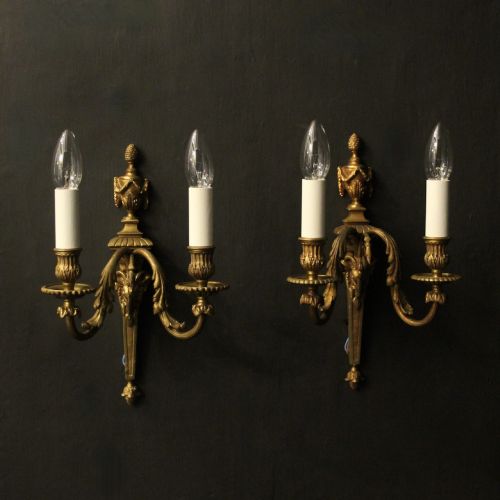
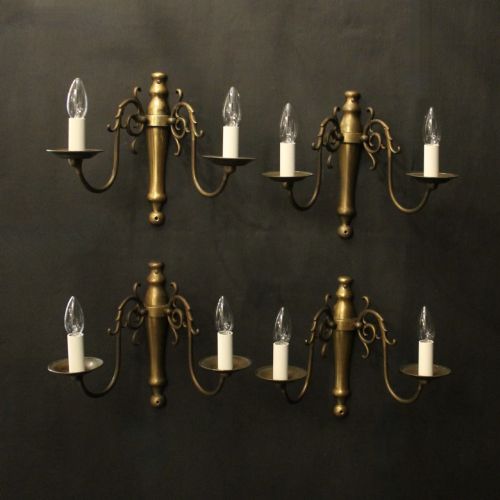
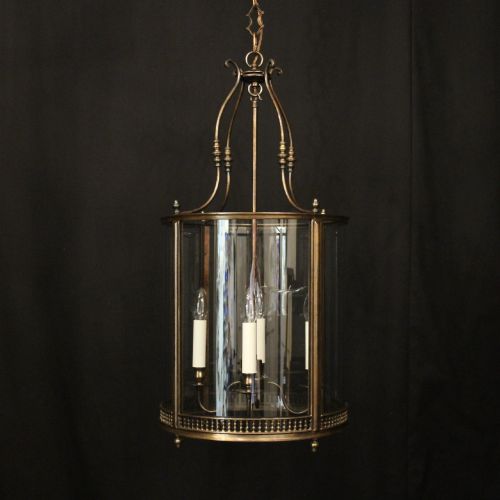
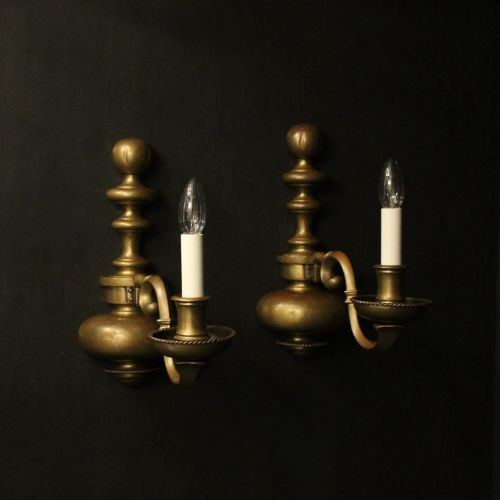
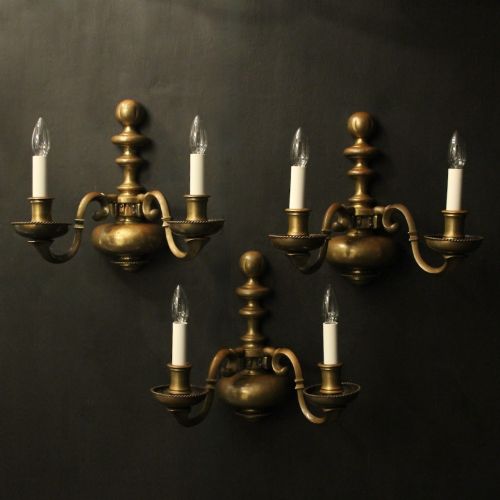
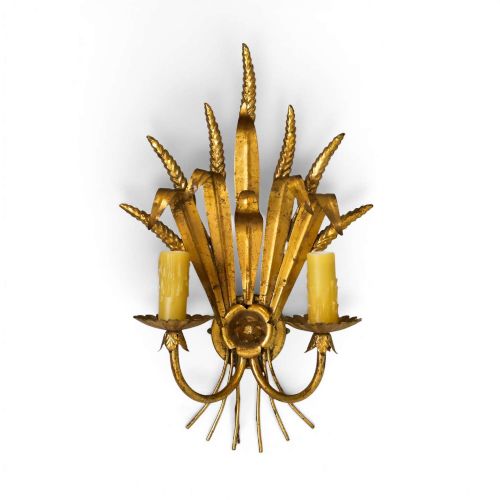
Wall lights and hall lanterns provide architectural accent, while table lamps and standard lamps offer functional height-adjustable versatility. Each object reflects the domestic habits and interior tastes of its respective period, utilising durable metals designed to endure.
Materials and Construction
The primary construction relies heavily on cast and spun brass, often complemented by bronze, gilded brass, and ormolu for richer decorative effect. Early examples frequently employ seamed construction techniques, whereas later nineteenth-century production incorporates sophisticated mechanical elements like telescopic stems and specialised burner mechanisms.
Glass elements frequently accompany the metalwork, ranging from plain chimneys and cranberry shades to moonstone globes and cut glass pendants. Surface finishes vary from patinated historic surfaces to fire-gilded highlights and polished gilt metal, showing how makers manipulated light reflection.
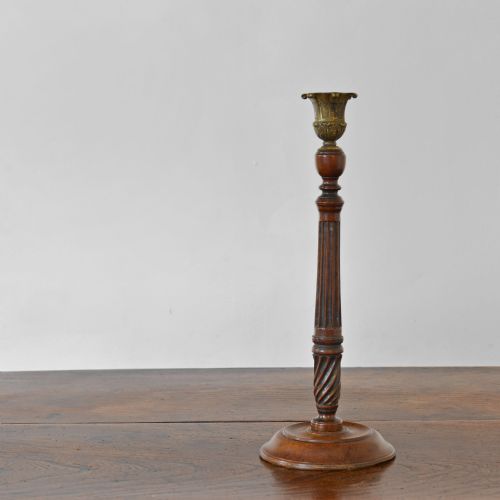
Arts and Crafts floor lamps and Edwardian telescopic standards appear alongside Georgian mahogany-accented candlesticks.
Evaluating Quality and Detail
Quality reveals itself in the crispness of casting detail, the weight of the metal used in the stem and base, and the integrity of any mechanical adjustments. Superior examples display careful chasing on bronze components, secure joints on multi-light chandeliers, and harmonious proportions between base and shade.
The presence of specialised patented mechanisms, such as telescopic columns or dedicated maker components on oil lamps, elevates a piece beyond standard production. Conversely, later alterations or mismatched components diminish the historical coherence of the object.
Hinks·Taylor Tunnicliff·Harrison Patent·J.T. & Co
The English Brass Lights Glossary
- Chamberstick
- A low candlestick fitted with a saucer-like base and a finger loop, designed for carrying safely through a house at night.
- Ejector candlestick
- A domestic candlestick containing an internal mechanism to push out the remaining stub of a candle.
- Girandole
- An ornamental bracket wall mirror with candle sconces attached, designed to multiply the light in a room through reflection.
- Ormolu
- Gilt bronze, created by applying a finely ground high-carat gold-mercury amalgam to a cast bronze object.
- Sconce
- A wall-mounted lighting fixture designed to hold candles or electric bulbs, often backed by a decorative plate.
English Brass Lights: Frequently Asked Questions
How do I date an old brass candlestick?
Dating relies on manufacturing techniques such as seamed construction, base weight, and stylistic indicators like Georgian petal bases versus Victorian ornamentation.
Examination of the metal patina and any maker stamps or patent marks further clarifies the production era.
Are antique oil lamps difficult to convert?
Many antique oil lamps arrive with historic conversions or retain their original burner assemblies without internal alterations.
Consulting a professional electrician ensures safe rewiring while preserving the external aesthetic of the brass and glass components.
What is the difference between brass and bronze?
Brass is an alloy primarily composed of copper and zinc, yielding a bright golden tone that polishes easily.
Bronze is an alloy of copper and tin, producing a darker, warmer metallic composition often chosen for detailed cast figures and wall lights.
How should I clean antique brass lights?
Routine maintenance requires only a soft, dry cloth to remove dust and prevent accumulation in recessed cast details.
Harsh chemical polishes should be avoided to protect the historic patination accumulated over centuries of use.