




English Brass Decor
English brass decor brings warmth and utility into rooms through cast candlesticks, hearth furnishings, and desk accessories spanning several centuries.
English Brass Decor
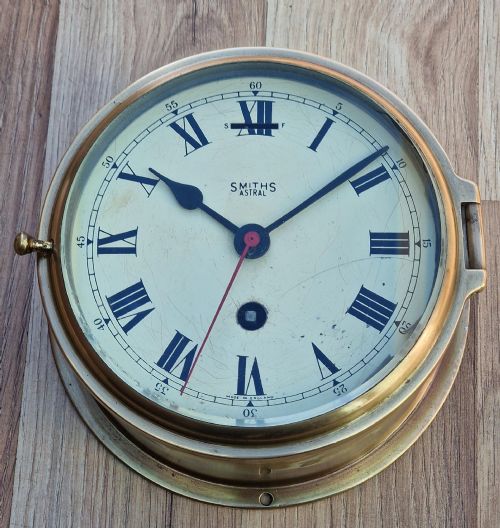
When you search for english brass decor, you encounter functional objects that served everyday British domestic life from the Georgian period through the mid-twentieth century. The selection leans heavily toward cast candlesticks, fireplace companions, and maritime timepieces rather than purely decorative ornaments.
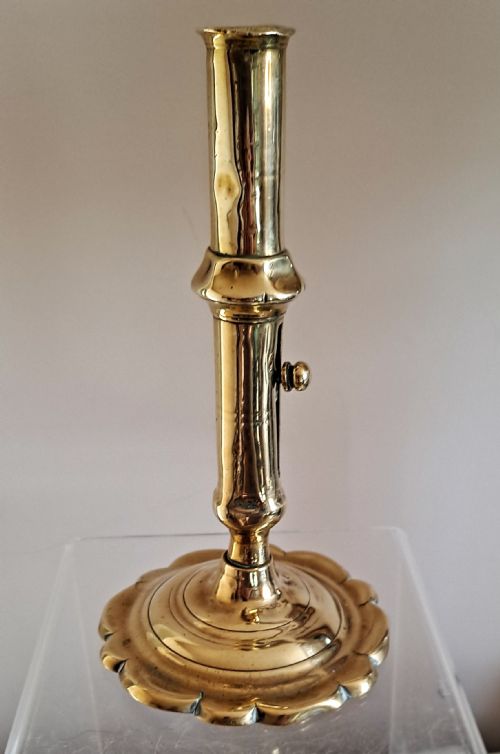
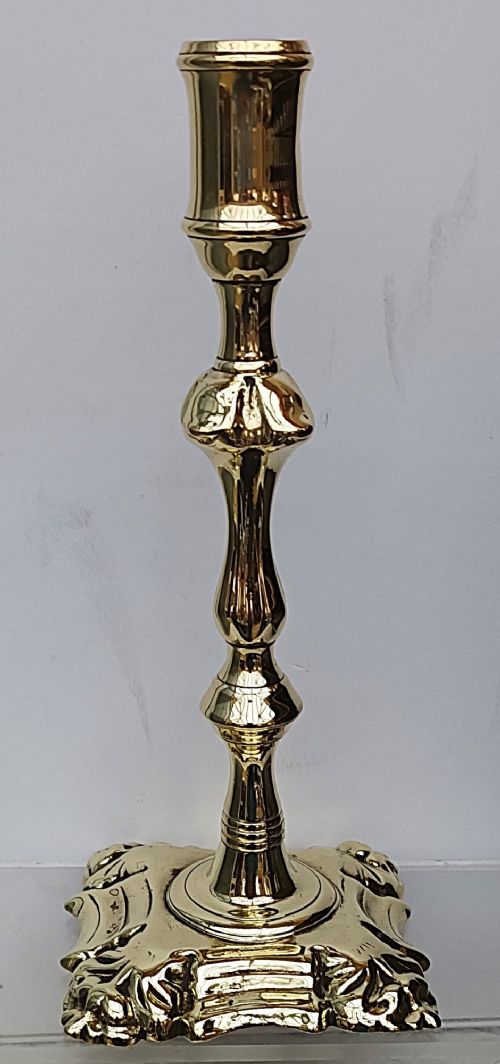
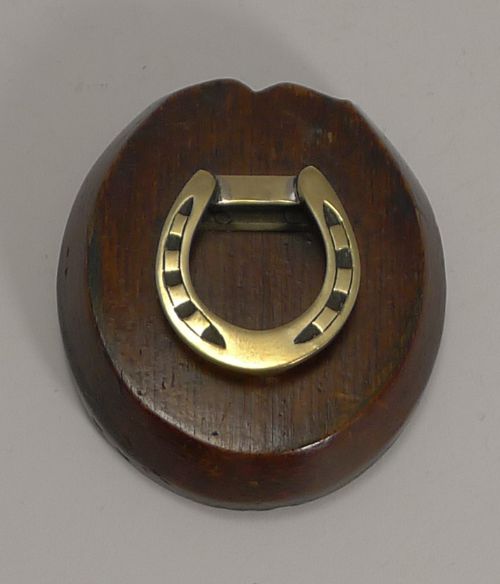
Georgian and Victorian examples dominate the offerings, showing how metalwork shifted from heavy sand-cast forms to more refined domestic accessories. You find items ranging from tall petal-based candlesticks to oak and brass equestrian paper clips.
Domestic hardware includes utilitarian items like watering cans, bed warming pans, and coaching horns alongside pub games such as shove ha'penny boards. These pieces reflect both the formal rooms of country houses and the functional spaces of traditional British pubs.
Materials and construction
Makers utilised cast brass as the primary metal, frequently combining it with copper, oak, mahogany, and glass to create functional household objects. Paktong, an early nickel alloy, appears in select candlesticks, offering a brighter silvery finish compared to standard yellow brass.
Joinery and metal shaping involved traditional techniques such as sand casting, hand engraving, and turning on a lathe for candlesticks and clock bezels. Wood elements like oak and mahogany were turned and polished to anchor the metal mounts on items like barographs and book slides.
English Brass Decor Retail Price Guide 2026
Typical asking prices for english brass decor among the pieces listed under this phrase on Sellingantiques today, from the lower quarter to the upper quarter. They describe what is for sale here now, not the wider market.
Listings feature brass items paired with oak, mahogany, glass, and paper across Victorian and Georgian domestic forms.
Judging quality
Quality rests in the crispness of the casting detail and the weight of the metal used in each piece. Superior examples retain sharp chasing on decorative surfaces and solid proportions without excessive wear to the brass.
The integration of secondary materials defines the better items, such as well-fitted timber bases on desk clips and intact paper gores on globes. Pieces bearing maker marks or specific foundry stamps carry distinct attribution value.
J.T. & Co·Short and Mason·Crunchley·Bianchi Ipswich·Dollond
The English Brass Decor Glossary
- Brass
- An alloy of copper and zinc used extensively for domestic metalwork, valued for its durability and golden lustre. It takes a high polish and develops a dark patina with age.
- Paktong
- A copper-nickel-zinc alloy originating from China that mimics silver, utilised for high-status eighteenth-century candlesticks. This material provides a distinct pale metallic tone.
- Andirons
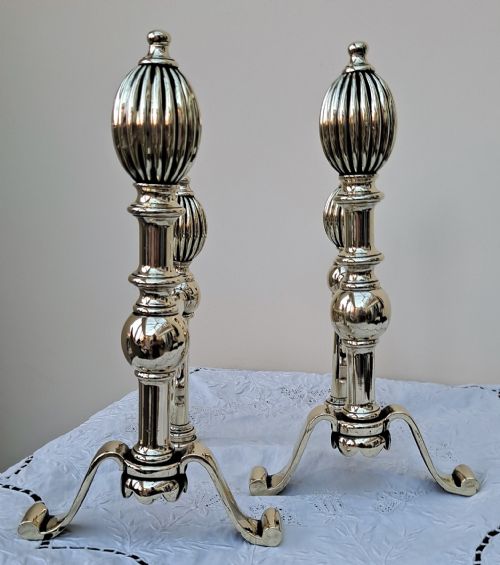
- Metal supports used in open hearths to hold logs above the hearth floor, often made in matching pairs with decorative brass fronts. They represent a major category of fireplace furnishings.
- Barograph
- A recording barometer that plots atmospheric pressure over time on a paper chart, typically housed in a mahogany or oak case with glass panels. These scientific instruments often incorporate brass levers and drums.
- Petal base
- A distinctive eighteenth-century candlestick foot shape resembling overlapping flower petals. This form provides a stable foundation while maintaining a decorative silhouette.
English Brass Decor: Frequently Asked Questions
How do I clean antique brass?
Most collectors prefer to leave an established patina on older brass items rather than polishing them to a bright shine. Gentle dusting with a dry cloth keeps the surface clean without removing centuries of oxidation.
Harsh chemical dips strip away the natural dark highlights that develop in recessed areas. If cleaning is necessary, mild soap and warm water applied with a soft brush remove surface grime safely.
Are eighteenth-century candlesticks heavy?
Genuine Georgian candlesticks feel remarkably solid and weighty due to the thick sand-casting methods employed at the time. Lighter pieces often indicate later reproduction work or hollow construction.
The base construction also aids identification, as early examples frequently feature weighted iron cores or distinct casting seams beneath the petal or square foot.
What is a chimney ornament?
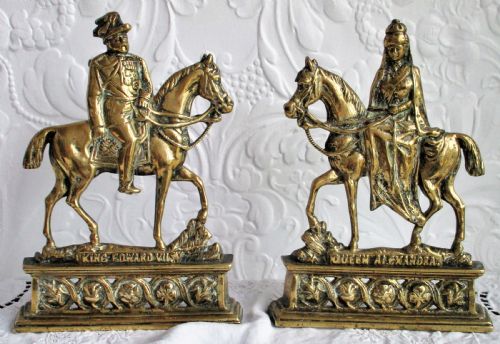
Chimney ornaments were decorative figures or pairs placed on the mantelpiece above the fireplace during the Victorian era. They often commemorated royal figures, historical events, or popular literary characters.
These brass or ceramic pieces brought colour and narrative interest into the formal parlour. Collectors prize matching pairs that retain their original polished finish.
How do I date a brass warming pan?
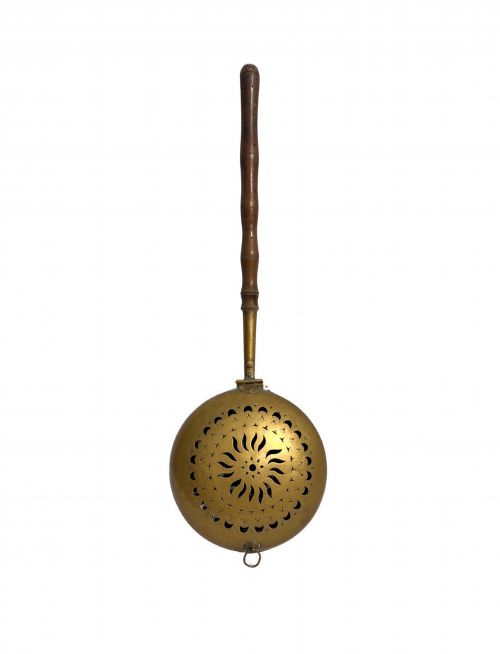
Bed warming pans from the eighteenth and nineteenth centuries feature hinged brass lids engraved with floral or geometric motifs. The length of the wooden handle often indicates the period, with earlier ash or oak shafts showing hand-turned profiles.
Examining the attachment rivets and the wear on the underside reveals whether the pan saw active use near coal fires. Plain lids generally point to utility, while pierced designs allowed heat to escape more evenly beneath bedcovers.