



English Brass Ceiling Light
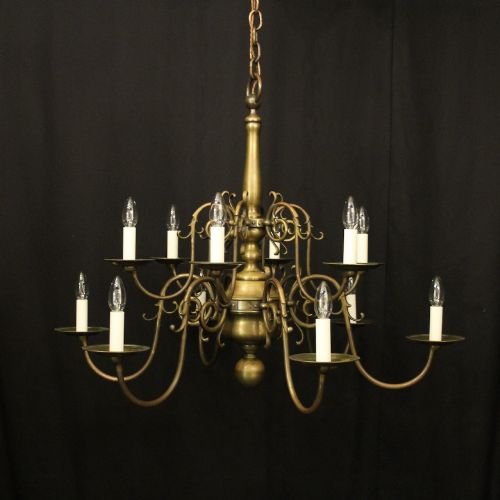
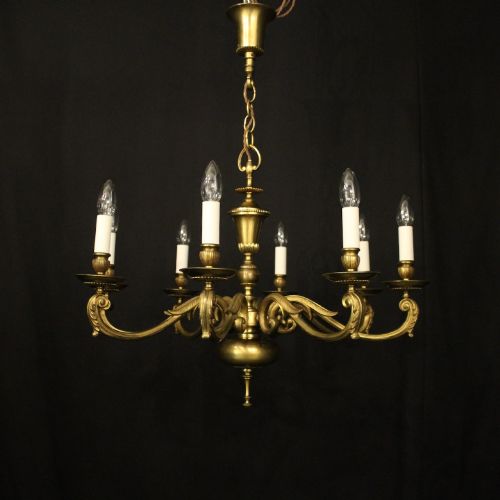
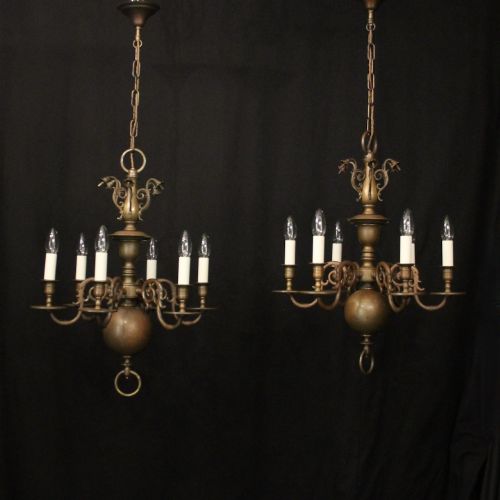
An English brass ceiling light brings structural warmth and practical illumination to a hallway or reception room through substantial metalwork and glass.
English Brass Ceiling Light
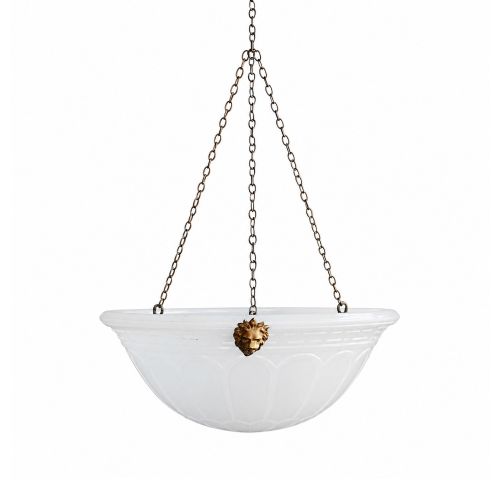
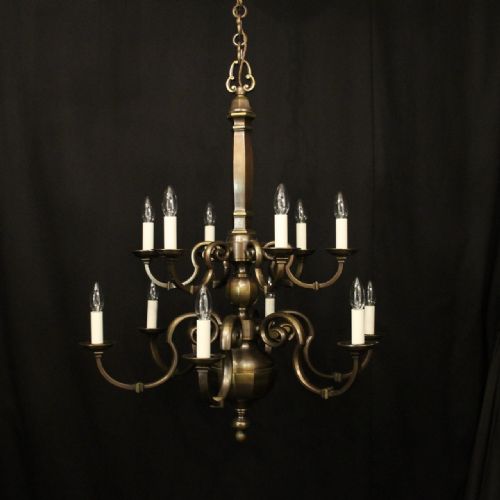
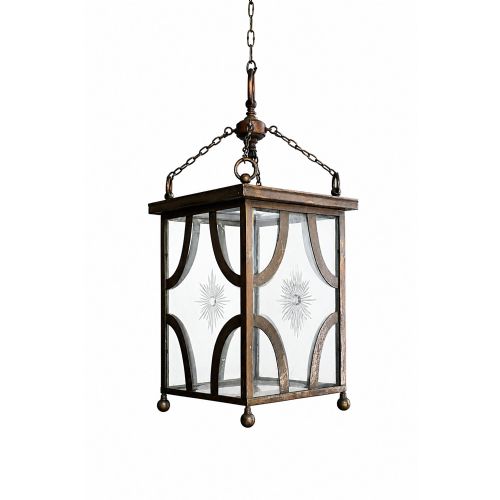
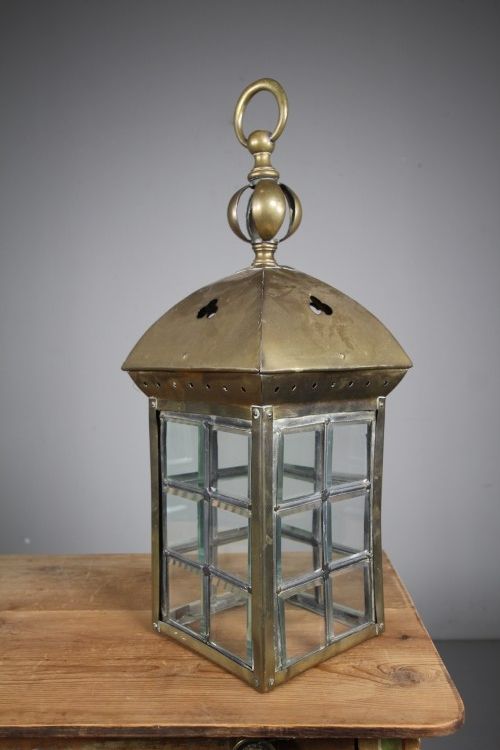
The objects take various structural forms, from convex hall lanterns and basket chandeliers to expansive ballroom crystal chandeliers and individual glass pendant shades. Materials extend beyond brass to incorporate bronze, gilded bronze, silver plate, cut glass, crystal, opal glass, and white alabaster.
Design influences across these pieces draw on English Neoclassical, Regency, Rococo Revival, Flemish Renaissance, and Gothic styles in the manner of Pugin, alongside the Aesthetic Movement. Buyers will encounter both diminutive shades and large multi-armed fixtures originating between eighteen-fifty and nineteen-thirty.
Materials and Technique
The metalwork relies on cast and worked brass, bronze, and gilded bronze, which provide both structural rigidity and decorative surfaces for the frames of lanterns and chandeliers. Silver plating also appears on specific Edwardian multi-arm fixtures.
Glass elements are integrated extensively through cut glass, crystal, opal glass, and moonstone shades, requiring skilled blowing, moulding, and facet-cutting techniques. Alabaster is utilised for carved dish ceiling lights, offering a dense, translucent alternative to glass.
English Brass Ceiling Light Retail Price Guide 2026
Typical asking prices for english brass ceiling light among the pieces listed under this phrase on Sellingantiques today, from the lower quarter to the upper quarter. They describe what is for sale here now, not the wider market.
Several nineteen-twenties fixtures utilise glass so milky it resembles captured moonlight.
Standards of Execution
Quality rests in the crispness of the metal casting and the depth of the chasing on bronze and brass components, where finer pieces display sharp relief and deliberate proportion. The application of gilding or silver plating demonstrates the initial tier of manufacture.
In glass and crystal elements, clarity, weight, and precision of cutting dictate the standard, particularly in multi-drop chandeliers and faceted shades. Structural integrity across arms, suspension points, and framing marks the distinction between standard domestic utility and high-status commission work.
The English Brass Ceiling Light Glossary
- Hall lantern
- An enclosed hanging light designed specifically for entryways and corridors, typically featuring glazed panels set within a metal frame. These fixtures protect the candle or bulb from draughts in narrow spaces.
- Basket chandelier
- A hanging light fixture where the lower portion of crystals or glass drops forms an open bowl or basket shape. This configuration concentrates and reflects light downwards.
- Gilded bronze
- Bronze metal coated with a thin layer of gold or gold-coloured alloy to impart a rich, reflective surface. It provides the durability of bronze with the lustre of precious metal.
- Moonstone glass
- A type of semi-translucent art glass with a milky, iridescent appearance that diffuses light softly. It gained popularity during the early twentieth century for pendant fixtures.
- Aesthetic Movement style
- A nineteenth-century design approach that emphasised visual beauty over narrative meaning, often incorporating simplified forms and refined surface patterns. Pieces in this style reject heavy Victorian ornamentation in favour of artistic cohesion.
English Brass Ceiling Light: Frequently Asked Questions
How do I hang a heavy antique lantern?
Heavy lanterns and multi-arm chandeliers require direct fixing to a ceiling joist or the installation of a structural pattress box capable of supporting the combined weight of metal and glass.
Professional installation by an electrician ensures the internal wiring meets current safety standards while securing the hanging chain safely.
Where should I place a hall lantern?
Hall lanterns suit entrance lobbies, stairwells, and wide corridors where their enclosed frames direct illumination downward and withstand passing movement.
Ensure adequate ceiling height is available so the fixture hangs clear of doors opening into the space.
How do I clean antique brass and glass?
Dust brass and bronze components gently with a dry, soft cloth to preserve the aged patina without stripping surface finishes.
Glass shades and crystal drops can be removed and washed in warm, soapy water, then dried thoroughly before reattachment.