


English Wardrobe
When choosing an english antique wardrobe, you select a substantial piece of storage furniture designed to organise garments and household textiles across centuries of domestic life.
English Wardrobe
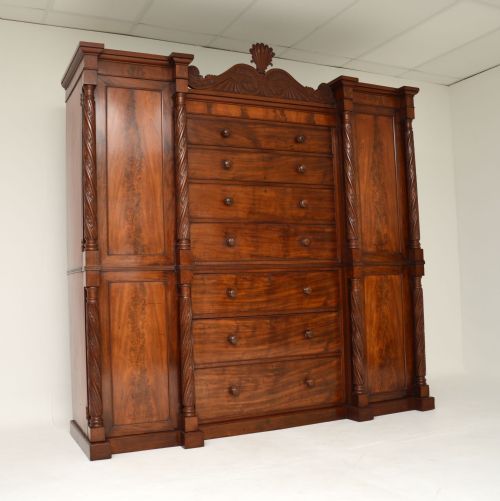
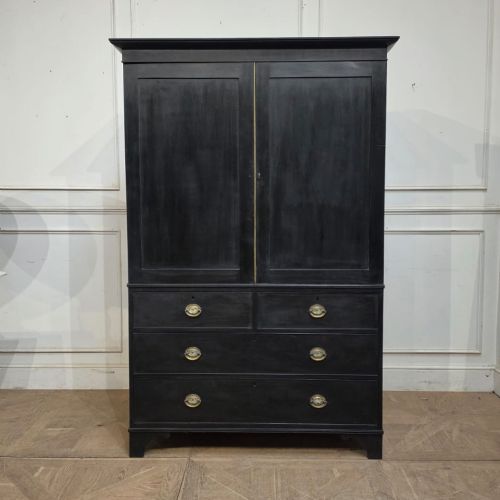
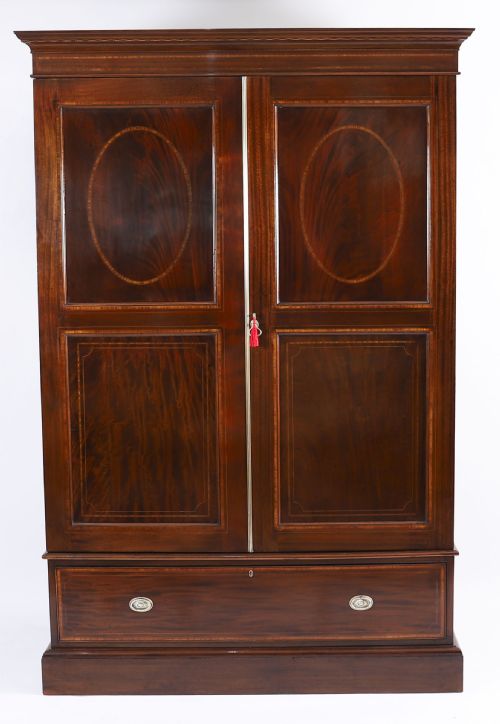
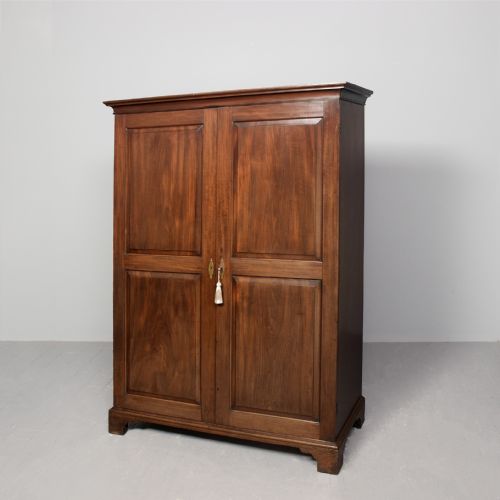
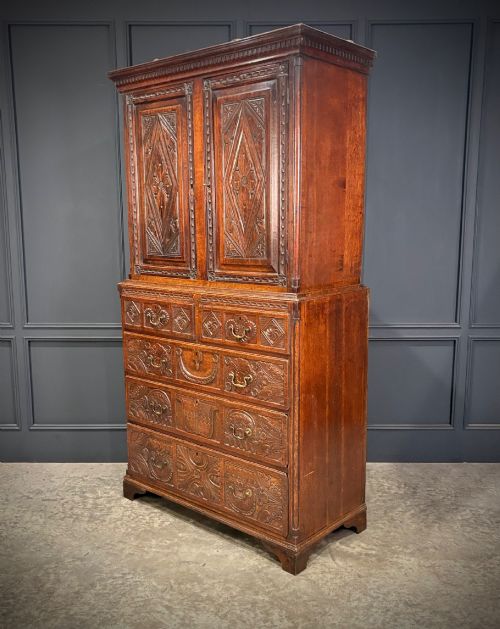
An english antique wardrobe encompasses large storage furniture designed for bedrooms and dressing rooms, spanning multiple centuries of craftsmanship. You encounter early pieces in heavy oak and mahogany from the Georgian period, alongside tall linen presses and housekeeper cupboards.
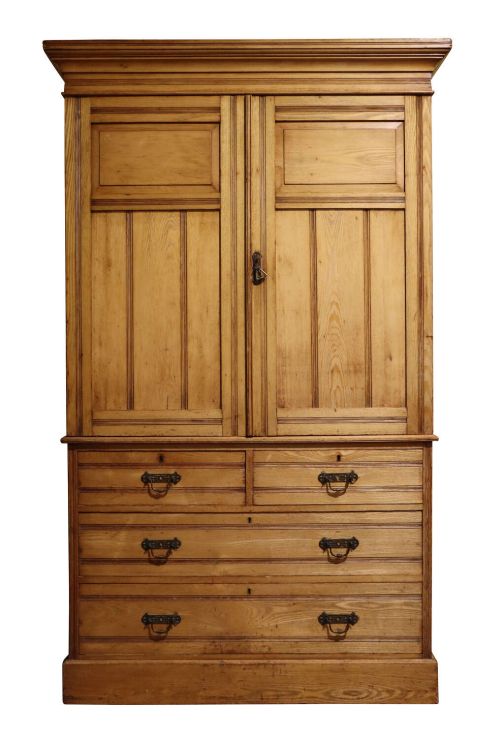
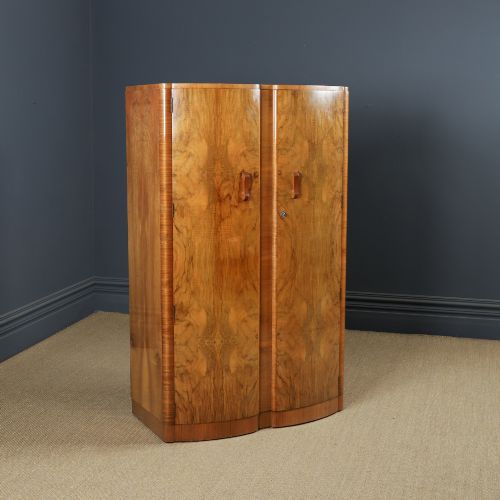
Later examples extend into the Victorian era with robust pine and satin walnut, terminating in the curved walnut designs of the Art Deco period. These functional pieces range from simple single-door cupboards to elaborate compactum cabinets fitted with internal sliding trays and mirrors.
The material palette shifts from regional native timbers to exotic veneers as international trade routes expanded. Surviving items reflect the changing domestic requirements of British households, moving from communal linen storage to individual hanging space.
Distinctions in Standard
The calibre of an english antique wardrobe rests upon the selection of timber figures, such as book-matched flame mahogany or burr walnut veneer, paired with the precision of the underlying joinery. Superior examples display seamless grain continuity across large doors and crisp, hand-carved mouldings rather than cast ornamentation.
Internal configuration further separates utilitarian items from elite commissions, particularly those retaining original sliding linen trays, compartmentalised drawers, and integrated brass hanging fittings. The integrity of the original polish and surface patination dictates the overall archaeological and visual success of the piece.
Some nineteenth-century gentleman's wardrobes include hidden internal tie racks and secret compartments behind dummy drawer fronts.
Maple & Co.·Holland & Sons·Gillows·Liberty of London
The English Wardrobe Glossary
- Compactum
- A multi-functional wardrobe combining hanging space, drawers, and linen shelves within a single cabinet. This design maximised interior storage capacity for nineteenth-century gentlemen.
- Linen Press
- A tall two-part cabinet featuring sliding trays in the upper section and drawer storage below. Originally built for storing household textiles flat before modern hanging wardrobes became standard.
- Housekeeper Cupboard
- A large freestanding storage unit traditionally used in country houses for linen and dry goods. These utilitarian pieces are predominantly constructed from solid oak with panelled doors.
- Veneer
- A thin layer of decorative wood, such as flame mahogany or walnut, applied over a stable secondary timber carcass. This technique allowed cabinet makers to display dramatic grain patterns without using solid costly logs.
- Cornice
- The decorative moulded projection running along the top of a tall cabinet. It crowns the structure and often conceals structural joinery.
English Wardrobe: Frequently Asked Questions
How do I dismantle a large wardrobe?
Many large nineteenth-century wardrobes and presses were constructed with a modular knockdown design, using internal bolts or pegs to secure the cornice, base, and sides together.
Carefully inspect the interior corners for concealed fixings and label each loose panel before separating the timber components to ensure safe transport.
What is the difference between a press and a wardrobe?
A traditional press contains internal sliding shelves or trays designed to store folded textiles and linen flat. A wardrobe is specifically dedicated to hanging garments on rails or pegs.
Over time, many presses were converted into hanging wardrobes by removing the original trays.
How do I identify a Georgian wardrobe?
Georgian pieces typically feature solid proportions constructed from rich mahogany or oak, accented by understated bracket feet and classical dentil cornices. The joinery relies on hand-cut dovetails and pegged frames without modern mechanical fixings.
Surface patination on these eighteenth-century items generally exhibits a deep, warm glow acquired through generations of polishing.