

English Milk Jug
An English antique milk jug sits on the table with quiet presence, pouring cream from porcelain, earthenware and silver shaped across centuries.
English Milk Jug
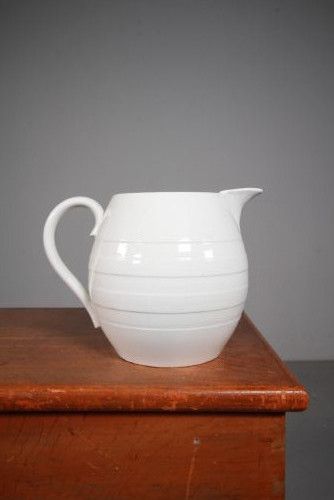
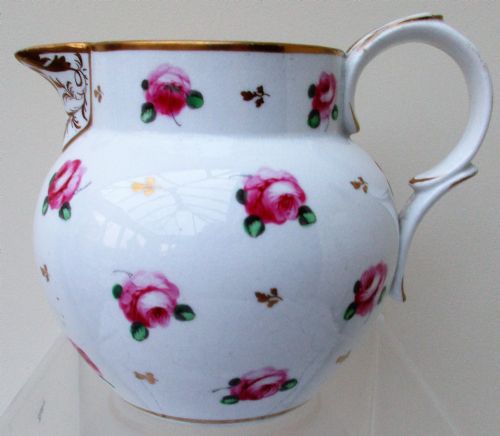
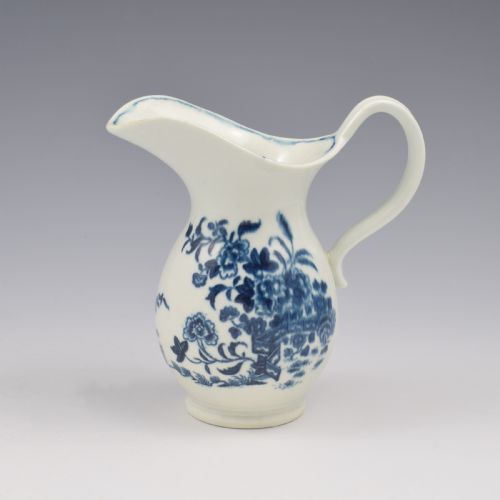
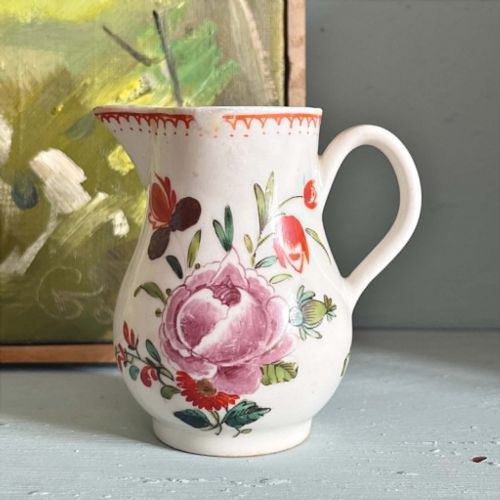
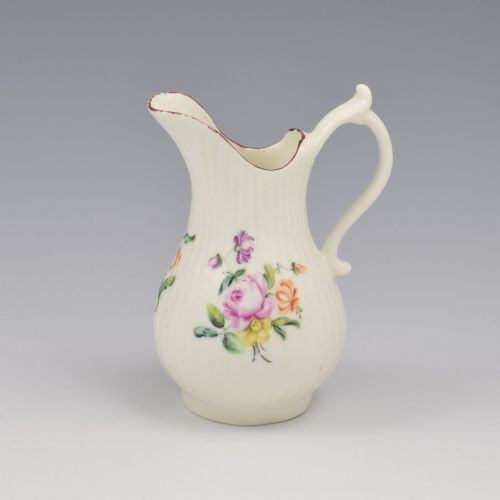
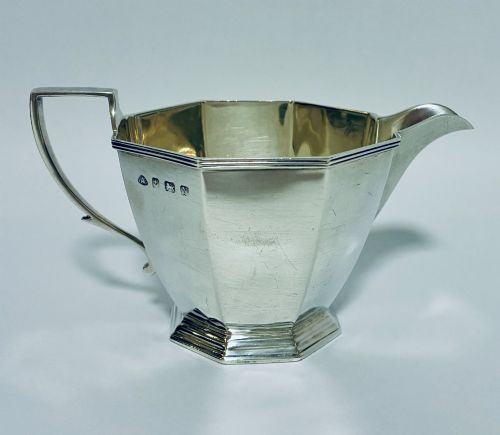
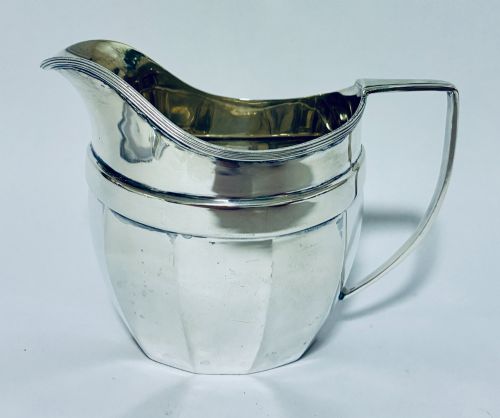
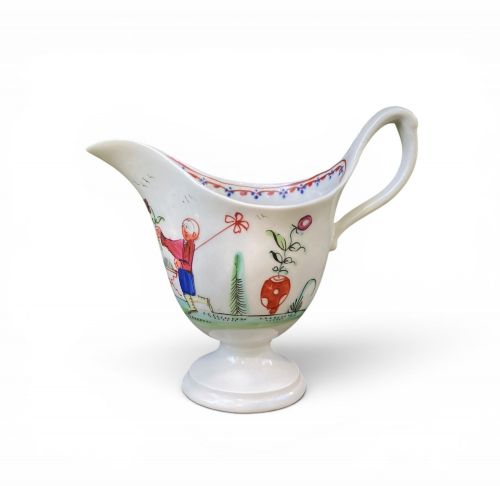
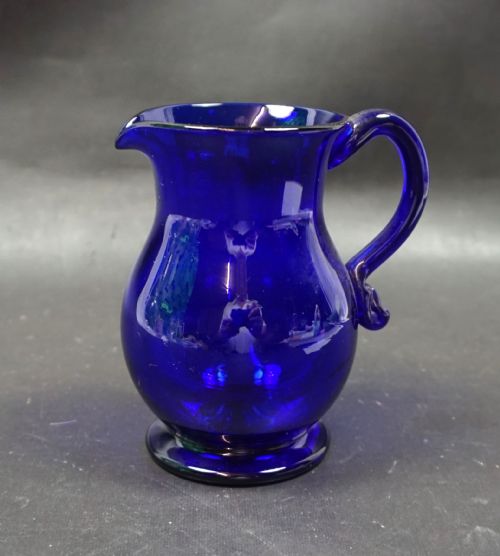
An English antique milk jug spans the Georgian, Victorian and Edwardian eras, taking the form of sparrow-beak creamers, helmet jugs and whimsical cow creamers. These domestic vessels served at the tea table, carrying milk or cream to soften the brew.
The pieces on this page lean heavily towards porcelain and earthenware from eighteenth-century factories alongside nineteenth-century pottery and sterling silver. Small cream jugs and larger dairy pitchers represent the primary functional shapes found in domestic settings.
Materials and Techniques
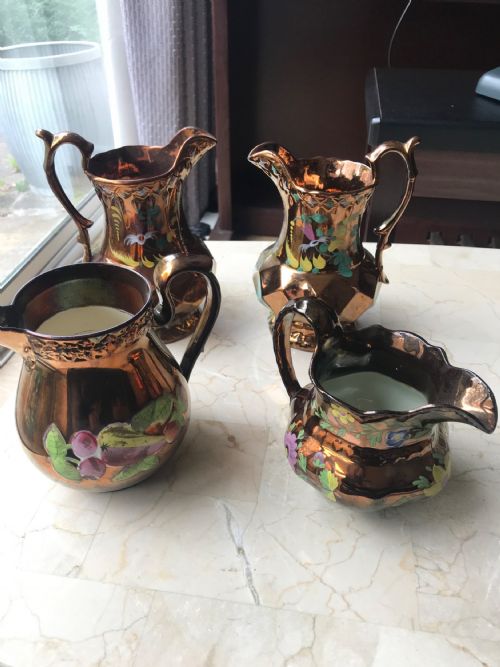
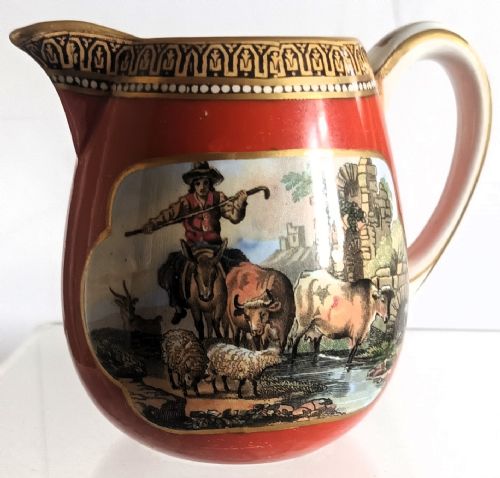
Potters shaped soft-paste and hard-paste porcelain, earthenware and bone china on the wheel or pressed them into moulds before applying hand-painted polychrome flowers, transfer printing and rich gilding. Enamel colours and copper lustre added depth to the ceramic body.
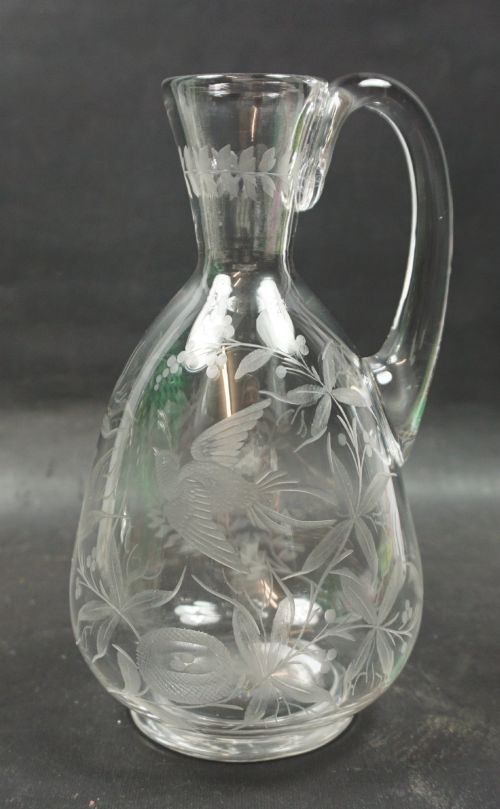
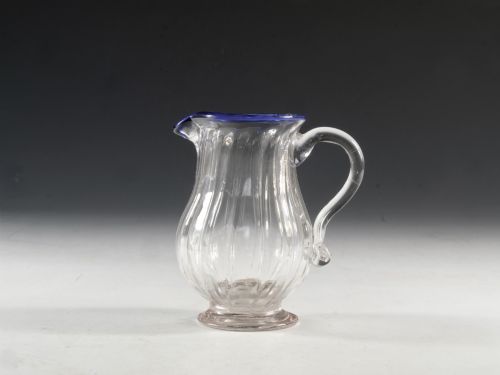
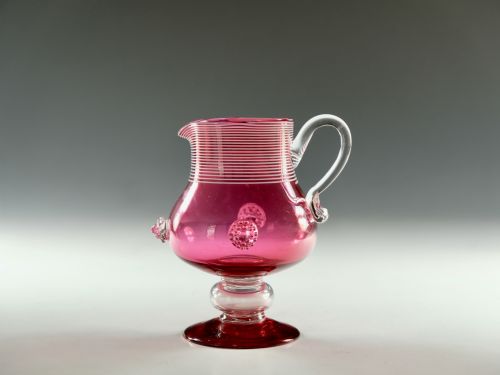
Silversmiths hammered sterling silver into graceful helmet profiles and cast handles with precise detail, while glassmakers blew crystal and tinted it with blue rims or engraved delicate birds.
English Milk Jug Retail Price Guide 2026
Typical asking prices for english milk jug among the pieces listed under this phrase on Sellingantiques today, from the lower quarter to the upper quarter. They describe what is for sale here now, not the wider market.
Cows double as creamers, pouring tea-time milk through their backs with quiet dignity.
Craftsmanship and Proportion
The division between ordinary pots and superior specimens rests on the crispness of the moulding and the skill of the hand-painting. Early porcelain bodies show a translucency and delicacy in the handle and spout that later mass-produced wares lack.
Proportion dictates the elegance of a jug, where the height of the neck balances the sweep of the handle and the pour of the beak without heaviness in the foot.
Booths·Derby Porcelain·Dr Wall Worcester·Bow·Keeling & Co·Doulton Lambeth·Masons·H & R Daniel·Leeds Pottery·Chamberlain Worcester·Royal Worcester·Livesley Powell & Co·Phillips & Bagster
The English Milk Jug Glossary
- Sparrow-beak
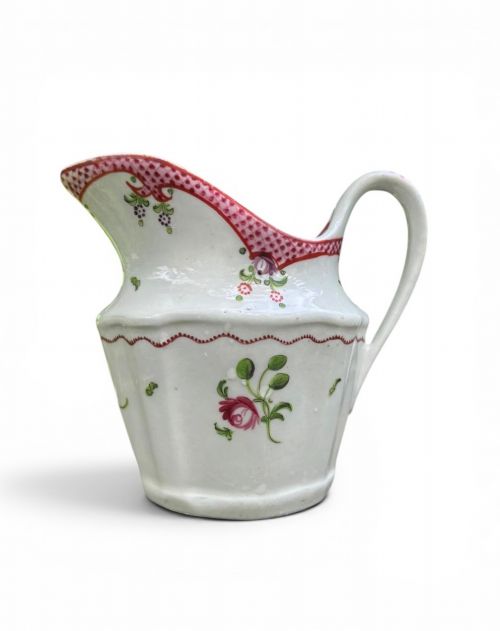
- A small eighteenth-century porcelain cream jug featuring a distinctive pinched spout resembling a bird beak. These early forms are typically found in soft-paste porcelain.
- Creamware
- A fine earthenware developed in Yorkshire during the eighteenth century with a warm cream-coloured lead glaze. It became the dominant domestic ceramic before white ironstone took over.
- Hydra jug
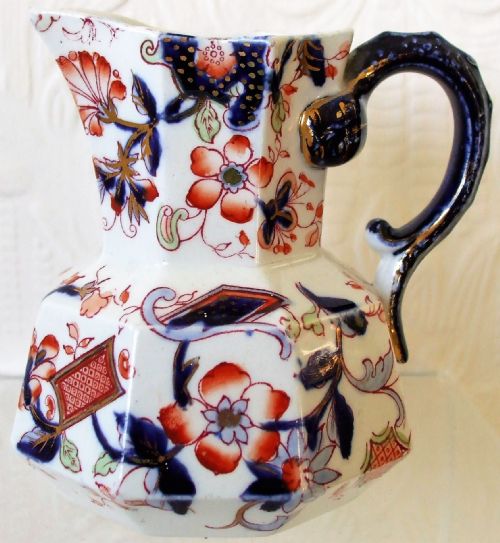
- A ceramic pitcher featuring a serpent-shaped handle and a flared rim, often associated with Mason's ironstone and Regency production. The classical revival inspired these bold sculptural forms.
- Pearlware
- An refined earthenware introduced by Josiah Wedgwood around 1779 featuring a slight bluish tint in the glaze to mimic Chinese porcelain. It frequently carries transfer-printed or hand-painted botanical motifs.
English Milk Jug: Frequently Asked Questions
How do I date an old milk jug?
Dating relies on body material, glaze characteristics and shape, such as the distinct sparrow-beak profile of the eighteenth century versus the heavy ironstone of the Victorian period.
Factory marks on the base, where present, help narrow the decade of manufacture alongside stylistic cues from the Regency or Art Nouveau eras.
Were these jugs only used for milk?
While primarily designed for cream or milk at the tea table, many larger earthenware and porcelain examples served as water ewers or small pitchers.
Their varied capacities reflect the different scales of domestic hospitality across the Georgian and Victorian periods.
How should I display ceramic creamers?
Displaying these small vessels in a well-lit cabinet protects fragile handles and delicate overglaze enamel painting from accidental damage.
Grouping graduated sets, such as Mason's Hydra jugs, highlights the subtle variations in size and decorative transfer patterns.
What is a cow creamer?
A cow creamer is a ceramic or silver milk jug shaped in the likeness of a cow, with milk poured through an opening on the back.
Popularised in Staffordshire potteries during the Georgian and Victorian eras, these whimsical vessels combined utility with playful animal sculpture.