





English Jardiniere
An English antique jardiniere brings living foliage indoors within a vessel shaped by centuries of ceramic, metal and timber traditions.
English Jardiniere
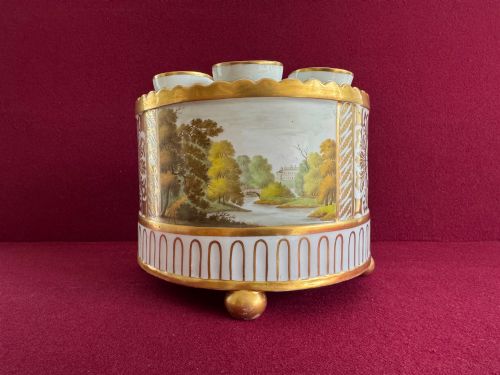
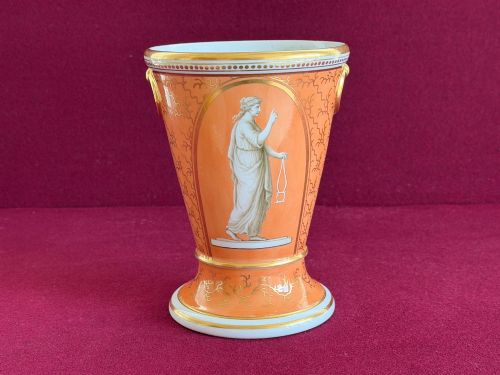
An english antique jardiniere takes the form of a decorative plant container designed to house potted flowers or greenery within domestic interiors, orangeries and halls. The pieces gathered here span centuries of craftsmanship, ranging from compact porcelain bough pots to large ornamental planters cast in iron or turned from oak.
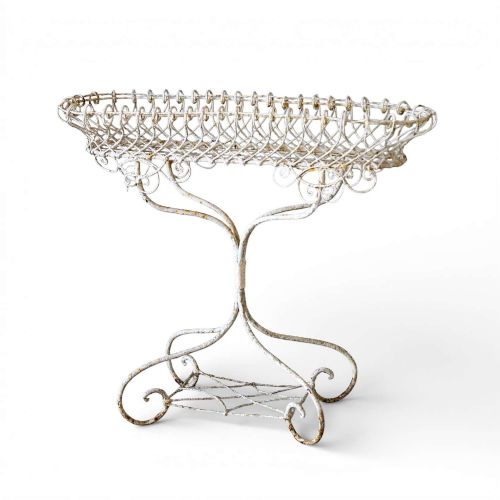
Buyers seeking this phrase encounter a rich variety of forms, including ceramic vessels resting on matching stands, coopered wooden tubs banded in brass, and wrought iron wirework frames. The selection draws heavily upon Georgian, Victorian and Edwardian periods, reflecting how generations of households displayed their plants.
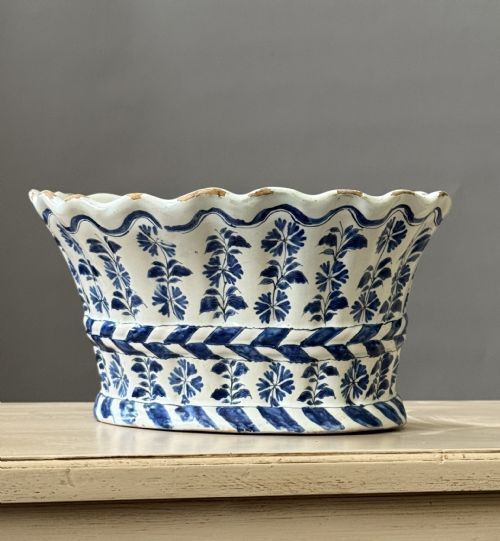
Ceramic examples dominate the available selection, particularly porcelain, earthenware and stoneware produced by major factories, alongside metal plant stands and wooden planter tables. These vessels served both practical horticultural functions and formal decorative roles in period interiors.
Materials and construction methods
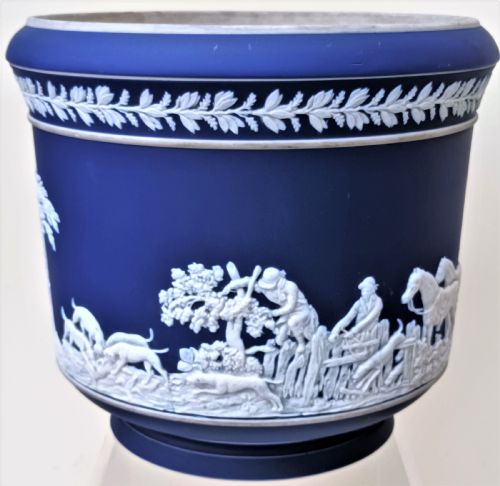
Makers utilised fired ceramics such as porcelain, majolica and jasperware, shaping them by hand or mould before applying enamel paint, glaze and gold leaf. Factories like Worcester and Minton employed skilled painters and glost firings to create durable, highly decorated bodies suited to holding damp soil and water.
Metalwork pieces rely on wrought iron, cast iron and brass, shaped through forging, casting and wirework techniques to form sturdy lattice baskets, scrollwork frames and decorative planters. Coopered wooden examples utilise staves of oak, box tree or walnut bound together with metal hoops to withstand the weight of soil and moisture.
Combination pieces integrate timber frames with marble tops or ceramic liners, uniting structural carpentry with decorative surface work. Cabinetmakers and metalworkers worked in tandem to produce jardiniere stands and planter tables that balanced functional water resistance with polished domestic elegance.
English Jardiniere Retail Price Guide 2026
Typical asking prices for english jardiniere among the pieces listed under this phrase on Sellingantiques today, from the lower quarter to the upper quarter. They describe what is for sale here now, not the wider market.
Materials span porcelain, earthenware, stoneware, brass, wrought iron, cast iron, tin, enamel, gold leaf, paint, oak, walnut, satinwood and box tree.
Distinguishing quality in period pieces
The standard of an english antique jardiniere rests upon the crispness of its moulding and the fidelity of its hand-painted decoration. Finer ceramic examples display precise registration in transfer printing and careful hand-finishing in enamel and gold leaf, whereas simpler utilitarian vessels exhibit heavier bodies and plain glazes.
Structural integrity and material selection define the upper tier of wooden and metal pieces. Solid hardwoods like oak and walnut, tight coopered joints with well-fitted brass bands, and intricate hand-forged scrollwork separate bespoke furniture from simpler production items.
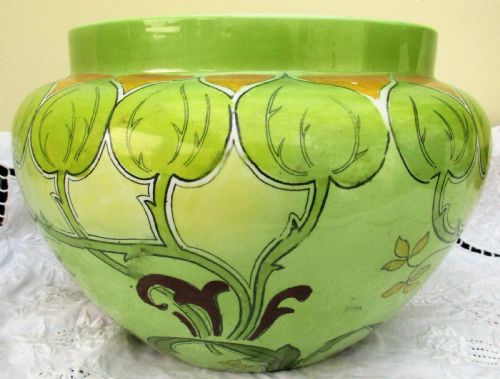
The relationship between the planter vessel and its supporting stand influences overall refinement. Superior pieces integrate the jardiniere with a matched pedestal, table or wirework frame that shares the stylistic vocabulary of the period, whether Regency, William IV or Art Nouveau.
William Adams & Sons·W.A. Adderley·Doulton Burslem·Royal Worcester·Royal Crown Derby·Minton·Flight & Barr·Barr, Flight & Barr
The English Jardiniere Glossary
- Bough pot
- A ceramic or metal vessel originally designed for holding cut branches of flowering shrubs or greens for interior decoration. They frequently feature pierced or removable covers.
- Coopered
- Constructed from wooden staves fitted side by side and bound with metal hoops, a technique traditionally used for barrels and applied here to plant tubs.
- Jasperware
- A type of fine stoneware developed by Josiah Wedgwood, characterised by a matte unglazed exterior body and contrasting raised white ceramic reliefs.
- Majolica
- An earthenware pottery coated in an opaque tin glaze, decorated with colourful metal oxide paints that fire to a rich, glossy finish.
- Wirework
- An architectural or horticultural technique of bending and soldering metal wires into open lattice baskets and plant stands during the nineteenth century.
English Jardiniere: Frequently Asked Questions
What is an english antique jardiniere?
An english antique jardiniere is a decorative container designed to hold potted plants, flowers or greenery inside the home. These vessels range from porcelain table pots to large wooden tubs and iron plant stands.
Historically, they allowed households to bring outdoor flora into parlours, hallways and orangeries. The term covers a wide array of materials, including ceramic, brass, oak and cast iron.
How were jardinieres used historically?
These vessels functioned as decorative housing for live potted plants, protecting furniture from water and soil while adding natural colour to a room. Some featured internal liners to catch drainage.
In larger spaces like orangeries or hallways, substantial planters and stands held heavy ferns or small trees. Smaller bough pots on tables displayed seasonal cuttings and flowers.
How do I care for an antique jardiniere?
Modern use requires protecting antique interiors from direct moisture and damp soil. Placing a modern plastic liner or saucer inside the vessel prevents water damage to historic ceramics, wood or metal.
Clean ceramic surfaces with a soft, damp cloth and avoid harsh chemical cleaners. Wooden and metal stands benefit from occasional dry dusting and appropriate gentle conditioning.
How can I tell the period of a jardiniere?
Dating relies on stylistic clues, materials and factory marks stamped or painted on the base. Georgian pieces often display classical proportions and fine porcelain painting or simple coopered timber.
Victorian and Edwardian examples frequently show heavier majolica glazes, cast iron ornamentation or Art Nouveau botanical motifs. Maker marks help anchor pieces to specific nineteenth and early twentieth century decades.