

English Bedroom Storage
English antique bedroom storage brings together centuries of fitted and freestanding timber work built to hold clothing and linens.
English Bedroom Storage
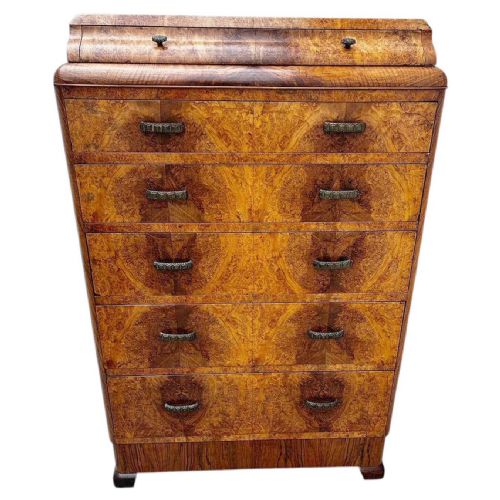
English antique bedroom storage centres on chest of drawers variations alongside wardrobes, bedside tables, linen presses, and tallboys. The pieces span from the seventeenth century through the Georgian, Regency, and Victorian eras into the art deco period of the 1930s.
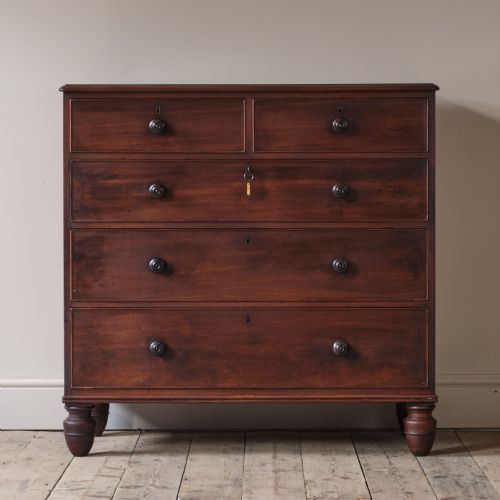
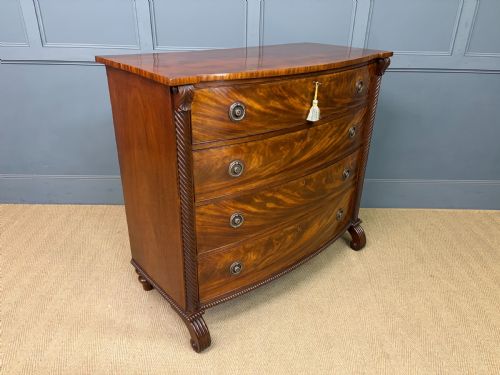
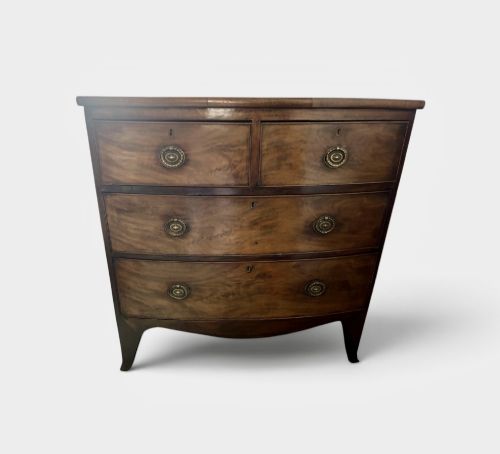
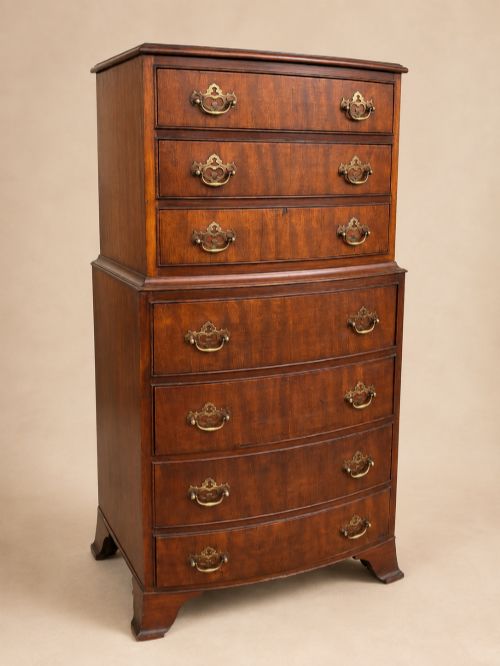
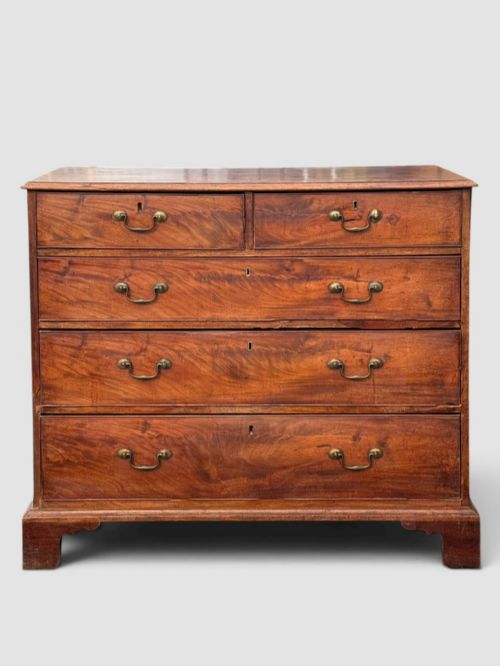
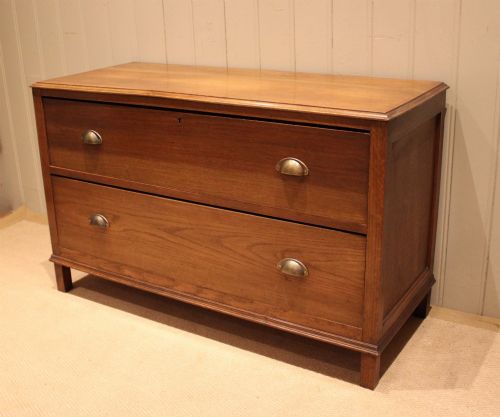
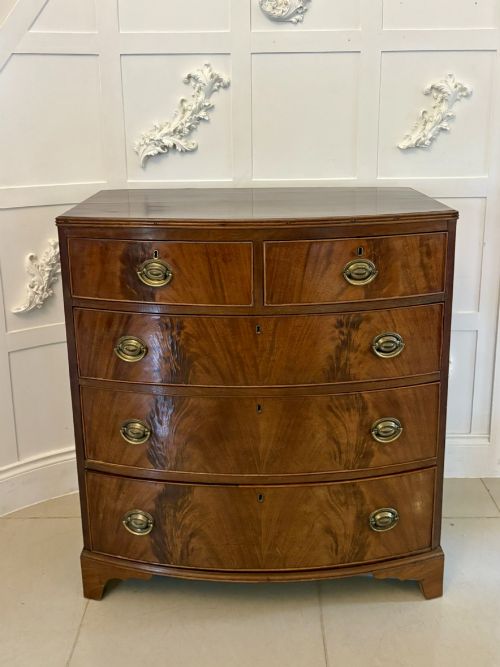
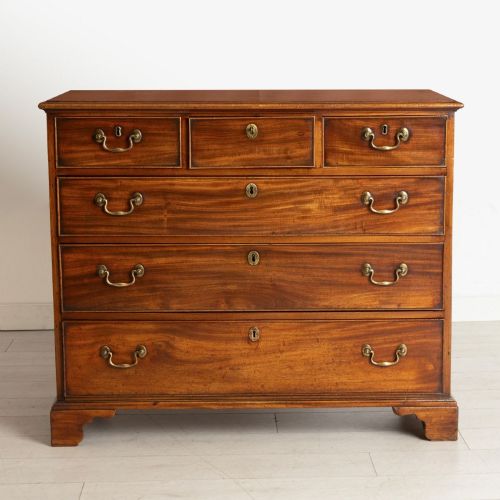
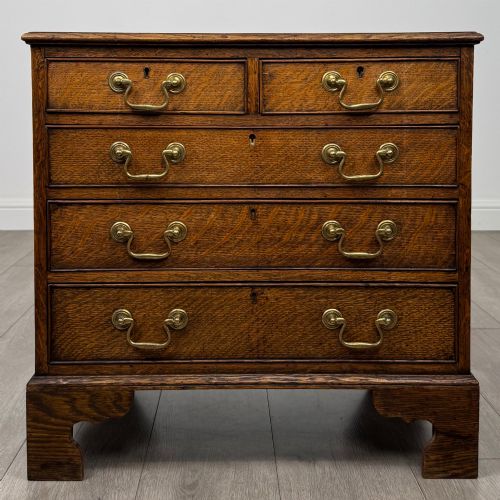
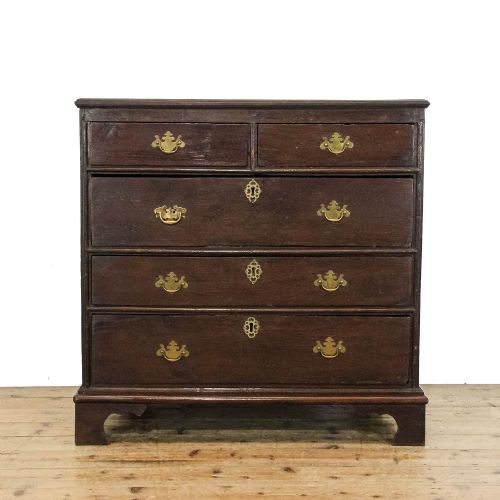
Chests of drawers dominate the selections, appearing frequently in proportions ranging from low single units to tall chests on chests. Buyers encounter standard rectangular carcases alongside bow fronted and serpentine designs constructed by regional makers.
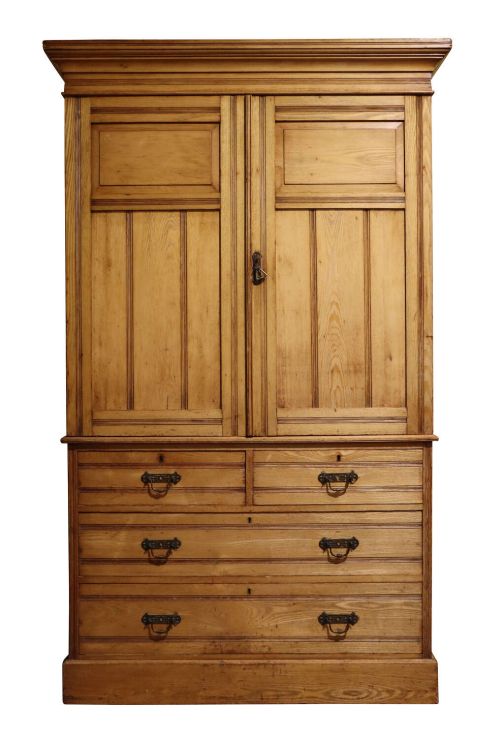
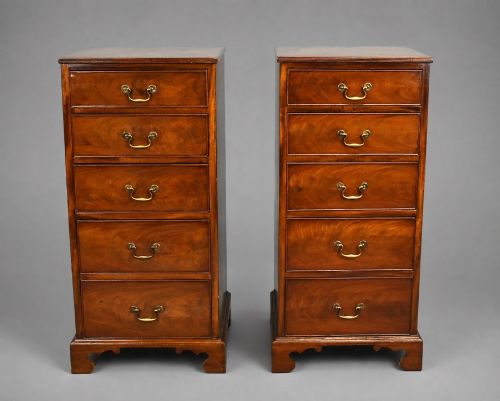
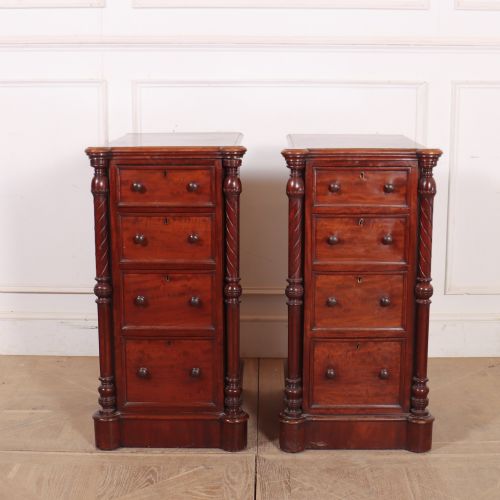
Wardrobes and press cupboards provide taller vertical storage, while bedside tables and smaller chests cater to compact spaces. Solid pine, painted finishes, and heavy oak pieces sit alongside polished mahogany and walnut forms.
Materials and Technique
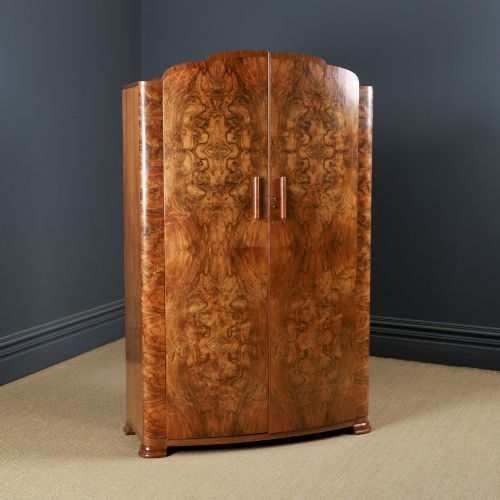
Cabinet makers built these pieces using native and imported hardwoods including mahogany, oak, walnut, and ash, supplemented by softer pine for internal linings and carcase backs. Timber selection drove the exterior appearance, utilising figured veneers, flame mahogany, and burl walnut on principal display surfaces.
Joinery techniques relied on dovetailed drawer construction, tongue and groove panels, and sturdy frame and panel assemblies to maintain structural integrity. Brass drop handles, key escutcheons, and brass drawer pulls completed the functional hardware on higher grade furniture.
Olive oyster work turns humble branch cross-sections into swirling wooden galaxies.
Factors of Quality
Quality rests upon the selection of timber veneers and the precision of the underlying cabinet work, such as hand-cut dovetails on drawer boxes. Pieces utilising dense mahogany, figured walnut, or solid oak with consistent grain patterns stand above simpler utility items.
Proportion and restrained ornamentation separate superior examples from standard workshop production. Original brass hardware, uncompromised secondary timbers, and cleanly fitted drawer runners dictate the enduring utility and integrity of each item.
T & G Seddon·Maple & Co.
The English Bedroom Storage Glossary
- Bow front
- A cabinet or chest front that curves outward in a convex shape. This configuration required skilled carpentry to match the curved drawers to the carcase.
- Chest on chest
- A tall storage unit formed by stacking one chest of drawers directly upon a larger base chest. This form maximises vertical capacity without widening the floor footprint.
- Press cupboard
- A large piece combining upper hanging or shelving space with lower drawers, often used for linens and garments. Early versions combined panelled doors with deep internal depths.
- Serpentine front
- A furniture front characterised by a central convex curve flanked by two concave curves. This complex shape appears on high status Georgian and regional pieces.
- Tallboy
- A tall single chest of drawers or a chest on chest configuration designed for bedrooms. The elevated height provided substantial storage in compact rooms.
English Bedroom Storage: Frequently Asked Questions
What is a linen press?
A linen press is a tall storage cupboard featuring upper shelving or sliding trays traditionally used for flat textiles, paired with lower drawers. These pieces offered deep storage before modern built-in closets became standard in domestic architecture.
Over time, many of these cabinets have been adapted internally for hanging clothes while retaining their traditional panelled exterior doors and heavy proportions.
How do I date a chest of drawers?
Dating relies on examining construction methods, timber types, and hardware styles across the carcase and drawer interiors. Hand-cut dovetails, secondary woods like pine or oak, and the presence of original brass pulls help place a piece within specific stylistic eras from the seventeenth to the twentieth century.
Changes in moulding profiles, foot designs from bracket feet to turned legs, and overall proportions provide additional physical evidence for the period of manufacture.
Where should I place a bow front chest?
A bow front chest functions effectively in bedrooms, hallways, or living spaces where the curved projection softens room circulation. Because the front extends outward, placing it against a flat wall with adequate clearance allows the proportions to register visually.
Pairing the surface with a mirror or simple lighting makes use of the top board without crowding the prominent timber grain.
What is flame mahogany?
Flame mahogany is a highly figured veneer sliced from the branching points of the mahogany tree, displaying a distinctive feather-like pattern. Cabinet makers used this decorative wood on the primary drawer fronts and principal doors of high quality case furniture to catch the light.
This material signals a more formal, high status commission compared to plain mahogany or utility pine pieces from the same period.