
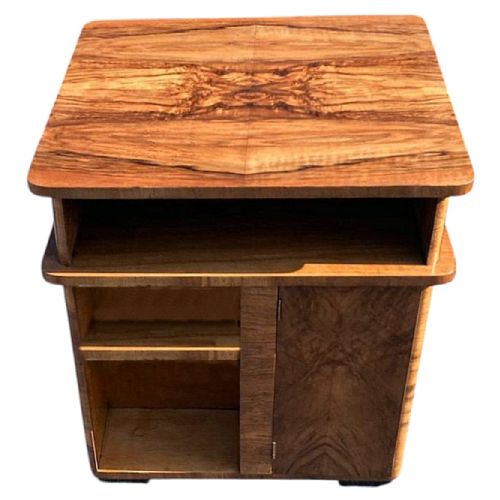


English 1930s Cabinet
An English 1930s cabinet brings functional storage together with bold geometric forms, offering a practical centrepiece for modern living spaces.
English 1930s Cabinet
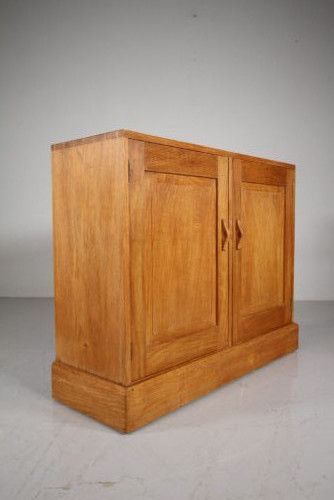
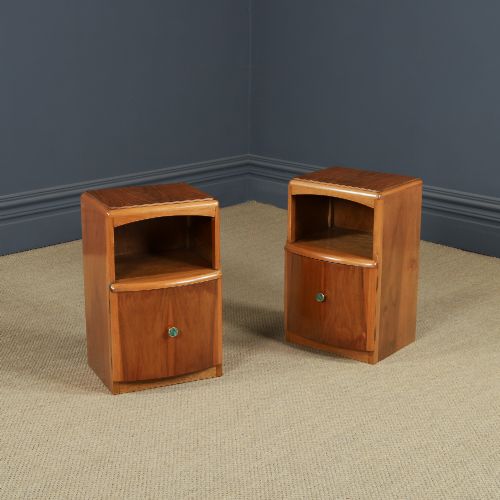
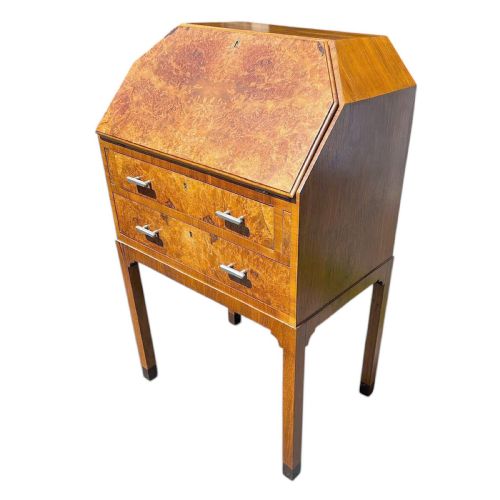
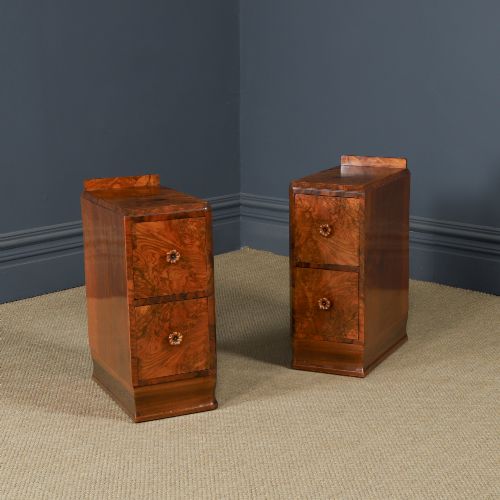
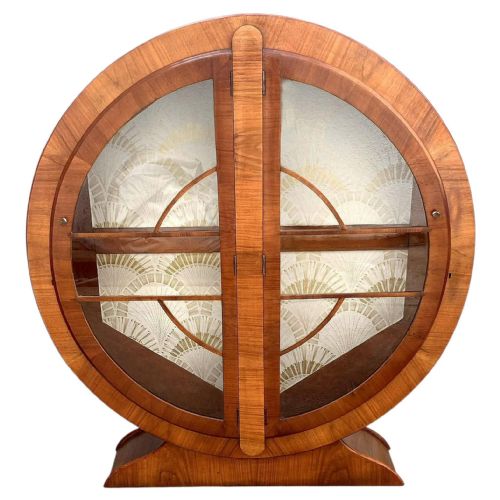
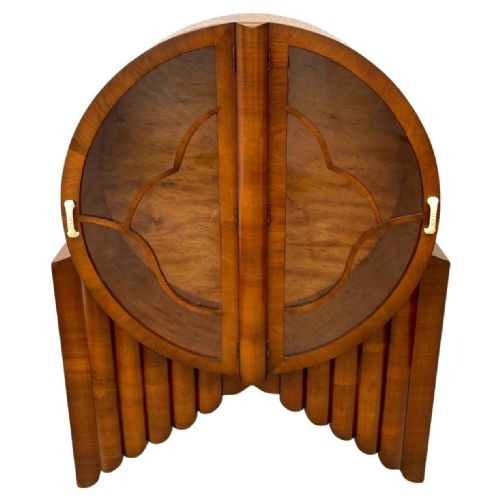
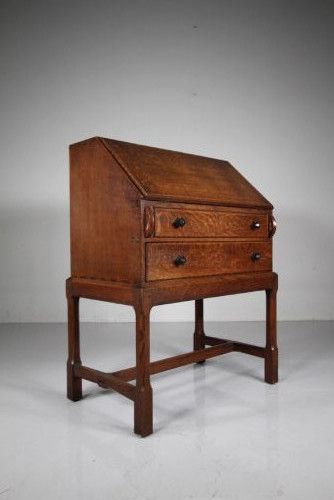
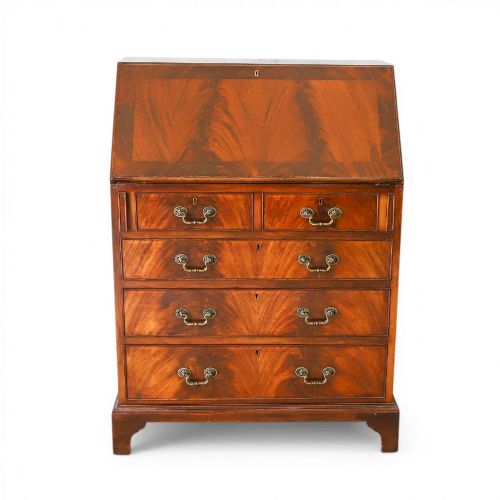
When you search for an english 1930s cabinet, you encounter a diverse range of forms that reflect the shifting domestic priorities of the interwar period. The selection on this page centres heavily upon display cabinets, cocktail cabinets, and bookcases alongside smaller bedside pieces and writing bureaus.
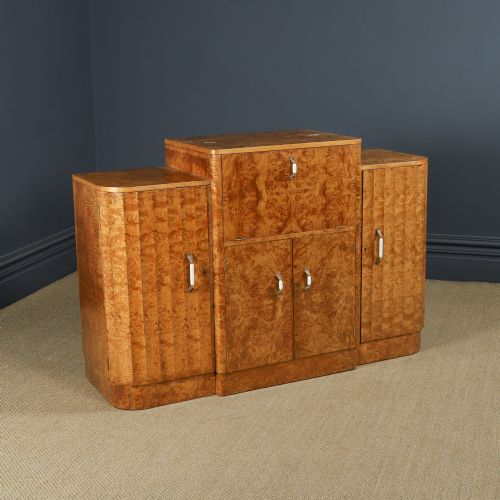
Art Deco styling dominates the selection, bringing curved silhouettes, glazed fronts, and dramatic wood veneers into domestic interiors. Alongside these streamlined modern pieces, traditional English revivals such as Tudor, Georgian, and Cotswold School designs appear in solid oak and vernacular forms.
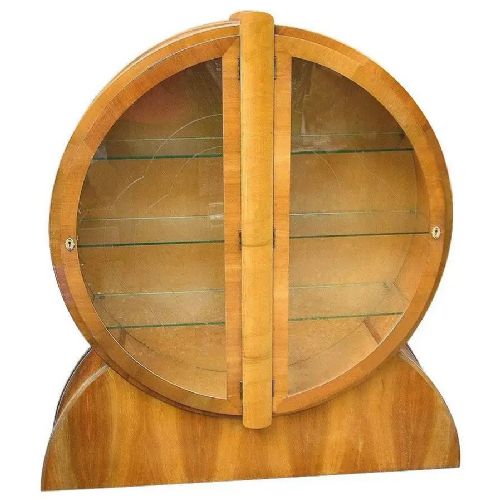
Display vitrines and drinks cabinets serve as the most common expressions of the era's entertaining culture, whilst compact nightstands and writing desks meet smaller room proportions. These pieces range from upright tallboys and circular display units to low-profile side tables and tiered occasional surfaces.
Materials and construction methods
Makers of the period relied heavily on walnut and burr walnut veneers, applied over sturdy secondary woods to create striking grain patterns on curved doors and drawer fronts. Cabinet makers also utilised oak, mahogany, satinwood, sycamore, and birds-eye maple to achieve varied surface textures and tonal contrasts.
Glazing takes multiple forms across the inventory, including leaded glass panels, plain glass display doors, and mirrored interior tops for drinks storage. Metal elements such as brass handles and hardware provide functional accents, whilst occasional pieces incorporate gold leaf highlights.
Construction techniques bridge traditional cabinet-making and early industrial production, pairing dovetailed drawers with veneered carcases and specialised internal fittings for electric lighting and cocktail storage.
Some cocktail cabinets still hide their original electric fittings behind mirrored doors.
Distinguishing quality across the range
The choice of veneer defines the visual hierarchy of these pieces, with highly figured burr walnut, blonde walnut, and exotic woods commanding stronger presence than plain secondary timbers. The skill of the veneer matching across curved drawer fronts and doors dictates the visual rhythm of the finished object.
Construction integrity separates standard commercial output from the work of prominent makers and specific school workshops. Cabinet makers who invested care in internal joinery, original hardware, and specialised fittings such as fold-out bar surfaces or electrical elements achieved enduring structural stability.
The complexity of the form influences overall distinction, moving from simple rectilinear bookcases to challenging architectural shapes like cathedral display vitrines, circular cabinets, and rocket vitrines.
Harry and Lou Epstein·Stanley Webb Davies·Clarice Cliff·Royal Worcester·Hille
The English 1930s Cabinet Glossary
- Burr walnut
- A wood veneer taken from the gnarled growths of a walnut tree, prized for its swirling, highly figured grain patterns. It forms the primary decorative surface on many Art Deco drinks and display furniture items.
- Vitrine
- A glass-fronted display cabinet designed for the exhibition of ceramics, glassware, or decorative objects. Examples from this era often feature curved glass or leaded geometric framing.
- Cocktail cabinet
- A specialised piece of furniture engineered for home entertainment, typically featuring a drop-down mixing shelf, mirrored interior, glass holders, and sometimes internal lighting. These items sit at the centre of interwar social spaces.
- Bureau
- A desk featuring a sloping hinged flap that opens to reveal a writing surface and small pigeonholes or drawers. Period examples frequently stand upon bracket feet or tall legs.
- Cotswold School
- An Arts and Crafts-derived movement championing traditional hand-tool woodworking and honest construction in solid English timbers, particularly oak. Pieces from this tradition emphasise vernacular craftsmanship over mass-produced veneering.
English 1930s Cabinet: Frequently Asked Questions
What is a rocket cabinet?
A rocket cabinet is an uncommon Art Deco display piece characterised by its vertical, streamlined silhouette tapering or curving in a manner reminiscent of mid-century space-age design.
These striking vitrines were built to maximise display capacity while maintaining a compact footprint in urban interwar homes.
How do I identify Art Deco furniture?
Art Deco furniture relies on geometric symmetry, streamlined curves, and the dramatic use of figured wood veneers like walnut and maple. These pieces often eschew heavy historical carving in favour of sleek surfaces and contrasting inlays.
Hardware is typically minimal or cast in geometric brass shapes, complementing the overall architectural silhouette of the cabinet or table.
Were cocktail cabinets common in the 1930s?
Cocktail cabinets gained immense popularity during the interwar period as home entertaining shifted towards private cocktail parties and modern social gatherings. Dedicated drinks chests were designed with specialised internal compartments for bottles, glassware, and mixing equipment.
Many of these cabinets incorporate mirrored backs and drop-down preparation shelves for serving drinks.
What wood was most popular?
Walnut reigned supreme during the 1930s, particularly figured varieties like burr walnut and blonde walnut which provided rich decorative surfaces for veneered furniture. Oak also remained widely used, especially for traditional styles, Cotswold School pieces, and functional bookcases.
Secondary timbers were frequently combined with exotic veneers to create striking visual contrast on cabinet doors and drawer fronts.