

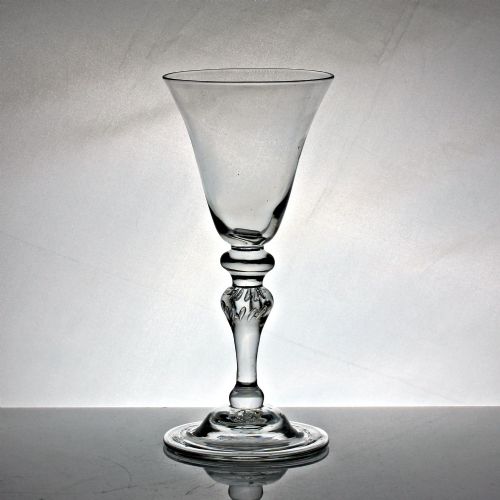
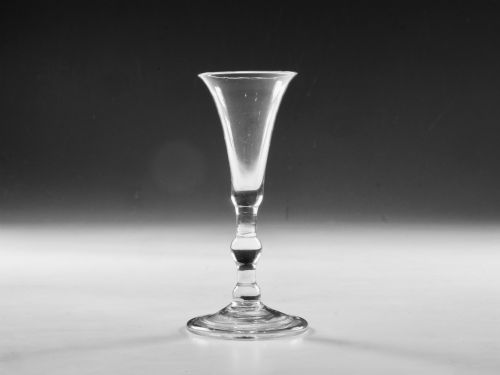
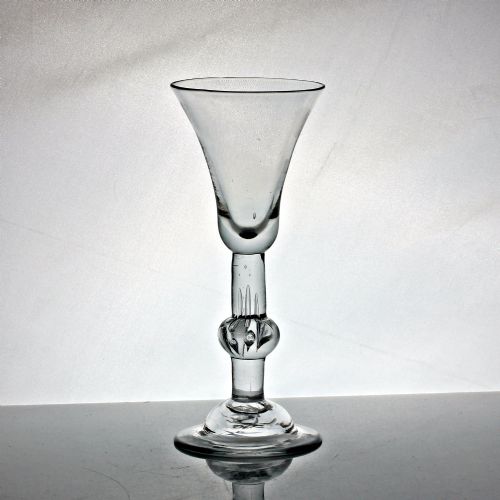
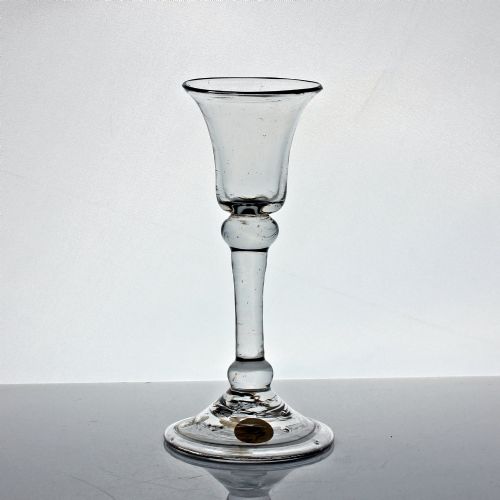
English 18th Century Stemware
These pieces of english 18th century stemware are fragile drinking vessels shaped by early glassmakers to hold wine and ale.
English 18th Century Stemware
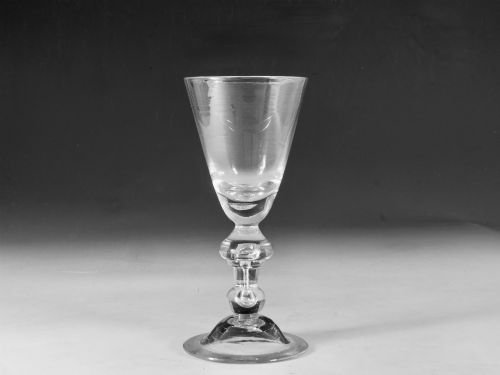
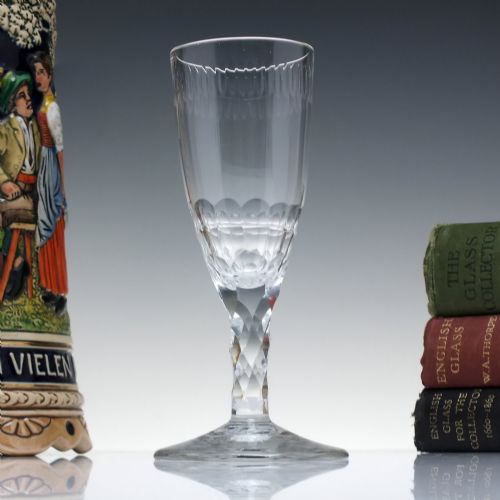
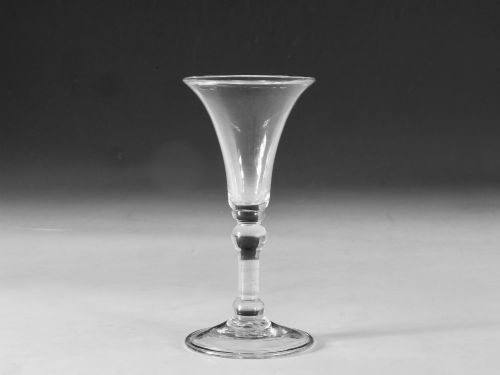
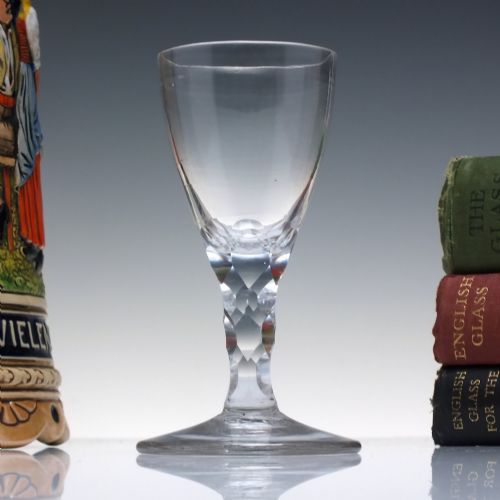
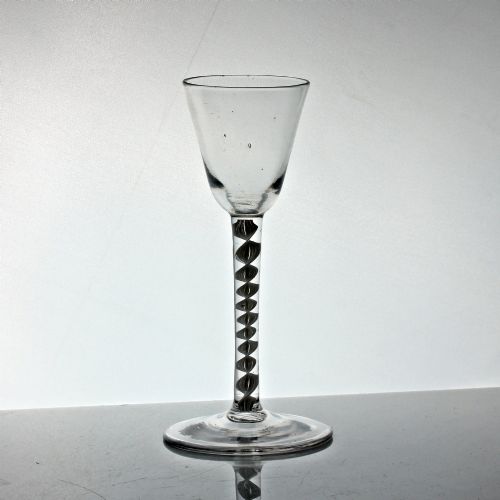
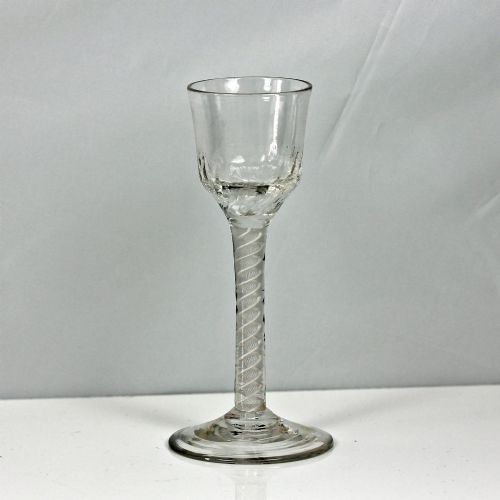
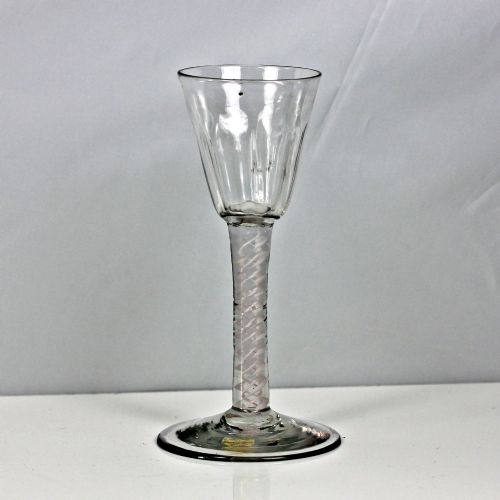
The objects originate from the seventeen-hundreds, with dates clustering around the middle and latter decades of that century. Makers shaped these lead glass and clear glass pieces for social dining and toasts, creating varied bowl forms raised on distinct stems.
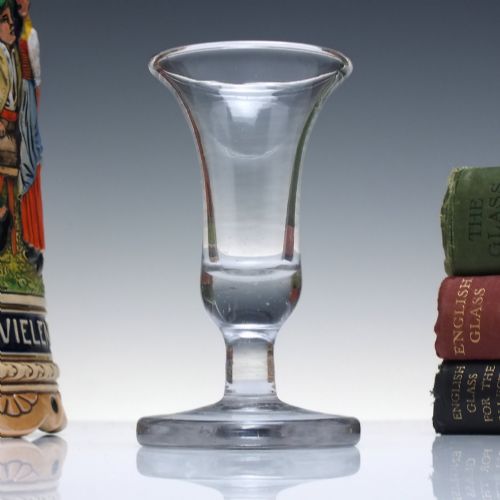
Folded feet and knops frequently anchor the lower sections of these drinking vessels, adding weight and stability. You will find that wine glasses and ale glasses dominate the selection, accompanied by occasional oil lamps and engraved rummers.
Quality Variations
Clarity of the metal and precision in the stem formation dictate the standing of an individual piece. Clear glass containing fewer internal bubbles and striations reflects superior material selection by the glasshouse.
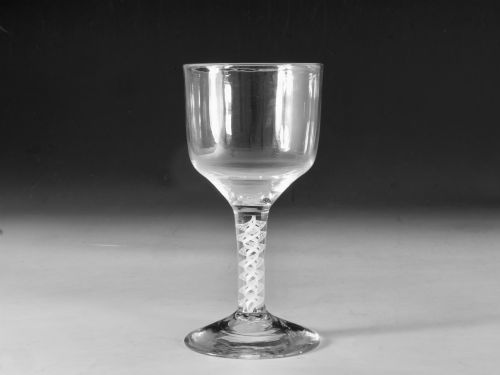
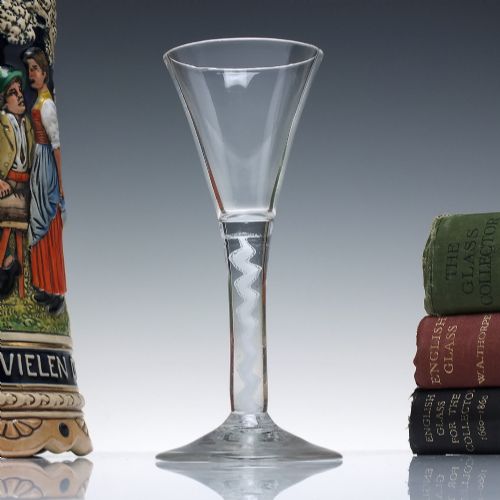
The regularity of the twist threads within the stem and the symmetry of the bowl reveal the hand of a skilled artisan. Heavy lead content and well-proportioned knops indicate careful execution during the manufacturing process.
English 18th Century Stemware Retail Price Guide 2026
Typical asking prices for english 18th century stemware among the pieces listed under this phrase on Sellingantiques today, from the lower quarter to the upper quarter. They describe what is for sale here now, not the wider market.
One small rummer carries an engraving dedicated directly to women and wine.
The English 18th Century Stemware Glossary
- Air twist
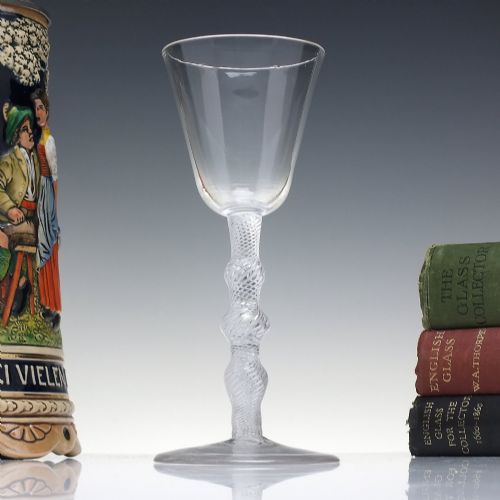
- A stem containing elongated internal air bubbles drawn into spirals. This technique creates delicate optical effects within the clear glass.
- Opaque twist
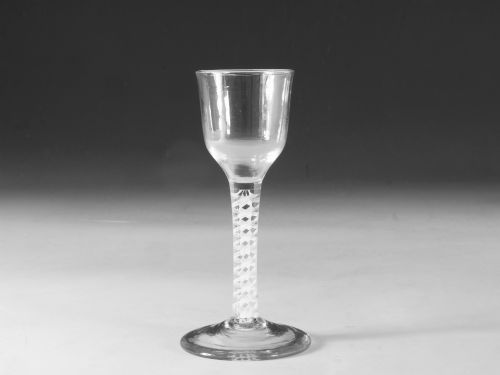
- A stem enclosing one or more white enamel rods twisted into threads. These threads provide a sharp contrast against the surrounding clear metal.
- Folded foot
- A base edge turned underneath to form a protective rim. This detail adds durability and weight to the bottom of the drinking vessel.
- Knop
- A knob or swelling on the stem of a glass. It provides a comfortable grip and breaks the vertical line of the piece.
- Rib moulded
- A glass vessel shaped in a pattern of raised ridges. This process is achieved by blowing the hot metal into a ribbed dipping iron or mould.
English 18th Century Stemware: Frequently Asked Questions
Can I drink from these glasses?
You can use these vessels for special occasions if you handle them with care. The lead glass is stable, though historical stems require gentle treatment.
Keep them away from modern dining setups where accidental knocks might occur. Hand washing is essential after every use.
What is an air twist stem?
An air twist stem contains trapped air bubbles manipulated into a spiral thread during manufacture. Glassmakers drew out the molten metal to form these delicate patterns inside the glass.
This technique emerged during the mid eighteenth century. It remains a defining feature of Georgian drinking vessels.
Why do some feet have folds?
Makers folded the rim of the foot underneath to strengthen the weakest part of the glass. This rim adds physical weight and stability to the base.
Folded feet appear frequently on pieces from the early and middle periods of the eighteenth century. They serve as a practical indicator of age.