

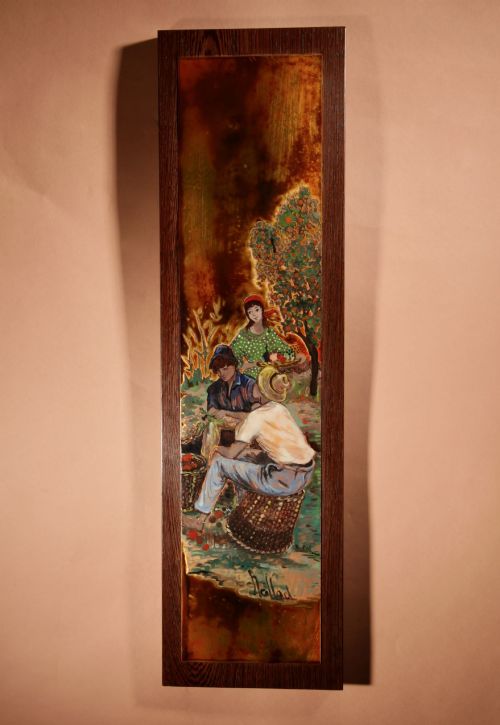


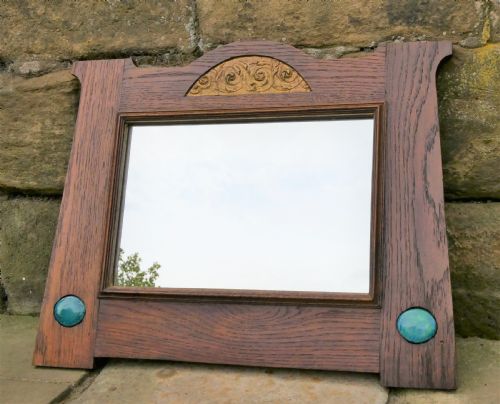


Enamelled Wall Art
Enamelled wall art brings together vitreous colour and metalwork, offering striking decorative presence for any interior.
Enamelled Wall Art
Enamelled wall art encompasses a diverse range of decorative objects designed for hanging, including Japanese cloisonné chargers, French enamel plaques from Limoges, and British advertising signs. These pieces span multiple centuries, reaching from eighteenth-century oval plaques to twentieth-century industrial clocks and art deco wall lights.
Buyers will encounter various formats on this page, with Japanese Meiji period plates and nineteenth-century copper panels appearing frequently alongside European porcelain plaques and framed tiles. Each item uses fired vitreous enamel to create permanent designs upon metal or ceramic substrates.
The selection extends from intricate Asian cloisonné depicting birds, dragons, and koi to robust British industrial signage and Glasgow School brass mirrors. This variety allows collectors to choose between delicate miniature painting and bold architectural wall decoration.
Materials and construction techniques
Makers fused powdered glass to metal bases such as copper, brass, and bronze through high-temperature firing, creating durable surfaces resistant to fading. Japanese pieces often utilised cloisonné wire techniques to separate distinct fields of coloured enamel paste before firing and polishing.
Limoges and South Staffordshire panels involved painting finely ground enamel pigments directly onto copper supports, requiring successive firings for each colour layer. Ceramic and porcelain variations, including works from Royal Worcester and Longwy, integrated glazed enamels directly into fired earthenware bodies.
Framing and mounting methods varied according to origin, utilising carved wood, hand-enamelled polychrome frames, or structural brass settings to support heavier glass and metal panels for wall display.
Enamelled Wall Art Retail Price Guide 2026
Typical asking prices for enamelled wall art among the pieces listed under this phrase on Sellingantiques today, from the lower quarter to the upper quarter. They describe what is for sale here now, not the wider market.
Some nineteenth-century Japanese dragons gaze across living rooms with permanently startled expressions baked firmly into their glass scales.
Factors determining quality
Quality rests upon the precision of the enamel work, the clarity of the fired colours, and the complexity of the underlying design. Finer Japanese cloisonné displays exceptionally thin wirework and flawless cell fills, while superior Limoges plaques show sophisticated brushwork and subtle tonal shading in the painted portraiture or narrative scenes.
The condition of the vitreous surface significantly influences the standing of a piece, separating well-preserved examples with intact glazing from those showing extensive cracking or repair. Masterpieces often feature signed compartments, highly detailed pictorial subjects like samurai or leaping koi, and harmonious integration between the enamel panel and its original metal or ceramic mount.
Royal Worcester·Longwy·Samson·Smiths Sectric·Stinton
The Enamelled Wall Art Glossary
- Cloisonne
- A decorative metalwork technique where thin metal wires are soldered to a base to form compartments filled with enamel paste. This method creates intricate patterns defined by delicate metal lines.
- Limoges enamel
- Painted vitreous enamel originating from the French city of Limoges, typically executed on copper plates. These panels often depict historical scenes, portraits, or allegorical figures.
- Charger
- A large decorative plate or dish intended for display rather than dining use. Enamelled and cloisonné examples are often drilled or fitted with brackets for wall hanging.
- Totai shippo
- Japanese porcelain featuring cloisonné enamelling applied directly to the ceramic body. This uncommon technique combines the translucency of porcelain with wired enamel decoration.
- Mon
- A Japanese emblem or crest used to indicate lineage or family identity. These stylised heraldic motifs frequently appear within the borders of Meiji period chargers.
Enamelled Wall Art: Frequently Asked Questions
How do I hang heavy enamel plaques safely?
Heavy enamelled wall art requires secure wall fixings suited to the specific weight of the copper or ceramic panel. Most antique chargers and plaques feature integrated back wires or mounting brackets designed for stable hanging.
Ensure the wall plug or hook engages directly with structural brickwork or stud framing rather than relying solely on plasterboard. Check the mounting hardware periodically to confirm the assembly remains secure against the wall.
How should I clean antique enamel wall art?
Cleaning vitreous enamel surfaces requires only a soft, dry or slightly damp cloth to remove accumulated dust and surface grime. Avoid abrasive cleaners, chemical solvents, or metal polishes that can scratch the glossy glass glaze or damage exposed copper and brass.
Keep pieces away from direct, prolonged sunlight to protect painted polychrome details from fading over decades of display. Professional conservation is recommended if the underlying metal shows signs of active corrosion.
How do I identify a Meiji period cloisonne charger?
Meiji period cloisonné chargers generally date from the late nineteenth century and feature dense, meticulous wirework depicting natural subjects such as birds, dragons, and floral tendrils. The reverse of these Japanese pieces often displays a counter-enamel of speckled green or blue.
Examining the base with a loupe reveals fine copper wires and subtle pitting characteristic of traditional hand-firing methods. Signed pieces frequently bear maker marks or studio signatures etched into the metal foot or base.
What is the difference between Limoges enamel and advertising signs?
Limoges enamel panels are fine artistic creations painted by hand on copper supports, typically depicting portraits or classical scenes within nineteenth or eighteenth-century contexts. They represent decorative fine art intended for interior display.
Enamel advertising signs are robust industrial pieces produced in quantity for commercial promotion on exterior walls. While both utilise fused glass on metal, their artistic intent and manufacturing scales differ entirely.