




Enamelled Tableware
Enamelled tableware brings colour and lustre to the table, spanning centuries of skilled metalwork and porcelain decoration.
Enamelled Tableware
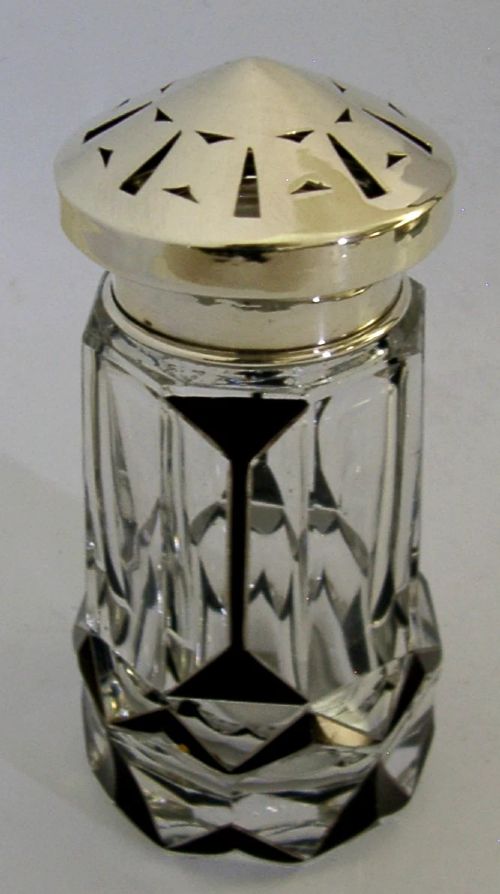
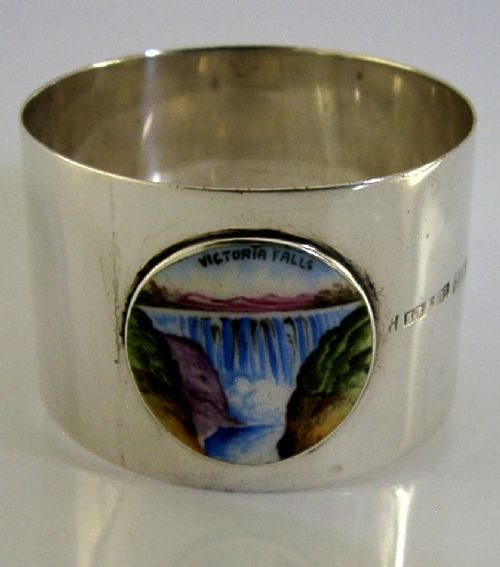
Enamelled tableware encompasses utilitarian and decorative dining pieces adorned with fused glass coatings, ranging from napkin rings and sugar casters to sauce boats, bowls, and decorative dishes.
The selections span distinct periods from the eighteenth century through to the mid-twentieth century, including Georgian, Victorian, Edwardian, Art Deco, and Mid-Century Modern designs.
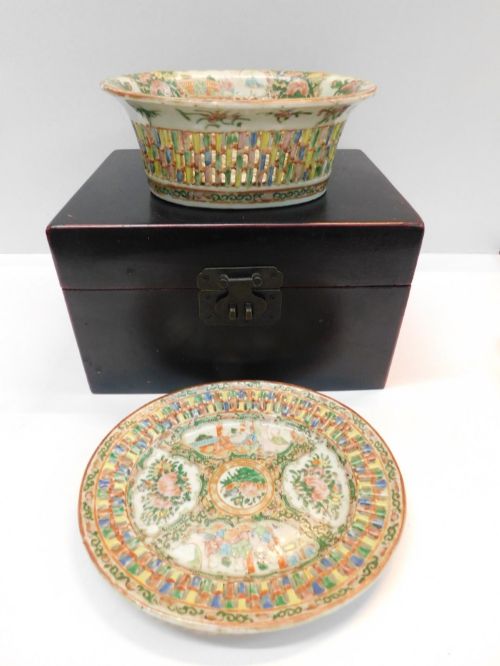
Origins vary widely across England, continental Europe, Russia, China, and Japan, bringing together distinct regional styles such as Chinese Famille Rose, Japanese Satsuma Ware, and Russian cloisonné.
How they were made
Pieces combine vitreous enamel with solid sterling silver, silver gilt, glass, and porcelain, frequently utilising gold leaf or gold gilt for surface embellishment.
Techniques range from hand-painting on porcelain and Bristol blue glass to intricate guilloche and cloisonné enamel work set into precious metal bases.
Enamelled Tableware Retail Price Guide 2026
Typical asking prices for enamelled tableware among the pieces listed under this phrase on Sellingantiques today, from the lower quarter to the upper quarter. They describe what is for sale here now, not the wider market.
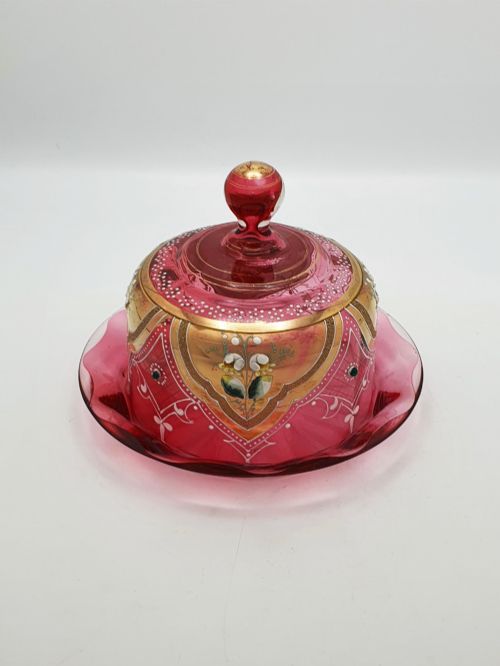
Listings feature materials including sterling silver, cranberry glass, cut glass, porcelain, and gold leaf.
What varies in quality
The distinction lies in the precision of the metalwork and the fineness of the enamel application, whether hand-painted details or intricate patterned compartments.
Material quality also dictates value, distinguishing standard glass and earthenware from solid sterling silver mountings and fine porcelain bodies.
Vasily Agafonov·David Andersen
The Enamelled Tableware Glossary
- Cloisonne
- Enamelling technique where thin metal wires are soldered to a base to form compartments filled with vitreous paste. These compartments are then fired and polished smooth.
- Guilloche
- Decorative engine-turning technique engraved into metal, visible beneath a translucent layer of coloured enamel. This creates repetitive geometric patterns that catch the light.
- Famille Rose
- Chinese porcelain palette introduced in the eighteenth century, distinguished by its dominant opaque pink enamel colours. It depicts elaborate figures, flowers, and natural scenes.
- Silver Gilt
- Silver object coated with a thin layer of gold on its surface. This finish provides the warm tone of gold while utilising a solid silver structure.
Enamelled Tableware: Frequently Asked Questions
How do I clean antique enamel?
Clean silver and enamel items gently with a soft cloth and warm soapy water, avoiding harsh chemical dips that damage the vitreous coating.
Dry the pieces thoroughly immediately after washing to protect any exposed metal surfaces from tarnishing.
Can I use these for dining?
While many items like napkin rings, spoons, and certain dishes remain functional, older porcelain and delicate silver gilt pieces are better suited for display.
Acidic foods and heavy cutlery can scratch or stain historic enamel surfaces over time.
How do I date silver enamel?
Dating relies on hallmarks stamped into the silver mountings, which indicate the assay office and year of manufacture.
Stylistic cues like guilloche patterns or Art Deco geometries also help narrow down the production era.
What is Chinese export porcelain?
Export porcelain refers to wares made in China specifically for overseas markets in Europe and the Americas during the Qing dynasty.
These pieces often combined traditional Chinese shapes and painting techniques with decorative motifs requested by Western buyers.