






Enamelled Porcelain Bowl
An enamelled porcelain bowl brings together vibrant pigments and ceramic form, offering a tangible link to centuries of skilled firing and hand painting.
Enamelled Porcelain Bowl
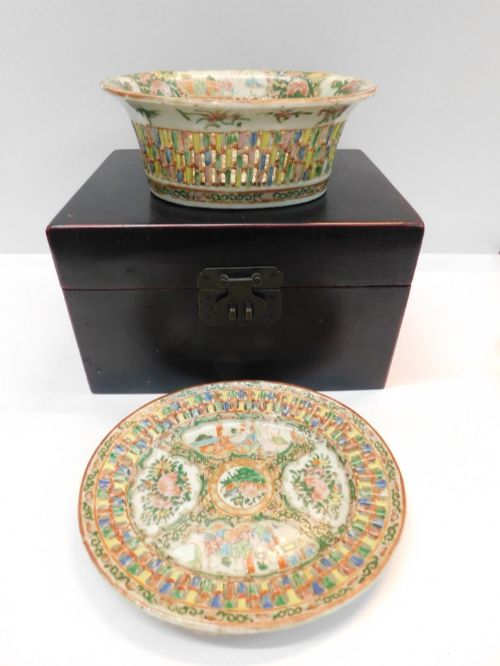
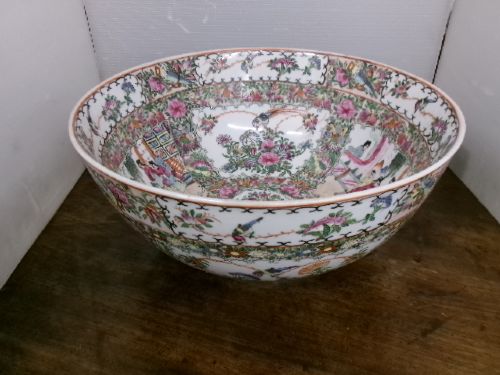
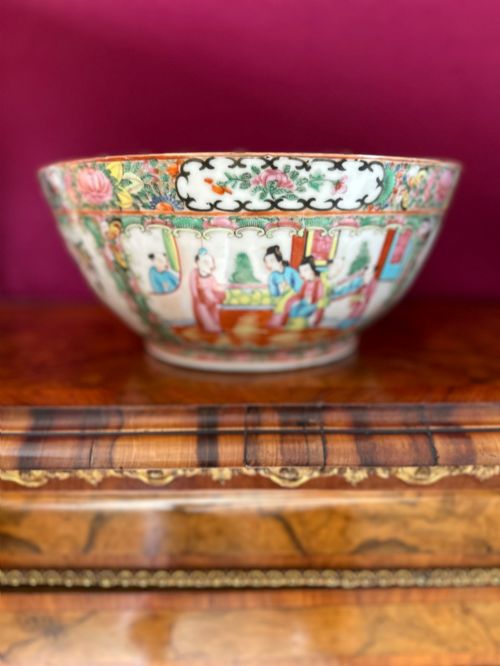
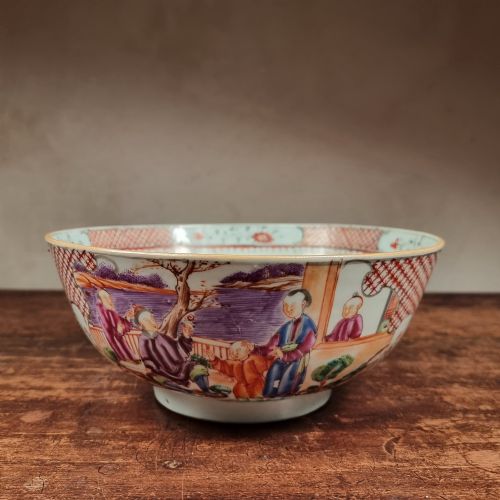
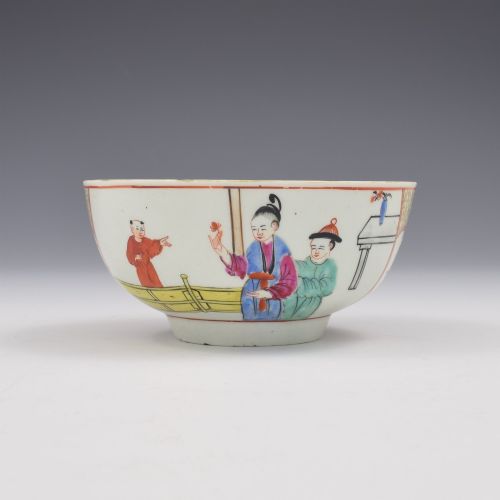
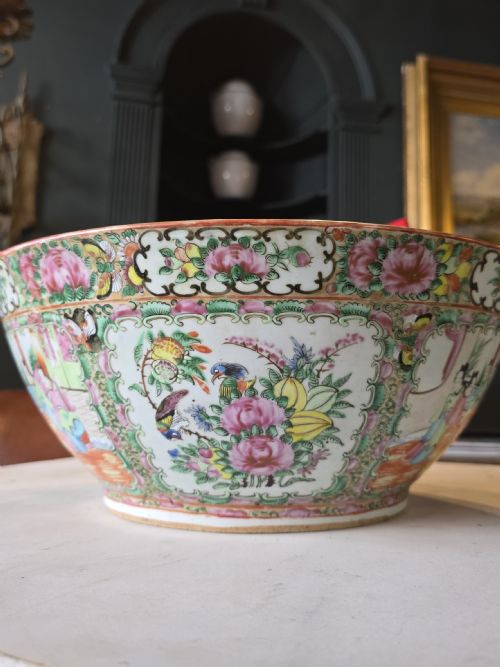
When you search for an enamelled porcelain bowl, you encounter vessels that range from large Cantonese punch bowls to delicate eighteenth-century tea bowls. These pieces served both functional dining purposes and purely decorative display roles across various global households.
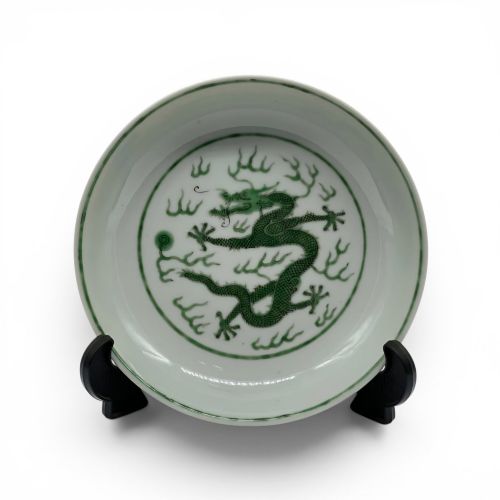
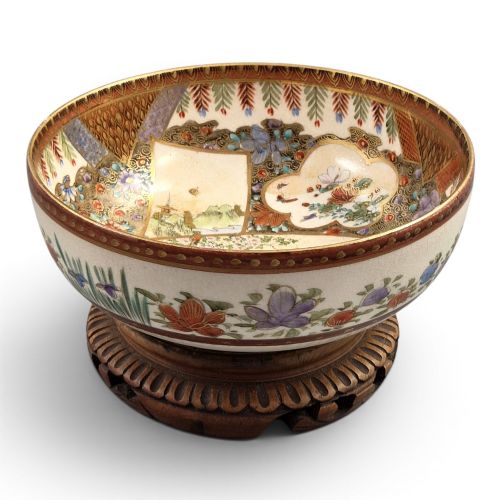
The selection here draws heavily on nineteenth-century Chinese export wares, alongside Japanese Satsuma, Imari, and European creations. The forms stretch from deep round vessels to scalloped dishes and pedestal centrepieces.
Originating largely from the Qing Dynasty and the Meiji period, these vessels showcase how potteries catered to domestic traditions and international tastes alike. Each item reflects the specific ceramic traditions of its maker and era.
How they were made
Potters shaped fine clay bodies, sometimes reaching an eggshell thinness, before applying initial cobalt or clear glazes. Firing in kilns set the structural foundation of the vessel.
Artisans applied overglaze enamel colours by hand, often incorporating gold leaf, gilt, and iron-red details. A subsequent lower-temperature firing fused these vibrant pigments to the glazed surface.
Listings feature porcelain forms spanning the 17th, 18th, and 19th centuries, incorporating enamel, gold leaf, and gilt bronze mounts.
What varies in quality
The precision and detail of the hand-painted motifs separate standard vessels from exceptional works. Fine examples display meticulous brushwork in complex scenes, whereas lesser pieces show rushed or repetitive application.
The purity of the porcelain body and the crispness of the gilt and enamel adhesion dictate the overall refinement. Well-preserved surfaces retain their original metallic lustre and bright palette without excessive rubbing.
Kozan·Dr Wall Worcester·Sevres
The Enamelled Porcelain Bowl Glossary
- Famille Rose
- A palette of opaque enamels dominated by pink or rose colours, introduced in Chinese porcelain during the Qing Dynasty. It allowed for nuanced shading and detailed floral or figural depictions.
- Imari
- A style of Japanese export porcelain featuring underglaze blue combined with overglaze red, gold, and other colours. The designs are typically dense and ornamental.
- Overglaze Enamel
- Glassy coloured pigments applied on top of an already fired and glazed ceramic surface. The piece is then fired a second time at a lower temperature to fix the decoration.
- Satsuma Ware
- Japanese pottery featuring a crackle-glaze earthenware body decorated with elaborate polychrome enamels and gilt. It gained significant popularity during the Meiji period.
- Slop Bowl
- A large bowl used during tea service to discard cold dregs or leftover tea leaves before pouring a fresh cup. They are commonly found in eighteenth-century porcelain sets.
Enamelled Porcelain Bowl: Frequently Asked Questions
Can I use these bowls for serving food?
While many historical vessels were created for functional dining or punch service, older overglaze enamels can contain trace elements. Modern food safety standards suggest limiting them to dry use or display.
Displaying them on stands or within cabinets protects the fragile painted surfaces from cutlery marks and chemical wear. Enjoy them as decorative focal points in your living space.
How do I identify the period?
Look closely at the potting style, the specific palette of the enamel, and any reign marks stamped or painted on the base. Comparing the decorative motifs to known regional styles helps narrow down the decade of manufacture.
Consulting structural traits like foot-rim finish and body weight provides further clues. Documentation from previous collections also assists in verifying the era.
What does export porcelain mean?
Export porcelain refers to ceramics manufactured specifically for overseas markets in Europe and the Americas. These items often blended traditional domestic forms with foreign decorative preferences.
Potters in China and Japan tailored their output to suit Western tastes while retaining their native techniques. This exchange created distinct hybrid designs found in many collections today.