


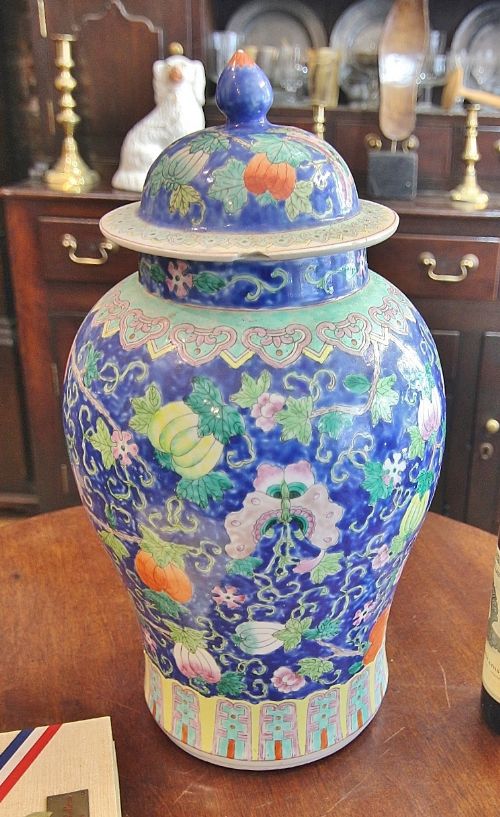
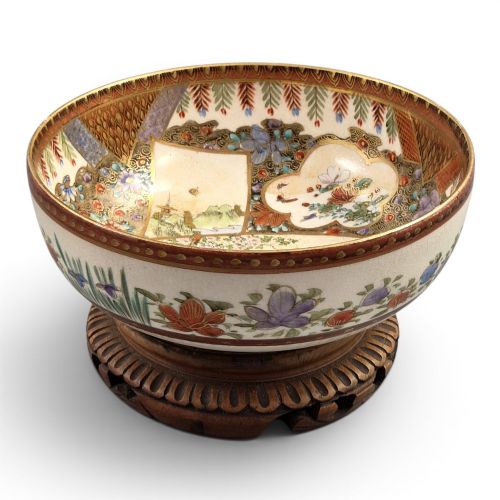

Enamelled Ceramic Vessels
Enamelled ceramic vessels bring together vibrant colour and precise firing, ranging from delicate Chinese porcelain bowls to heavy Japanese cloisonné jars.
Enamelled Ceramic Vessels
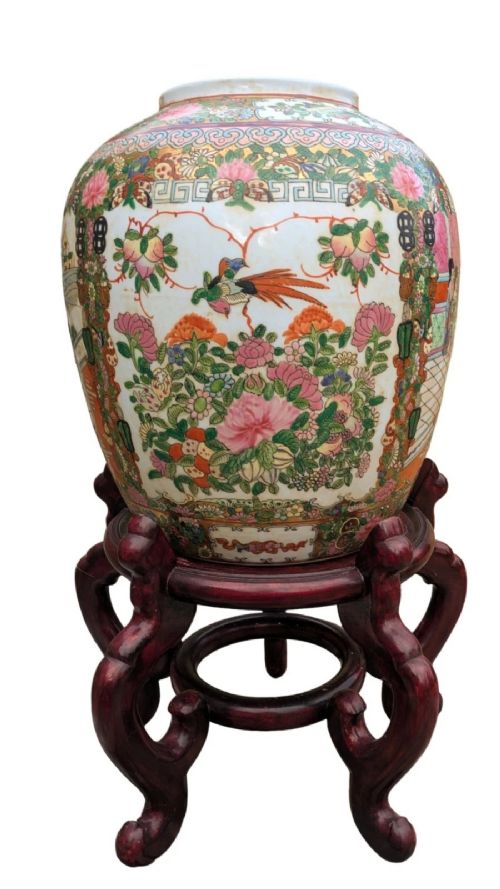
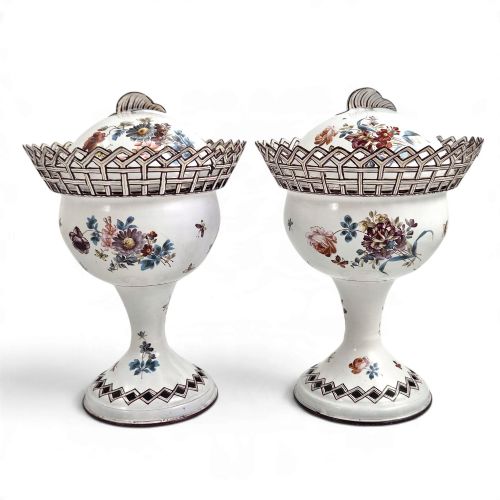
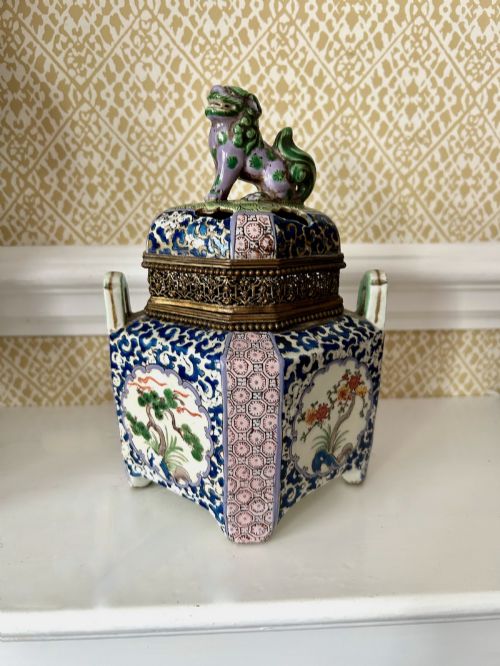
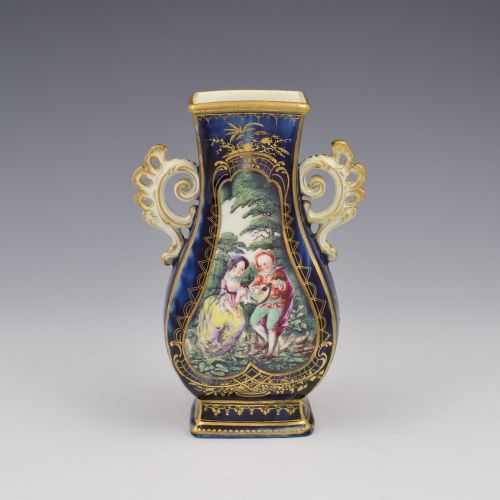
When you search for enamelled ceramic vessels, you encounter a diverse array of items designed for display, storage, or scholarly pursuits. The selections on this page span several centuries, highlighting both European porcelain and Asian ceramic traditions.
Vases, incense burners, and decorative jars form the core of the available types. You are likely to meet pieces originating from Qing Dynasty China and Meiji Period Japan, alongside European decorative art pottery.
Forms extend from diminutive scholar's water pots and snuff bottles to large centrepieces and temple urns. Each object reflects the specific aesthetic priorities of its period of manufacture, whether restrained imperial design or intricate export work.
Materials and production methods
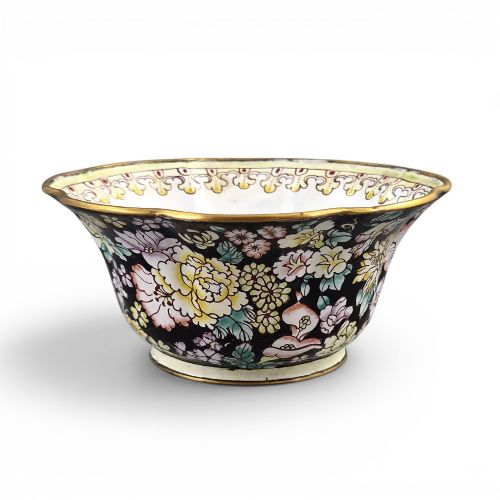
The creation of these pieces relies upon the combination of a ceramic or copper base with vitreous enamel decoration. Artisans applied finely ground glass pastes over porcelain, earthenware, or metal before firing the objects at high temperatures.
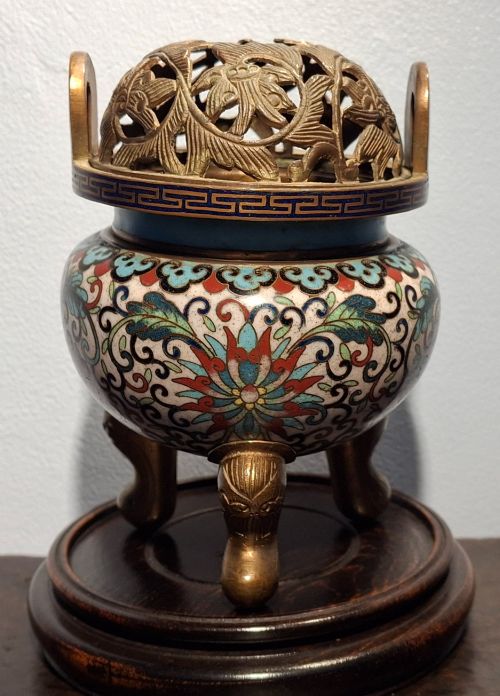
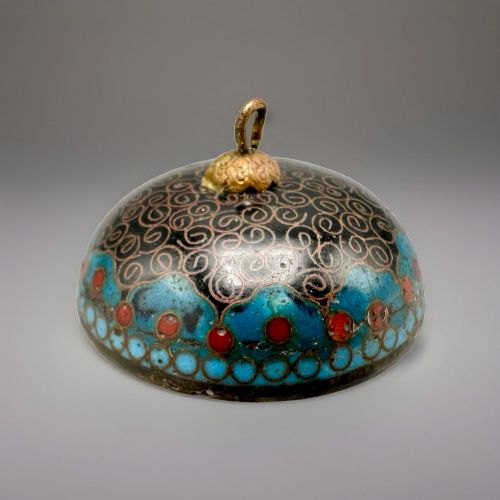
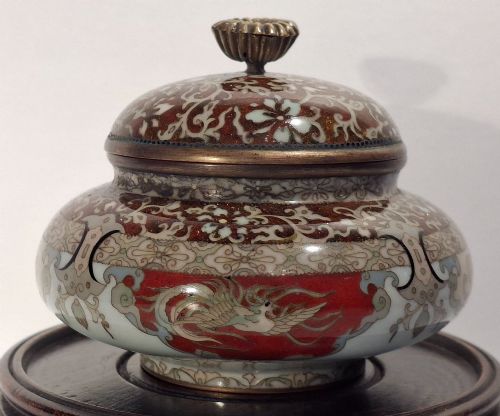
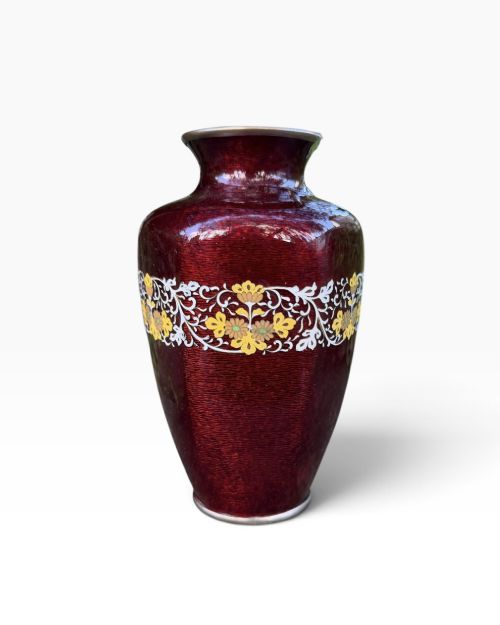
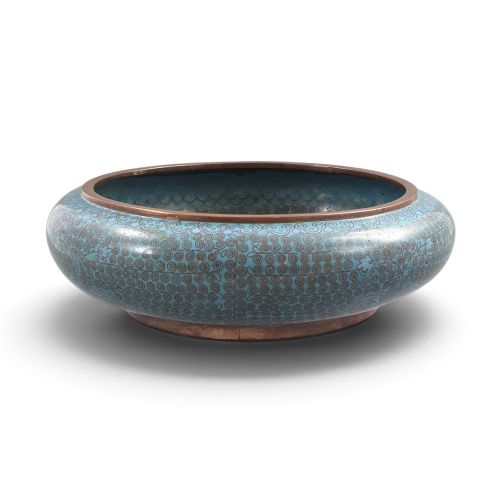
Many examples incorporate overglaze enamels, gold leaf, and bronze mounts to enrich the surface texture. Techniques such as cloisonné utilise thin metal wires to partition the enamel colours, while ginbari employs textured foil beneath transparent enamels.
Enamelled Ceramic Vessels Retail Price Guide 2026
Typical asking prices for enamelled ceramic vessels among the pieces listed under this phrase on Sellingantiques today, from the lower quarter to the upper quarter. They describe what is for sale here now, not the wider market.
The selection includes regional styles from Qing Dynasty China, the Meiji and Taisho periods of Japan, and European centres.
Assessing quality and craftsmanship
The distinction between average and superior examples lies in the precision of the brushwork and the stability of the glaze during firing. Finer pieces demonstrate strict control over polychrome enamel pigments without blurring or pooling at the edges of the design.
Depth of colour, the crispness of gilt detailing, and the complexity of the underlying body distinguish masterwork items from standard production wares. The alignment of metal wire partitions in cloisonné work further indicates the skill of the workshop.
Tsukamoto Hikokichi·Makuzu Kozan II
The Enamelled Ceramic Vessels Glossary
- Famille rose
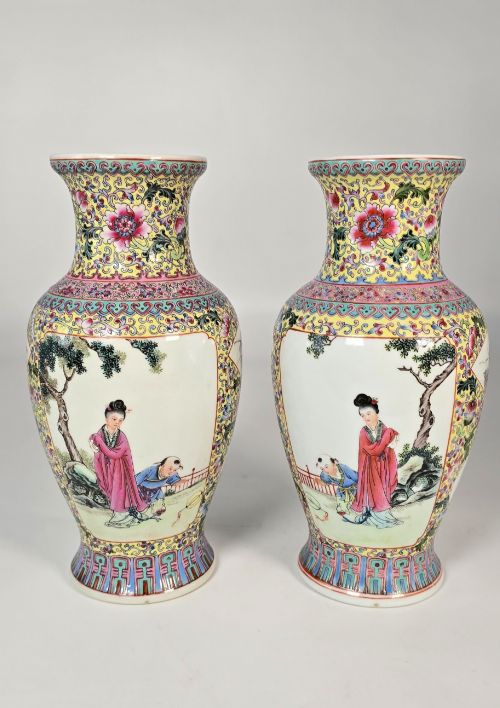
- A palette of opaque pink and other pastel enamels introduced to Chinese ceramics during the Qing Dynasty. The style allowed for subtle tonal gradations in floral and figural scenes.
- Cloisonné
- A metalwork and enamelling technique where compartments are formed by soldering flat wires to a metal base. These cells are subsequently filled with enamel paste and fired.
- Doucai
- A Chinese technique combining underglaze blue outlines with overglaze polychrome enamels. Artisans painted the contours in cobalt before the initial glaze firing, adding the coloured enamels in a secondary low-temperature kiln.
- Satsuma
- A type of Japanese earthenware featuring a crackled ivory glaze decorated with polychrome enamels and heavy gilding. Many pieces were produced specifically for export during the Meiji period.
- Totai shippo
- Japanese total-body cloisonné where the ceramic or porcelain body is removed after enamelling, leaving a translucent shell held together solely by the metal wires.
Enamelled Ceramic Vessels: Frequently Asked Questions
How do I care for antique enamelled vessels?
Keep these items away from direct sunlight and areas subject to rapid temperature fluctuations to protect the enamel surface from stress. Dust them gently with a soft, dry cloth without applying water or chemical cleaning agents.
Handle the vessels by their main bodies rather than relying on delicate applied handles, covers, or gilt mounts. Display them on stable surfaces where they will not be disturbed or knocked.
What is the difference between Chinese and Japanese styles?
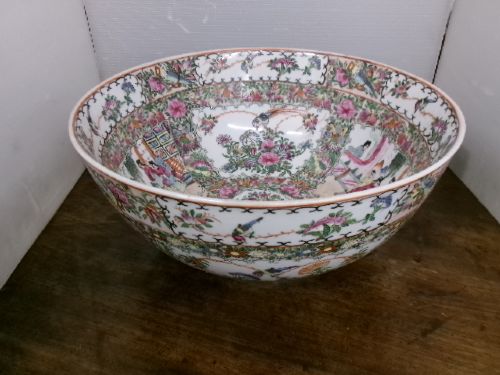
Chinese pieces often emphasise historical motifs, scholarly themes, and refined symmetrical compositions rooted in imperial traditions. The palettes frequently utilise soft rose tones or contrasting underglaze blues.
Japanese works tend toward asymmetrical naturalism, incorporating birds, flowers, and dense geometric mosaics. Artisans frequently integrated innovative metalwork techniques such as wired cloisonné and textured foils.
How can I distinguish period marks?
Imperial marks on Chinese porcelain usually indicate the reign period during which the piece was made or reference an earlier dynasty in homage. These reign marks are written in regular script or seal script on the base.
Japanese pieces from the Meiji era often bear signatures or artist seals stamped or painted into the glaze or base. Researching specific workshop signatures helps clarify the exact era of production.
Were these vessels used practically or for display?
Many forms served functional roles within domestic, religious, or scholarly settings. Incense burners, water pots, and sake ewers were actively utilised in daily rituals or writing practices.
Other large jars, urns, and decorative bowls were primarily intended as interior ornaments. Export pieces were frequently acquired by European households purely for decorative display.