


Enamelled Bronze Vessel
An enamelled bronze vessel brings together heavy metalwork and vivid glass paste, offering both decorative presence and historical craft.
Enamelled Bronze Vessel
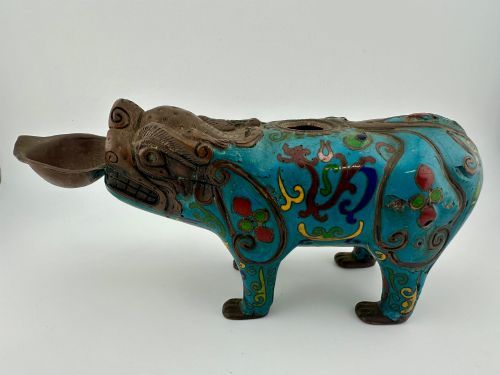
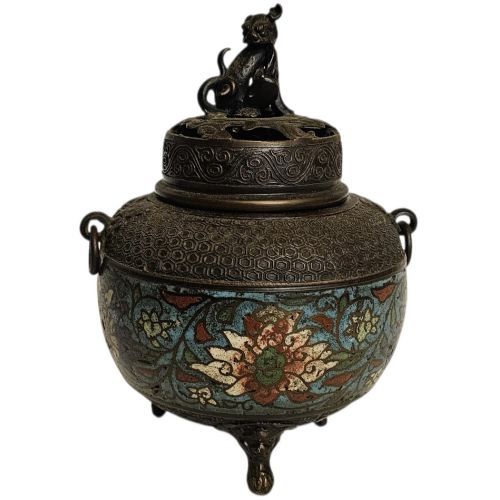
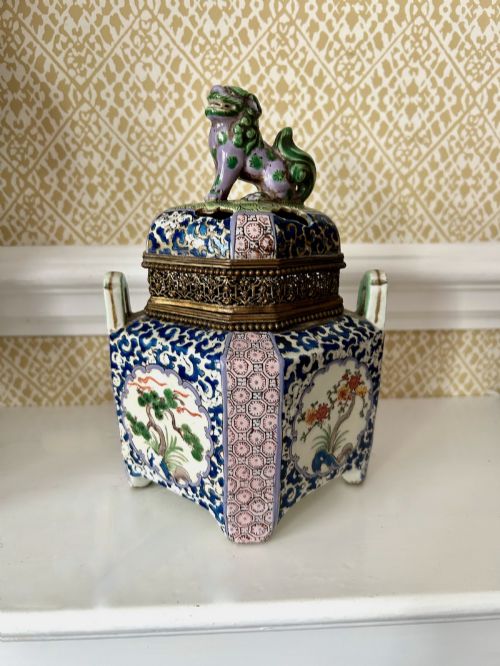
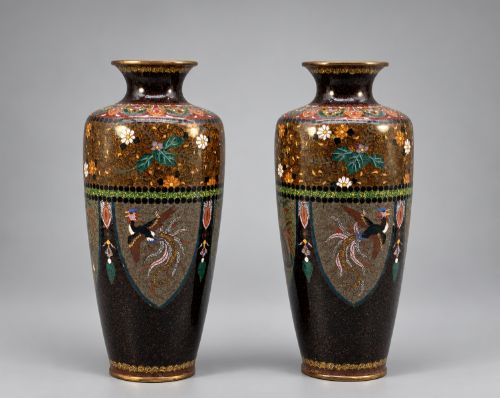
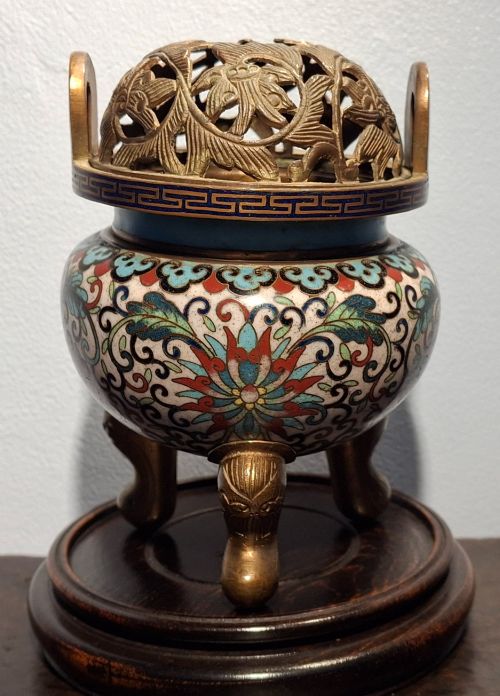
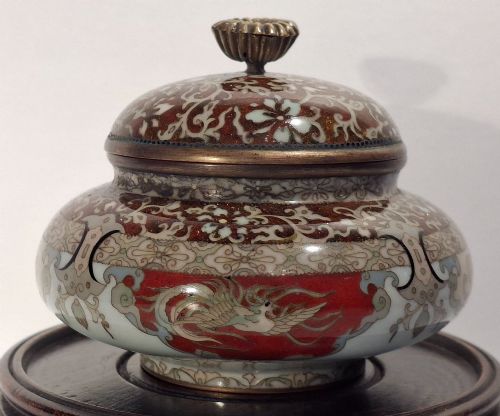
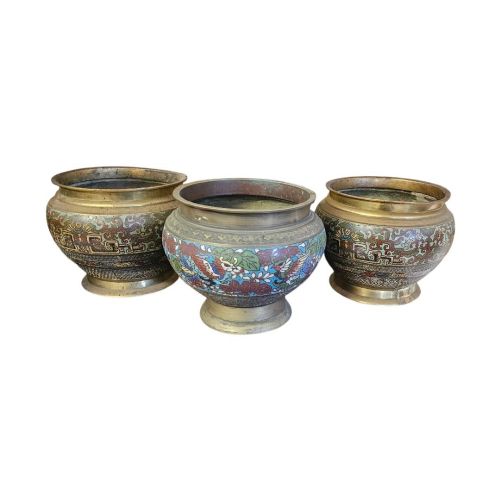
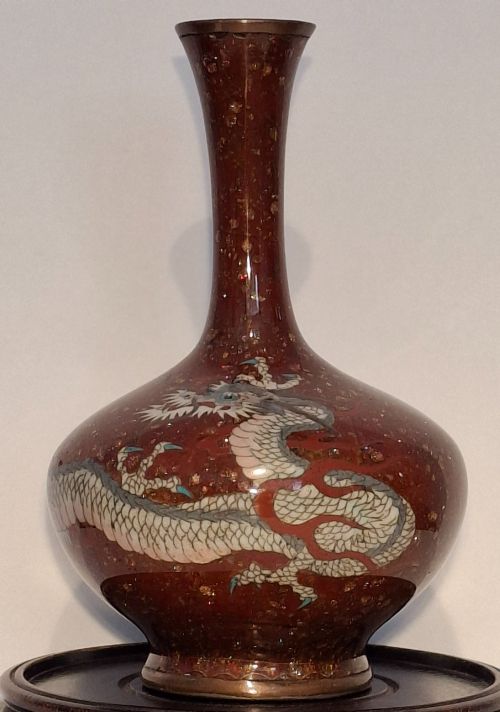
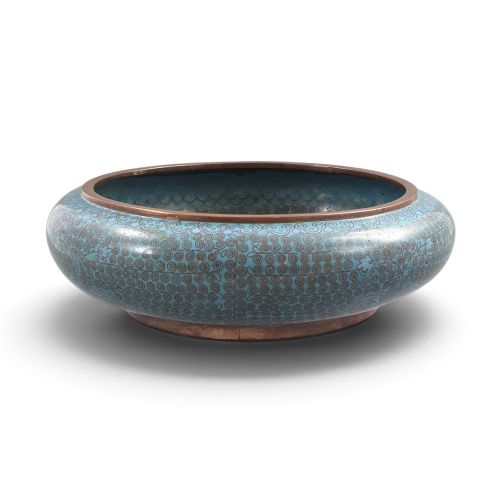
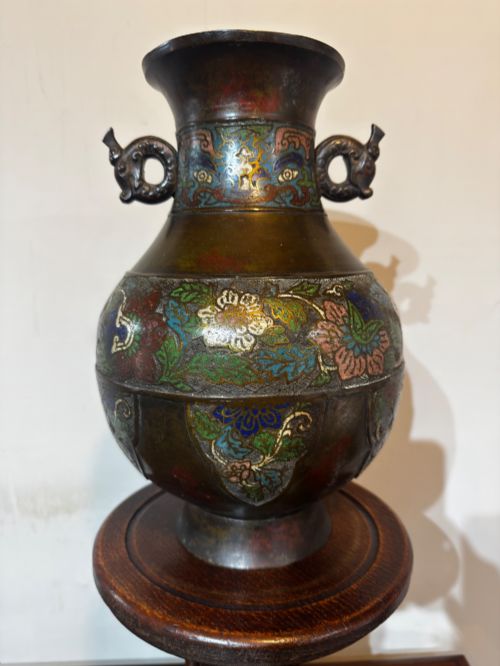
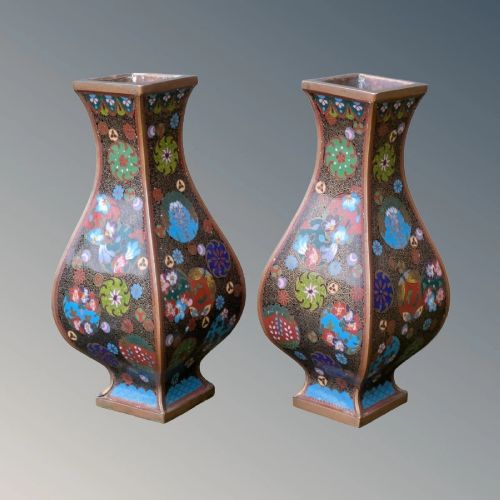
When you search for an enamelled bronze vessel, you encounter objects created primarily in East Asia and nineteenth-century Europe, spanning the nineteenth and early twentieth centuries. These pieces take forms such as vases, incense burners, jardinières, bowls, and sake kettles.
The Japanese Meiji and Edo periods and the Chinese Qing dynasty dominate the selection. Most examples combine a cast bronze body with intricate surface decoration.
Vessels range from miniature ritual pieces to large decorative jardinières and floor-standing vases. The variety reflects both utilitarian origins and dedicated cabinet display pieces.
Materials and construction
The primary structure relies on bronze, brass, or gilt bronze, shaped through casting or hammering to form the core of each vessel. Artisans then applied enamel work directly onto the metal surface using specific techniques.
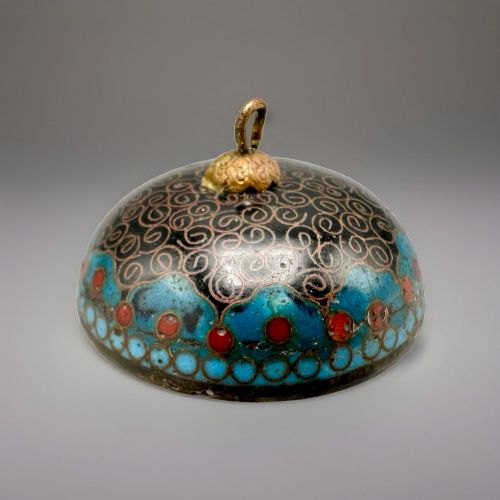
Cloisonné enamel involves soldering delicate metal wires to the bronze base to create cellular compartments, which are subsequently filled with coloured vitreous pastes and fired. Champlevé enamel differs by carving or casting troughs directly into the bronze surface to receive the enamel pigment.
Supplementary materials such as wood or cast iron occasionally appear in stands, mountings, or associated components, whilst interior gilding finishes many high-status receptacles.
Enamelled Bronze Vessel Retail Price Guide 2026
Typical asking prices for enamelled bronze vessel among the pieces listed under this phrase on Sellingantiques today, from the lower quarter to the upper quarter. They describe what is for sale here now, not the wider market.
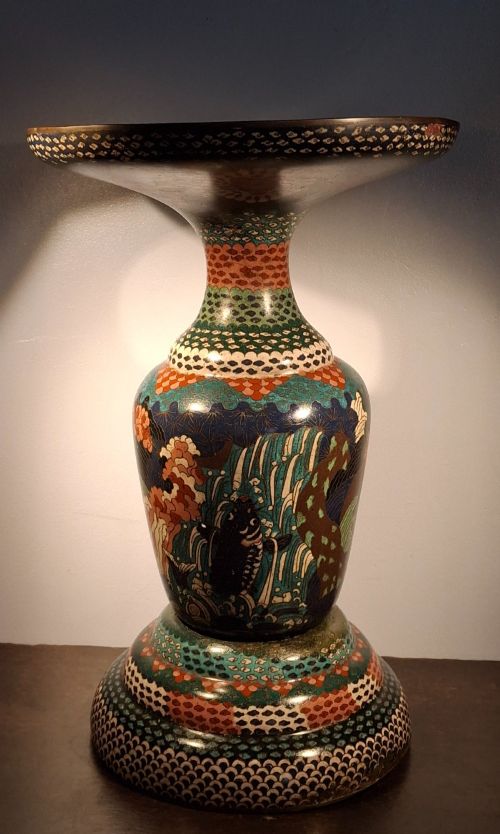
Several vessels feature leaping koi and swimming fish trapped forever in permanent glass water.
Assessing craftsmanship
Quality rests heavily on the precision of the metalwork and the control of the enamel during firing. Superior pieces display flawlessly even enamel surfaces without pitting, cracking, or uneven shrinkage within the cells.
The fineness of the wirework in cloisonné or the depth and crispness of the carving in champlevé separates standard production from exceptional work. Makers who achieved balanced compositions and harmonious colour palettes produced the most striking examples.
Tsukamoto Hikokichi
The Enamelled Bronze Vessel Glossary
- Cloisonné enamel
- A technique where thin metal wires are soldered to a metal base to form cells that hold coloured glass paste before firing. This method creates detailed patterns bounded by fine metal outlines.
- Champlevé enamel
- A process where troughs or depressions are carved or cast directly into the bronze body to hold the enamel. The surrounding metal acts as the framework for the design.
- Koro
- A traditional Japanese incense burner typically supported on three or more feet and fitted with a pierced lid. These vessels were designed for burning aromatic resins.
- Jardiniere
- A large ornamental pot or planter intended to hold growing plants or floral displays. They frequently feature heavy bronze construction to support soil and moisture.
- Sake kettle
- A metal vessel historically used for warming rice wine. Surviving examples often incorporate decorative enamel lids or handles.
Enamelled Bronze Vessel: Frequently Asked Questions
What is an enamelled bronze vessel?
These items are rigid metal receptacles formed from cast bronze, brass, or gilt metal and decorated with fused vitreous enamel. They encompass functional objects like censers and sake kettles alongside purely decorative vases and bowls.
Originating largely from nineteenth-century Japanese and Chinese workshops, they reflect centuries of metallurgical and glass-working traditions adapted for export and domestic use.
How were these vessels used historically?
Many pieces served specific ritual or domestic functions, such as burning incense in temples or scholar's rooms, holding water for calligraphy brushes, or serving beverages.
Others were created solely as decorative display items for interiors, reflecting the high status of metalwork and enamel artistry in East Asian and Victorian collections.
How do I care for an enamelled bronze vessel?
Keep the pieces away from direct sunlight and excessive moisture to protect both the metal patina and the glass enamel. Dust gently with a soft, dry cloth without applying commercial cleaners or polishes.
Avoid abrasive materials that might scratch the delicate vitreous surface or damage the fine wire outlines of cloisonné decoration.
How do I tell Japanese and Chinese pieces apart?
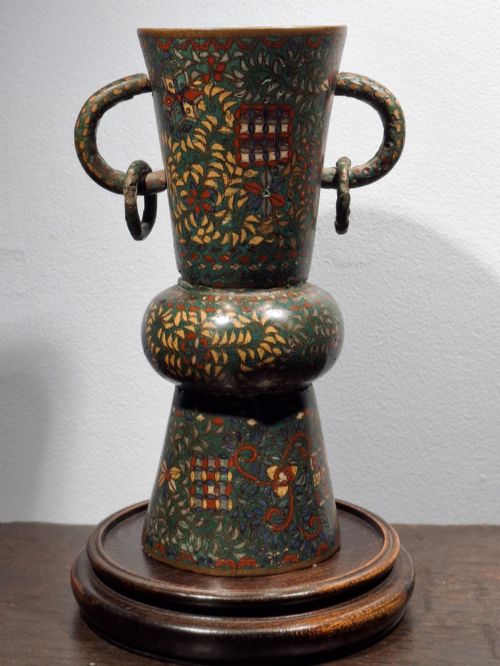
Chinese pieces often utilise champlevé techniques alongside cloisonné, frequently featuring archaic motifs, heavy cast bronze bodies, and rich navy or turquoise backgrounds. Qing dynasty items commonly draw on ancient ritual vessel shapes.
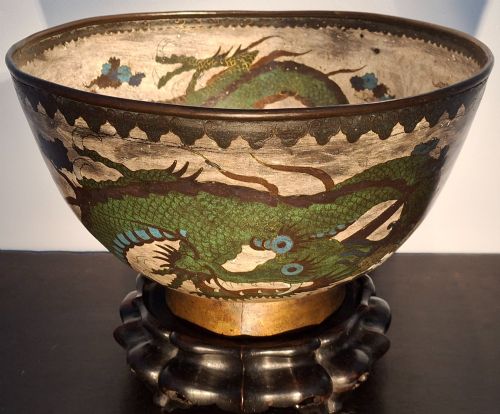
Japanese Meiji and Edo period items often display exceptionally fine, microscopic wirework, naturalistic motifs like koi, dragons, or phoenixes, and lighter, highly refined metal forms.