


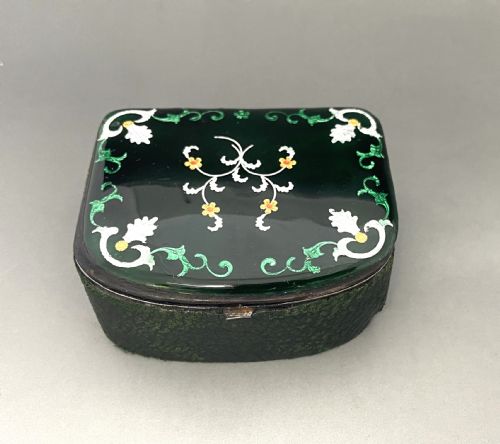
Enamel Keepsake Box
These enamel keepsake box examples span Georgian patch boxes to mid-century modern designs, offering small treasures for your dressing table.
Enamel Keepsake Box
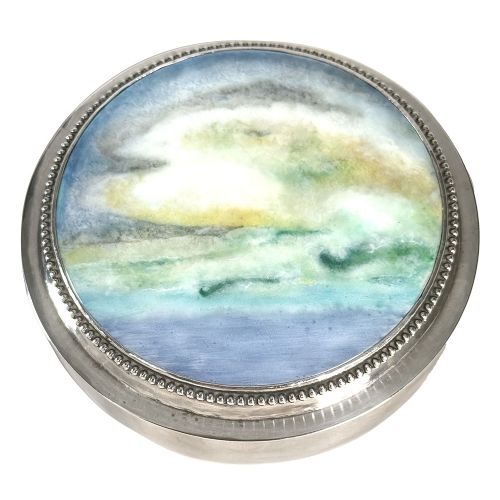
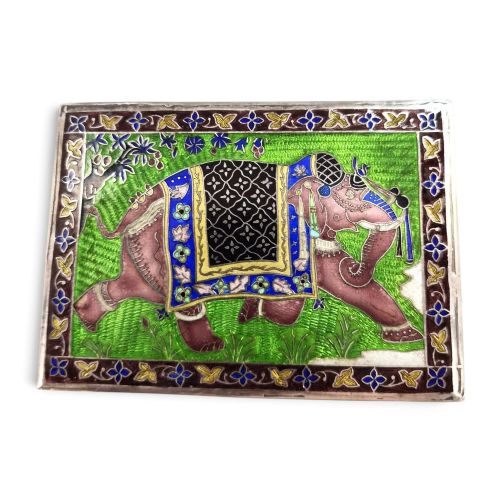
An enamel keepsake box is a small receptacle designed for holding small items like patches, trinkets, or cigarettes, created in forms ranging from patch boxes to caskets. When you search for an enamel keepsake box, you encounter pieces spanning from the eighteenth century to the mid-twentieth century, encompassing Georgian, Arts and Crafts, Art Nouveau, and Indian Colonial styles.
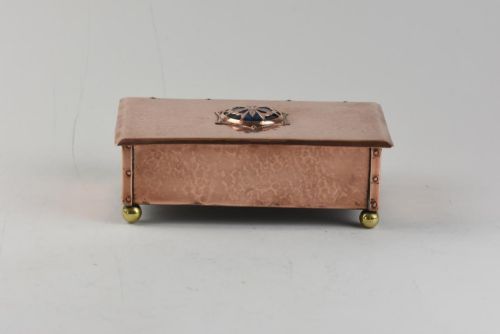
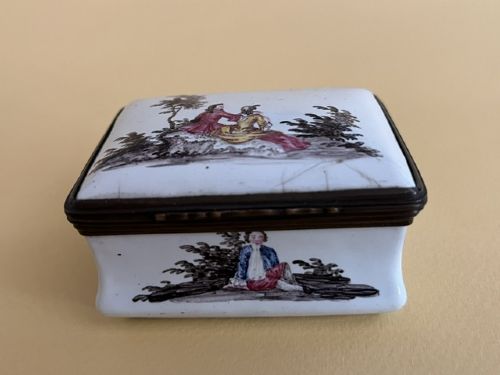
The most common examples you meet on this page are eighteenth-century patch boxes originating from Staffordshire and Bilston, alongside Arts and Crafts copper and cloisonné caskets. These utilitarian objects were made to hold beauty patches, cards, or tobacco, combining everyday function with decorative painted or mounted surfaces.
Materials and Construction
Makers fashioned these pieces using a base of copper, brass, steel, silver, or wood, upon which they fused vitreous enamel. Copper served as the primary foundation for eighteenth-century Staffordshire and Bilston pieces, while later Arts and Crafts examples utilised beaten and riveted steel or copper with mounted overlays.
Surface decoration involved cloisonné techniques, central enamel cabochons, and hand-painted topographical views like Cheltenham Wells. Silversmiths and metalworkers combined sterling silver, bronze, and wood to construct hinged caskets and trinket boxes.
The listings span from eighteenth-century Georgian patch boxes to mid-century modern designs utilising silver, wood, and copper.
Evaluating Quality and Craftsmanship
Quality rests in the precision of the metalwork, the clarity and execution of the hand-painted enamel scenes, and the integrity of the hinges and mounts. Pieces from Bilston and Staffordshire display refined miniature painting and careful copper shaping that distinguish them from simpler utilitarian containers.
The sophistication of the secondary materials, such as heavy sterling silver or riveted steel framework, elevates a piece. Makers who integrated complex cloisonné work or hand-hammered overlays achieved a level of artistry that separates standard production from exceptional examples.
S Theeman
The Enamel Keepsake Box Glossary
- Patch box
- A small container used in the eighteenth century to store cosmetic beauty patches made of silk, velvet, or leather. These boxes often featured small mirrors fitted inside the hinged lid.
- Bilston enamel
- Enamelware produced in the town of Bilston in Staffordshire during the eighteenth century. These items typically consist of enamelled copper decorated with detailed transfer prints or hand-painted scenes.
- Cloisonné
- An ancient technique for decorating metalwork objects with coloured material held in place or separated by thin metal strips welded to the base. The pieces are fired in a kiln to fuse the glass paste.
- Cabochon
- A gemstone or piece of glass polished to a convex form rather than faceted. In metalwork, it often forms a central decorative focal point mounted onto the box lid.
- Casket
- A small decorative box or chest used for holding valuables or keepsakes. They frequently incorporate more robust metal framing, locks, and hinged lids.
Enamel Keepsake Box: Frequently Asked Questions
What did people store in an enamel keepsake box?
These boxes served multiple practical purposes for storing personal items. Eighteenth-century examples typically held silk beauty patches, while later pieces accommodated trinkets, cigarettes, or calling cards.
Their compact size made them suitable for dressing tables, pocket carriage, or parlour display. Over time, their function shifted from daily utilitarian containers to decorative display objects.
How do I identify a Georgian enamel box?
Georgian pieces often feature copper bases covered in white or coloured enamel, frequently hand-painted with topographical inscriptions or floral motifs. Eighteenth-century Staffordshire and Bilston boxes display specific construction traits, including copper body frames with hinged lids.
Examining the interior reveals the untreated copper or simple lining typical of the period. Stylistic markers such as named views like Cheltenham Wells point directly to late eighteenth-century production.
What is the difference between an Arts and Crafts box and a Georgian box?
Georgian boxes rely on painted enamel surfaces over shaped copper bases, often featuring delicate floral or scenic compositions. Arts and Crafts boxes from around nineteen hundred utilise exposed structural elements like riveted steel, beaten copper, and textured cloisonné.
Arts and Crafts pieces emphasise hand-worked metal textures and integrated cabochons rather than the smooth painted enamel miniatures characteristic of the eighteenth century.
How should I care for vintage enamel keepsake boxes?
Enamel requires gentle handling because the glass surface can chip or crack under impact. Clean them using a dry or barely damp soft cloth without harsh chemical solvents or abrasive metal polishes.
Store them away from direct sunlight and extreme temperature fluctuations to protect the metal foundations and prevent the enamel from separating from the copper or silver base.