



Enamel Insect Pin
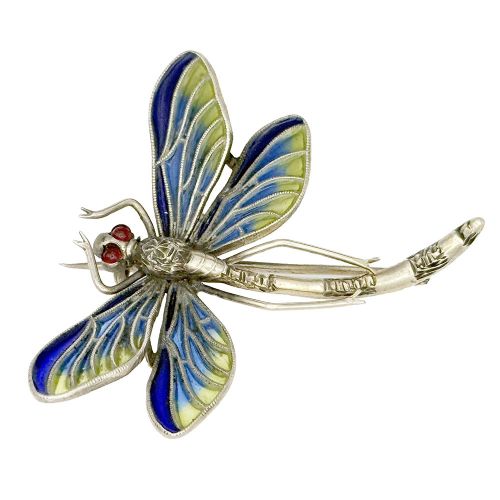
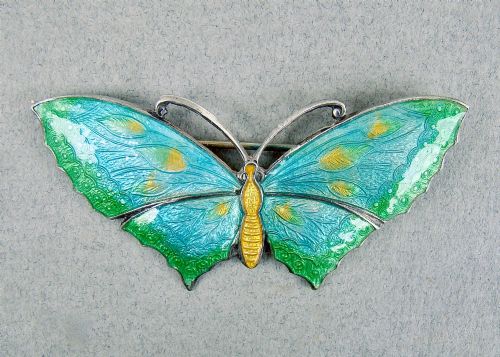
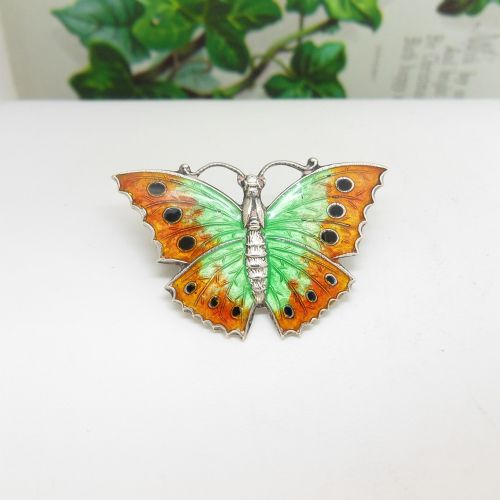
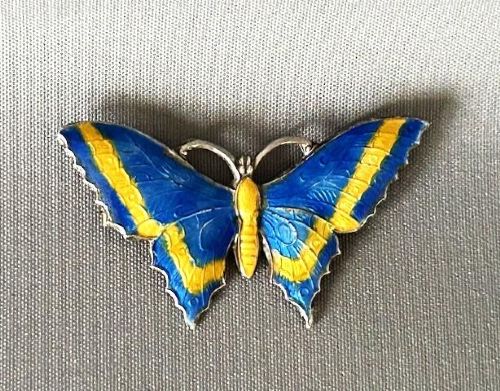
These enamel insect pin examples bring vibrant miniature wings and jewelled bodies straight from nature onto your lapel.
Enamel Insect Pin
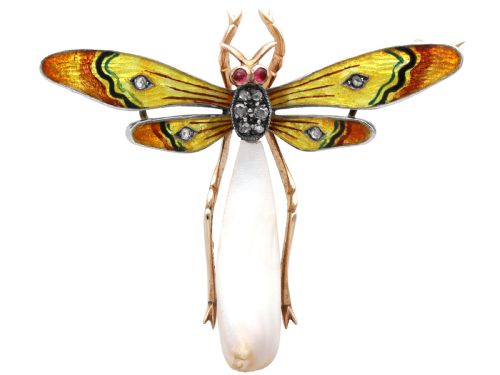
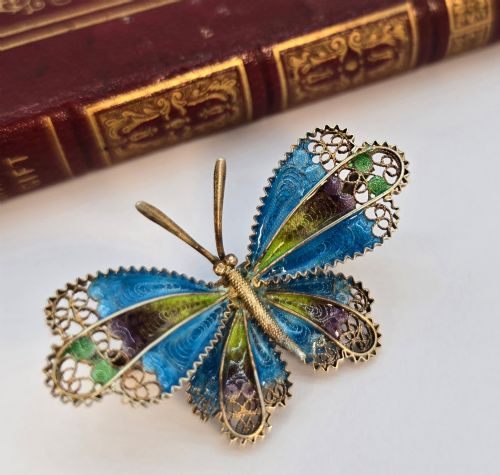
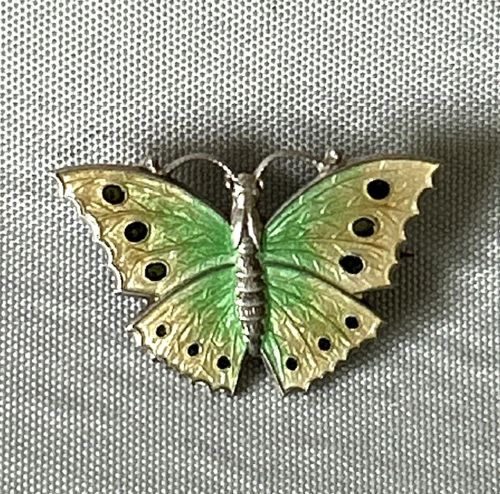
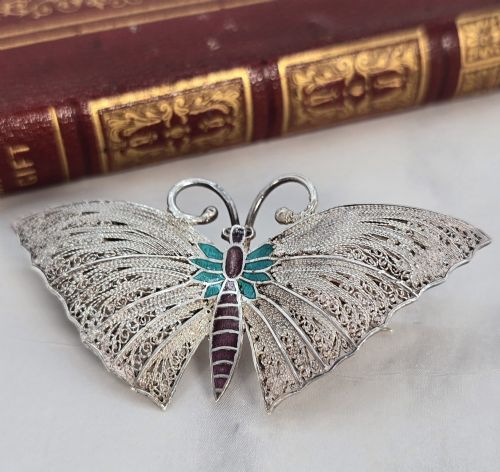
An enamel insect pin captures beetles, dragonflies, and butterflies in miniature metalwork, merging natural forms with wearable craft. When you search for an enamel insect pin, you encounter wearable creatures rendered in precious metals and vivid vitreous colours.
The pieces appearing here span several distinct eras, stretching from late Victorian creations through Art Nouveau and Art Deco periods up to mid-century examples. Butterflies and dragonflies dominate the forms, fashioned primarily as brooches and pins for daily attire.
Origins range widely across continents, featuring Chinese export works alongside continental European workshops and Scandinavian silver pieces. These diverse geographic sources bring varied aesthetic traditions to the same small insect subjects.
How they were made
Craftsmen shaped these jewels using sterling silver, silver gilt, or yellow gold as the foundational framework for each creature. Fine silver wires often outline the cells, creating intricate filigree networks to contain the coloured glass pastes.
Vitreous enamel techniques like guilloche and plique-a-jour introduce translucent or opaque colour to the wings and bodies. Guilloche involves engine-turning the metal beneath transparent enamel, while plique-a-jour leaves the enamel unbacked to catch the light like stained glass.
Gemstones such as pearls, garnets, and diamonds are frequently flush-set or claw-set into the bodies and heads to provide focal points. These sparkling additions complement the glossy sheen of the fired enamel wings.
Enamel Insect Pin Retail Price Guide 2026
Typical asking prices for enamel insect pin among the pieces listed under this phrase on Sellingantiques today, from the lower quarter to the upper quarter. They describe what is for sale here now, not the wider market.
Listings feature silver, yellow gold, pearls, garnets, and diamonds alongside multiple enamel techniques across four distinct decades.
What varies in quality
The precision of the metalwork and the complexity of the enamelling technique dictate the distinction between ordinary and exceptional pieces. Plique-a-jour and intricate guilloche demand greater technical mastery than flat opaque enamel fillings.
The integration of precious stones like diamonds and pearls alongside high-grade yellow gold or sterling silver elevates the stature of a piece. Finer examples also display meticulous attention to anatomical detail in the insect legs, antennae, and wing venation.
Meyle & Mayer
The Enamel Insect Pin Glossary
- Guilloche
- A decorative technique where a mechanical lathe engraves a precise, intricate pattern into metal beneath translucent enamel. This method creates shimmering, wave-like reflections through the coloured glass layer.
- Plique-a-jour
- An enamelling technique resembling miniature stained glass, where enamel is fired in open cells without a backing metal. It allows light to pass directly through the translucent wings of the insect.
- Silver gilt
- Sterling silver that has been coated with a thin layer of gold, giving it a warm, golden appearance. This finish was frequently utilised to contrast against cool blue or green enamel.
- Filigree
- Delicate jewellery-making technique using twisted threads of fine silver or gold soldered together in open lace-like patterns. It often forms the lightweight structural wings of butterfly and dragonfly brooches.
- Art Nouveau
- An international style of art and architecture prevalent around nineteen hundred, characterised by flowing organic curves and natural motifs. Insect subjects like dragonflies became immensely popular during this creative movement.
Enamel Insect Pin: Frequently Asked Questions
What periods do these pins cover?
The pieces span from the late Victorian era through Art Nouveau and Art Deco movements into mid-century design. You will find items dated across the late nineteenth and early twentieth centuries.
Each period imparts distinct stylistic traits, moving from naturalistic gemstone-set insects to geometric or vibrant guilloche enamel wings.
How were these brooches worn?
Victorian and twentieth-century wearers pinned these colourful insects to lapels, collars, hats, and heavy fabrics. They functioned as decorative focal points on everyday coats and evening garments alike.
Secure pin stems and safety catches ensured the delicate metalwork remained safely fastened during daily movement.
What materials make up the wings?
The wings rely primarily on vitreous enamel applied over silver or gold foundations. Techniques such as guilloche and plique-a-jour create translucent surfaces that mimic real insect wings.
Additional materials like butterfly wings occasionally appear beneath glass covers, alongside conventional metal filigree frameworks.
How do I identify Art Nouveau pieces?
Art Nouveau examples emphasise flowing, asymmetrical lines and naturalistic insect anatomy, particularly dragonflies. They frequently incorporate plique-a-jour enamel to let light illuminate the delicate wing membranes.
Earlier pieces from this aesthetic often combine yellow gold with pearls and small diamonds along the body.