


Empire Style Stand
An empire style stand brings classical proportion and gilt-metal mounts into a room, offering both sculptural presence and historical weight.
Empire Style Stand
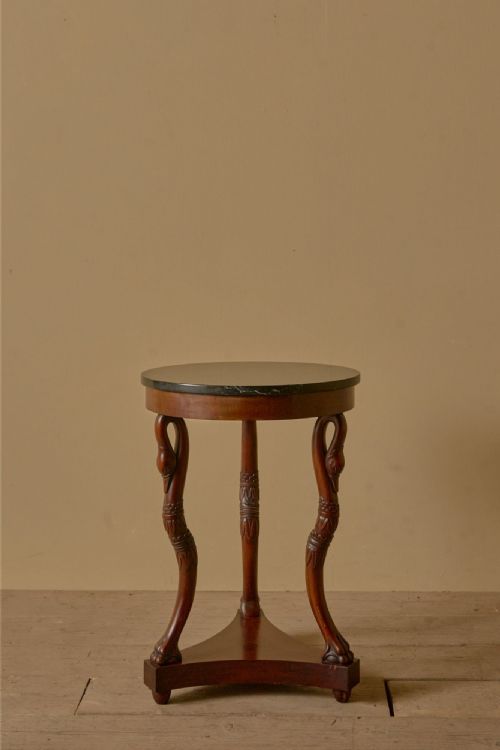
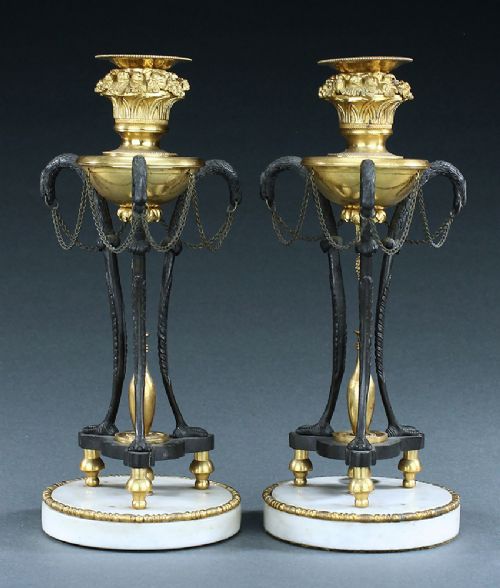
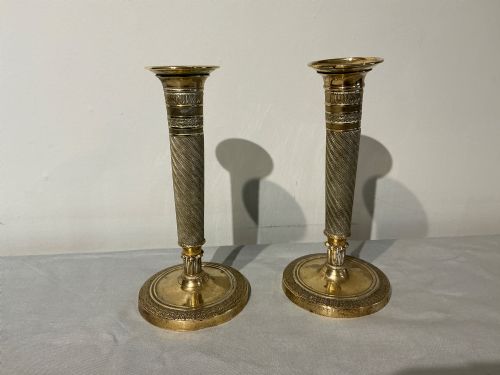
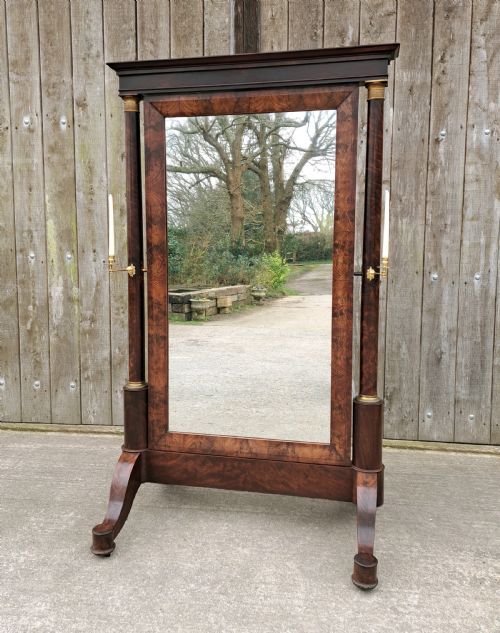
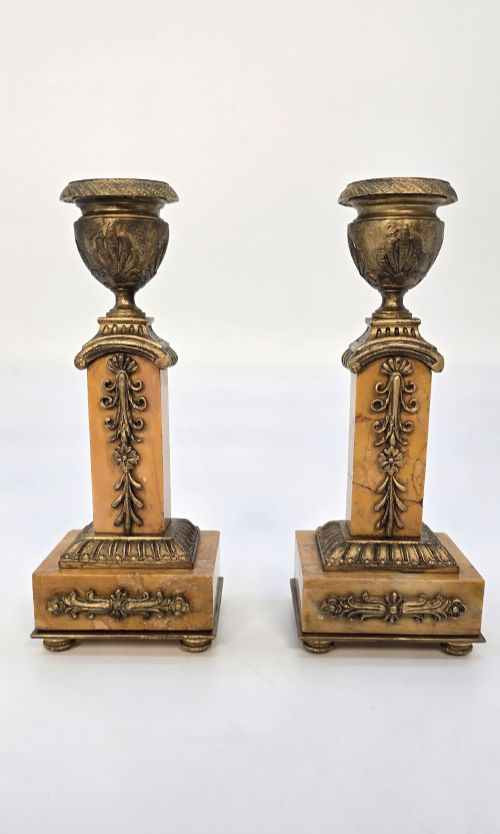
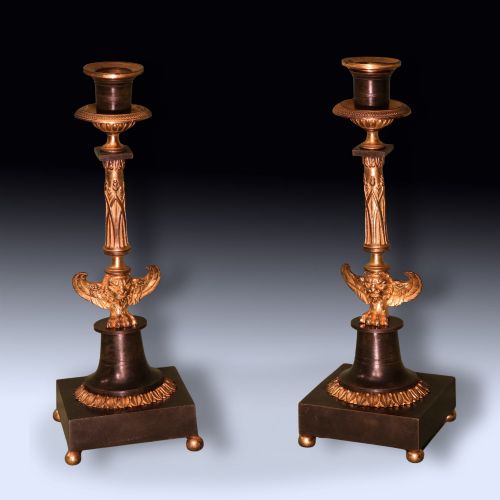
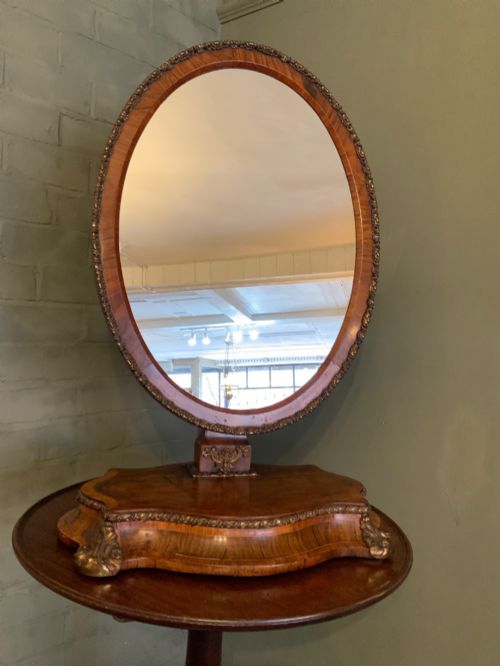
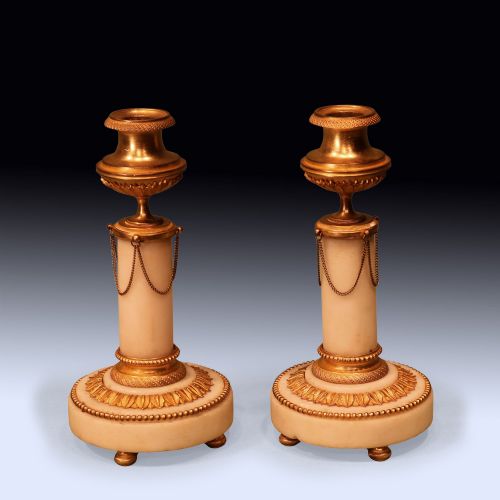
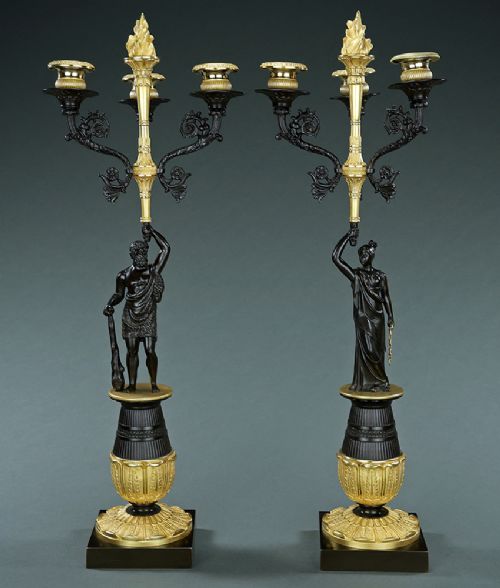
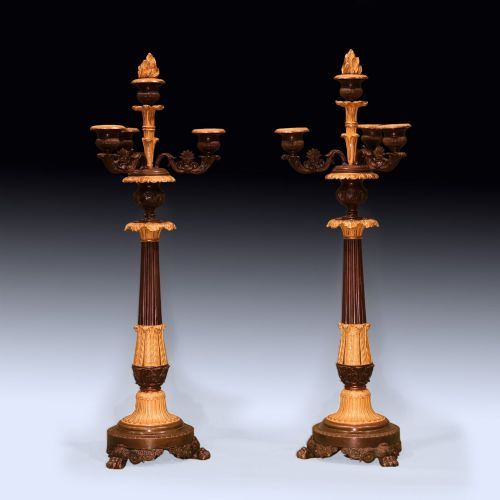
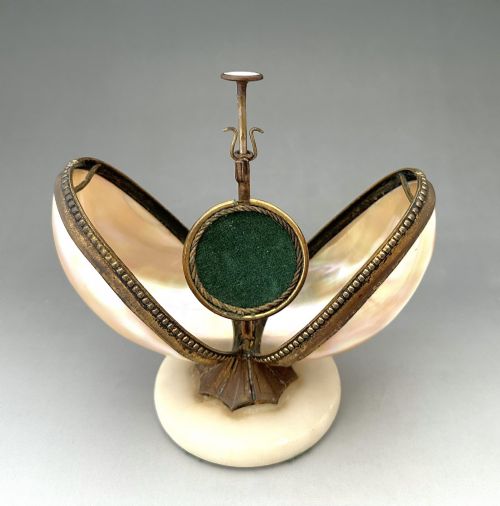
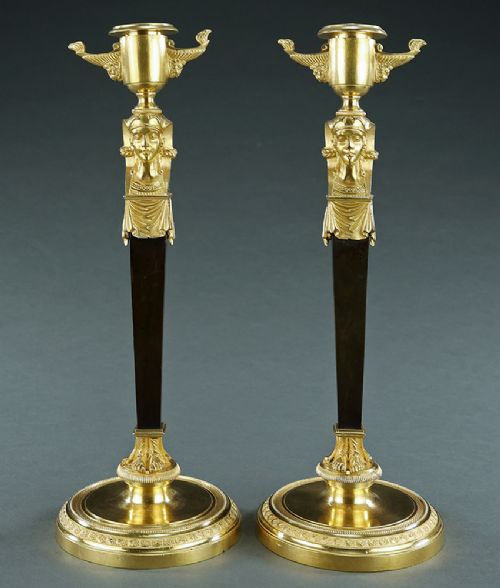
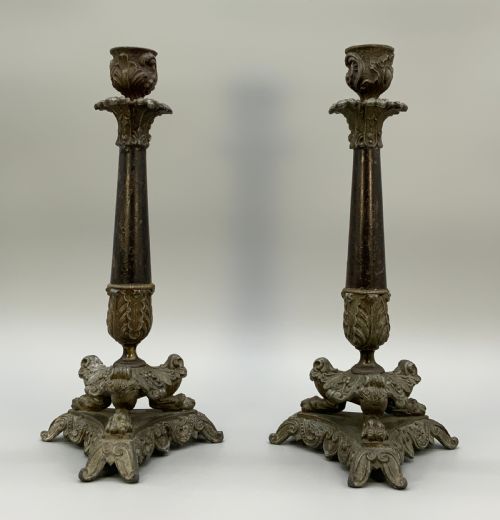
When searching for an empire style stand, buyers encounter pieces designed under French and Regency influences that span from the nineteenth century into later revival periods. The selection on this page centres primarily on lighting supports such as candelabra and candlesticks, alongside occasional side tables, pedestals, and mirrors.
Most examples originate from nineteenth-century workshops in France and England, drawing upon neoclassical vocabulary like caryatids and columnar shafts. These objects served functional roles in period interiors, supporting illumination or display surfaces while projecting architectural gravity.
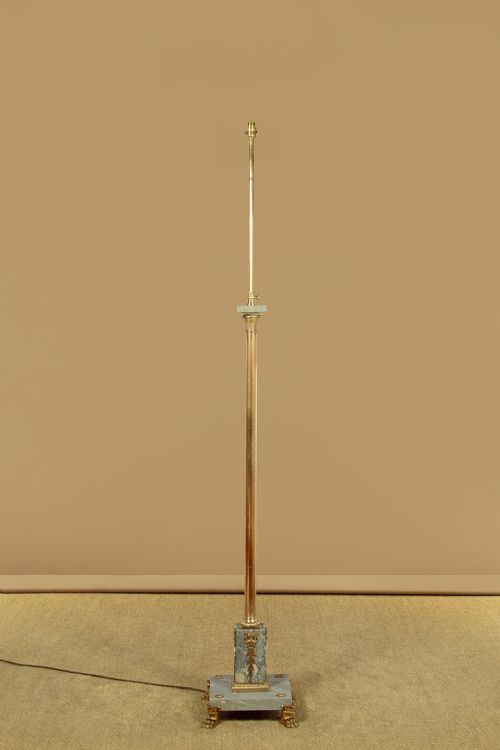
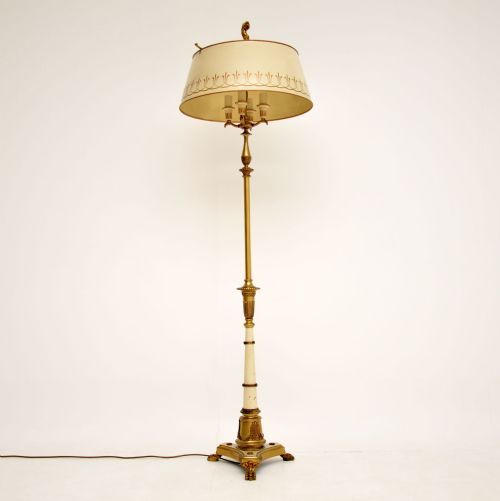
The assortment also includes floor lamps and gueridon tables from subsequent decades that maintain the characteristic geometry and decorative vocabulary of the style. Each piece demonstrates how classical motifs were adapted for domestic use across different manufacturing eras.
Materials and construction
Foundry work forms the core of these objects, utilising cast bronze, patinated bronze, and ormolu alongside structural timbers like flame mahogany and walnut. Artisans combined metal casting with stone elements such as white marble and Carrara marble to add weight and colour contrast.
Surface finish depended on mercury gilding or modern electroplating to achieve the characteristic rich lustre of gilt bronze, contrasted against dark patinated surfaces. Wood components relied on traditional joinery paired with cast metal mounts fixed by pins or screws.
Empire Style Stand Retail Price Guide 2026
Typical asking prices for empire style stand among the pieces listed under this phrase on Sellingantiques today, from the lower quarter to the upper quarter. They describe what is for sale here now, not the wider market.
Hercules once shared a candelabrum with Hesione, proving that classical mythology makes for surprisingly bright company on the sideboard.
Distinctions in standard
The refinement of the casting work separates standard production from exceptional pieces, visible in the crispness of chased details on bronze elements and the depth of the gilding. Superior examples retain sharp facial expressions on figures and clean architectural lines without softening from worn moulds.
Material selection further defines the hierarchy, where solid marble bases and heavy gauge ormolu outclass lighter cast metal alloys and painted substitutes. Cohesion in design and the original pairing of components maintain the integrity of candlesticks and candelabra.
Pierre Philippe Thomire·Christofle Paris
The Empire Style Stand Glossary
- Ormolu
- Gilded bronze produced by applying a mercury-gold amalgam to cast bronze before heating to vaporise the mercury, leaving a durable golden coating.
- Candelabra
- Branched lighting supports holding multiple candles, often featuring central shafts decorated with classical figures or foliate motifs.
- Gueridon
- A small freestanding table, frequently round, supported by a central column or three legs in the manner of antique stands.
- Caryatid
- A sculpted female figure serving as an architectural support element, frequently found on the stems of candlesticks and torchères.
- Patination
- The surface sheen and colour acquired by bronze and other metals through age, chemical treatment, or handling over many years.
Empire Style Stand: Frequently Asked Questions
How do I identify a true period piece?
Examine the construction methods, such as hand-cut screws, cast bronze rather than pressed metal, and natural wear patterns on the gilding. Period examples from the nineteenth century display weight and assembly techniques distinct from later twentieth-century reproductions.
Look closely at the chasing on bronze components, as nineteenth-century artisans hand-finished details with tools that modern replication methods rarely duplicate with identical precision.
Where were these stands placed in historic interiors?
Candelabra and candlesticks typically stood on mantelpieces, console tables, or sideboards to reflect candlelight across the room. Larger torchères and pedestals occupied corners or flanking positions beside doorways and mirrors.
Their placement was designed to maximise illumination from flickering candles by positioning them against polished wood surfaces and gilded wall mirrors.
How should I clean ormolu and bronze safely?
Dust surfaces gently with a soft, dry brush and avoid chemical polishes that strip away the original gilding or the historic patina. Moisture should be kept away from marble and wood junctions to prevent staining and warping.
Professional conservation advice is recommended if deeper cleaning becomes necessary to address accumulated grime on intricate cast metal details.
Are these candelabra suitable for daily use?
Most antique candelabra remain structurally sound for holding candles, though care is required when handling heavy bronze or marble components. Drip-catching measures prevent wax from contacting sensitive metal or stone surfaces.
Many collectors prefer to display them as sculptural works of art rather than lighting them regularly to preserve their historic condition.