


Empire Reading Lamp
An empire reading lamp brings classical dignity to a desk or table through cast bronze, polished ormolu, and adjustable toleware shades.
Empire Reading Lamp
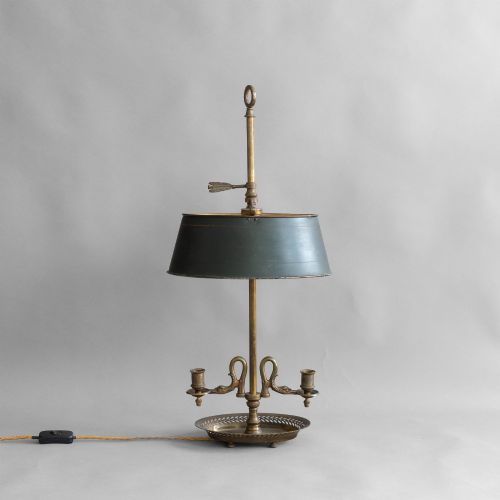
An empire reading lamp combines classical form with directional light, often taking the shape of a column, a figural base, or a multi-branch bouillotte. Buyers searching for an empire reading lamp encounter French and English pieces spanning the nineteenth century alongside later revival styles.
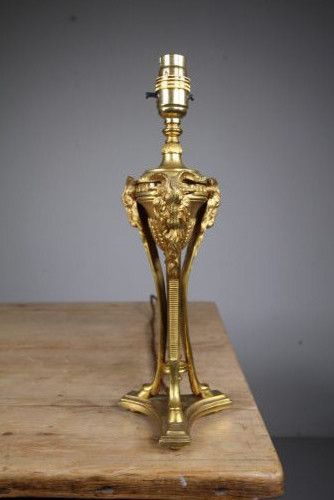
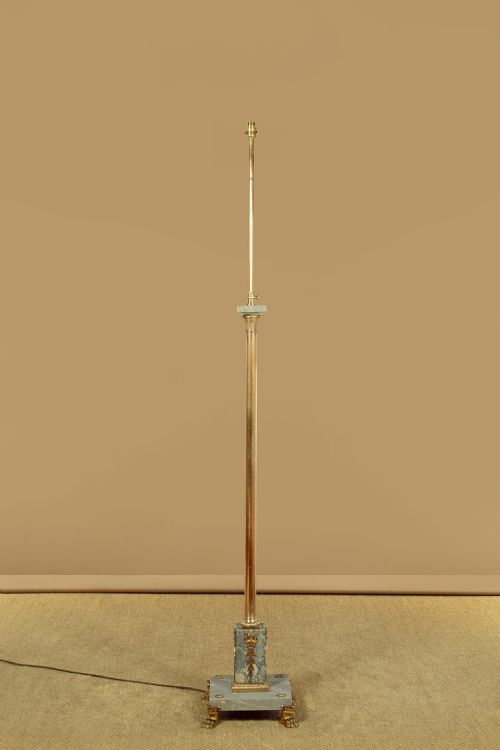
Table lamps, desk lamps, and floor lamps dominate the selection, frequently incorporating brass, marble, and painted metal. These pieces draw heavily on neoclassical design motifs, including rams heads, classical masks, and restrained foliate mounts.
How they were made
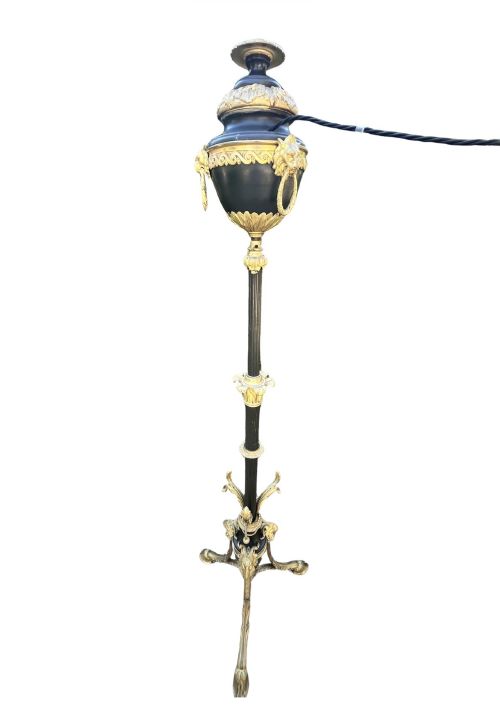
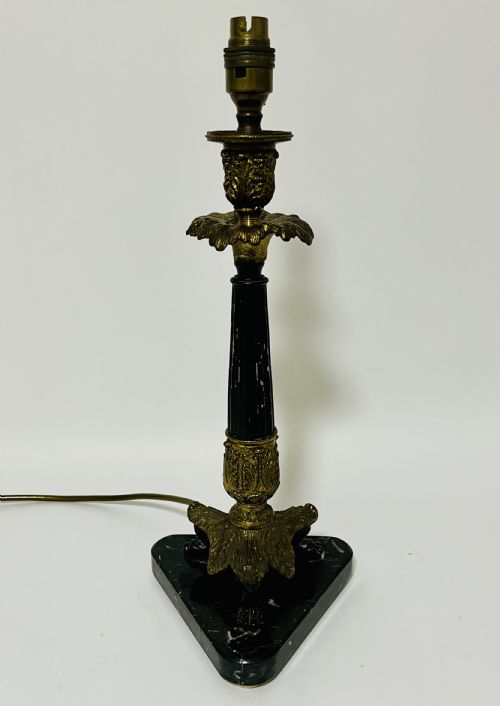
Cast bronze and patinated metal form the structural backbone of these pieces, often highlighted with gilded ormolu and bright brass accents. Marble plinths frequently anchor the heavier bases, adding substantial weight and visual contrast.
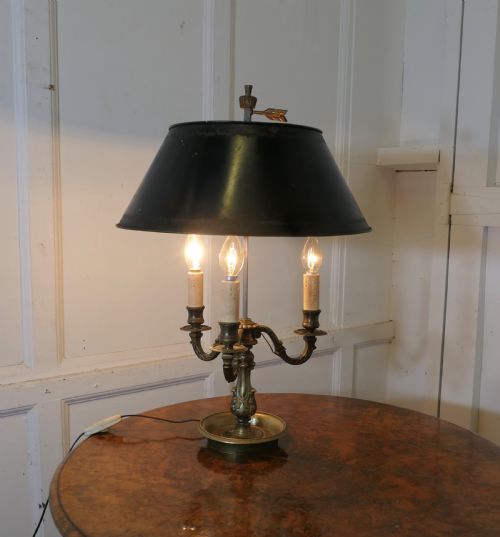
Toleware shades, painted in deep greens or dark neutrals, direct light downward for focused reading tasks. Many examples integrate adjustable mechanisms or multiple candle-style arms configured for functional desk use.
Object forms on this page include floor lamps, desk lamps, and multi-branch table lamps in classical styles.
What varies in quality
The integrity of the original materials, such as untouched patination on the bronze and genuine marble bases, determines the overall character. Integrated adjustments and balanced proportions indicate thoughtful design during manufacture.
Dugourc·Messenger
The Empire Reading Lamp Glossary
- Ormolu
- Gilded bronze produced through a mercury amalgamation process that leaves a durable, rich golden surface. It provides metallic contrast against dark patinated bronze.
- Bouillotte lamp
- A shaded desk or table lamp featuring multiple candle arms and an adjustable metal shade. Originally designed for the card game of the same name.
- Toleware
- Lacquered and painted sheet metal, commonly utilised for lamp shades in dark green or black. It provides a durable reflector that shields the eyes from glare.
- Neoclassical
- A style drawing inspiration from the classical art and architecture of ancient Greece and Rome. It favours symmetry, columns, and restrained classical ornamentation.
- Patinated bronze
- Bronze that has developed a darkened surface sheen through age or chemical treatment. This finish highlights bright metal mounts and gilt highlights.
Empire Reading Lamp: Frequently Asked Questions
What is a bouillotte lamp?
A bouillotte lamp is a traditional form featuring a central shaft, two or more candle arms, and a sliding toleware shade. The adjustable shade allows the user to lower or raise the light level over a desk.
Originally created for card players in eighteenth century France, these lamps transitioned into functional desk lighting for reading and writing.
How do I date an empire reading lamp?
Dating relies on examining the casting techniques, the style of the mounts, and the materials used in the base. Nineteenth century pieces often exhibit hand-chased bronze work and heavy marble plinths.
Revival pieces from later decades imitate these earlier neoclassical forms but may reveal different assembly methods or modern wiring components upon closer inspection.
Are these lamps suitable for daily desk use?
These lamps function effectively on a desk or table, particularly models with adjustable shades that direct light downward. Many antique lamps have been safely rewired for modern domestic electrical standards.
Placing them on a sturdy surface ensures stability, especially for taller floor lamps or heavier bronze and marble table designs.
What materials are typical for these pieces?
Bronze and brass form the primary structural elements, frequently paired with gilded ormolu and marble bases. Toleware shades add a contrasting painted metal element to direct the light output.
Crystal drops and fabric components also appear on certain desk and table variations, depending on the specific period and design influence.