
Classical Desk Light
A classical desk light brings architectural proportion and a warm metallic glow to a workspace, drawing on centuries of neoclassical design.
Classical Desk Light
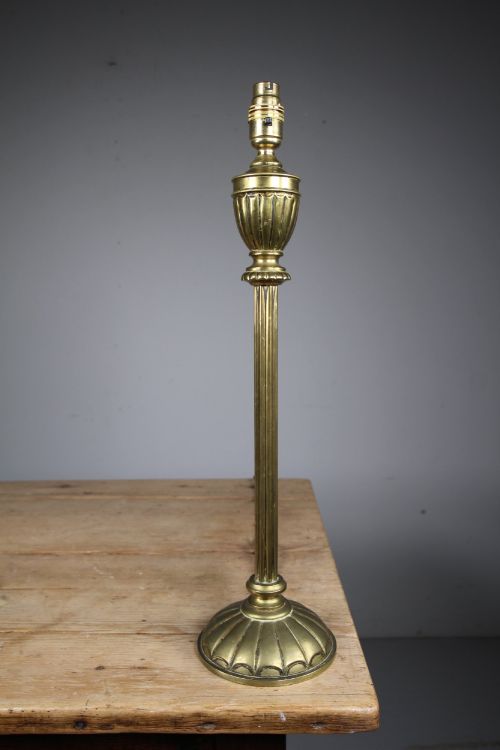
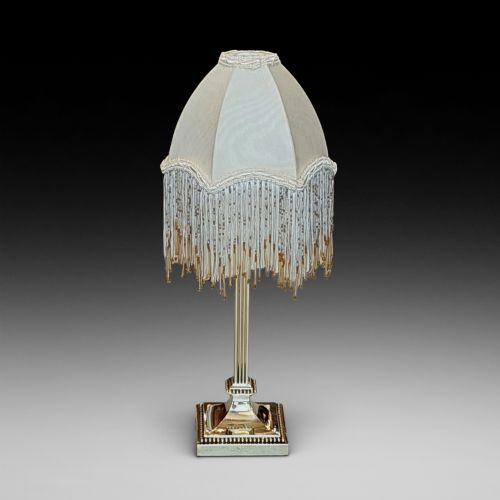
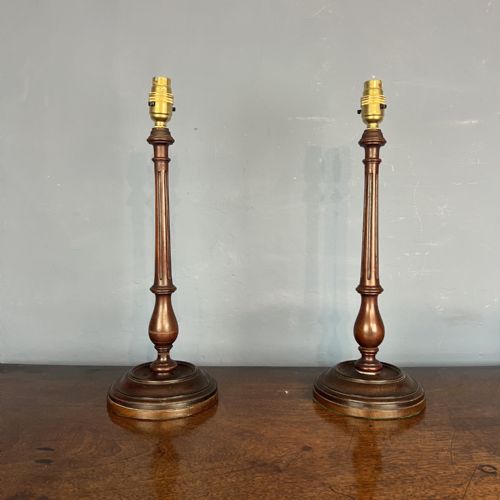
Buyers seeking a classical desk light will find numerous examples of table lamps, oil lamps, and candlesticks adapted for modern illumination. The selection relies heavily on nineteenth-century and early twentieth-century pieces spanning the Victorian and Edwardian eras.
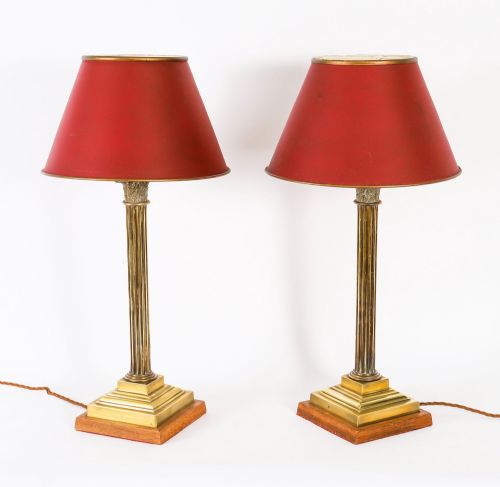
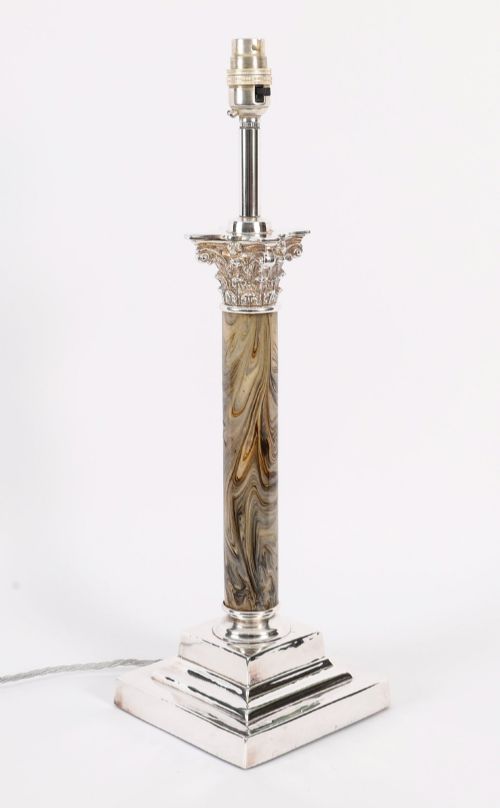
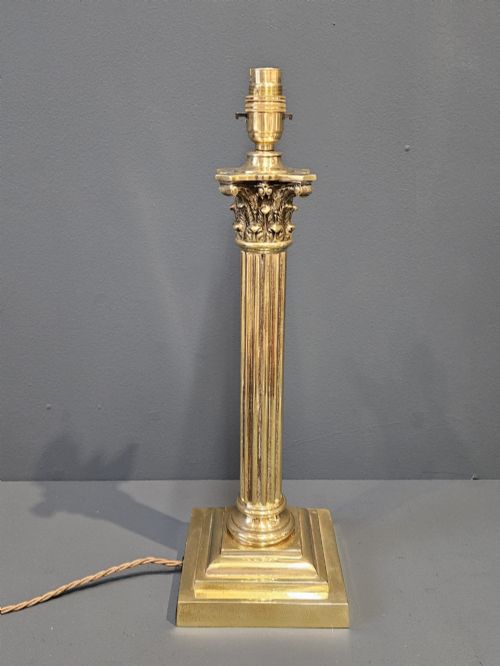
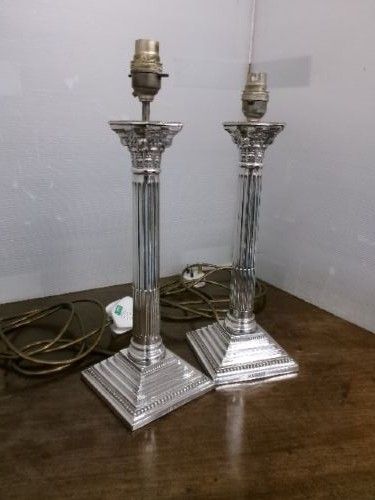
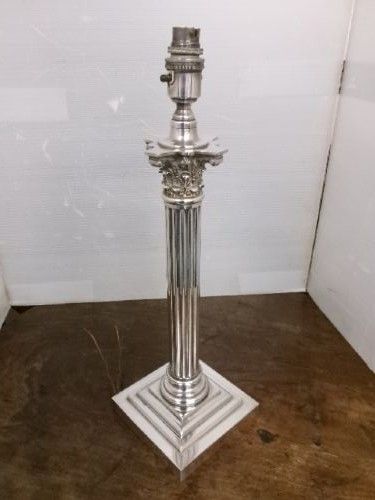
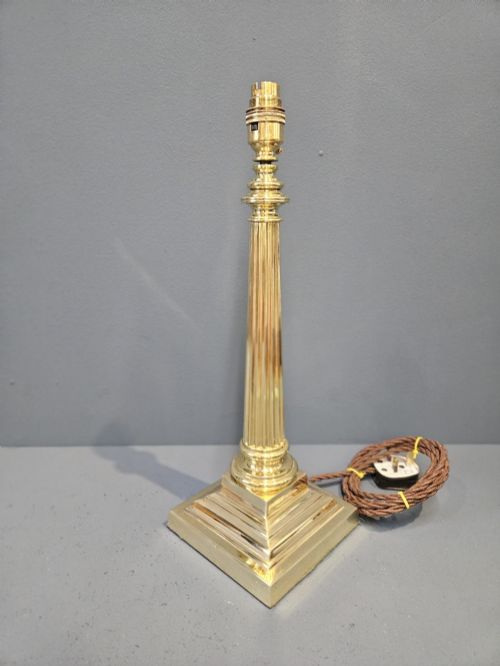
The most common form on this page is the Corinthian column table lamp, executed in brass, silver plate, or bronze. These architectural pieces draw directly from Neoclassical and French Neoclassical design traditions.
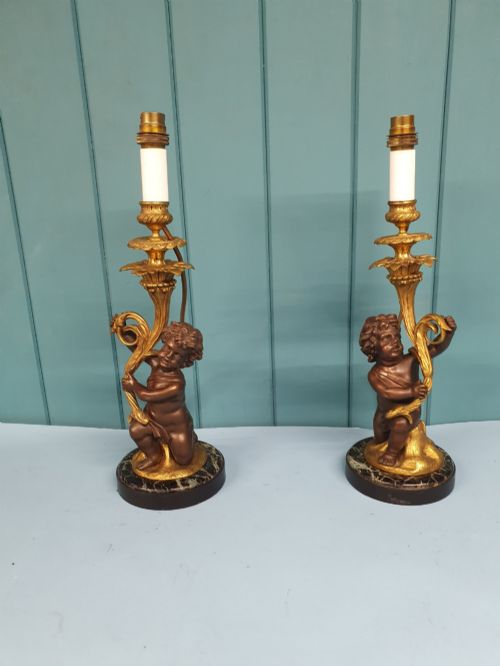
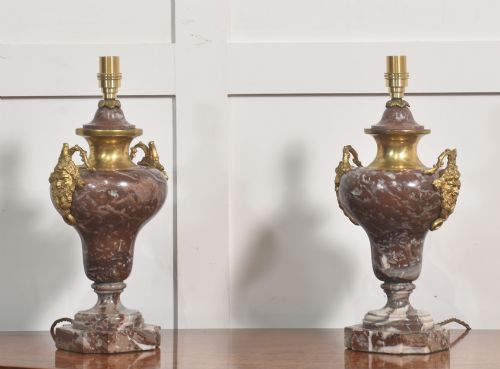
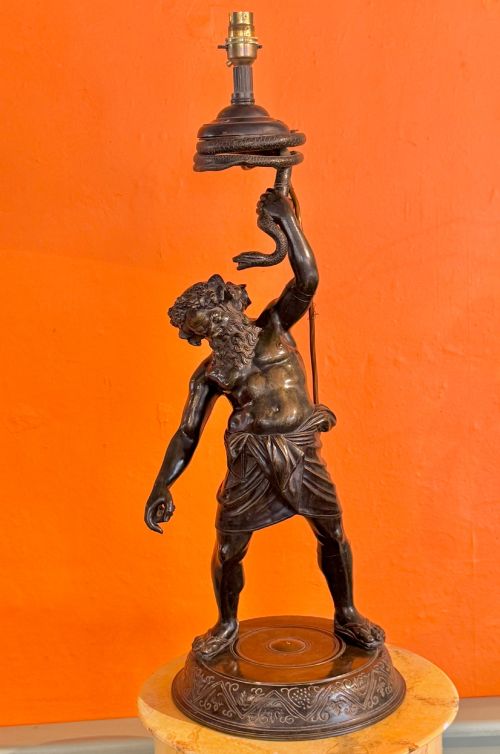
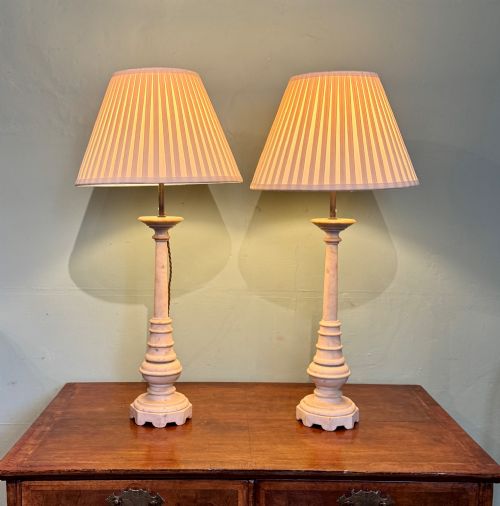
Beyond standard columns, the inventory includes French rouge marble urns, patinated bronze figures of cherubs, and alabaster bodies trimmed with gilt bronze. Many examples reflect the Grand Tour influence or French revival styles.
Materials and construction
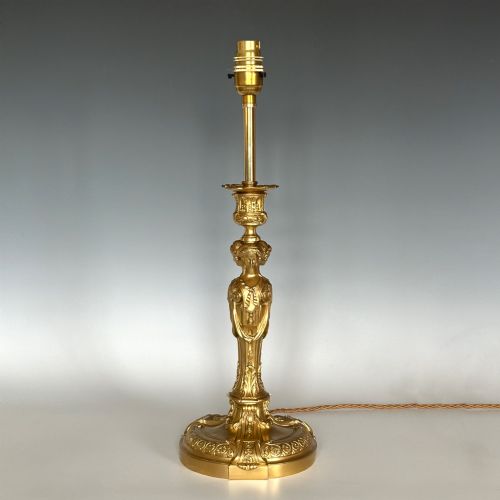
Metalworking dominates these pieces, utilising cast brass, gilt bronze, silver plate, and ormolu to create structured columns and decorative bases. Founders shaped these metals through detailed casting and chased surface work.
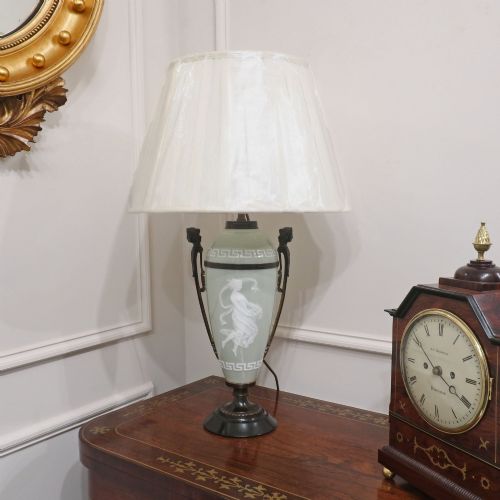
Natural stone and ceramic elements frequently appear alongside metal components, including white and rouge marble, onyx, alabaster, and pate sur pate porcelain. These materials provide substantial weight and contrasting textures to the metallic mounts.
The listings feature brass, bronze, marble, and alabaster across Victorian and Edwardian periods.
Markers of distinction
Quality rests in the crispness of the casting and the weight of the materials used in the construction. Finer examples display deeply undercut foliage on Corinthian capitals and precisely chased mounts rather than soft, blurred surface details.
The choice of secondary materials also separates standard production from superior work. Genuine marble, heavy gauge brass, and original patinated bronze indicate higher craftsmanship than lighter substitute alloys.
G. Amodio·L & F Moreau
The Classical Desk Light Glossary
- Corinthian column
- A classical architectural order featuring an ornate capital decorated with acanthus leaves. This motif is frequently adapted for nineteenth-century metal lamp standards.
- Ormolu
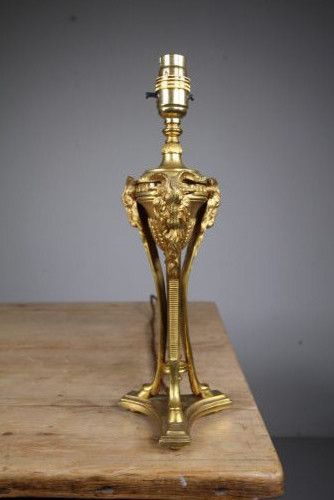
- Finely ground high-carat gold applied to a bronze base using a mercury amalgamation technique. It produces a rich golden finish seen on French neoclassical mounts.
- Pate sur pate
- A ceramic decorating technique where liquid white clay is painted layer upon layer onto a darker body. This builds a low relief cameo effect.
- Grand Tour
- A cultural journey undertaken by nineteenth-century elites who acquired classical bronzes and antiquities as souvenirs. These objects often found new life as luxury lamps.
Classical Desk Light: Frequently Asked Questions
What periods do these lamps come from?
The pieces span the nineteenth and early twentieth centuries, encompassing Victorian, Edwardian, and various neoclassical revival movements.
Production dates cluster around the eighteen-eighties through the nineteen-twenties, reflecting popular historicism of those decades.
Were these always electric lamps?
Many examples began life as oil lamps, candlesticks, or decorative urns before undergoing conversion for modern electrical use.
This adaptation allows antique bases to function safely with contemporary wiring while retaining their original historic character.
How do I identify French neoclassical styles?
French neoclassical pieces often incorporate ormolu mounts, rouge marble, and refined architectural proportions derived from Louis XVI design.
Details such as rams heads, urn shapes, and patinated bronze cherubs point directly to these continental workshops.
Are marble and alabaster heavy?
Natural stone and alabaster components provide substantial weight that anchors the lamp firmly to a desk or table surface.
This heft ensures stability, particularly when supporting taller shades or broader metal structures.