



Emerald Cut Gemstone Ring
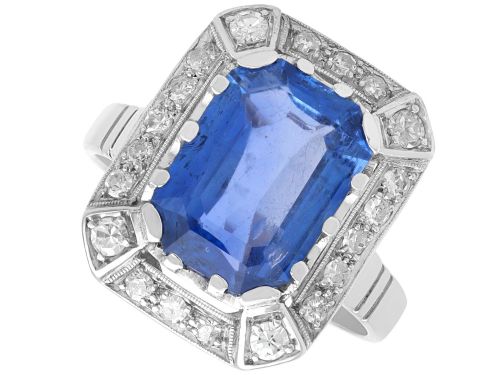
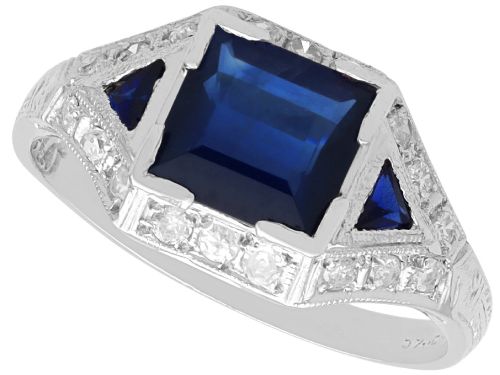
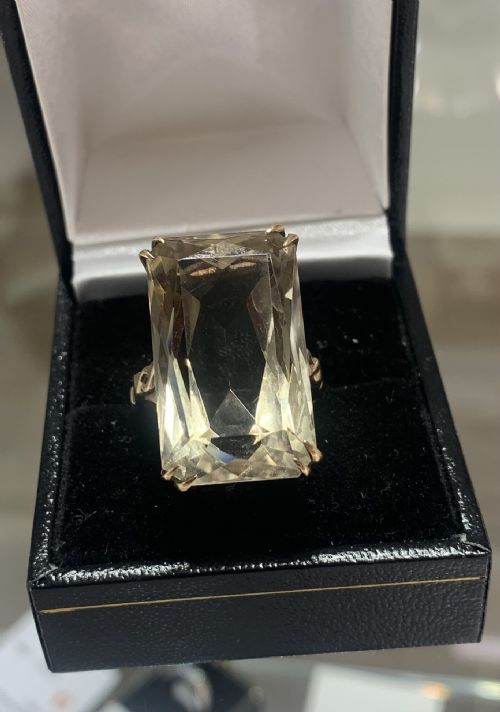
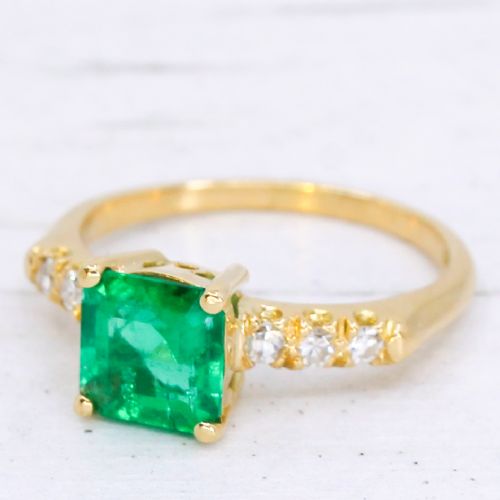
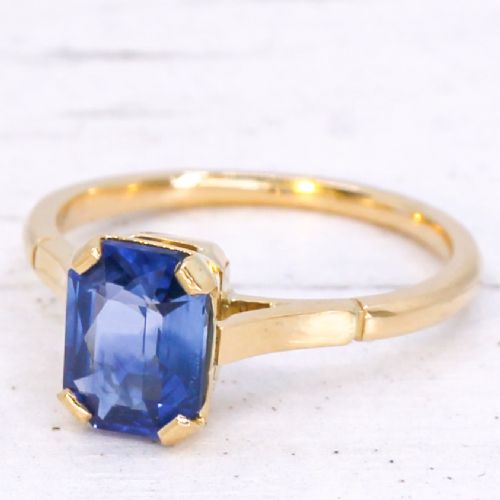
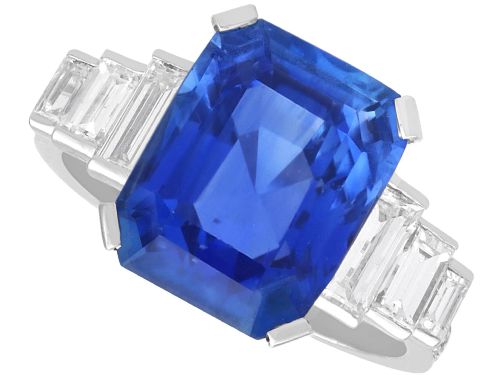
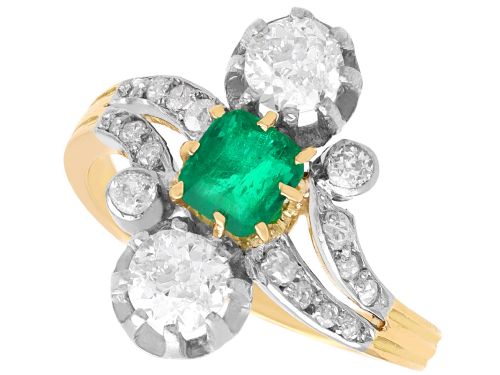
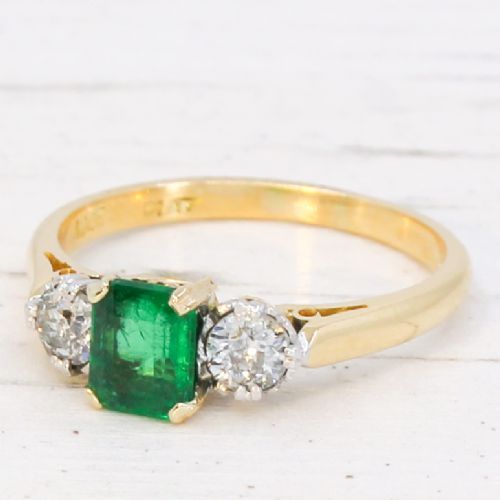
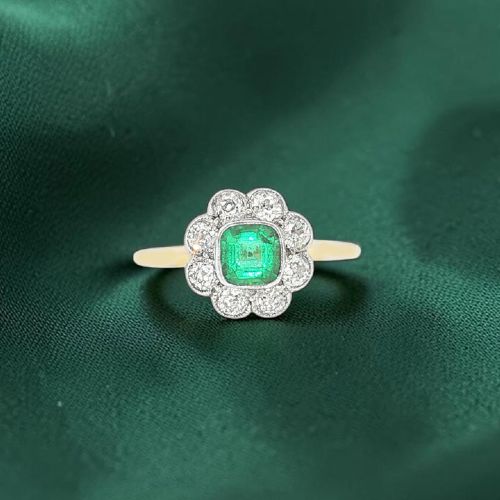
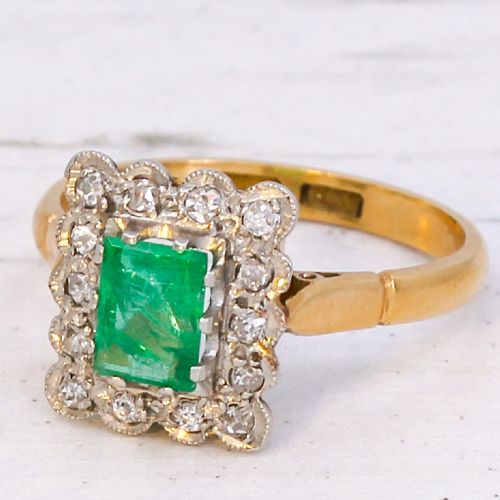
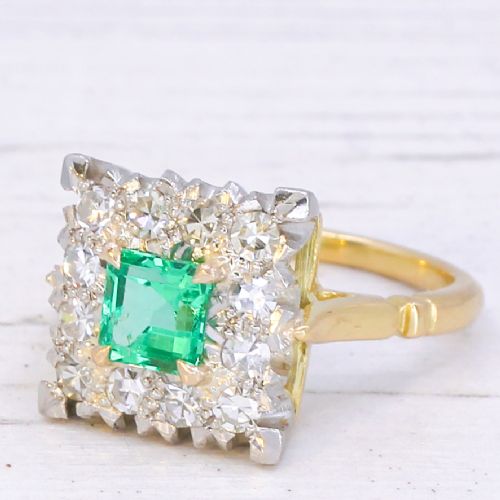
An emerald cut gemstone ring carries the geometric poise of the early twentieth century, offering a structured silhouette that highlights the clarity of the stone.
Emerald Cut Gemstone Ring
An emerald cut gemstone ring focuses attention on linear facets and clipped corners, presenting a structured alternative to brilliant cuts. The selection spans distinct periods including Edwardian, Art Deco, Retro, and Mid-Century designs.
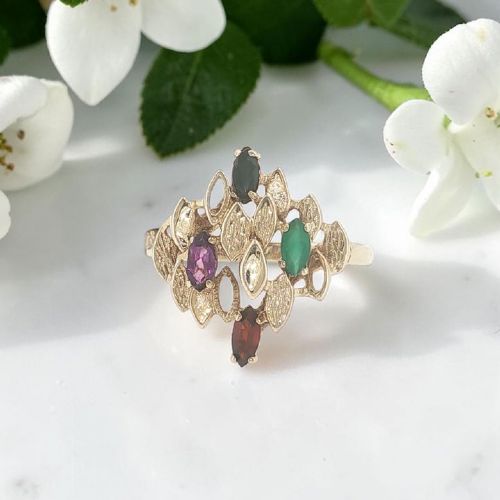
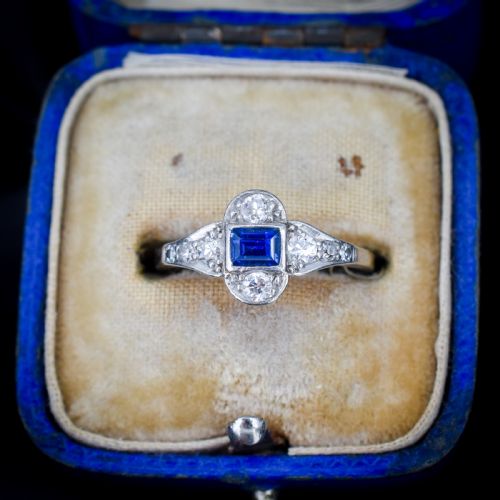
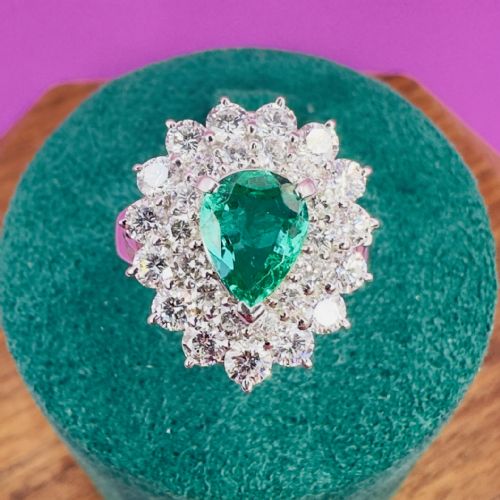
Buyers will encounter cluster arrangements, solitaire settings, and multi-stone configurations across this selection. These pieces frequently feature central emeralds, aquamarines, amethysts, or sapphires accompanied by diamonds.
Originating from the early decades of the twentieth century onward, the pieces incorporate styles such as Art Deco geometric frameworks and Mid-Century cocktail ring proportions.
Materials and construction
The mountings utilise platinum, 18ct white gold, 18ct yellow gold, 14ct gold, and 9ct gold to secure the central stones. Platinum was frequently chosen during the Art Deco period for its strength in delicate, intricate frameworks.
Gems are incorporated using cluster formations, trilogy layouts, and ballerina settings where tapered baguettes or smaller diamonds frame the main stone. Old cut diamonds frequently accompany emeralds and other coloured gems in pieces from the early twentieth century.
Emerald Cut Gemstone Ring Retail Price Guide 2026
Typical asking prices for emerald cut gemstone ring among the pieces listed under this phrase on Sellingantiques today, from the lower quarter to the upper quarter. They describe what is for sale here now, not the wider market.
Listings feature yellow gold, white gold, and platinum alongside emeralds, aquamarines, amethysts, and diamonds.
Distinctions in quality
The refinement of a piece often rests on the integration of the metalwork with the central stone, where hand-beaded millegrain or precise channel settings frame the stepped facets without obscuring the corners. Superior examples display balanced proportions between the central table and the surrounding diamond cluster or shoulders.
Stone origin and treatment disclosures influence the character of the central emerald, with specific specimens possessing certification regarding oil treatments. The crispness of the step cuts and the symmetry of the geometric surround determine the visual impact of the design.
The Emerald Cut Gemstone Ring Glossary
- Emerald cut
- A rectangular or square stone shape characterised by stepped facets and cropped corners. This cut prioritises clarity and linear reflection over intense brilliance.
- Cluster ring
- A design featuring a central gemstone encircled by a group of smaller stones, typically diamonds. This arrangement maximises the overall visual presence on the finger.
- Millegrain
- A decorative technique involving tiny raised metal beads along the edges of a setting. It provides a soft texture frequently observed in Edwardian and Art Deco jewellery.
- Ballerina ring
- A cocktail ring style where radiating baguettes or tapered diamonds encircle a central stone, resembling a tutu. This silhouette gained prominence in the mid-twentieth century.
- Trilogy ring
- A setting comprising three principal stones symbolising past, present, and future. In these pieces, a central emerald cut gem is typically flanked by two diamonds.
Emerald Cut Gemstone Ring: Frequently Asked Questions
Which periods do these rings come from?
The pieces span from the Edwardian era through the 1920s Art Deco period, the 1940s Retro style, and into the 1950s and 1960s Mid-Century designs.
Each decade introduced distinct mounting styles, transitioning from delicate platinum filigree to bolder cocktail proportions and yellow gold settings.
How should I care for an emerald ring?
Emeralds require gentle handling due to their natural inclusions and traditional oil treatments. Warm soapy water and a soft brush are suitable for cleaning, avoiding harsh chemical dips or ultrasonic cleaners.
Storing the ring separately prevents softer gems from scratching against harder diamonds or platinum mounts.
What metals are typical in these designs?
Platinum is prevalent in Art Deco pieces due to its strength in holding intricate stone configurations. White gold and yellow gold appear frequently across Edwardian, Retro, and Mid-Century items.
The choice of metal often reflects the prevailing fashion of the manufacturing decade.