


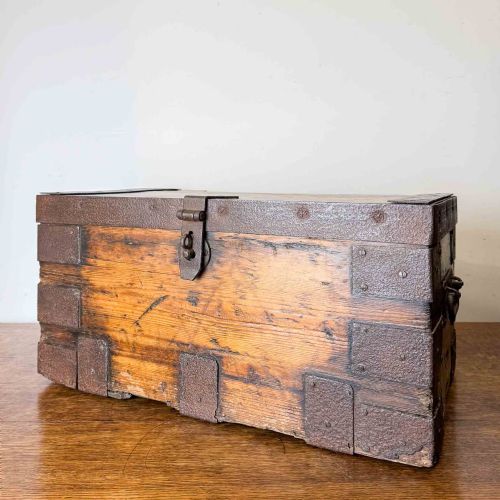


Elm Storage Box
An elm storage box brings together resilient timber and utilitarian craft, offering a practical vessel with deep historic grain.
Elm Storage Box
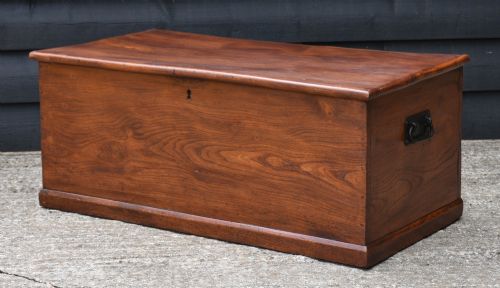
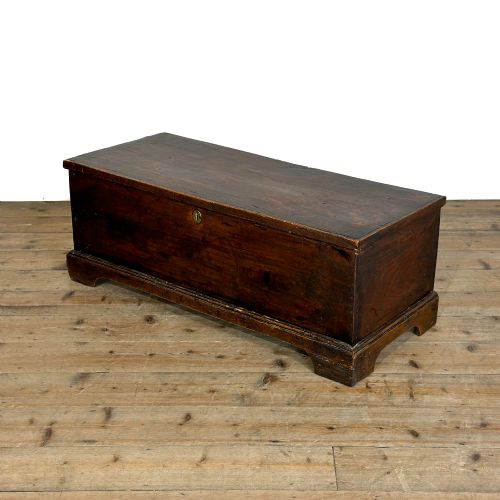
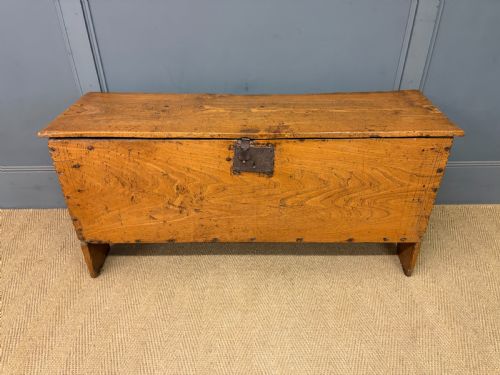
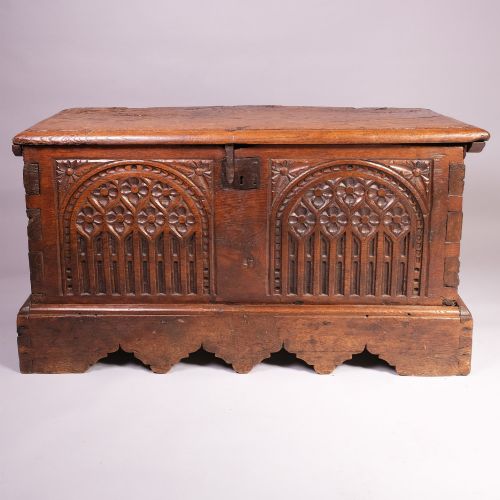
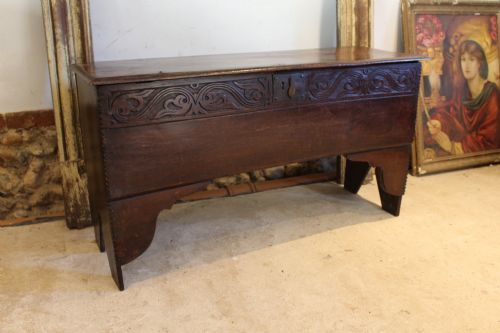
When you search for an elm storage box, you enter a diverse category of utilitarian vessels spanning several centuries. The selections range from straightforward six-plank coffers and blanket chests to specialised toolboxes, cellarettes, and bible boxes.
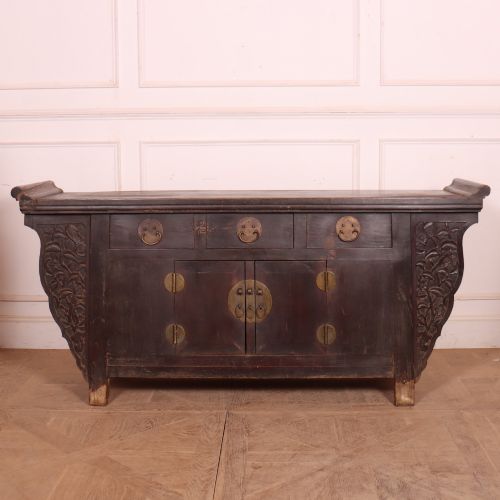
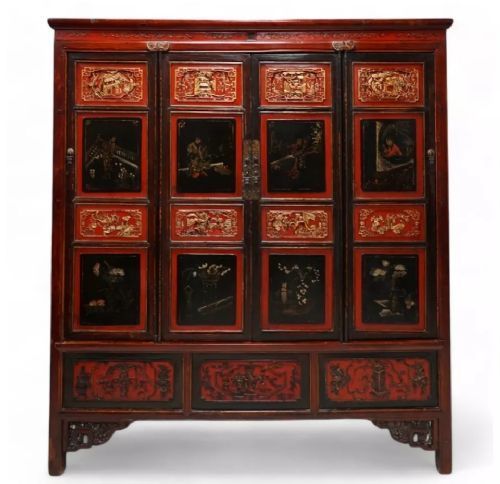
Regional vernacular pieces dominate the offerings, particularly British country examples alongside pieces originating from Chinese, Korean, and French workshops. Oak and pine occasionally appear as secondary woods or structural companions, yet solid elm remains the primary material defining the group.
Materials and construction
Makers utilised elm for its tough, interlocked grain that resists splitting, making it ideal for sturdy domestic storage. Carpenters frequently employed simple jointing methods such as six-plank construction, securing the heavy timbers with dovetailed corners or pegged frames.
Hardware played an essential structural role, with blacksmiths providing iron straps, hasps, carrying hoops, and brass mounts to reinforce the heavy wooden lids and sides.
Some boxes retain the initials of long-forgotten owners punched into the ironwork or carved directly into the lid.
Distinctions in quality
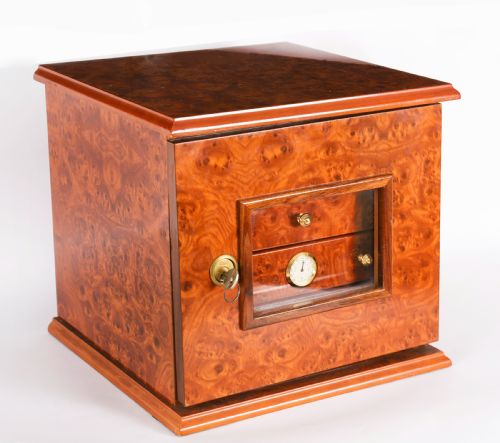
The standard of an elm storage box rests largely on the figuring of the timber and the integrity of the original construction. Burr elm panels display rich, swirling patterns that elevate a simple utilitarian chest into a striking decorative object.
Proportion and the retention of original brass or iron hardware also separate superior examples from standard regional utility pieces, as does the depth of the surface patina developed through generations of handling.
The Elm Storage Box Glossary
- Six-plank coffer
- A primitive chest constructed from six individual boards pinned or nailed at the edges. This represents one of the earliest and most straightforward methods of creating domestic storage.
- Burr elm
- A growth deformity in the tree that produces dense, highly decorative clusters of buds and swirls. Cabinet makers prized this timber for high-status drawer fronts and panels.
- Cellarette
- A dedicated container designed to hold bottles of wine or spirits securely. These often featured fitted interiors and were kept near the dining table.
- Mule chest
- A traditional storage chest featuring one or more drawers built into the base beneath the primary compartment. This form bridged the gap between the simple blanket chest and the modern chest of drawers.
- Patina
- The deep, lustrous surface sheen developed on timber over decades of use, cleaning, and exposure to light. Collectors value this indicator of age and genuine handling.
Elm Storage Box: Frequently Asked Questions
What is an elm storage box used for?
These vessels originally served to store blankets, clothing, tools, or documents in domestic and workshop settings.
Today, they function as practical coffee tables, entryway storage, or decorative focal points in modern rooms.
How old is my elm chest?
Dating relies on construction methods, timber preparation, and stylistic clues such as ironwork or bracket feet. Six-plank joints and hand-forged hardware often point towards earlier centuries.
Later pieces from the nineteenth and twentieth centuries show more standardised mechanical fixings and machine-sawn timber elements.
Is elm durable furniture?
Elm is famously tough and fibrous, possessing a twisted grain that resists splitting under heavy loads. This resilience made it the preferred choice for hardworking items like carpenters' toolboxes and strongboxes.
Maintaining these pieces requires little beyond regular dusting and avoiding extreme shifts in household humidity.
How do I identify burr elm?
Burr elm is easily distinguished by its turbulent, knotty grain patterns filled with swirling eyes and intricate figure. It creates a dramatic visual contrast against the straighter grain of standard elm boards.
Cabinet makers typically reserved this striking timber for decorative panels, drawer fronts, and high-status tabletop surfaces.