
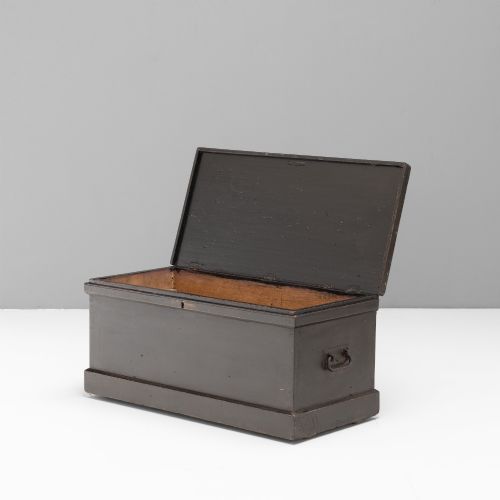
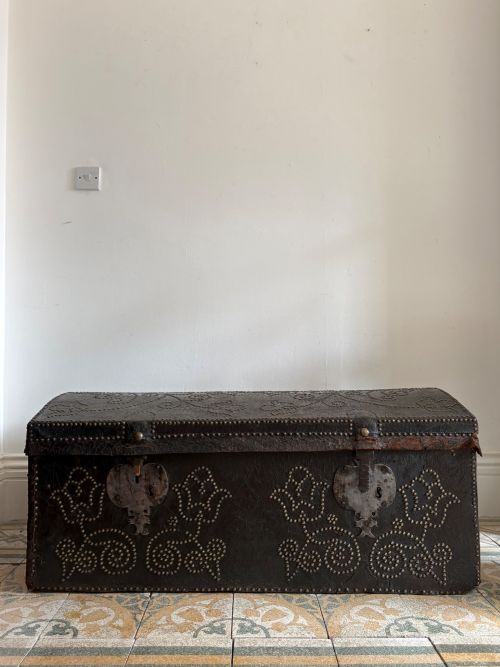
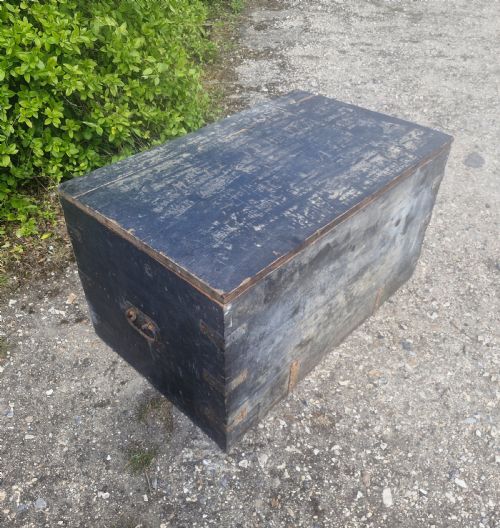


Iron Handled Chest
An iron handled chest is a robust storage piece built for travel or security, combining durable timber with metal mounts.
Iron Handled Chest
An iron handled chest brings together practical utility and period craftsmanship across various historical eras. When searching for an iron handled chest, buyers encounter items ranging from simple pine storage trunks to sophisticated campaign furniture and heavy strongboxes.
The selection includes pieces from the eighteenth and nineteenth centuries, alongside Edwardian examples and later interpretations. Forms span chests and coffers, storage trunks, chests of drawers, and toolboxes constructed in woods such as pine, oak, elm, teak, and hard wood.
Styles represented across these items embrace rustic country, arts and crafts, Victorian campaign, gothic revival, and folk art. Each version serves a distinct domestic or travel function, distinguished by metal carrying handles and structural iron or brass mounts.
How they were made
Construction relies on solid timbers like pine, oak, elm, and teak, often reinforced with iron, cast iron, or brass. Makers utilised traditional joinery methods to house contents securely, fitting functional locks and robust side lifting handles for transport.
Surface treatments and protective layers vary, encompassing leather studding, toleware decoration, and plain wood finishes. Structural integrity depended on heavy metal straps and durable fixings designed to withstand heavy use.
Periods represented span from the eighteenth century through the Victorian era and Edwardian period up to nineteen twenty.
What varies in quality
The standard of materials and the complexity of construction dictate the distinction between ordinary utility items and finer examples. Quality manifests in the weight of the timber, the security of the locking mechanisms, and the execution of metal mounts and carrying handles.
Integrity of survival defines the better pieces, where original surfaces, working locks, and unaltered hardware remain intact. Lesser examples display replacement elements or simpler secondary woods that alter the original character.
The Iron Handled Chest Glossary
- Strongbox
- A heavily reinforced metal and wood box designed for the secure storage of valuables and documents. These pieces rely on thick iron plates and secure locking systems.
- Campaign trunk
- A portable chest built for military officers travelling on active service. These items feature recessed carrying handles and durable construction to endure rough transport.
- Coffer
- A traditional box or chest with a lid, typically used for storing precious items or textiles. Older examples often display heavy timber construction and decorative ironwork.
- Toleware
- Metalware painted or lacquered in japanned finishes, often associated with folk art containers and coal boxes. This technique provides both decoration and protection against rust.
- Secretaire
- A piece of furniture incorporating a writing drawer or fold-down desk surface. These items combine storage utility with a dedicated writing compartment.
Iron Handled Chest: Frequently Asked Questions
What is an iron handled chest used for?
These pieces served practical purposes such as travel, secure storage of valuables, and household organisation. Strongboxes and campaign trunks held documents and personal effects during transit, while pine and elm trunks stored domestic textiles or tools.
Today, buyers utilise these chests as coffee tables, blanket boxes, or statement storage furniture in living spaces.
How do I date an iron handled chest?
Dating relies on examining the timber species, construction techniques, and metal hardware. Eighteenth-century examples often feature hand-wrought iron straps and pegged joints, whereas nineteenth-century pieces may incorporate machine-rolled iron and standardised screws.
Stylistic cues such as campaign brass mounts or arts and crafts details help narrow the period of manufacture.
Are campaign chests different from standard trunks?
Campaign chests and trunks were specifically engineered for portability and military life on the move. They typically feature recessed carrying handles, brass corners to prevent splitting, and sometimes modular sections designed for packing.
Standard domestic trunks prioritize stationary storage over frequent transit.
How do I care for wood and iron furniture?
Maintenance involves keeping the timber and metal clean and dry to prevent splitting or corrosion. Natural wax applied sparingly preserves the finish of woods like oak, pine, and elm without sealing in moisture.
Iron handles and straps benefit from occasional light oiling to maintain the metal surface and deter rust.