
Elm Seated Chair
An elm seated chair brings tactile warmth and honest country construction into a room, offering sturdy seating shaped by centuries of vernacular tradition.
Elm Seated Chair
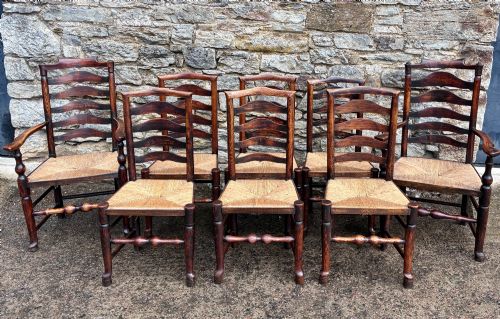
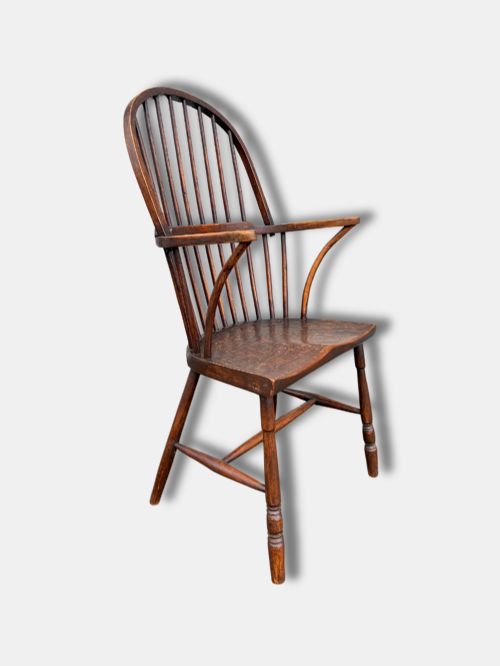
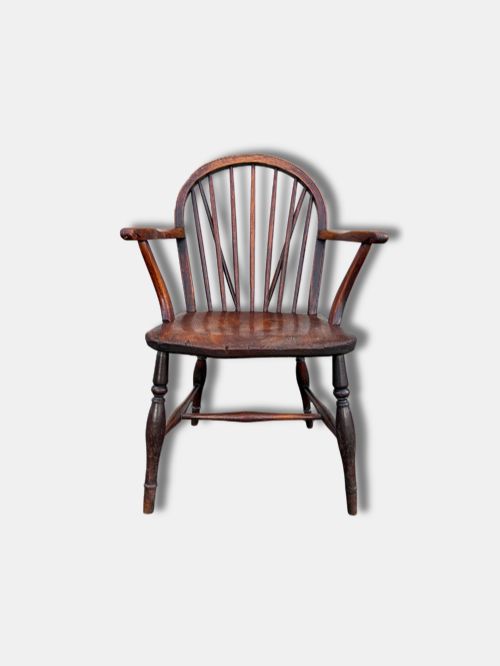
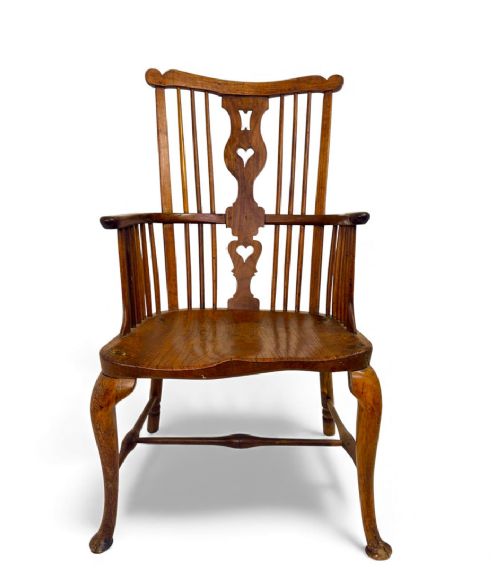
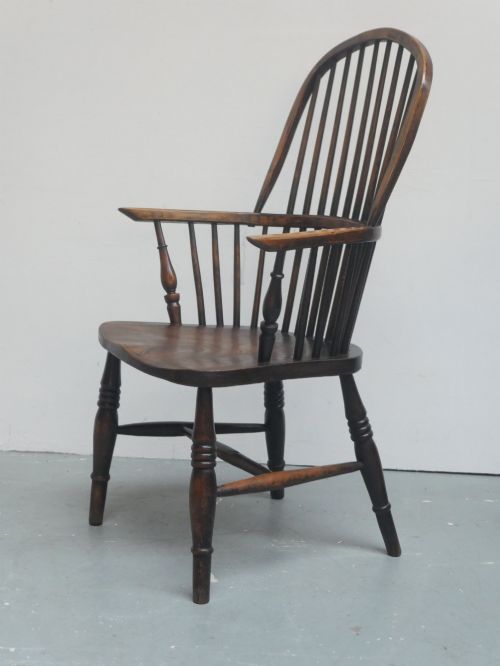
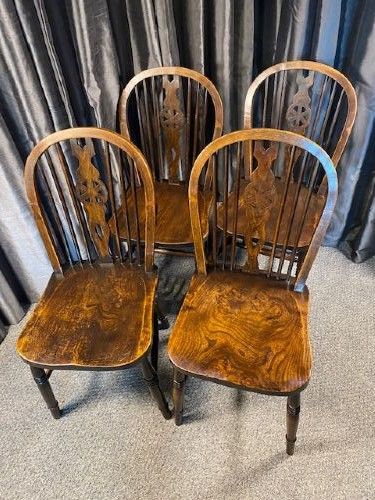
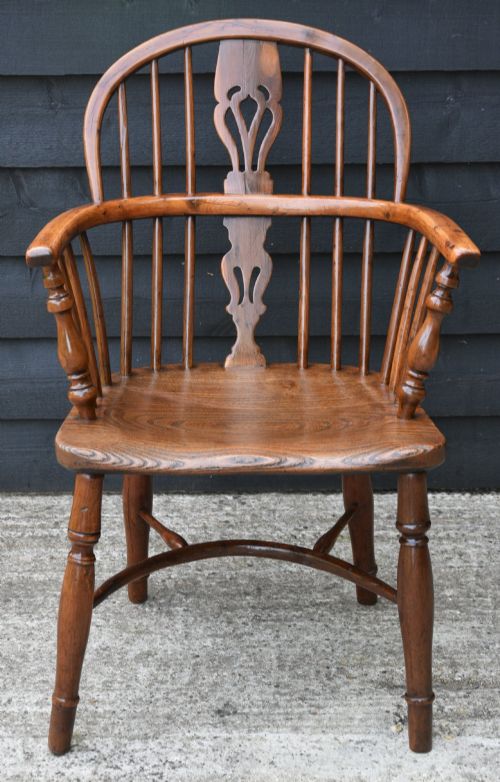
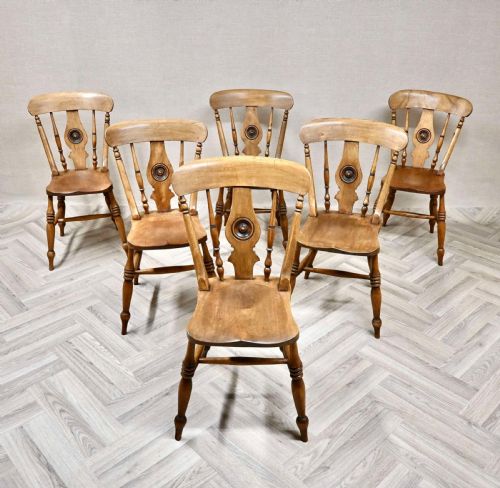
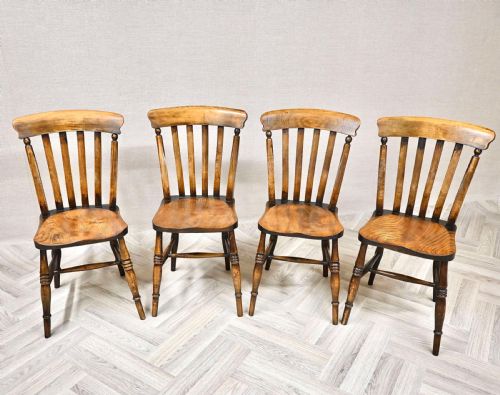
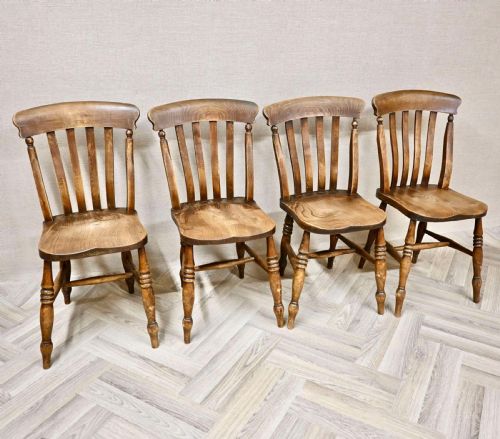
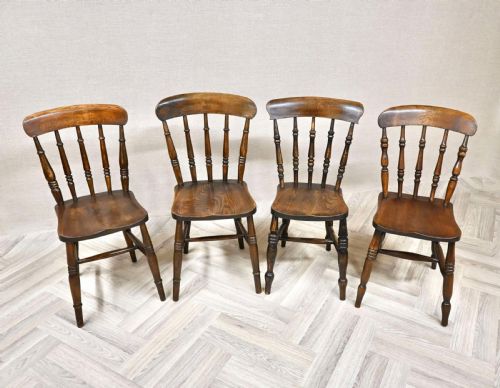
An elm seated chair represents the heart of English country furniture, combining robust timber seats with supportive spindles, hoops, or ladderbacks. When searching for an elm seated chair, buyers encounter numerous variations ranging from eighteenth-century Thames Valley armchairs to Victorian kitchen dining sets.
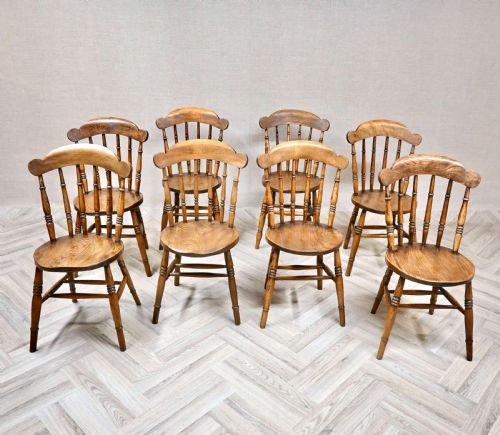
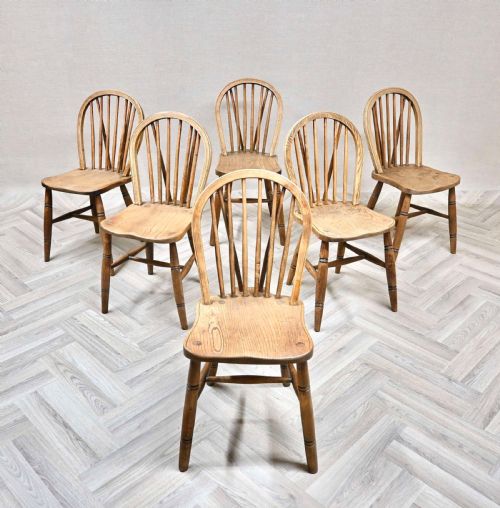
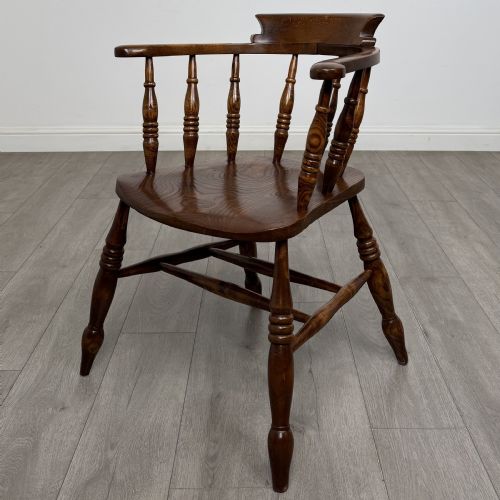
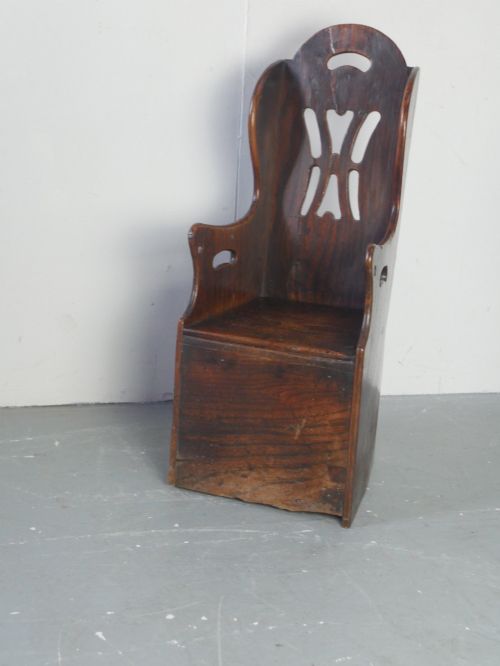
The domestic forms recorded span Windsor armchairs, smokers bows, captains chairs, and children's seating alongside industrial machinist designs and garden benches. Windsor styles dominate the selection, appearing in hoop back, wheelback, lathback, and pierced splat variations.
Origins stretch across English regional workshops, encompassing Thames Valley, High Wycombe, and West Country traditions. Buyers frequently meet matched sets of kitchen chairs alongside single commanding armchairs featuring sculpted seats.
Materials and construction
Makers utilised elm primarily for the thick saddle seats due to its interlocking grain resisting splits, while pairing it with ash, beech, or yew for steam-bent bows, spindles, and legs. This multi-timber construction allowed each part of the chair to utilise the specific mechanical properties of the wood.
Turned components relied on pole lathes to shape legs and spindles, integrating traditional mortise and tenon joints without metal fasteners. Wheelback and lathback designs incorporated steam-bending techniques to curve backrests into ergonomic shapes.
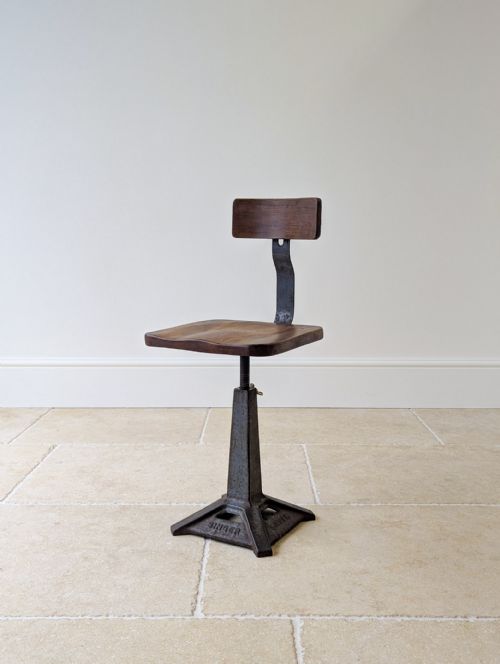
A solitary cast iron machinist chair joins the sea of country elm, proving that industrial engineers also appreciated a sturdy wooden seat.
Judging quality and character
Quality rests in the depth of the sculpted elm seat and the harmonious balance of the turning on the legs and spindles. Superior examples display a rich, patinated surface where decades of use have polished the timber grain.
Structural integrity depends on the tightness of the joinery and whether original tapered wedges remain in the leg tenons protruding through the seat. The crispness of carved details, such as pierced splats or sculpted arm scrolls, separates standard utility seating from finer regional commissions.
The Elm Seated Chair Glossary
- Windsor chair
- A chair built with a thick solid wooden seat into which the legs and back spindles are separately socketed. This construction method creates a durable piece of furniture associated with regional English craftsmanship.
- Penny seat
- A saddle-shaped wooden seat featuring a circular depression carved into the centre, resembling a large coin laid on the timber. This shaping provides ergonomic comfort for the sitter.
- Smokers bow
- A low-backed Windsor armchair with a continuous curved armrail supported by turned spindles. These chairs frequently served in country houses and rural pubs.
- Lathback
- A chair back featuring flat horizontal wooden slats riveted between the top bow and the seat. This design offers robust support compared to traditional thin spindles.
- Thames Valley
- A regional style of English vernacular chair-making known for fluid lines, generous proportions, and high-grade timber combinations including yew and elm.
Elm Seated Chair: Frequently Asked Questions
How do I date an elm chair?
Dating relies on observing construction traits, tool marks on the underside of the seat, and stylistic shifts in the back design. Earlier eighteenth-century models often feature broader proportions and specific regional turning patterns.
Victorian and later examples introduce machine-turned components and standardised Windsor variations while retaining the characteristic solid timber construction.
Where were these chairs made?
These chairs originated primarily in English rural workshops and regional centres such as High Wycombe in Buckinghamshire and the Thames Valley. Local bodgers turned wood components in woodland clearings before assembly.
Makers utilised accessible local timbers, pairing durable elm for seats with pliable ash and beech for spindles and structural members.
How should I care for an elm seat?
Care involves maintaining stable indoor humidity levels to prevent timber movement and applying occasional natural wax to nourish the dry grain. Avoid placing antique seating near direct heat sources or strong sunlight.
Regular gentle dusting preserves the historic surface patina developed through generations of domestic use.