
Elm Seat Windsor
An elm seat windsor brings solid country timber into a room, offering sturdy seating built to last generations.
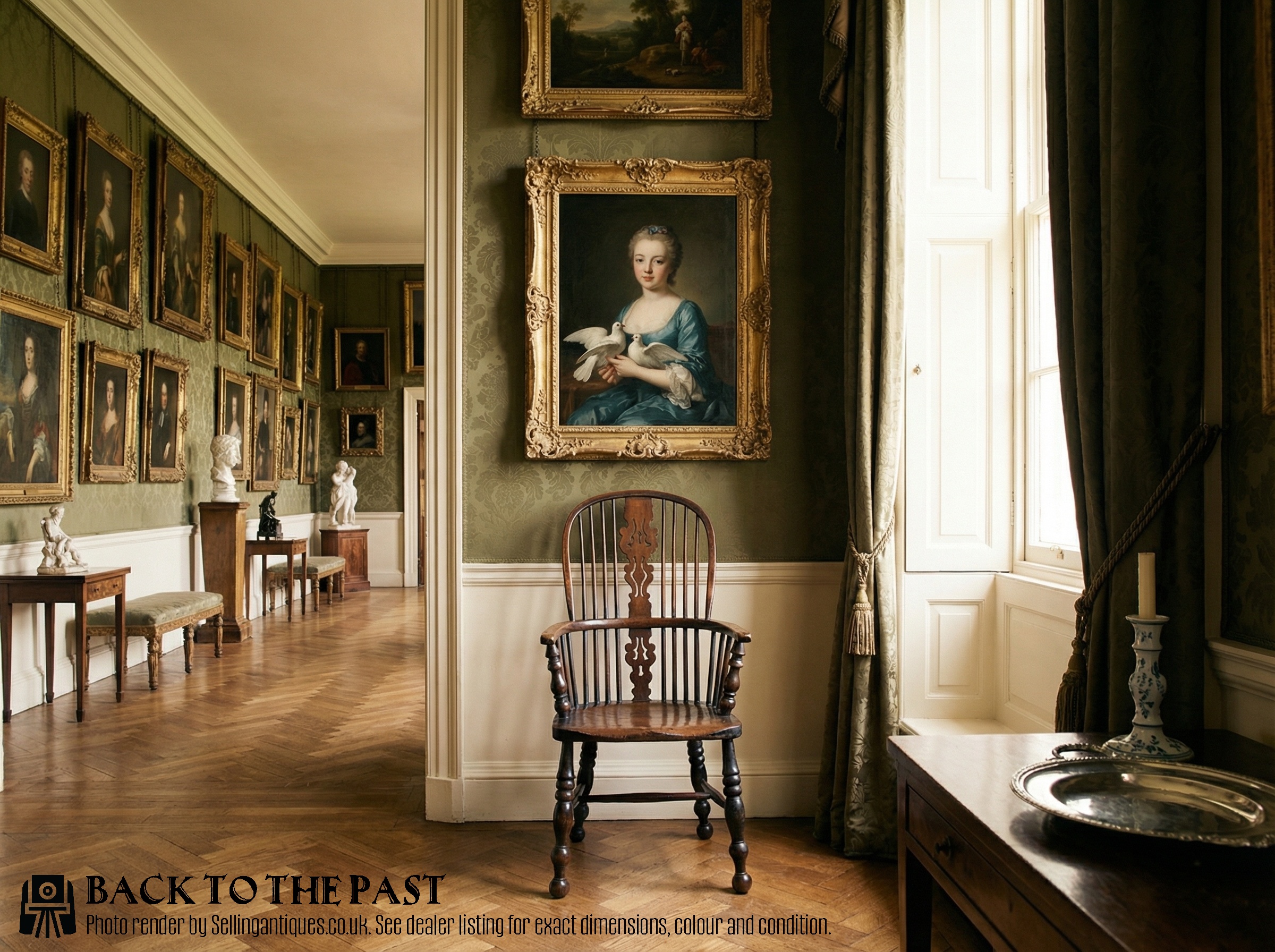
Elm Seat Windsor
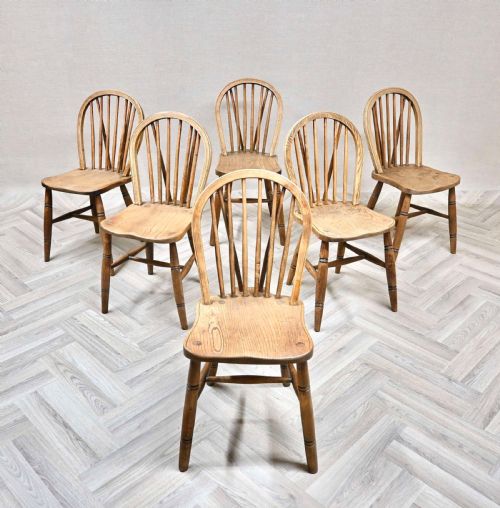
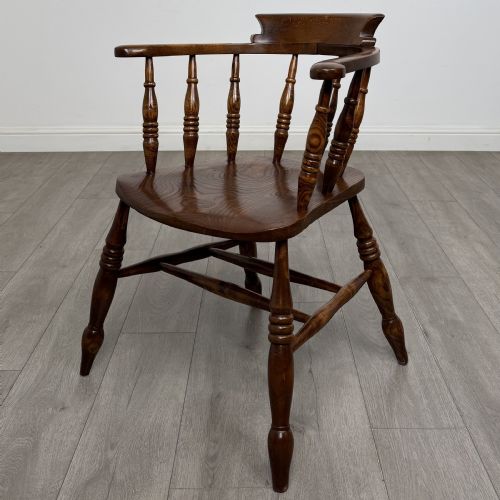
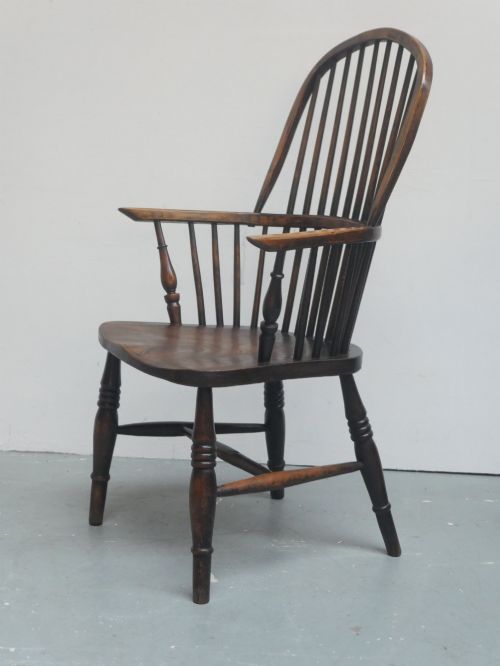
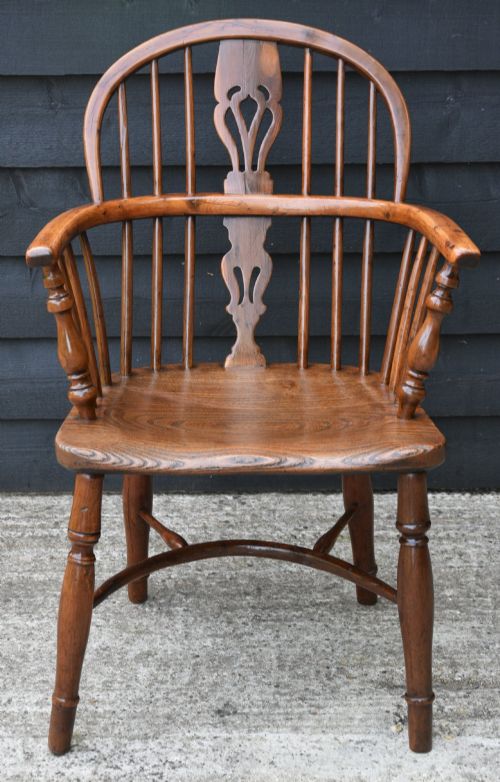
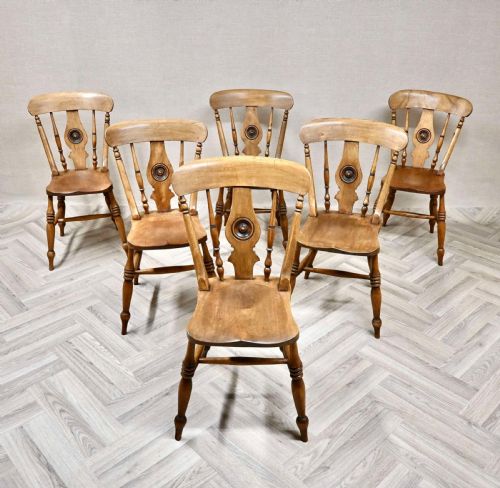
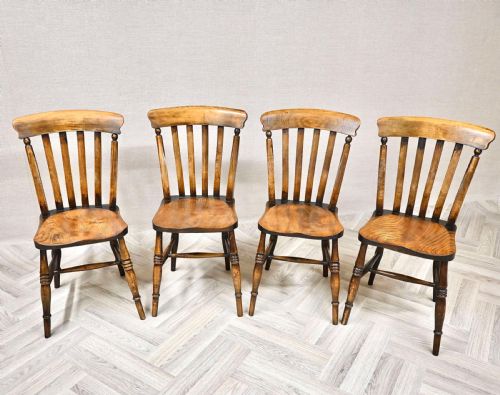
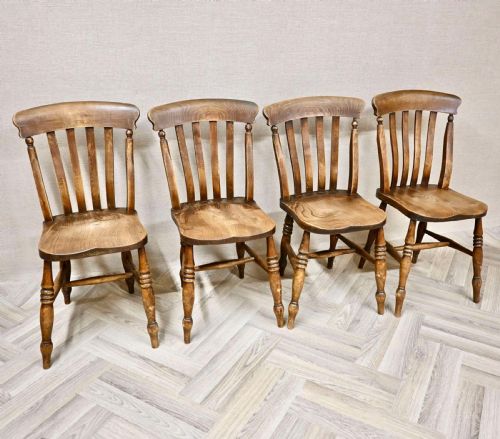
Buyers seeking an elm seat windsor encounter traditional country seating originating from periods including the Georgian and Victorian eras, alongside later nineteenth and early twentieth century examples. These sturdy pieces include armchairs, dining chairs, benches, settles, stools, and children's chairs designed for domestic utility.
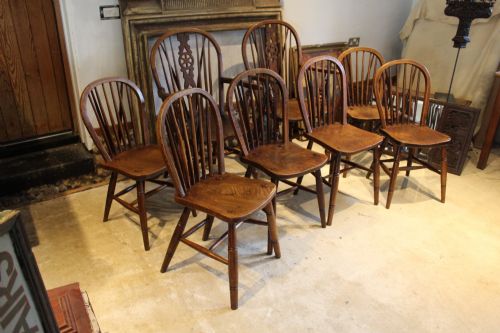
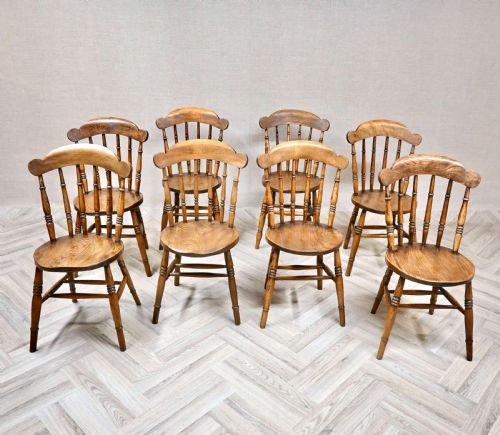
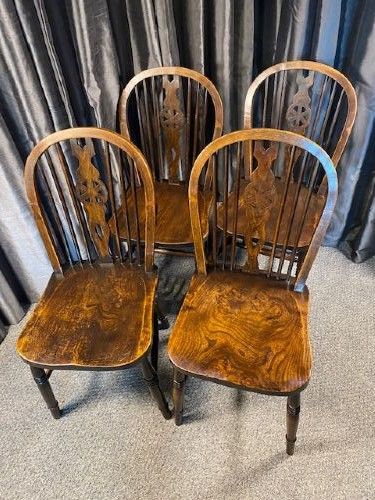
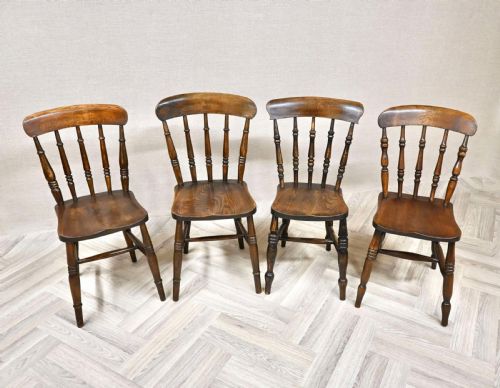
The most common variations on this page include kitchen chairs and armchairs featuring stick backs, hoop backs, wheelbacks, and comb backs. Regional forms such as Thames Valley and High Wycombe pieces frequently appear alongside general English country house styles.
Materials and construction
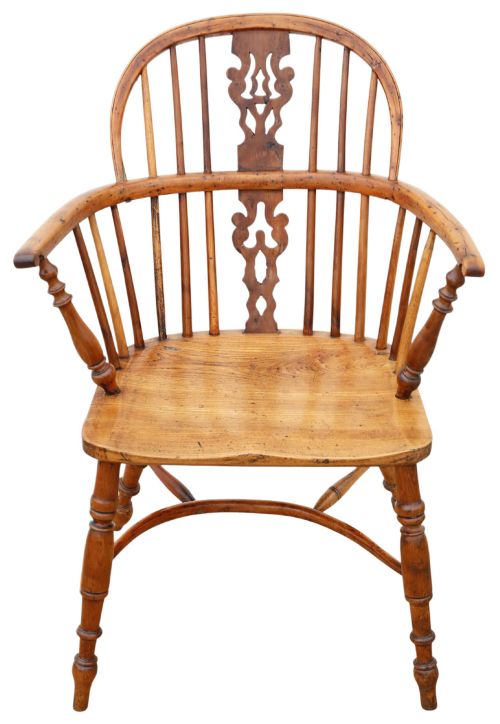
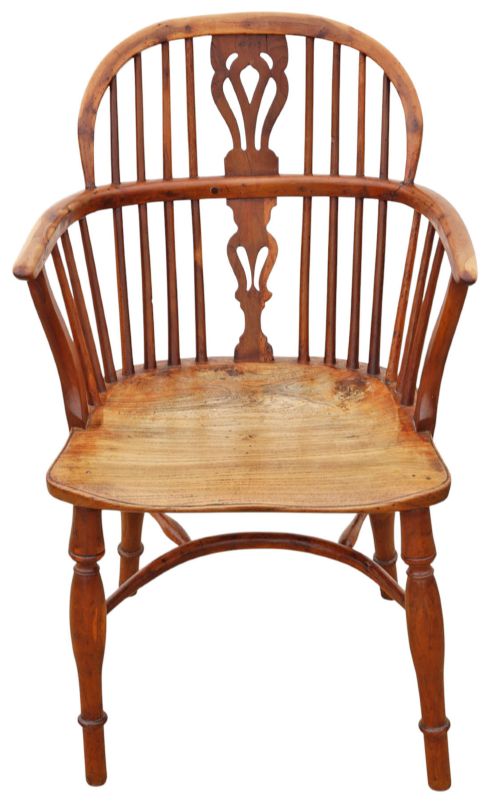
Maker construction relies on a combination of native timbers, predominantly pairing a thick solid elm seat with turned beech, ash, or yew for the spindles, legs, and bow frames. This multi-wood approach utilised the specific strengths of each tree, using flexible woods for bent parts and dense timber for the saddle-shaped seat.
Joinery techniques involve bored holes through the solid seat plank where legs and upright spindles are secured with wedges. Steam-bending forms the continuous curved backbows and arm rails characteristic of the form.
Listings feature items spanning the eighteenth century through the Edwardian era, constructed from elm, beech, ash, and yew.
Evaluating the standard
Quality differences stem from the figure and grain of the timber used for the seat, combined with the elegance of the spindle turnings and the comfort of the sculpted saddle. Pieces with rich yew wood or well-figured elm display greater visual depth than plain utility variants.
Proportion and structural integrity dictate the grade of each chair, where well-balanced undercarriages and retention of original components separate superior examples from heavily restored or mismatched sets.
The Elm Seat Windsor Glossary
- Windsor
- A traditional wooden chair featuring a thick saddle-shaped seat into which the legs and back spindles are directly fitted. This construction method distinguishes the form from framed upholstered seating.
- Smokers Bow
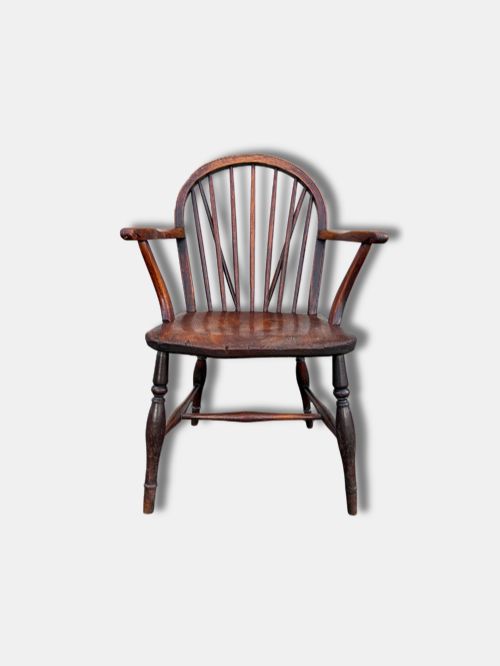
- A low-backed armchair variant with a rounded continuous arm rail supported by turned spindles, often associated with nineteenth-century pubs and kitchens.
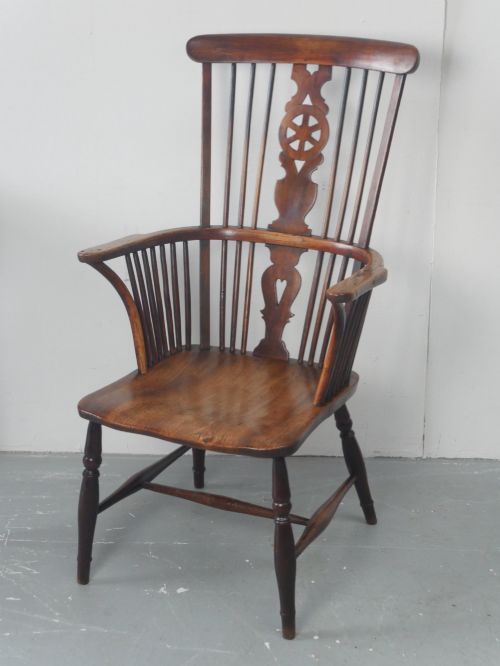
- Wheelback
- A chair back incorporating a pierced wooden splat carved in the shape of a spoked wheel. This decorative motif became popular during the nineteenth century.
- Comb Back
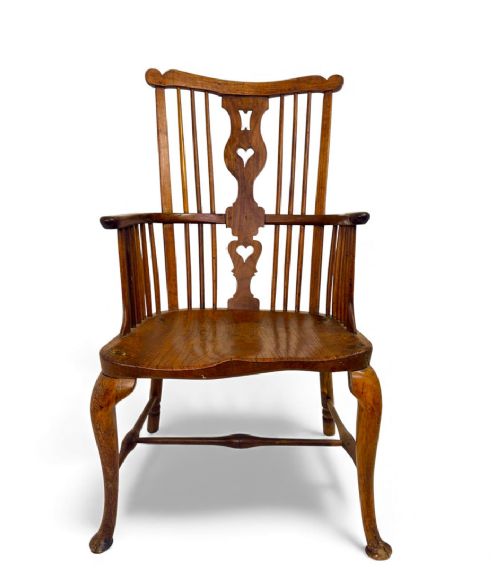
- A chair back style where vertical spindles rise through a horizontal arm rail and terminate in a raised crest rail resembling the teeth of a comb.
- Penny Seat
- A seat design featuring characteristic depressions or circular thumb-nail indentations carved into the upper surface of the timber plank.
Elm Seat Windsor: Frequently Asked Questions
What is an elm seat windsor?
An elm seat windsor is a traditional wooden chair built with a thick solid elm plank base that holds independent legs and back spindles. These pieces developed as sturdy functional seating for rural homes and kitchens.
Over centuries, makers refined the regional designs across England, producing distinct back styles like the hoop, stick, and wheelback. They remain practical chairs suited for daily use around dining tables or as standalone armchairs.
How do I date an old windsor chair?
Dating relies on examining the timber grain, tool marks beneath the seat, and the turning style of the legs and spindles. Earlier Georgian examples often show deeper saddle carvings and specific regional construction traits.
Victorian and Edwardian versions typically display standardised turnings and machine-sawn components. Comparing the wood species and wear patterns helps place the piece within its historical period.
Are these chairs comfortable for daily use?
These chairs are designed with ergonomic saddle seats carved to fit the human body, offering surprising support for upright sitting. The raked legs and sturdy back assemblies provide a stable and robust platform.
Adding a loose cushion can increase comfort during long periods of sitting at a desk or dining table. Their solid wooden construction handles everyday domestic life without losing stability.
How do I care for antique timber?
Maintaining antique timber involves keeping chairs away from direct heat sources and sudden humidity changes that cause wood to crack. Regular dusting with a dry cloth prevents dirt buildup on the finish.
Applying occasional natural wax preserves the surface sheen without sealing moisture into the old wood. Gentle handling ensures the original joints and surface patination remain intact.