

Elm Farmhouse Chairs
Elm farmhouse chairs are robust vernacular seats built for daily utility, offering buyers a durable piece of traditional domestic history.
Elm Farmhouse Chairs
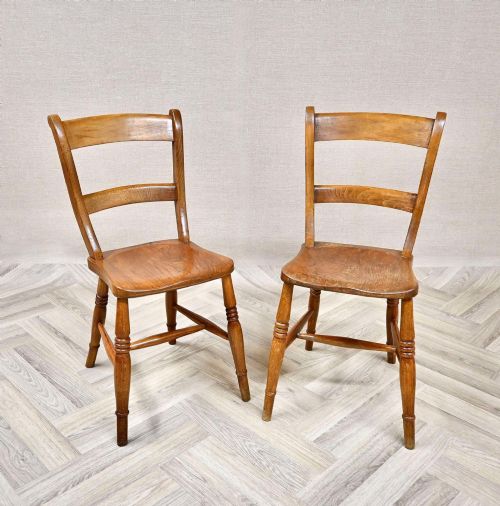
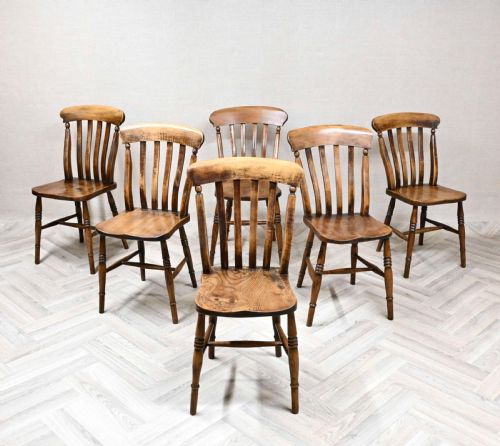
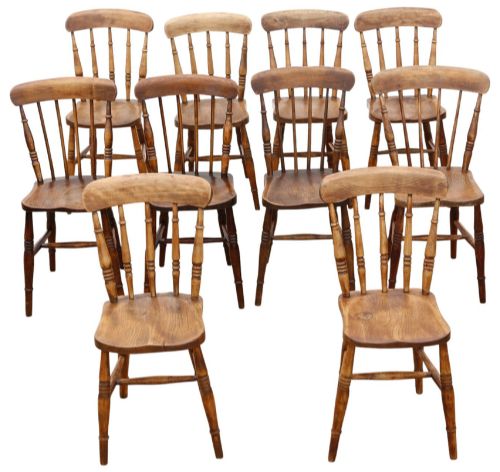
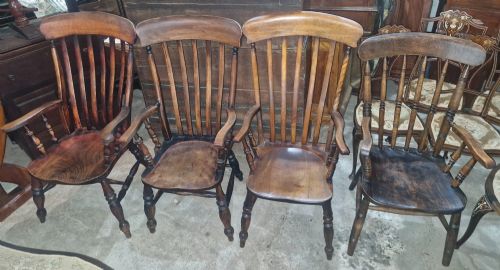
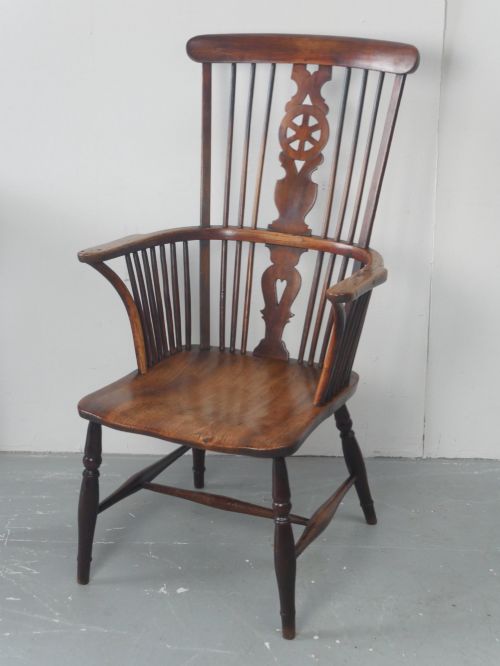
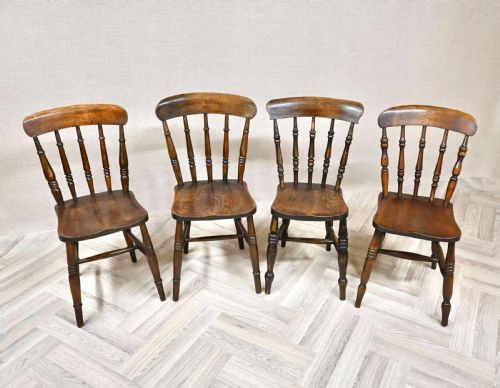
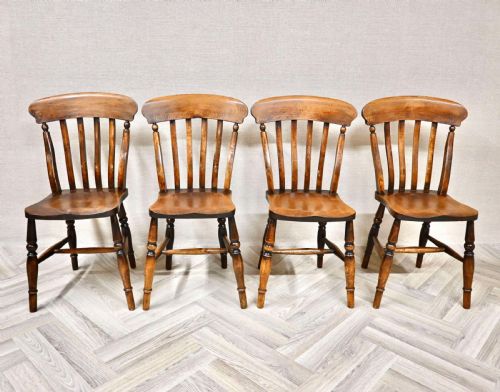
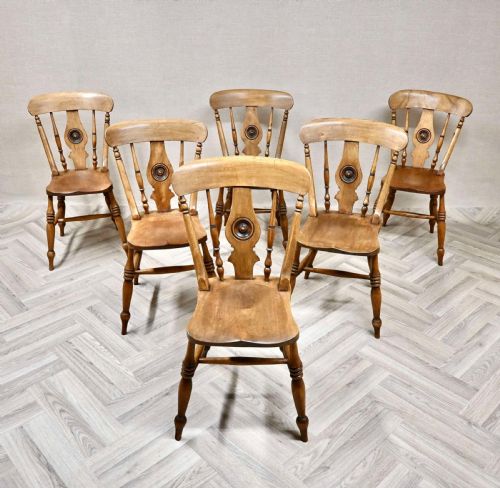
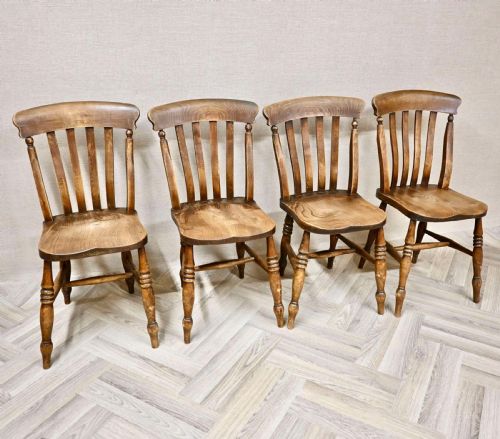
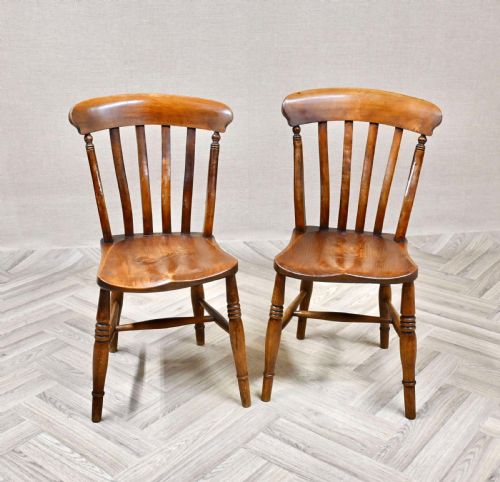
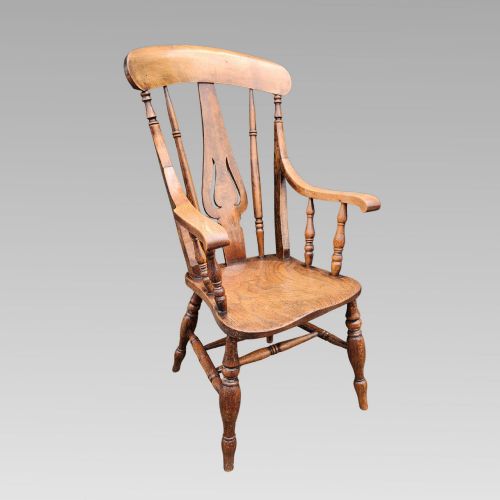
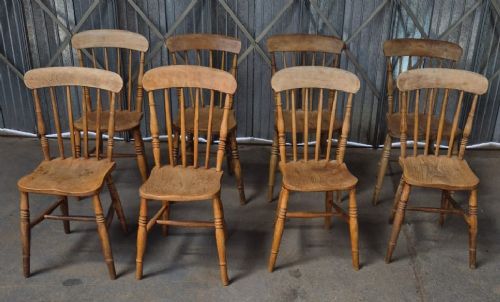
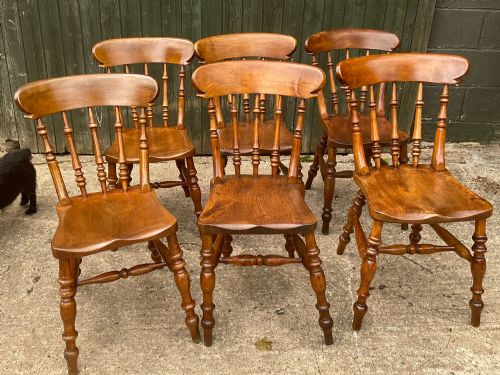
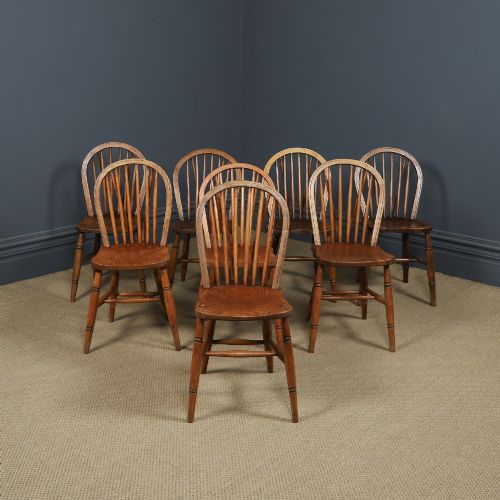
Elm farmhouse chairs are traditional vernacular seats designed for practical daily use in kitchens and dining rooms. Buyers seeking elm farmhouse chairs will frequently encounter nineteenth-century pieces, including Victorian examples shaped as Windsor armchairs, lathbacks, and stick backs. These chairs combine utilitarian strength with regional craftsmanship, appearing in singles, pairs, and larger sets.
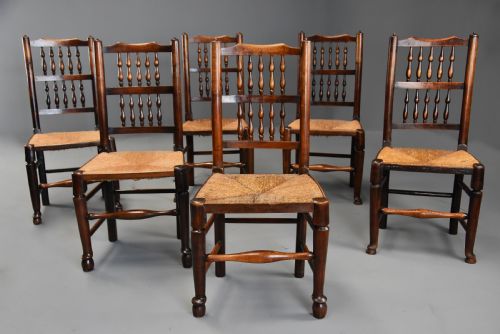
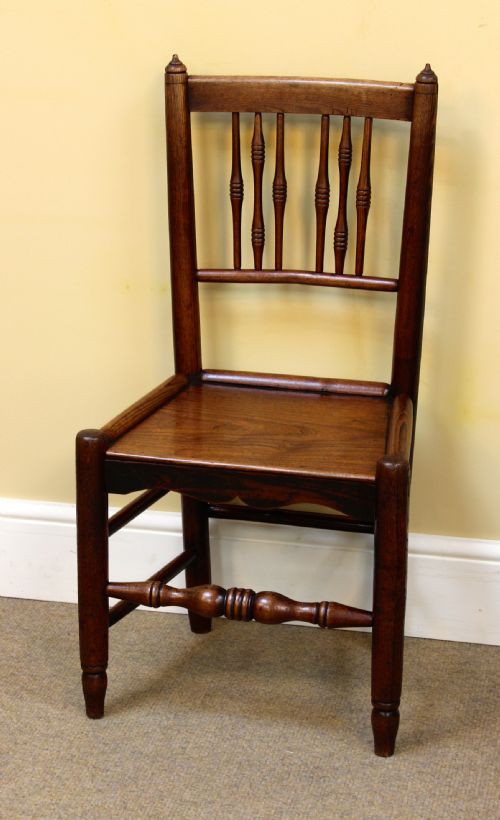
The form typically incorporates a shaped wooden seat with steam-bent backs and spindle supports. Many examples utilise mixed timbers for different structural parts, such as beech legs or ash spindles paired with elm seats. This regional English country vernacular encompasses comb backs, hoop backs, and fiddle backs.
How they were made
These chairs rely on a combination of solid timber selection and steam-bending techniques for structural integrity. Seat bases are heavily sculpted from elm, chosen for its interlocking grain that resists splitting when fitted with legs and spindles. Supporting elements utilise turned ash, beech, fruitwood, or oak, secured through traditional wedged tenon joints.
Makers shaped the components using lathes and drawknives before assembling the frames with stretcher systems for added stability. Rush seating also appears on specific single chairs, woven directly onto wooden frames. Surface finishes develop naturally through decades of use rather than applied factory coatings.
Elm Farmhouse Chairs Retail Price Guide 2026
Typical asking prices for elm farmhouse chairs among the pieces listed under this phrase on Sellingantiques today, from the lower quarter to the upper quarter. They describe what is for sale here now, not the wider market.
Several armchairs are recorded as extra large, accommodating nineteenth-century comfort with generous proportions.
What varies in quality
Quality in these chairs rests upon the depth of the seat carving and the balance of the proportions. Superior pieces display substantial, well-figured elm seat slabs combined with finely turned spindles and harmonious joinery. Lesser examples may exhibit clumsy replacement components or uniform factory-produced turnings that lack individual character.
The integrity of the original timber grain and the survival of matching sets elevate certain groups above standard singles. Proportional grace in the bentwood bows and the crispness of the turning details distinguish the work of skilled regional bodgers and provincial workshops from basic utility furniture.
Worksop Allsop
The Elm Farmhouse Chairs Glossary
- Windsor
- A traditional wooden chair featuring a solid sculpted seat into which the legs and back spindles are directly fitted. The design relies on a distinct hoop or comb frame for back support.
- Lathback
- A chair back design incorporating horizontal wooden slats rather than vertical turned spindles. These slats are typically steam-bent to curve comfortably against the user's spine.
- Stretcher
- A horizontal wooden brace connecting the legs of a chair to provide structural rigidity. Double stretchers offer additional reinforcement beneath the seat.
- Vernacular
- Everyday objects made by local craftsmen following regional traditions rather than high-style academic designs. These pieces prioritize function and local material availability.
- Patina
- The deep surface sheen and colour acquired by wood over decades through handling, polishing, and natural ageing. This quality indicates authenticity and continuous domestic use.
Elm Farmhouse Chairs: Frequently Asked Questions
How do I clean elm farmhouse chairs?
Wipe surfaces gently with a slightly damp cloth to remove dust without damaging the aged wood. Avoid modern chemical polishes that can soften the dry finish.
Apply a traditional beeswax occasionally to nourish the timber and maintain the natural lustre. This preserves the historical surface without creating a glossy synthetic film.
Are these chairs suitable for daily dining?
Most nineteenth-century examples remain structurally sound and capable of supporting daily use around a kitchen table. The resilient elm seats and robust joined frames were originally built for heavy domestic labour.
Check leg joints periodically to ensure the wedged tenons remain secure. Gentle use ensures these traditional chairs continue serving practical household functions.
What is a Windsor chair?
A Windsor chair is constructed by inserting legs and back spindles directly into a thick, scooped wooden seat. This construction method creates a sturdy, unified frame without needing a traditional box-frame undercarriage.
The style evolved through various regional English forms, including hoop backs, comb backs, and lathbacks. Each variation adapted the basic seating principle for domestic or commercial utility.
How do I identify a matched set?
Examine the turning details on the legs and spindles to verify consistency across the group. Minor variations in hand-turned elements often confirm authenticity in nineteenth-century country furniture.
Matching timber grain and uniform wear patterns across the seat boards further indicate chairs that originated together. True sets share identical proportions and regional construction traits.