

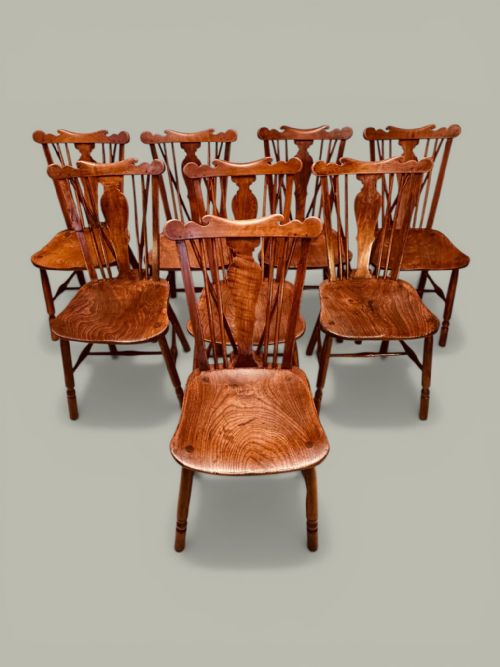


Elm Comb Back Chair
An elm comb back chair brings robust regional character and seating comfort shaped by centuries of vernacular craftsmanship.
Elm Comb Back Chair
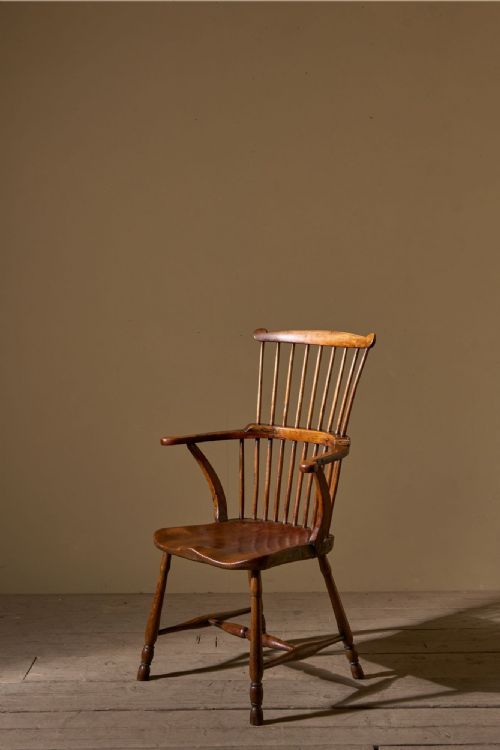
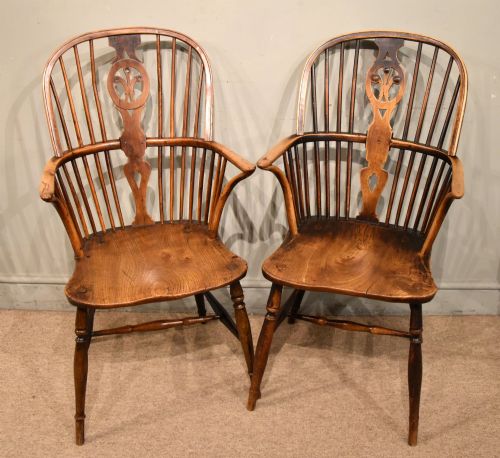
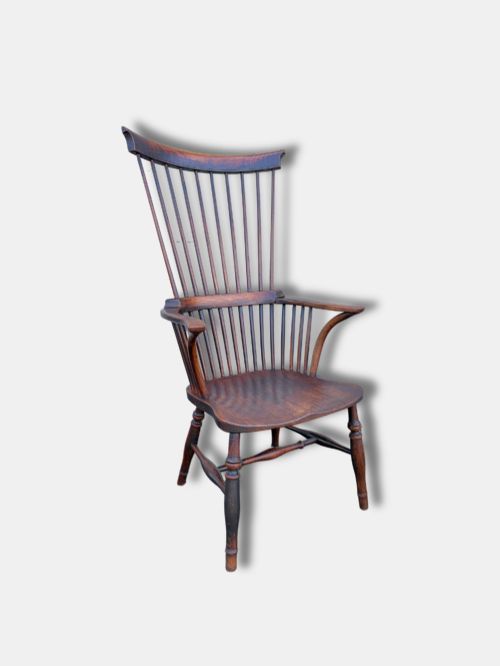
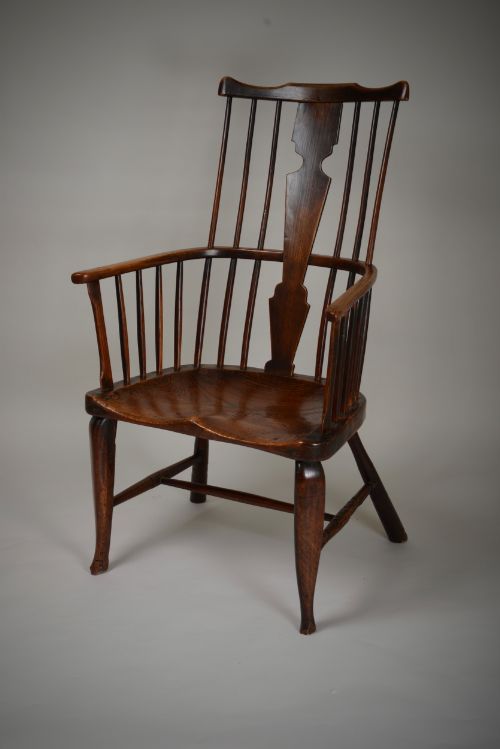
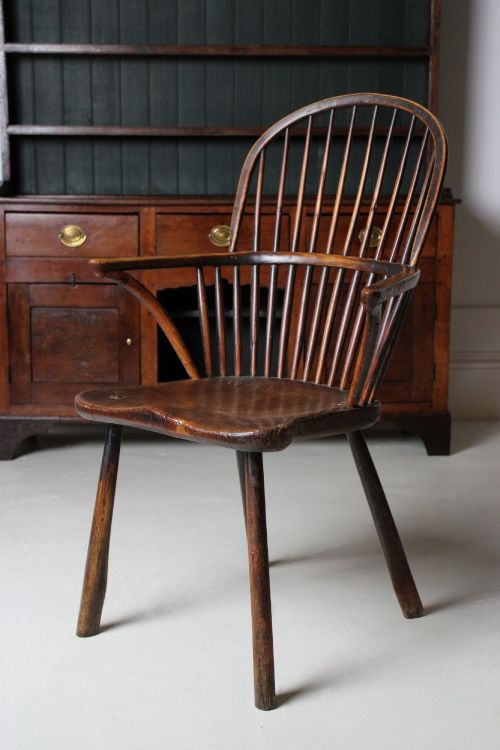
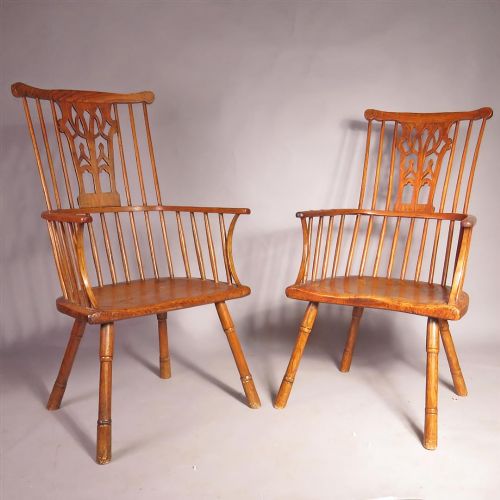
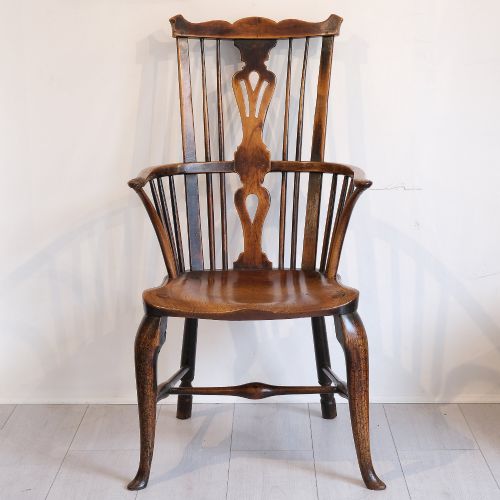
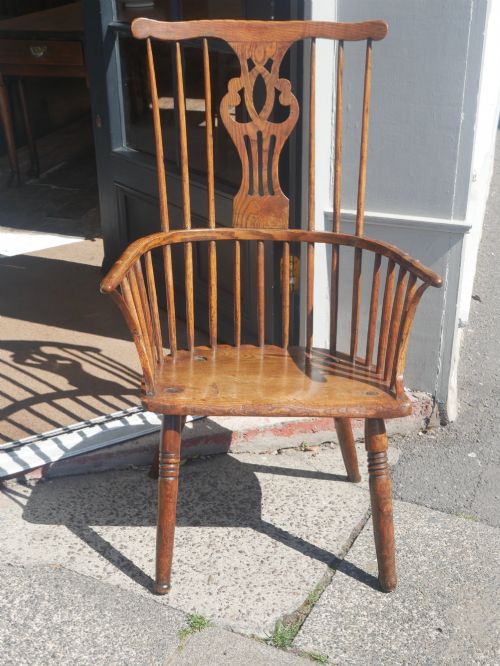
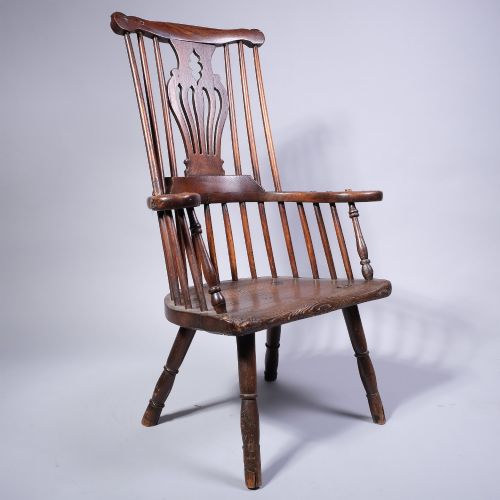
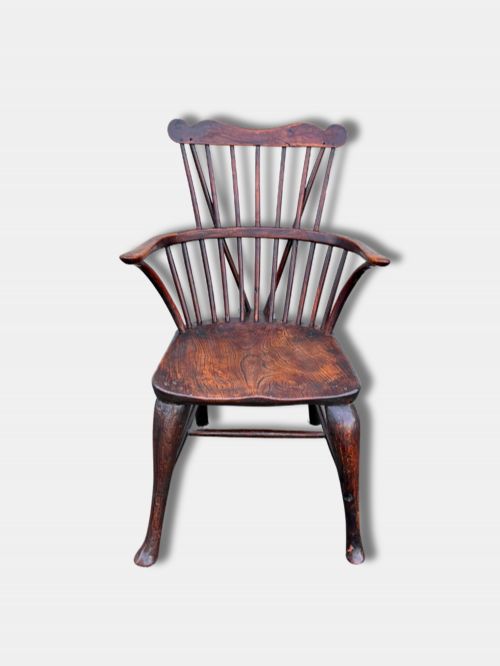
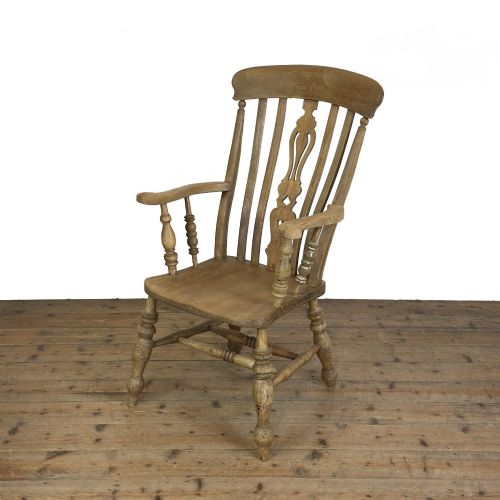
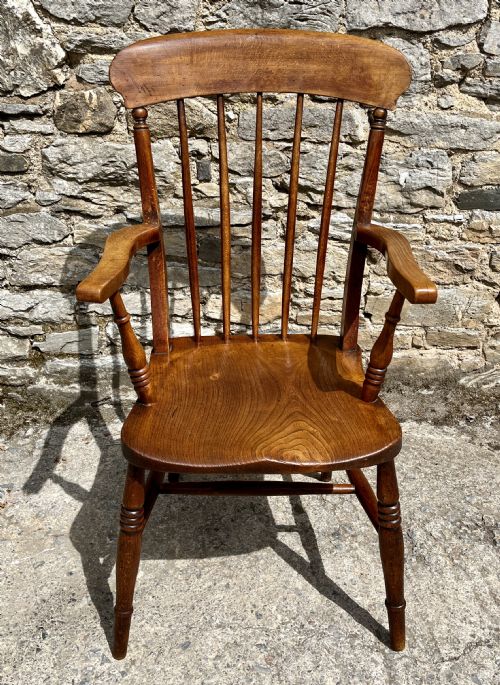
When searching for an elm comb back chair, you encounter sturdy wooden seating belonging to the wider Windsor family, featuring an extended back rail that resembles the teeth of a comb. The pieces recorded in these archives span the eighteenth and nineteenth centuries, taking the form of armchairs, dining chairs, and occasional rocking chairs.
The style encompasses primitive vernacular pieces as well as refined regional workshops. Makers utilised local hardwoods to construct seating intended for everyday utility rather than formal parlours.
How they were made
Joiners combined contrasting native timbers to utilise the specific mechanical properties of each wood. Solid elm formed the carved saddle seats due to its resistance to splitting, while ash or fruitwood provided strong, straight-grained spindles and legs.
Makers shaped the components using drawknives and spokeshaves before assembling the frame through wedged tenon joints. Steam-bending techniques allowed the continuous back bow or crest rail to curve smoothly around the sitter.
Elm Comb Back Chair Retail Price Guide 2026
Typical asking prices for elm comb back chair among the pieces listed under this phrase on Sellingantiques today, from the lower quarter to the upper quarter. They describe what is for sale here now, not the wider market.
Recorded object forms include armchairs, dining sets, side chairs, and rocking chairs.
What varies in quality
The sophistication of the turning work on the legs and arm supports dictates much of the visual hierarchy among these chairs. Crisp, well-proportioned spindles reflect the maker's confidence, whereas heavy or clumsy replacements detract from the integrity.
Timber selection and surface preservation separate ordinary examples from exceptional ones. Original unstripped surfaces showing rich grain patterns and deep patination hold greater distinction than stripped or over-restored timber.
The Elm Comb Back Chair Glossary
- Comb back
- A Windsor chair variation where the vertical spindles pierce through the seat and extend upward into a horizontal top rail. This construction provides robust upper back support.
- Saddle seat
- A thick plank of timber, typically elm, carved into a concave depression for seating comfort. The shaping process accommodates the natural movement of the wood over time.
- Vernacular
- Objects designed by regional craftspeople using local materials and traditional methods rather than adhering to metropolitan style manuals. These pieces serve immediate domestic or agricultural functions.
- Spindle
- A slender, turned wooden rod used to fill the space between the arm supports and the top rail. Their number and spacing vary according to the regional workshop.
- Stretcher
- A horizontal wooden member connecting the legs of a chair to provide structural rigidity. They are often arranged in an H-pattern or crinoline bow configuration.
Elm Comb Back Chair: Frequently Asked Questions
What is an elm comb back chair?
An elm comb back chair is a traditional Windsor seating form featuring a thick wooden seat and vertical spindles rising to a flat or curved top rail. These pieces were built by regional joiners using local hardwoods.
They appear in domestic contexts across the eighteenth and nineteenth centuries, serving as functional chairs for kitchens, farmhouses, and vernacular parlours.
How were these chairs used?
These chairs served as sturdy everyday seating around farmhouse dining tables and near hearths. Their robust construction suited continuous daily domestic service.
Armchairs provided comfort in living spaces, while side chairs and matching sets accommodated dining rooms and kitchen spaces across generations.
How do I live with an elm comb back chair?
Living with these pieces involves placing them away from direct heat sources and sudden humidity changes to protect the joined timbers. Regular dusting maintains the finish without needing harsh polishes.
Their versatile scale allows them to function easily as desk chairs, hallway seating, or standalone decorative accents in modern and traditional interiors alike.
How can I tell the period?
Dating relies on observing construction marks, timber choice, and tool evidence left by the maker. Eighteenth-century examples often display simpler hand-carved details and deeper patina, while Victorian pieces may show more standardised turning.
Regional traits, such as Welsh or Thames Valley characteristics, also help place the chair within a specific era of country craftsmanship.