



Elm Chest of Drawers
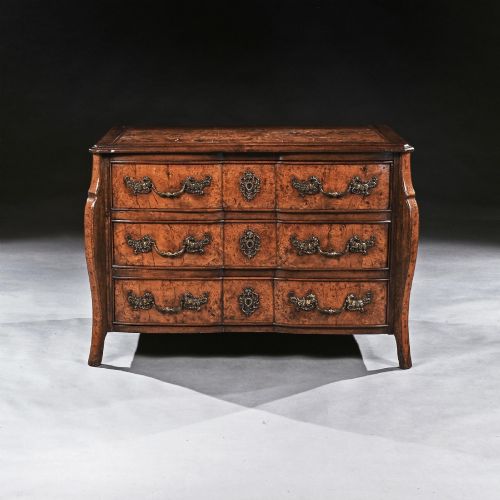
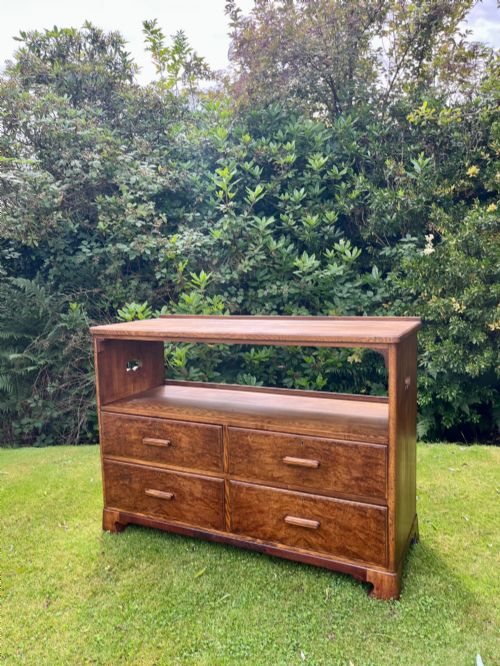
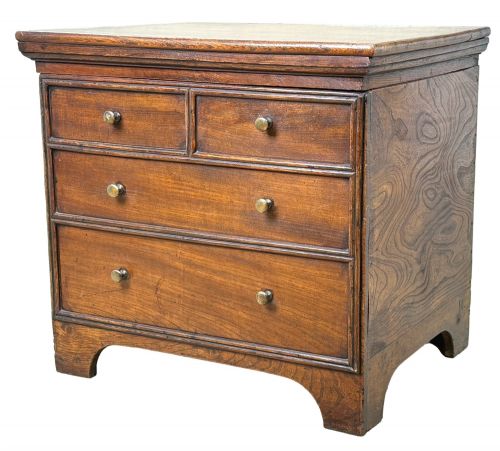
An elm chest of drawers brings honest grain and deep warmth into a room, offering robust storage built from timber with a distinctive figured pattern.
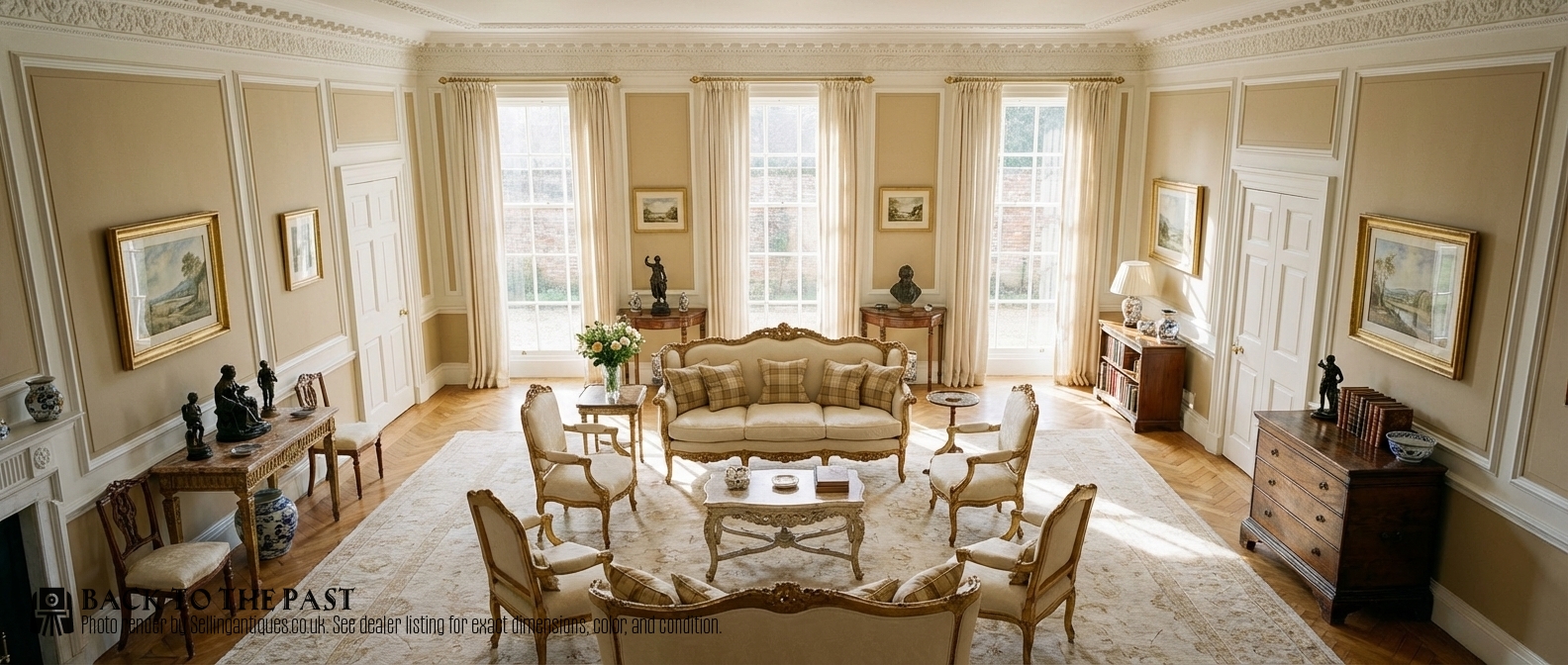
Identifying an elm chest of drawers
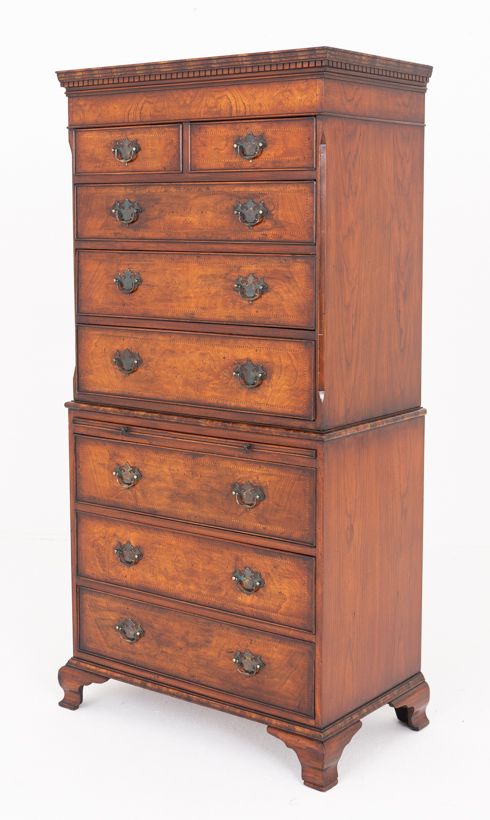
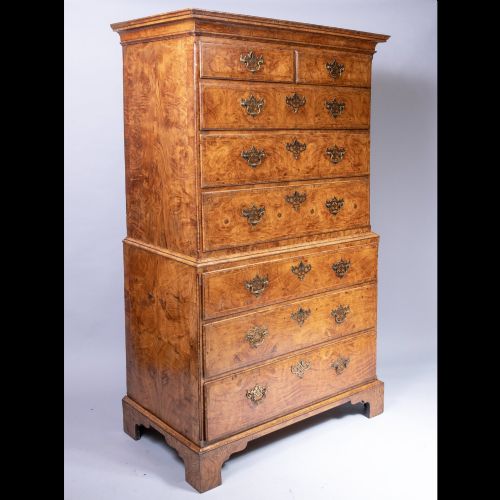
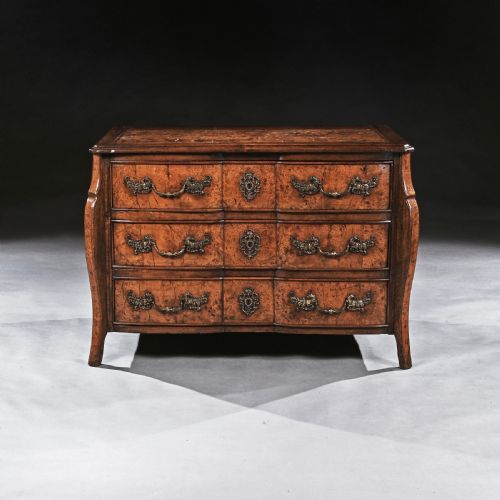
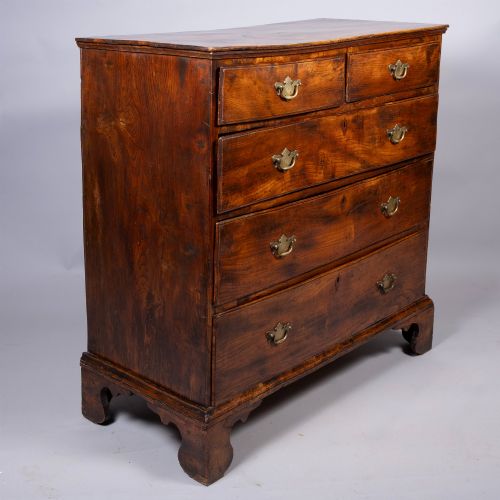
An elm chest of drawers satisfies the demand for robust utility coupled with striking timber grain, drawing buyers who appreciate country character alongside formal Georgian design. These storage pieces range from modest country examples to taller secretary formats, tallboys, and commodes.
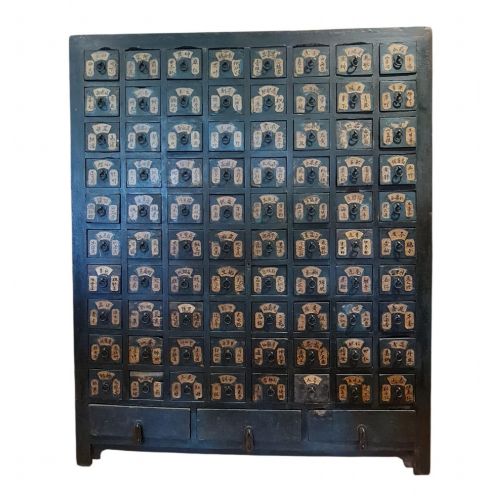
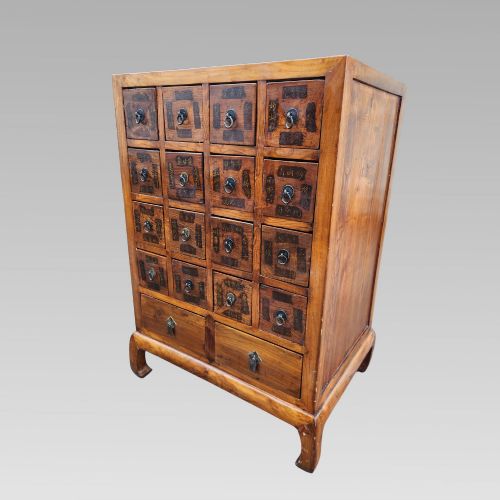
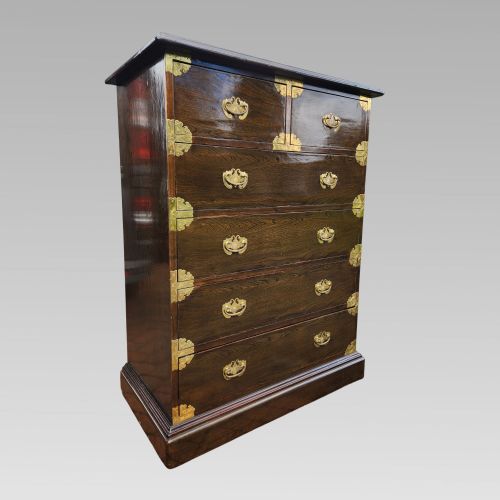
The pieces appearing in these listings span the eighteenth, nineteenth, and early twentieth centuries, alongside regional variations from Dutch, Scandinavian, Korean, and Japanese traditions. Regional makers often combined elm with oak, walnut, or brass hardware to create distinct storage forms.
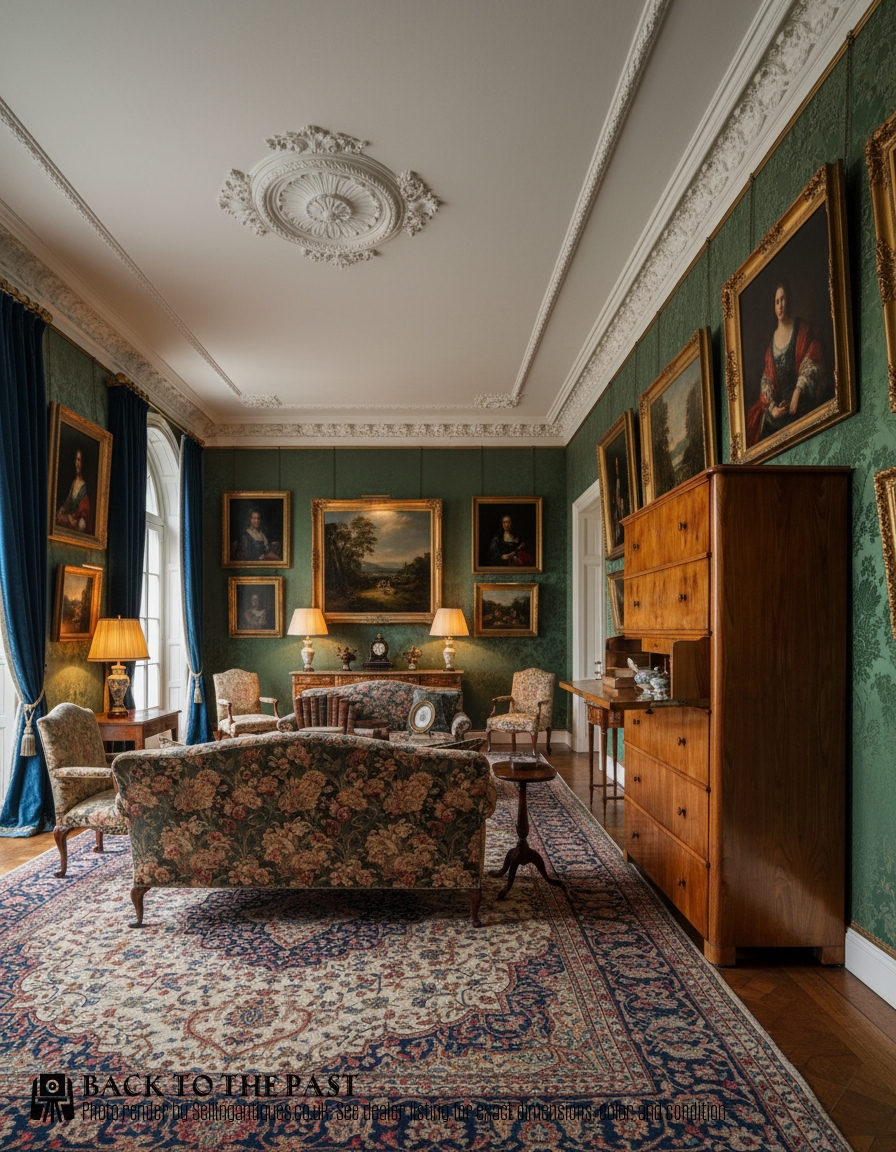
Materials and construction
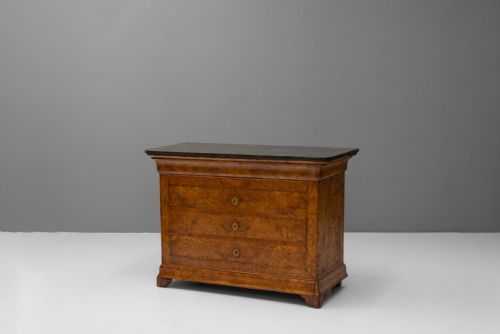
Makers utilised solid elm and burr elm veneer over secondary woods like oak, pine, and walnut, often applying boxwood line inlay or marble tops to formal commodes. Brass handles, escutcheons, and hinges provide functional contrast against the swirling timber figures.
Joinery techniques follow traditional cabinet-making methods appropriate to the period, from eighteenth-century country construction to Arts and Crafts workshops and twentieth-century cabinet makers such as Whytock and Reid.
Retail Price Guide 2026
Typical UK retail prices for elm chest of drawers, calculated from the Sellingantiques database of over a million retail prices indexed since 2003. This retail price guide relies exclusively on Sellingantiques data; no external sources or auction records are used, so the figures do not describe the wider market.
Listings feature elm alongside brass, oak, walnut, and pine across Georgian, Victorian, Arts and Crafts, and international regional styles.
Judging quality in elm furniture
Quality rests primarily on the choice of timber, where heavily figured burr elm or select Dutch and Georgian veneers command attention over plain boards. The handling of secondary woods and the crispness of inlaid boxwood lines further distinguish high-end workshops from country pieces.
Proportion and intact original brass hardware separate exceptional examples from standard utilitarian items, as does the survival of original surfaces on pieces ranging from small apprentice chests to large commodes.
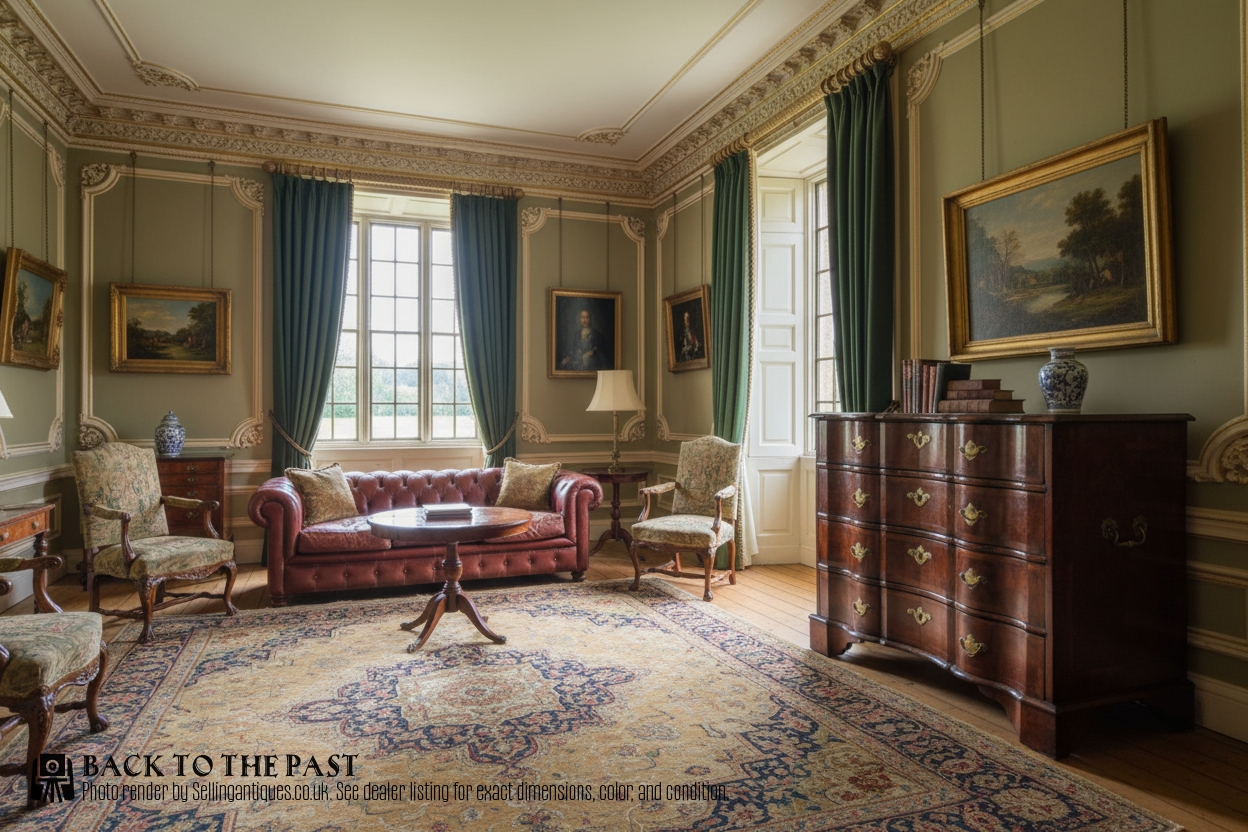
Whytock and Reid
The Elm Chest of Drawers Glossary
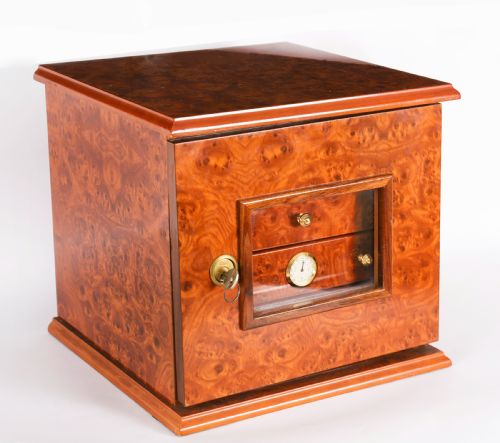
- Burr elm
- A growth distortion on the elm tree that produces dense, swirling clusters of knots when sliced into veneer. Cabinet makers prize this timber for decorative drawer fronts.
- Commode
- A low chest of drawers or cabinet, often featuring decorative mounts or a marble top in nineteenth-century and continental traditions.
- Bandaji
- A traditional Korean storage chest operated with brass strapwork and hinges, frequently constructed with elm veneer.
- Secretaire chest
- A chest of drawers containing a fitted writing drawer that folds down to reveal small compartments and pigeonholes.
- Brush slide
- A pull-out shelf positioned above the top drawers, historically used for dusting garments or writing.
Frequently Asked Questions
How do I date an elm chest of drawers?
Dating relies on construction methods, drawer dovetails, handle styles, and secondary woods like oak or pine found inside the carcass. Georgian examples show hand-cut dovetails while later nineteenth-century pieces display machine assistance.
Comparing the overall silhouette, whether a flat top or a chest on chest configuration, helps align the piece with documented periods like the eighteenth or nineteenth century.
What is burr elm?
Burr elm comes from a wart-like growth on the tree that creates intricate, swirling patterns in the wood grain. Cabinet makers sliced this wood into thin veneers for decorative drawer fronts.
Because burr elm is visually striking, it usually denotes a higher status piece intended for formal rooms rather than country utility.
Where were these chests made?
These storage pieces originate from British regional workshops, Georgian cabinet makers, and international traditions including Dutch, Scandinavian, Korean, and Japanese makers. British country pieces often used local elm alongside oak.
Continental and Asian examples introduced distinct regional forms like the Bandaji or inlaid Scandinavian commodes.
How do I care for elm furniture?
Keep elm furniture away from direct heat sources and drastic humidity changes to prevent the timber and veneers from splitting or warping. Dust gently with a dry or slightly damp cloth.
Avoid heavy silicone polishes and instead nourish the wood occasionally with traditional beeswax to preserve the natural lustre of the grain.