


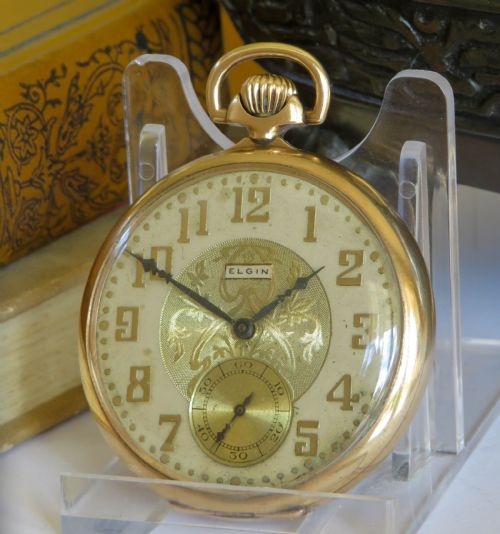


Elgin Mechanical Watch
An elgin mechanical watch is a dependable timepiece driven by springs and gears, offering precision engineering and classic styling for daily wear or collection.
Elgin Mechanical Watch
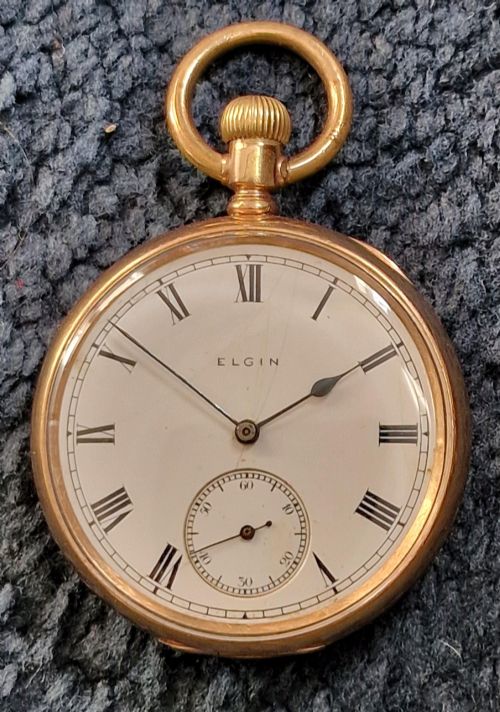
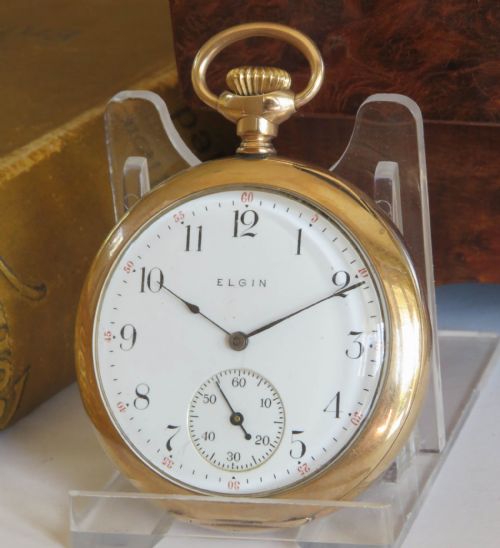
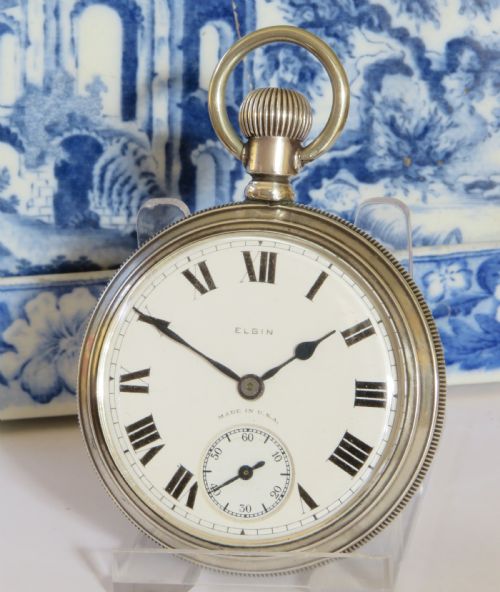
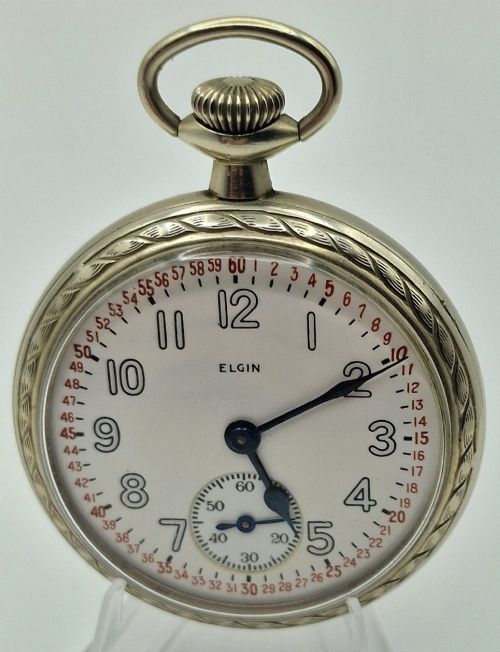
An elgin mechanical watch is a timepiece powered by a wound mainspring rather than a battery, originating from the American manufacturer. When you search for this phrase, you find a selection spanning pocket watches and wristwatches from the early twentieth century through the middle decades.
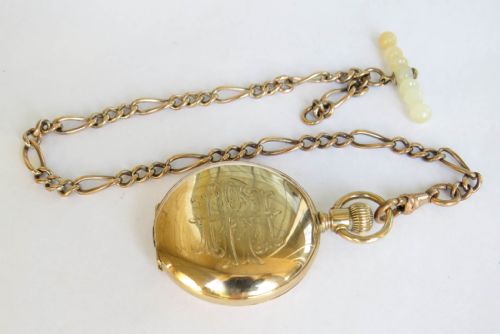
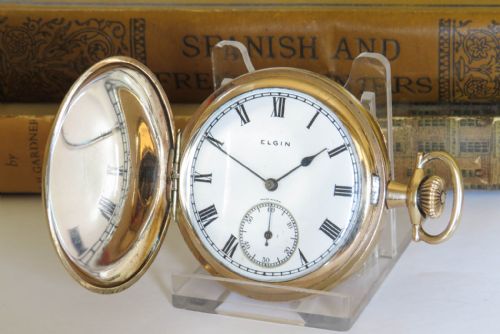
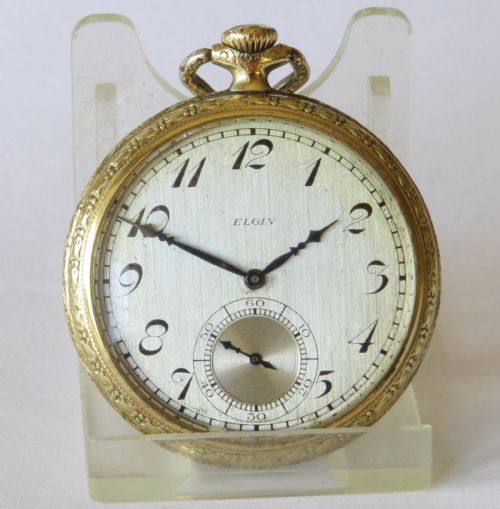
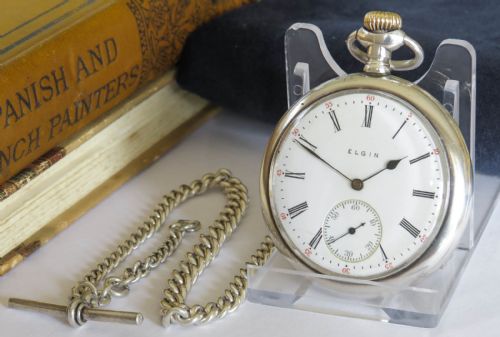
The versions most commonly met on this page include silver pocket watches, full hunter models with protective metal covers, and Art Deco wristwatches in gold plate or white gold. Pieces range from military issue items to railway timepieces and elegant ladies fob watches.
Dating primarily from the 1910s to the 1940s, these timepieces demonstrate the shift from pocket carriage to wrist wear during the periods seen in the evidence. They reflect both utilitarian service use and decorative style evolution.
Materials and construction
The construction of an elgin mechanical watch relies on durable metals and alloys housed in cases of silver, gold plate, gold filled material, nickel, steel, or base metal. Glass protects the dial face, while enamel often forms the base of traditional railway and pocket watch dials.
Many examples are paired with leather straps or metal chains for secure attachment. Internal movements utilise intricate brass and steel gear trains designed to translate spring tension into measured time.
Elgin Mechanical Watch Retail Price Guide 2026
Typical asking prices for elgin mechanical watch among the pieces listed under this phrase on Sellingantiques today, from the lower quarter to the upper quarter. They describe what is for sale here now, not the wider market.
Listings feature movements housed in materials ranging from base metal and nickel to silver, gold plate, and 14k white gold.
Distinctions in quality
Quality in an elgin mechanical watch is defined by the preciousness of the casing materials, such as solid silver or 14k white gold compared to gold plate or base metal. Higher tier pieces often feature specialised railway or military specifications alongside refined Art Deco case designs.
The presence of specialised complications, specific departmental markings like railway inscriptions, and the original pairing with matching chains or fitted dials distinguish exceptional examples from standard production pieces.
Elgin·North British Railway
The Elgin Mechanical Watch Glossary
- Mechanical watch
- A timepiece powered by a mainspring and regulated by a balance wheel rather than electronic components. This traditional mechanism requires manual winding.
- Full hunter
- A pocket watch featuring a spring-loaded metal cover that protects the glass dial from scratches. The cover springs open via a push-piece on the crown.
- Art Deco
- A design style prevalent in the 1920s and 1930s characterised by geometric shapes, stylized motifs, and streamlined elegance. It appears frequently on wristwatch cases from this era.
- Gold filled
- A manufacturing method where a layer of solid gold is mechanically bonded to a base metal core. This provides the appearance and wear resistance of solid gold at a different proportion.
Elgin Mechanical Watch: Frequently Asked Questions
How do I wind an elgin mechanical watch?
Wind the watch by turning the crown clockwise between your thumb and forefinger until you feel gentle resistance. Stop immediately at that point to avoid over-winding and straining the mainspring.
For pocket watches, the crown sits at the top twelve o'clock position, while wristwatches feature a smaller crown on the side of the case.
Are these watches accurate for daily wear?
These timepieces can keep reliable time when properly maintained and serviced by a professional horologist. Mechanical movements from the early and mid twentieth century naturally vary slightly over twenty four hours compared to modern quartz timepieces.
Factors such as temperature, position, and the condition of the internal lubricants influence daily performance.
How can I tell the period of my watch?
The period can often be estimated through stylistic indicators such as Edwardian typography, Art Deco geometric case designs, or military service markings. Serial numbers stamped on the internal movement provide a precise manufacturing date when checked against historical production records.
Case materials and overall form also offer clear clues to the decade of manufacture.