



Electroplate Candle Holder
An electroplate candle holder brings nineteenth-century dining tables to life with bright metal and steady candlelight.

Electroplate Candle Holder
An electroplate candle holder brings nineteenth-century dining tables to life with bright metal and steady candlelight. These domestic metalwares take the form of single candlesticks, desk variants with attached pans, and branched candelabras that often feature removable drip pans. Most examples belong to the Victorian and Edwardian eras, spanning neoclassical columns and rococo Revival curves.
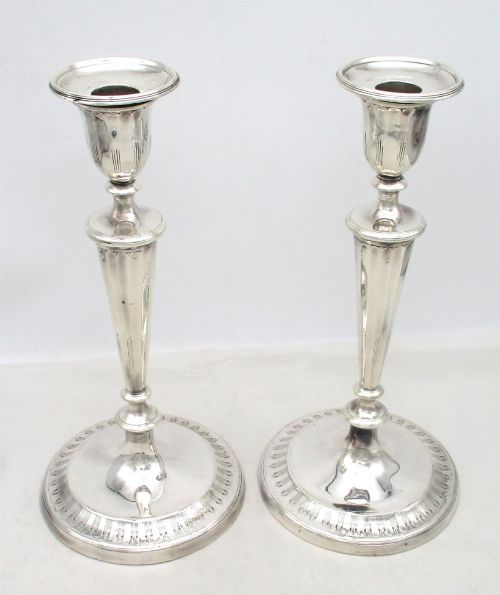
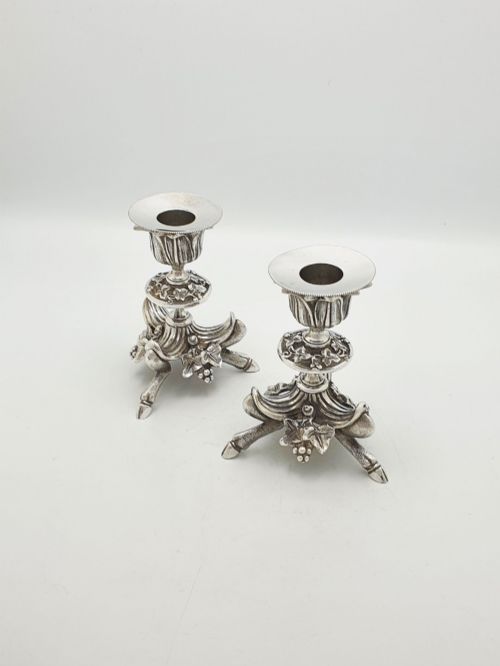
Buyers encounter matching pairs frequently, alongside larger suites and multi-light centrepieces furnished with dishes or palm tree motifs. Materials range from basic base metal and copper to nickel silver and silver plate. The selection leans heavily towards English workshops, with notable items carrying clear historical origins.
Proportions vary from small desk accessories to grand five-light candelabras designed for formal reception rooms. The presence of distinct period styles helps date each piece accurately by its decorative vocabulary.
How they were made
Maker workshops built these items upon a foundation of base metal, copper, or nickel silver. Artisans applied a thin coating of silver through chemical electroplating methods that emerged during the nineteenth century.
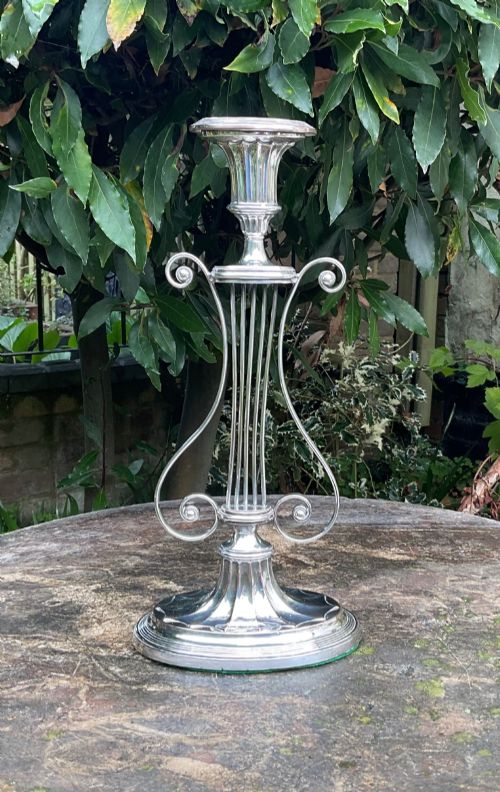
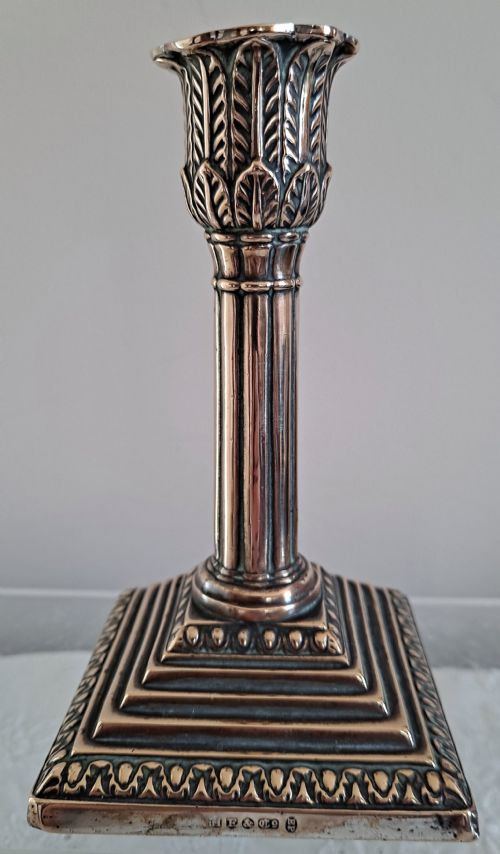
Decorative elements such as Corinthian capitals, lyres, and figural motifs were cast separately and soldered or fitted to the main columns. Makers then polished the metal surfaces to achieve a bright finish that imitated solid silver.
Electroplate Candle Holder Retail Price Guide 2026
Typical asking prices for electroplate candle holder among the pieces listed under this phrase on Sellingantiques today, from the lower quarter to the upper quarter. They describe what is for sale here now, not the wider market.
Listings feature items from the Victorian and Edwardian periods alongside Georgian-style pieces, utilising base metal, copper, nickel silver, and silver plate.
What varies in quality
Quality rests in the crispness of the cast ornamentation and the structural weight of the metal. Superior items display sharp detailing on classical columns and rococo scrolls without softening from excessive wear or poor plating.
Maker marks and balanced proportions distinguish finer production from standard commercial output. Matching pairs with intact structural integrity and clear period characteristics command greater attention.
Smith & Sissons & Co·John Pound & Co·Elkington
The Electroplate Candle Holder Glossary
- Electroplate
- A metal object coated in a thin layer of silver using an electrical current. This technique became widespread in the nineteenth century to provide the look of solid silver at a lower cost.
- EPNS
- Electroplated nickel silver. This designation indicates a base of nickel alloy beneath the silver coating.
- Candelabra
- A branched candlestick holding multiple lights. These larger pieces often incorporate removable branches for use as single candlesticks.
- Corinthian column
- A classical architectural column style featuring ornate acanthus leaves on the capital. This motif appears frequently on nineteenth-century candlesticks.
- Desk candlestick
- A low candle holder typically mounted on a shallow tray or pan. It was designed for use on writing desks and dressing tables.
Electroplate Candle Holder: Frequently Asked Questions
How do I clean an electroplate candle holder?
Use a soft cloth and a gentle silver cleaner formulated for plated items. Avoid harsh abrasives that can wear away the thin silver surface.
Take care around soldered joints and engraved details to preserve the original finish over time.
Are these candle holders made of solid silver?
No, these items consist of a base metal, copper, or nickel silver coated with a layer of silver plate. The electroplating process allowed makers to produce durable tablewares without the high cost of solid precious metal.
Marks on the base often indicate the underlying alloy or the workshop responsible for the plating.
How can I tell a Victorian piece from an Edwardian one?
Victorian examples often display heavy rococo revival curves, naturalistic motifs, or ornate classical details. Edwardian pieces tend to favour cleaner neoclassical lines, such as simple Corinthian columns.
Examining the weight, proportion, and associated hallmarks helps confirm the period of manufacture.