





Eighteenth Century Vessel
An eighteenth century vessel brings the domestic and decorative craft of the Georgian period directly into modern rooms through tangible history.
Eighteenth Century Vessel
When you search for an eighteenth century vessel, you enter a diverse category encompassing utility, display, and ritual objects spanning ceramics, metals, and glass. The selections here range from utilitarian kitchen and tavern items to refined mantel ornaments and table service pieces.
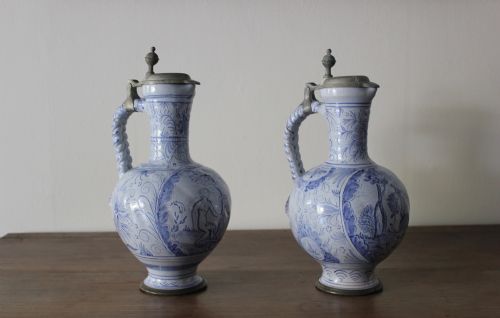
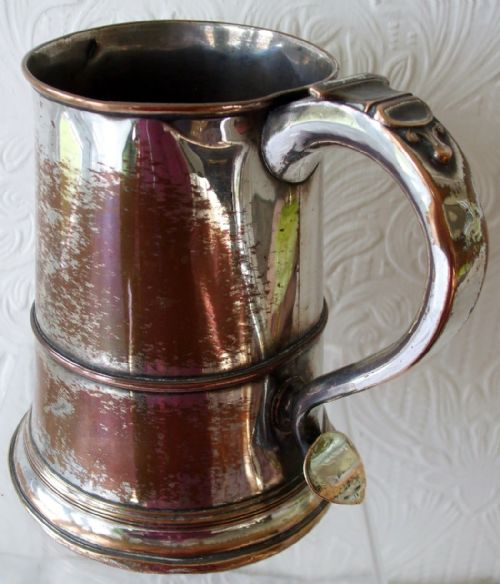
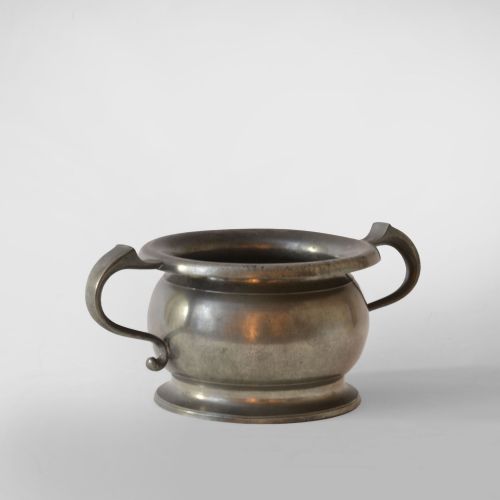
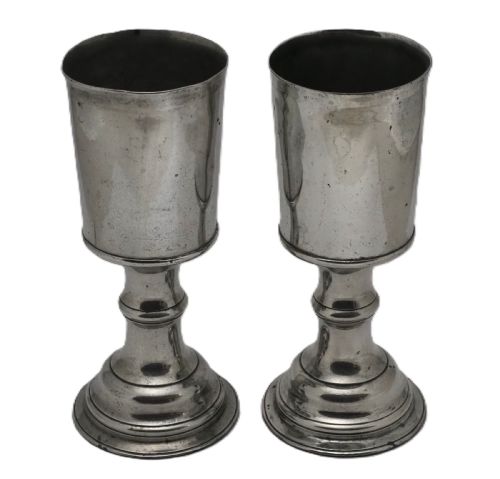
The most common forms you will encounter on this page include mugs, tankards, bowls, and jugs fashioned in pewter, porcelain, earthenware, and copper. These functional pieces reflect the daily domestic routines and dining habits of households across Britain, Europe, and Asia during the Georgian era.
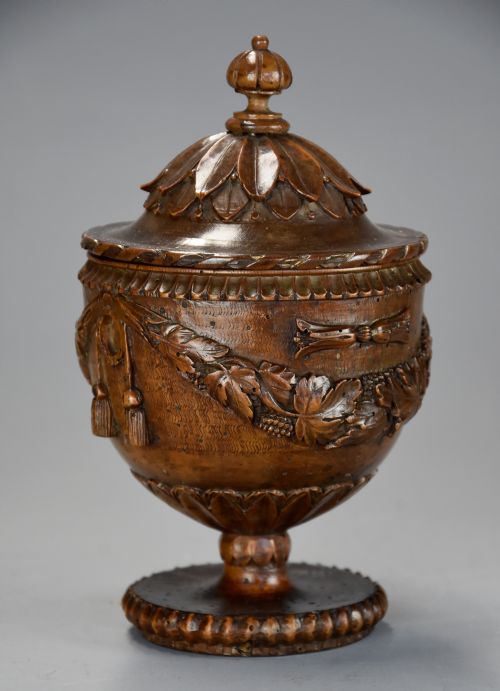
Beyond domestic hardware, the evidence reveals specialised vessels like chamber pots, incense burners, brush washers, and lidded urns originating from English, Scottish, Welsh, Dutch, Italian, and Chinese workshops. Each surviving specimen carries the distinct design vocabulary of its origin, whether that is Swedish country simplicity or elaborate Dutch Baroque and Neoclassical ornamentation.
Materials and construction methods
Metals such as pewter, copper, brass, and silver were shaped through hammering, casting, and soldering to create sturdy mugs, flagons, kettles, and sauce boats. Pewter items often bear touchmarks identifying individual makers like Scottish pewterers, while silver pieces utilise high-purity standards.
Ceramic vessels rely on clay bodies finished with glazes, paint, and enamel, encompassing earthenware, porcelain, maiolica, and delftware. Specialised techniques include iron rust glazing on compressed forms and delicate hand-painted polychrome decoration applied across bowls, vases, and tobacco jars.
Glass production is represented by lead glass formed into baluster sweetmeat glasses and shaft-and-globe decanters. These transparent items demonstrate glassblowing and manipulation skills typical of mid-eighteenth-century workshops.
Eighteenth Century Vessel Retail Price Guide 2026
Typical asking prices for eighteenth century vessel among the pieces listed under this phrase on Sellingantiques today, from the lower quarter to the upper quarter. They describe what is for sale here now, not the wider market.
A pottery cow creamer allows you to serve cream directly from the animal's mouth.
Distinctions in craftsmanship and preservation
Quality in these vessels rests on the crispness of execution, whether in the carved details of walnut urns, the precision of embossed silver, or the sharpness of painted ceramic motifs. Superior pieces exhibit confident handling of material by the maker without heavy distortion.
The integrity of surface decoration and original finishes dictates much of the appeal, distinguishing items with well-preserved glazes, intact hand-painted pigments, and unblemished patinas on metals from heavily worn equivalents.
Structural completeness, such as the survival of original lids, handles, and spouts on kettles, flagons, and jars, elevates a piece. Matched pairs and signed works by documented porcelain painters or pewterers carry greater historical weight.
W. Scott of Edinburgh·Zachariah Boreman
The Eighteenth Century Vessel Glossary
- Flagon
- A large drinking vessel with a handle and spout, often fitted with a lid for holding liquids like ale or wine. Spouted spire flagons represent specific regional forms from the late eighteenth century.
- Censer
- A vessel designed for burning incense, frequently taking a tripod form in Asian porcelain and ceramic traditions. These items served ritual or decorative domestic functions.
- Delft
- Tin-glazed earthenware originating from the Netherlands and England, typically decorated with blue paint on a white background. It was widely used for utility jars, bowls, and display vessels.
- Baluster glass
- A drinking glass characterised by a stem resembling an architectural baluster, popular in lead glass manufacturing during the mid-eighteenth century.
- Britannia standard
- A higher standard of silver purity introduced by law in England, containing slightly more pure silver than sterling, utilised for specific silver mugs and plate.
Eighteenth Century Vessel: Frequently Asked Questions
What did they use an eighteenth century vessel for?
These items served varied daily and ceremonial functions, ranging from pouring liquids and storing tobacco to washing brushes and burning incense.
Domestic household tasks relied on metal jugs, mugs, and pewter chamber pots, while porcelain and glass items functioned primarily at the dining table or in display settings.
Are these ceramic vessels safe for food?
Most antique ceramics feature historic glazes that may contain lead or other substances unsuited for modern food consumption.
It is generally advisable to treat these pieces as decorative objects or historical display items rather than functional tableware.
How can I tell a Georgian piece apart?
Georgian objects typically display stylistic hallmarks associated with the reigns of the Georges, including Neoclassical symmetry, Dutch Baroque influences, or simple country craftsmanship.
Examining material standards, maker marks, and construction techniques helps anchor a piece securely within the eighteenth-century timeline.