




Eighteenth Century Portrait Artwork
Eighteenth century portrait artwork brings the striking presence of Georgian sitters and classical subjects directly onto your walls.
Eighteenth Century Portrait Artwork
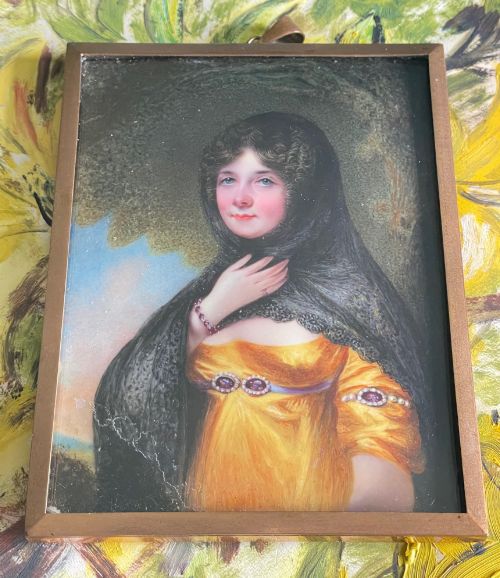
Eighteenth century portrait artwork encompasses oil paintings on canvas, enamel miniatures, engravings, and mezzotints capturing historical figures, nobility, and private citizens. These works span the Georgian and Regency eras, reflecting the aesthetics of the seventeen-hundreds alongside later interpretations.
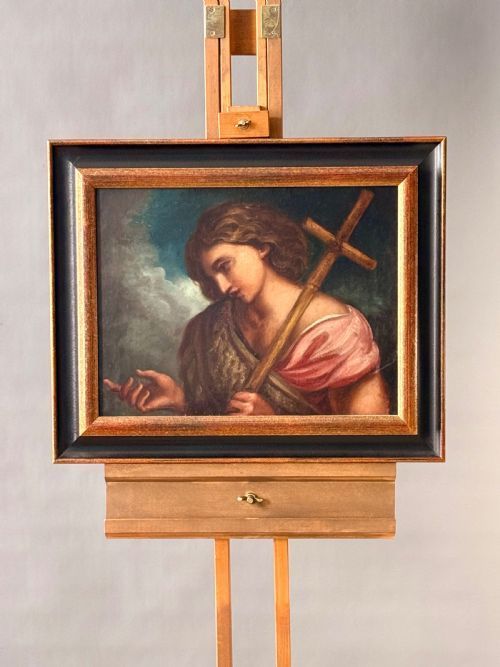
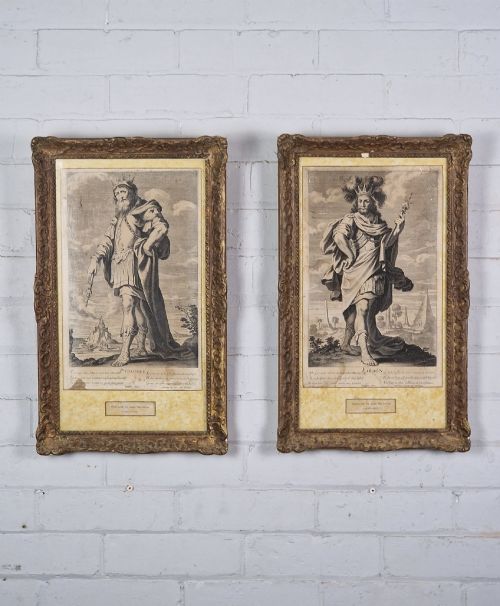
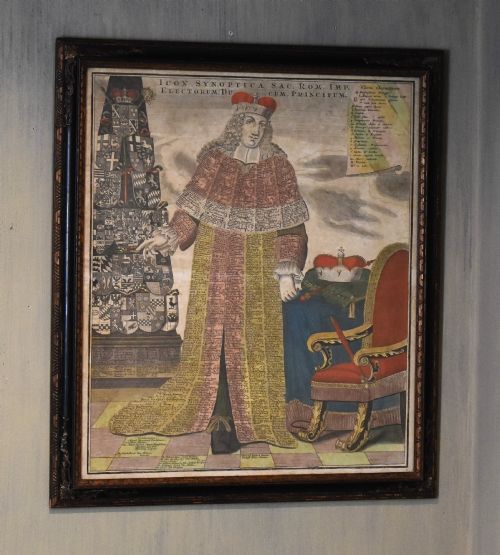
The pieces appearing on this page range from oil studies after old masters and original portrait paintings to reverse-painted prints and engravings by notable period printmakers. Framed works in gilt wood and glass predominate, preserving the likenesses of subjects through centuries.
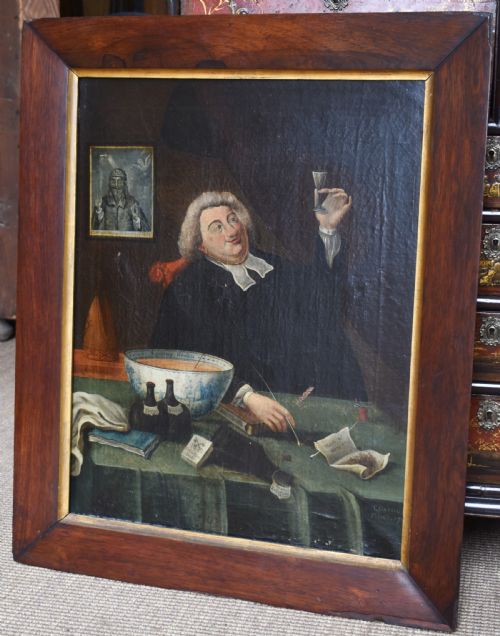
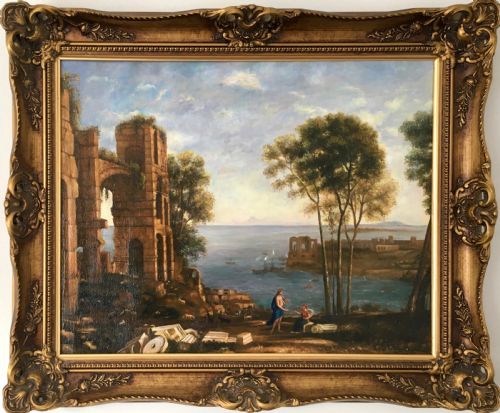
Subjects include named individuals, classical deities such as Flora, and character studies like the jolly parson or Italian landscapes with figures. Each piece serves as a window into eighteenth-century portraiture conventions, whether executed in oil, pastel, or enamel.
Factors determining quality
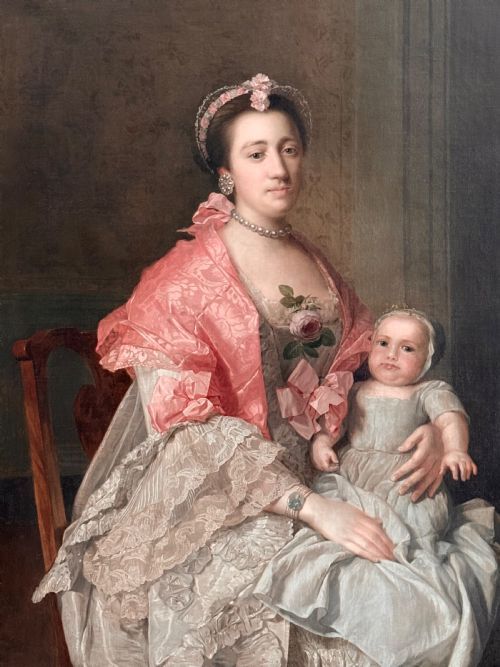
The skill of the hand delineates finer portraits from standard output, evident in the realistic rendering of fabrics, skin tones, and facial expressions. Studio attribution and documented connections to period artists elevate the standing of a canvas.
Condition of the medium and the frame dictates integrity, with original gilt wood surrounds and stable oil on canvas surfaces commanding attention. The clarity of detail in engravings and the vibrancy of surviving oil paint define the visual impact.
Eighteenth Century Portrait Artwork Retail Price Guide 2026
Typical asking prices for eighteenth century portrait artwork among the pieces listed under this phrase on Sellingantiques today, from the lower quarter to the upper quarter. They describe what is for sale here now, not the wider market.
Listings feature eighteenth century portrait artwork spanning oil paintings, enamel miniatures, and engravings from the Georgian and Regency periods.
Sir Allan Ramsay·Jean Mariette·John Smith·Charles Spooner·Horace Hone·Bartolomeo Schedoni·Nathaniel Hone·John Raphael Smith
The Eighteenth Century Portrait Artwork Glossary
- Mezzotint
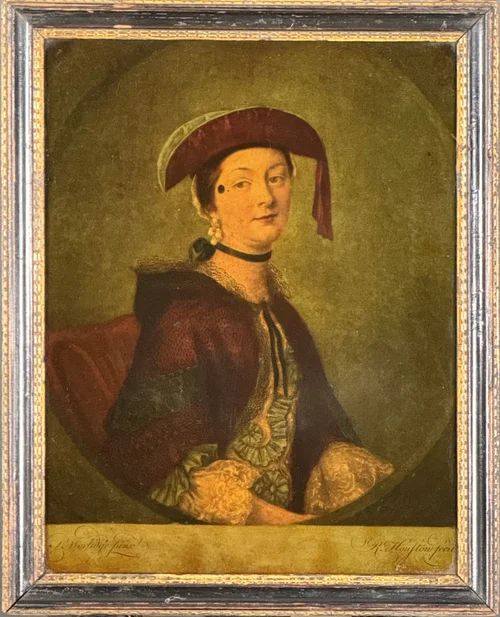
- A printmaking process of the print genre where the surface is roughened to achieve tonal gradations in dark and light. This technique allowed printmakers to reproduce painted portraits with notable subtlety.
- Enamel portrait
- A miniature painting fused to a metal base through firing, creating a durable glossy finish. Horace Hone utilised this method for small-scale likenesses.
- Capriccio
- An architectural fantasy placing buildings, archaeological ruins, and other architectural elements in a fictional combination. Francesco Guardi used this style in Mediterranean landscape compositions.
- Gilt wood
- Wood coated with gold leaf or metallic powder to simulate solid gold, frequently used for period picture frames. The application method affects the texture and light reflection of the surround.
- Oil on canvas
- Pigments bound in a medium applied to a stretched woven fabric support. This combination allowed artists to build rich colour depths and textures across eighteenth-century portraiture.
Eighteenth Century Portrait Artwork: Frequently Asked Questions
What defines an eighteenth century portrait?
An eighteenth century portrait captures a real person or classical subject using the painting, engraving, or enamel techniques characteristic of the seventeen-hundreds. These works emphasise sitter likeness, period dress, and formal composition.
Subjects range from aristocrats and gentry to mythological figures like Roman goddesses rendered in oil or pastel.
How do I hang antique portrait art safely?
Hang these framed works away from direct sunlight and damp environments to protect oil paint, paper prints, and gilded wooden frames. Secure wall fixings should match the weight of heavier oil on canvas pieces.
Ensure glass-fronted pieces like engravings and reverse-painted mezzotints have stable backing boards to prevent environmental damage.
How do I distinguish an original painting from a print?
Examine the surface under magnification to check for brush texture and pigment depth characteristic of oil paintings on canvas. Prints and engravings display patterned ink dots or fine parallel lines rather than applied paint.
Reverse-painted mezzotints show imagery applied directly behind protective glass rather than on a canvas or paper substrate.
What is the difference between Georgian and Regency portraits?
Georgian portraits typically reflect the elaborate clothing, powdered wigs, and formal poses associated with the seventeen-hundreds. Regency pieces lean toward the neoclassical style influenced by classical antiquity and simpler attire.
Enamel miniatures and softer pastel studies frequently appear in Regency contexts alongside traditional oils.