




Eighteenth Century Engraving
An eighteenth century engraving brings the curated artistry of the Georgian era directly to your walls on authentic period paper.
Eighteenth Century Engraving
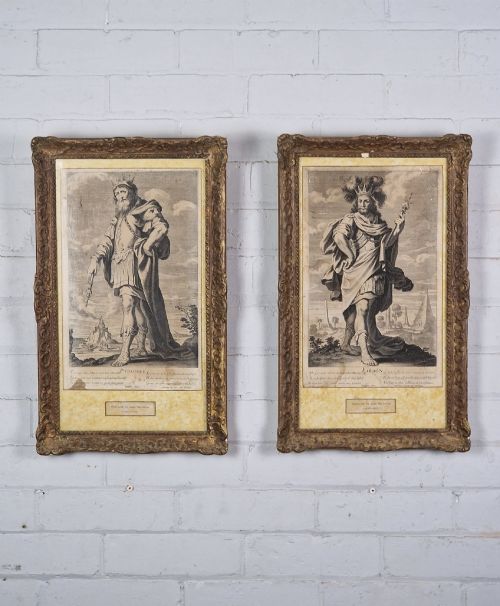
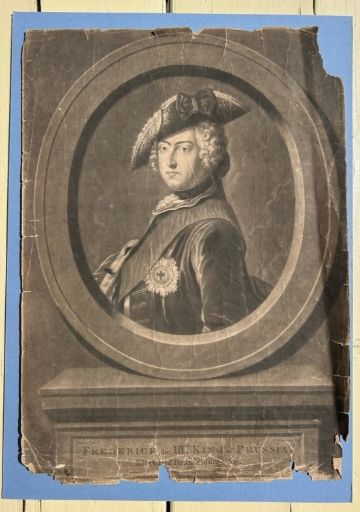
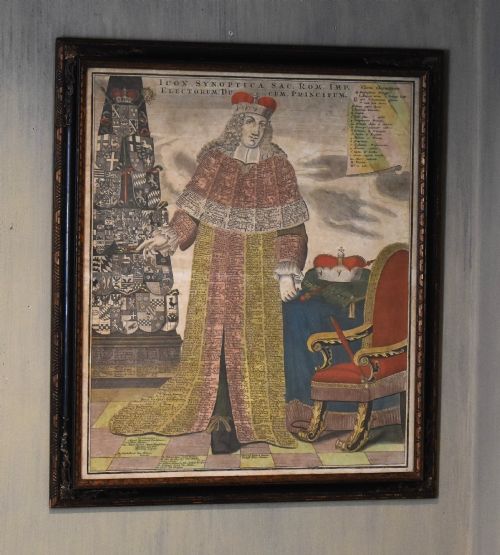
An eighteenth century engraving is a printed work on paper capturing classical architecture, historical portraits, and regional maps. These pieces arrive framed or bound within books, recording the visual culture of the period through detailed line work and ink.
You will most frequently meet framed prints and book illustrations spanning the Georgian era and the eighteenth century. They often feature prominent figures, mythological scenes, and architectural studies produced across Britain and Europe.
How they were made
Makers produced these works by carving designs into metal plates using steel tools, applying ink to the surface, and pressing the image onto paper. Artisans then housed many of these prints in wooden frames protected by glass.
The materials recorded in these pieces rely on ink applied to paper sheets, frequently accompanied by bound leather elements and wooden framing components. This combination preserved the delicate plates and illustrations for subsequent centuries.
Even portable pocket pistols and wall thermometers share space with these classical printed maps.
What varies in quality
The distinction in quality rests upon the clarity of the printed lines and the preservation of the paper sheet over time. Finer examples retain deep ink contrast and crisp detail without fading or heavy staining.
The sophistication of the original design and the skill of the engraver dictate the artistic merit of each work. Pieces executed after notable portrait painters or architects demonstrate superior composition and historical depth.
Jean Mariette·John Smith·Richard Houston·Andreas Vogler·George Adams·Simon François Ravenet·Robert Morden·Meyer and Mortimer·James Basire
The Eighteenth Century Engraving Glossary
- Engraving
- A printmaking technique where an artist cuts a design into a metal plate with a burin to hold ink. The inked plate transfers the image under pressure onto paper.
- Mezzotint
- A printmaking process where the artist roughens the metal plate to achieve tonal gradations and rich dark areas. This method creates soft shadows and lifelike portraits.
- Georgian
- Relating to the period of the British kings George the First through George the Fourth. It encompasses distinct architectural and artistic developments across the eighteenth and early nineteenth centuries.
- Neoclassical
- A style drawing inspiration from the classical art and culture of ancient Greece and Rome. It appears in architecture, decorative arts, and prints from the later eighteenth century.
- French Baroque
- An ornate artistic style characterised by grandeur and dramatic movement. It flourished in France and influenced European visual arts.
Eighteenth Century Engraving: Frequently Asked Questions
What is an eighteenth century engraving?
An eighteenth century engraving is an artwork printed from an incised metal plate during the Georgian period. These works record portraits, architecture, and topographical views.
They capture the aesthetic interests of the era using ink on paper. Many survive today within period frames or historical book bindings.
How should I display prints?
Display your prints away from direct sunlight to protect the paper and ink from fading. Use appropriate framing materials with conservation glass.
Maintain stable humidity levels in the room to preserve the integrity of the paper. Proper placement ensures the artwork remains stable for years.
How do I identify the period?
Examine the style of the portraiture, lettering, and framing to determine the likely era. Neoclassical motifs and Georgian attire often point towards the eighteenth century.
Look for paper characteristics and any inscriptions naming the artist or publisher. Archival records and maker signatures provide further chronological confirmation.
Were these prints bound in books?
Many engravings were originally published as plates within bound volumes and atlases. These books preserved large series of architectural or topographical illustrations together.
Collectors sometimes separate individual plates for framing while others keep complete volumes intact. Both formats maintain the historical context of the printing.