

Eighteenth Century Brass
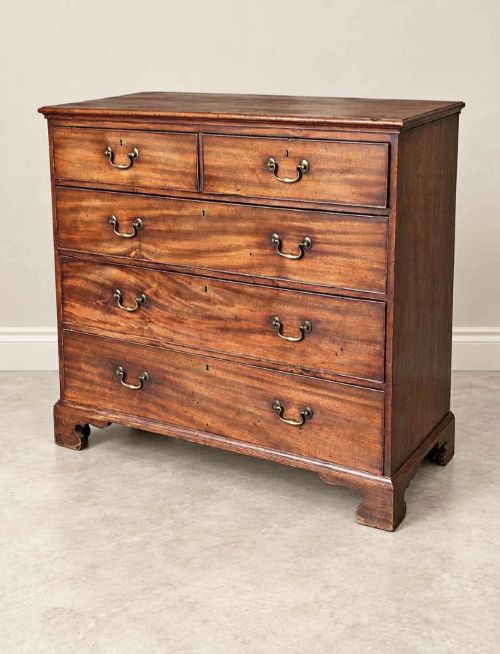
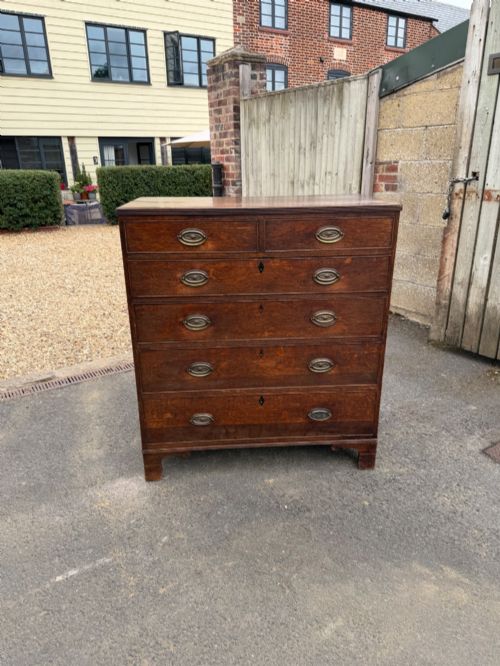
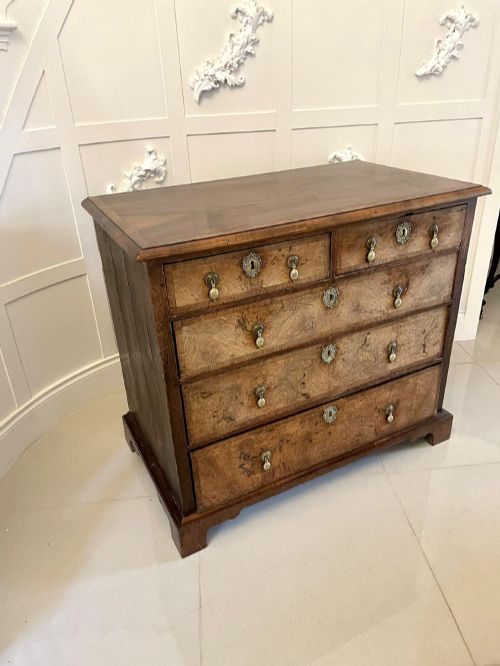
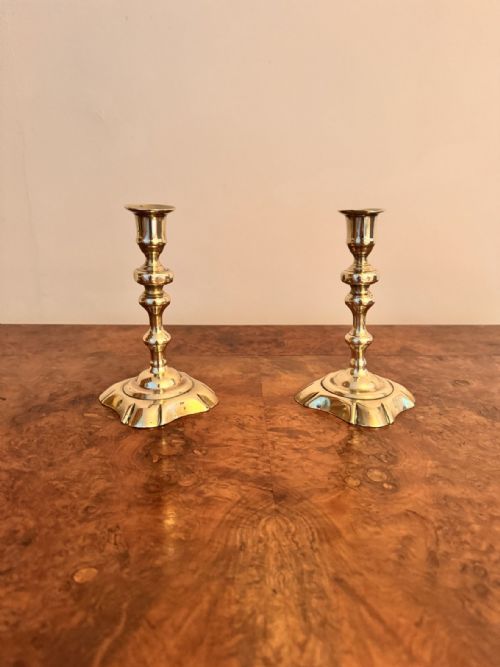
Eighteenth century brass brings warmth and substance to a room, showing through candlesticks, kettles, and cast mountings on furniture.
Eighteenth Century Brass
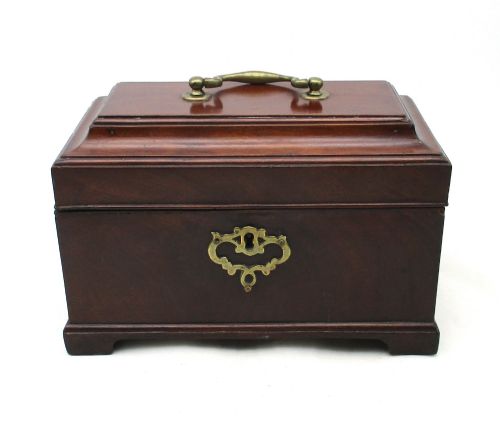
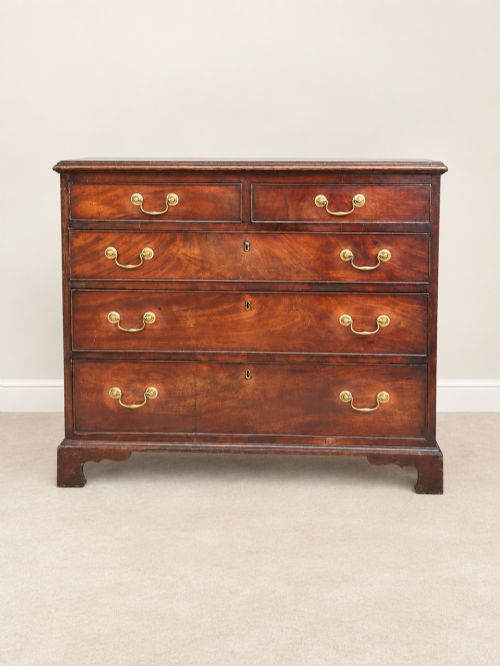
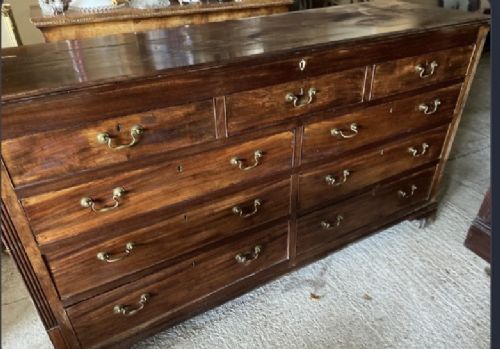
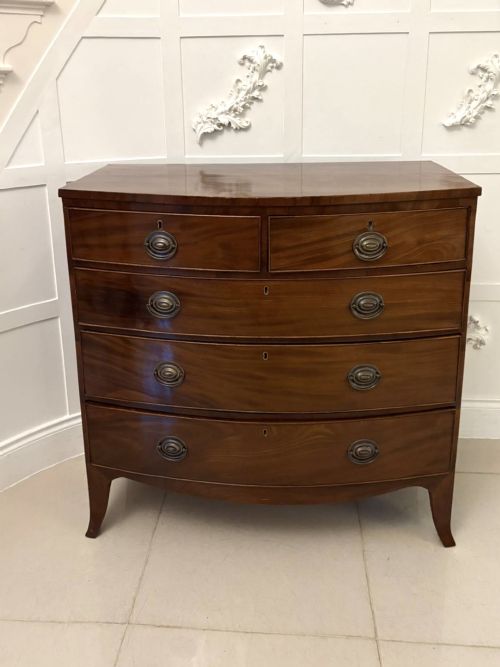
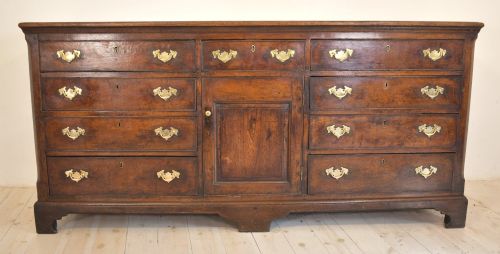
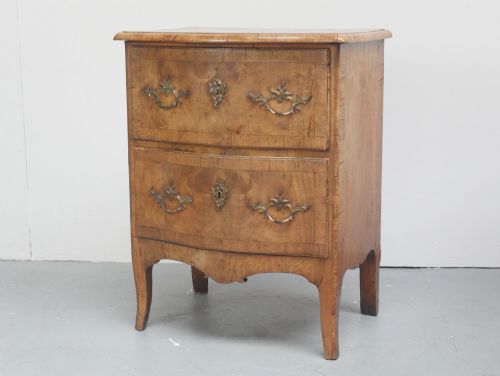
Eighteenth century brass items encompass functional domestic objects like candlesticks and kettles alongside structural hardware mounted on period furniture such as chests of drawers and caskets.
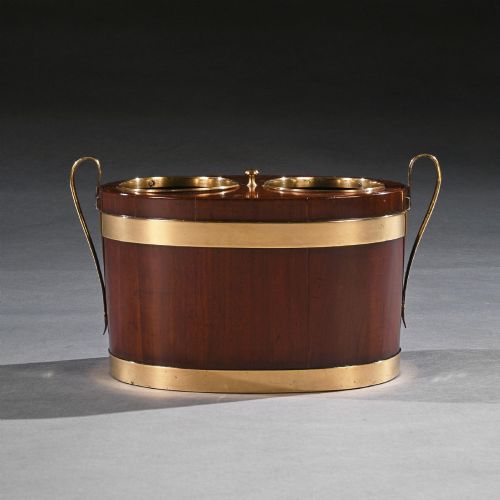
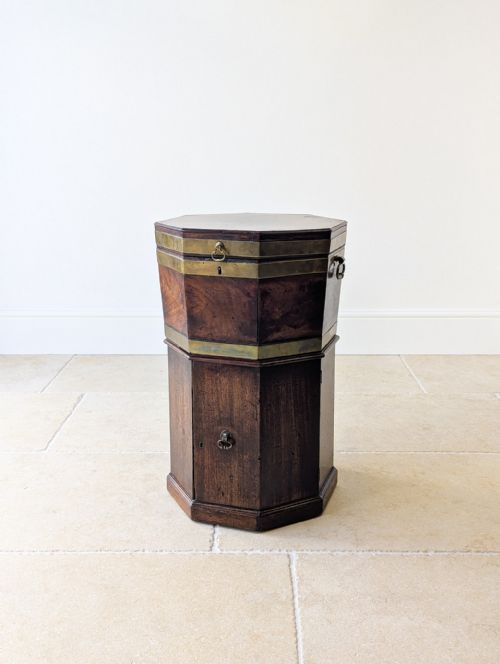
Candlesticks represent the most frequently encountered standalone items, while brass bound cellarets, tea caddies, and camphor caskets showcase the metal applied as decorative and protective banding.
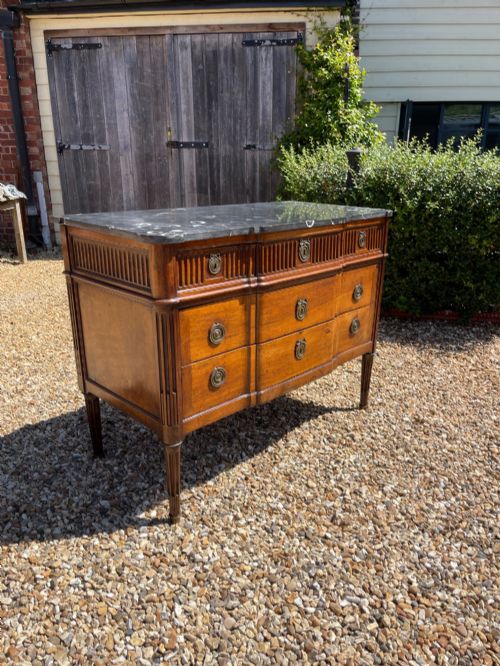
The material bridges diverse styles ranging from Queen Anne and George III pieces to continental examples like Dutch chandeliers and French commodes.
How they were made
Cast brass objects such as candlesticks utilised traditional sand casting or lost wax methods, leaving tactile surface textures from the initial moulds.
Sheet brass was beaten, cut, and pinned onto timber carcasses for cellarets, caskets, and tea caddies, combined with iron and steel fittings.
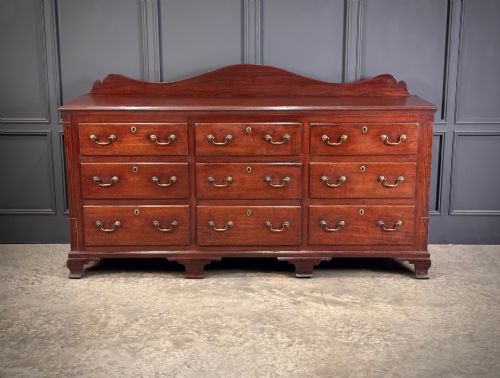
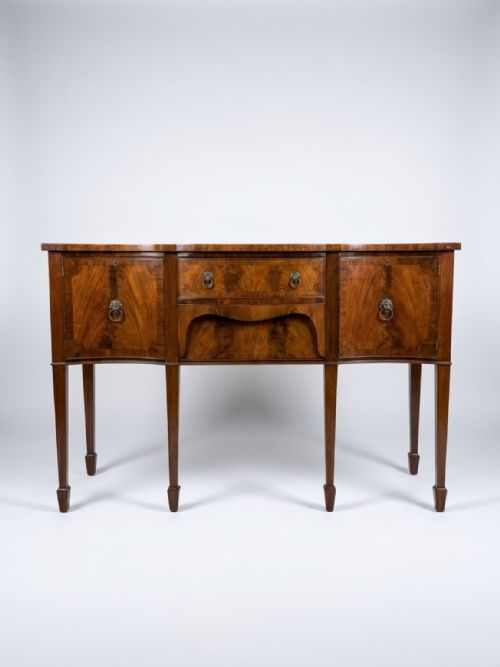
Makers integrated brass hinges, handles, and escutcheons into primary timbers including mahogany, oak, walnut, and teak.
Eighteenth Century Brass Retail Price Guide 2026
Typical asking prices for eighteenth century brass among the pieces listed under this phrase on Sellingantiques today, from the lower quarter to the upper quarter. They describe what is for sale here now, not the wider market.
Listings feature eighteenth century brass integrated into mahogany, oak, and walnut furniture forms alongside standalone candlesticks and copper kettles.
What varies in quality
The crispness of casting detail distinguishes superior candlesticks and mounts, where sharper edges indicate finer initial workmanship.
The integrity of the construction relies on the harmonious integration of the metalwork with the timber carcass, avoiding crude replacements.
The depth of the natural patination on the brass surface sets apart pieces that have aged untouched through the centuries.
J.T. & Co·Andreas Vogler·Turner of London
The Eighteenth Century Brass Glossary
- Brass
- An alloy of copper and zinc used extensively for cast candlesticks and structural mounts. It develops a rich golden patina over centuries of handling.
- Cellaret
- A lockable container for holding wine bottles, frequently reinforced with brass bands. These sturdy vessels sat beneath the sideboard during dining.
- Escutcheon
- A protective brass plate surrounding a keyhole on a drawer or cabinet door. It prevented the surrounding wood from wearing down through repeated use.
- Casket
- A small decorative box for storing valuables, often mounted with brass corners and carrying handles. Camphor and leather examples frequently utilised these metal reinforcements.
Eighteenth Century Brass: Frequently Asked Questions
How do I clean old brass?
Old brass benefits from minimal intervention to preserve its historic surface. Gentle dusting with a soft cloth maintains the piece without removing the accumulated patination of centuries.
Aggressive metal polishes strip away the aged layers that collectors value. Leave the metal untouched unless active corrosion threatens the integrity of the material.
How were brass caskets used?
Brass bound caskets served secure storage purposes for documents, tea, or valuables in domestic settings. Their durable construction protected contents during travel and daily household use.
Mounted handles and strong locks ensured these boxes remained portable and secure. They sat on tables or chests within the main rooms of the house.
Are brass mounts original to furniture?
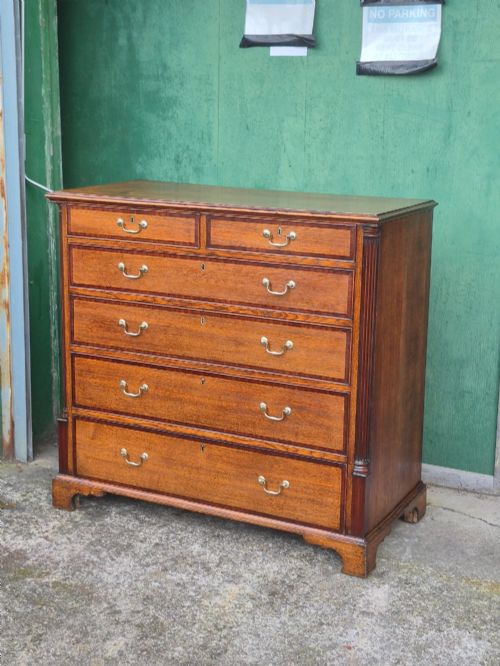
Original brass mounts leave specific ghost marks and undisturbed timber grain beneath the backplates. Examining the screws and pins reveals whether the hardware has remained in place since manufacture.
Replacements often utilise slightly different hole patterns or modern thread types. Consistency in wear between the timber and the metal helps confirm authenticity.
What items feature eighteenth century brass?
Eighteenth century brass appears on standalone items like candlesticks, kettles, and chandeliers alongside functional furniture hardware. Chests of drawers, tea caddies, and cellarets frequently incorporate brass handles, feet, and binding.
This versatility demonstrates the metal's role as both a decorative accent and a structural reinforcement. The material pairs naturally with dark cabinet timbers such as mahogany and oak.