


Edwardian Wooden Stand
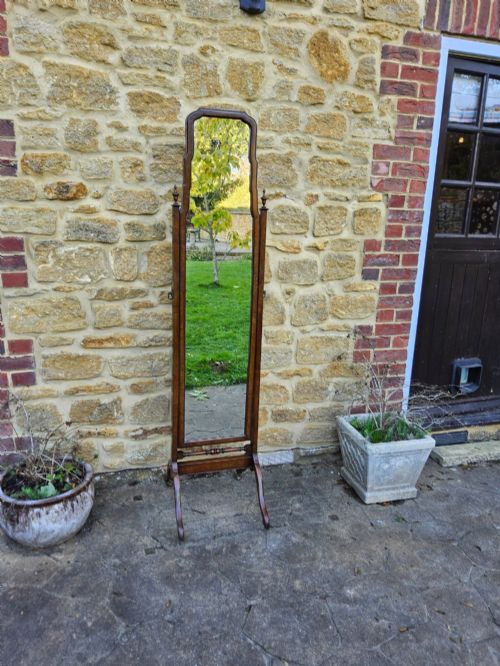
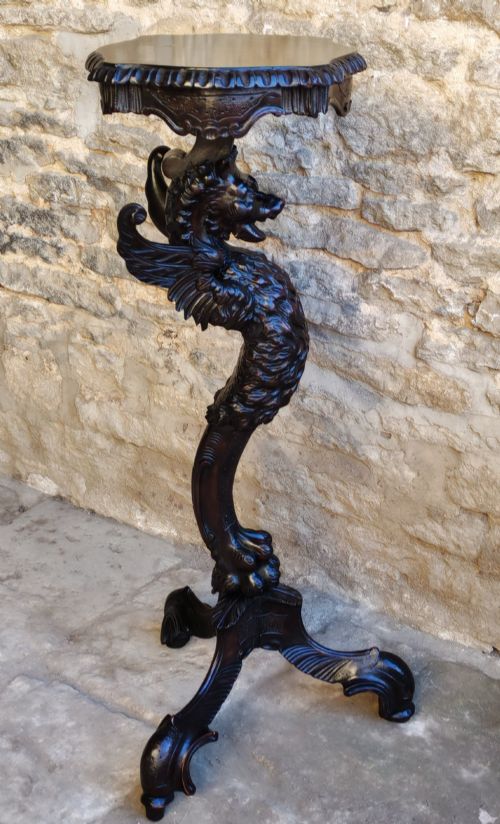
When you search for an Edwardian wooden stand, you find versatile household furniture spanning small occasional tables, plant holders, and umbrella storage designed for the early twentieth-century home.
Edwardian Wooden Stand
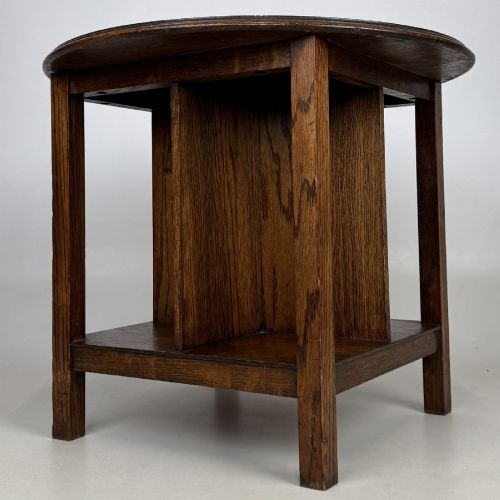
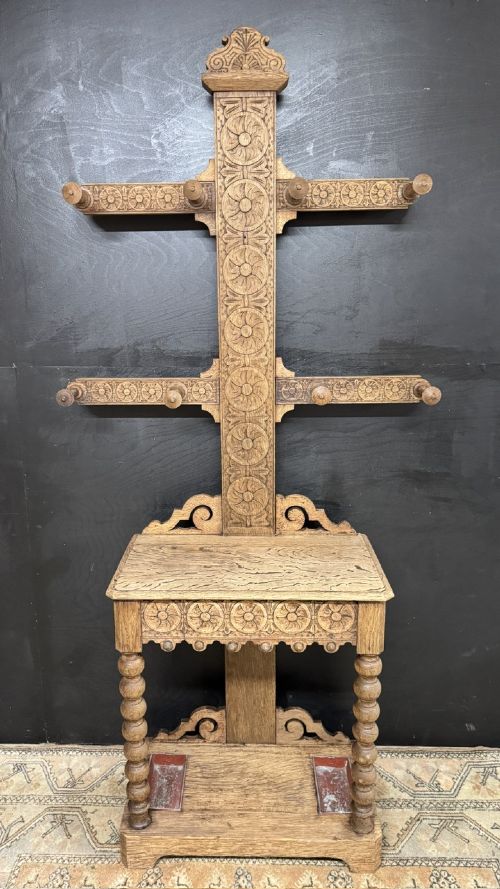
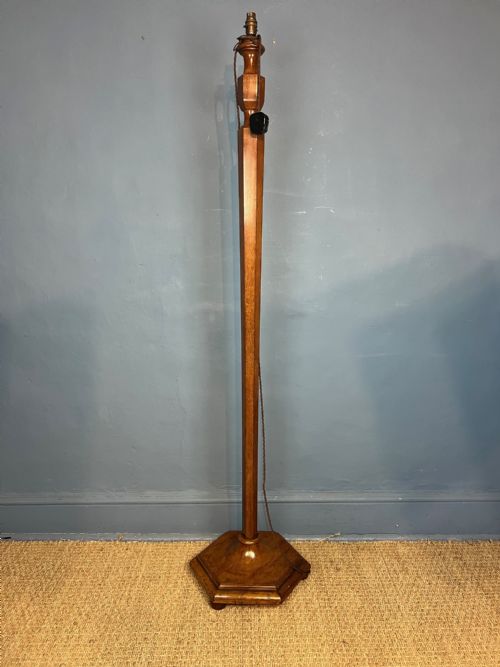
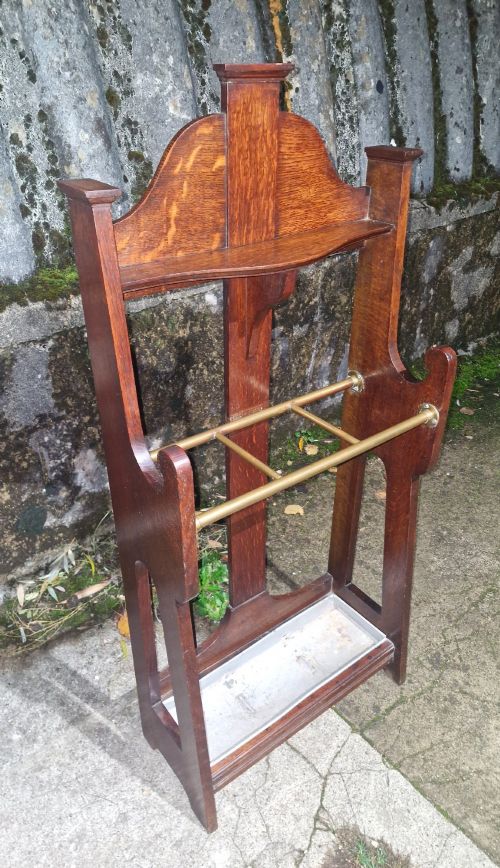
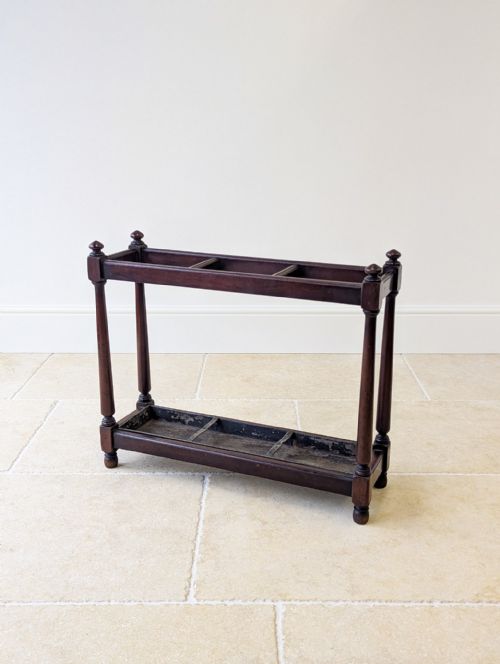
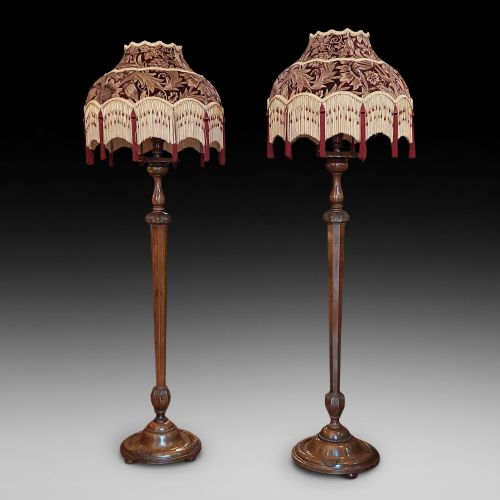
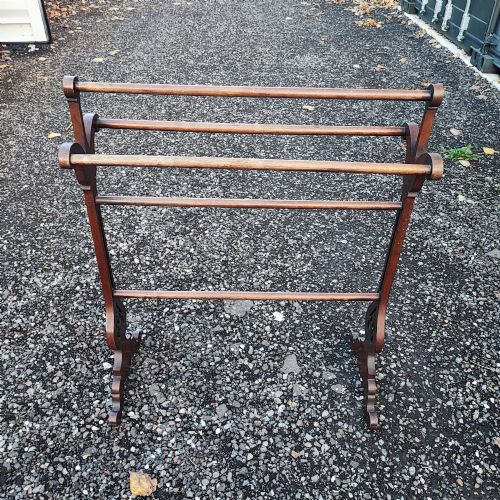
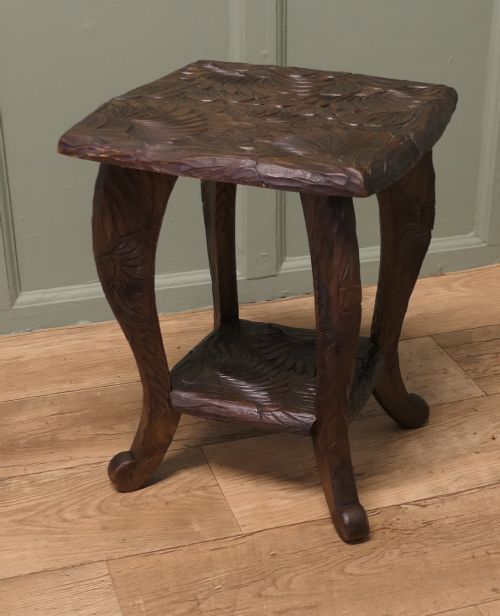
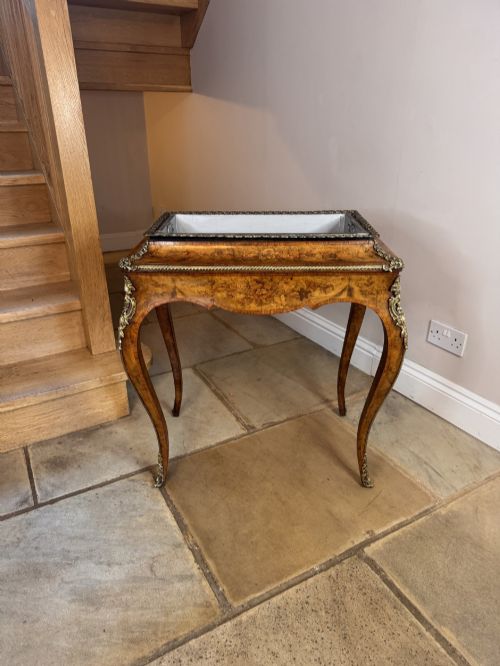
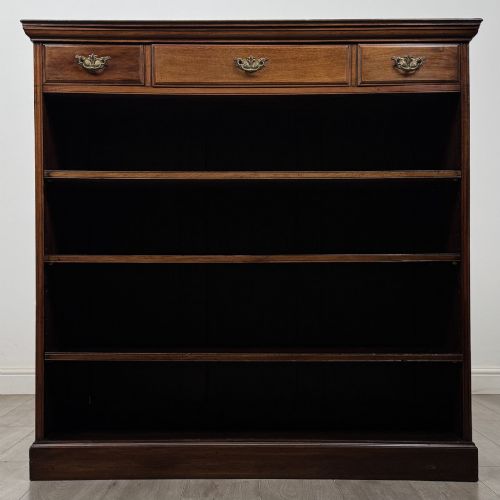
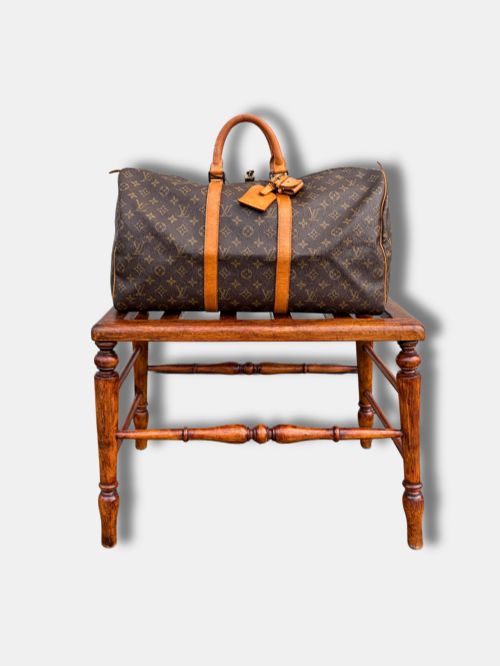
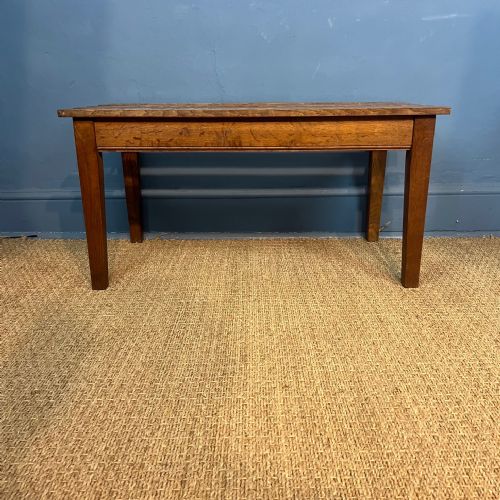
Forms span plant stands, kettle stands, lamp tables, umbrella and stick stands, hall stands, and music stands. Buyers frequently encounter mahogany and oak occasional tables, alongside revolving bookcases and luggage racks.
Makers and styles reflect both mainstream Edwardian tastes and the distinct aesthetic of the Arts and Crafts movement, incorporating regional variations such as Anglo-Indian rosewood and campaign items.
How they were made
Makers utilised solid timbers and veneers, with mahogany and oak forming the primary structural basis for tables, stands, and bookcases. Walnut, elm, rosewood, and yew wood also appear across specific occasional pieces and plant stands.
Construction techniques combine traditional joinery with decorative elements such as raised galleries, dentil cornices, inlaid details, and pegged joints found in Arts and Crafts examples. Metal components like brass coat hooks, iron fittings, and glass tops supplement the wooden frames.
Edwardian Wooden Stand Retail Price Guide 2026
Typical asking prices for edwardian wooden stand among the pieces listed under this phrase on Sellingantiques today, from the lower quarter to the upper quarter. They describe what is for sale here now, not the wider market.
Some travellers used portable folding sports wardrobes for quick clothes changing during early motoring trips.
What varies in quality
The standard of an edwardian wooden stand rests upon the selection of timber grain, such as figured walnut or solid mahogany, and the crispness of carved details. Simpler utility pieces contrast with finely constructed items featuring shaped tops and lower tiers.
Structural integrity depends on the precision of the joinery, whether through pegged oak framing or neatly inlaid surfaces. The inclusion of secondary materials, such as heavy brass hooks on wall plaques or marble tops on washstands, elevates the execution of the piece.
Liberty & Co·Finnigans·Bulstrode Cambridge·Astrola
The Edwardian Wooden Stand Glossary
- Gallery
- A raised wooden border running along the edge of a tabletop or shelf to prevent items from sliding off. This feature is common on small tables and bookcases.
- Occasional table
- A small, movable table designed for a specific, temporary use in a room. These versatile pieces include wine tables and lamp tables.
- Hall stand
- A piece of hallway furniture combining coat hooks, umbrella wells, and sometimes a mirror or glove box. They organise visitor garments near the entrance.
- Plant stand
- A tall, slender piece designed specifically to elevate potted plants. They utilise surfaces in elm, mahogany, or oak.
- Pegged joint
- A traditional method of securing woodwork using wooden pegs through mortise and tenon joints. This technique frequently appears in Arts and Crafts furniture.
Edwardian Wooden Stand: Frequently Asked Questions
What rooms suit an edwardian wooden stand?
Smaller occasional tables and plant holders fit easily into living rooms and corners. Hallways accommodate umbrella stands and coat racks.
Larger bookcases and music stands function well in studies or libraries. Their compact footprints allow flexible placement throughout the home.
How do I identify an Edwardian piece?
Edwardian items date from 1901 to 1910, often showing lighter mahogany and oak construction than heavy Victorian furniture. Simple lines and restrained inlay work typify the aesthetic.
Many listings also incorporate Arts and Crafts influences or campaign folding designs from the same era. Look for proportions that favour lightness and domestic utility.
Were these stands used for umbrellas?
Specific hall stands and stick stands served explicitly for wet weather gear and walking canes. They frequently incorporate metal drip trays at the base.
Other designs function purely as plant holders, lamp tables, or music stands. Check the form for interior wells or racks to determine its original purpose.
Can I use a plant stand for lamps?
Sturdy plant stands and kettle stands provide adequate flat surfaces for small table lamps. Ensure the top diameter matches the base of your lamp.
Occasional tables and wine tables offer similar heights and stability for lighting. Taller plant stands work best with downward-facing illumination.