
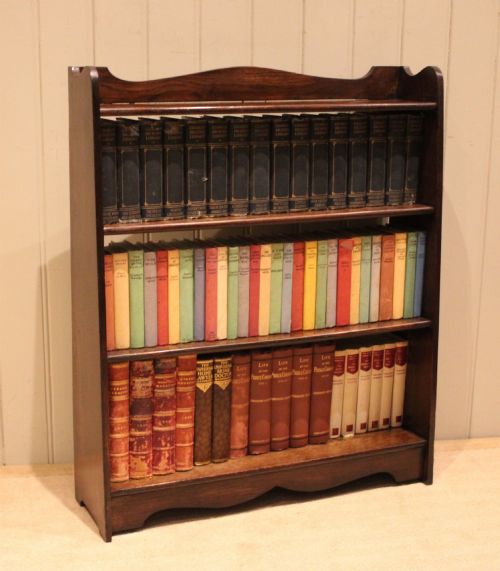
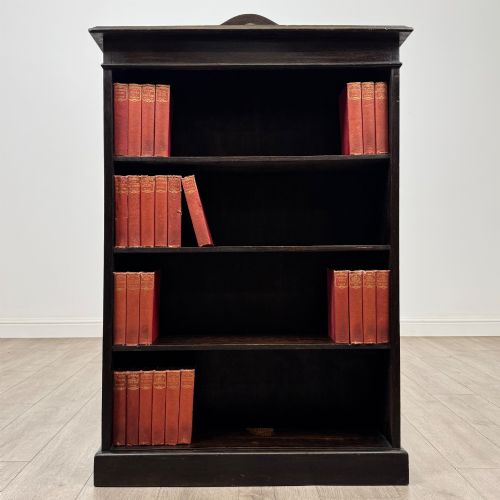
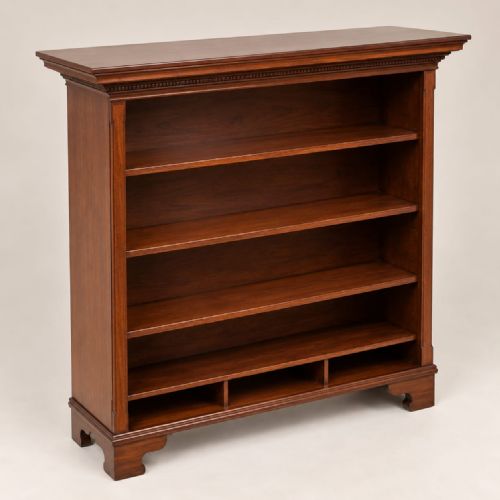
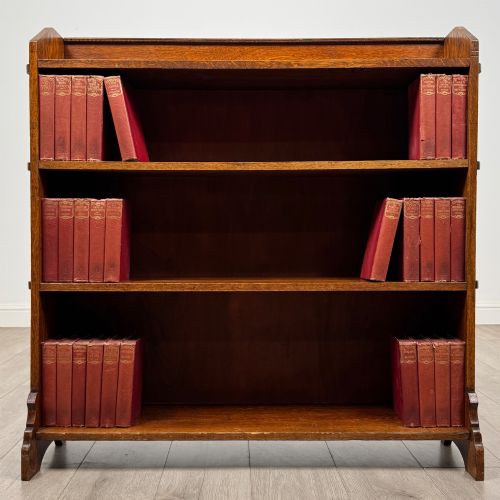
Edwardian Wooden Shelving Unit
An edwardian wooden shelving unit brings practical storage and warmth to a room, offering open display space for books and decorative objects.
Edwardian Wooden Shelving Unit
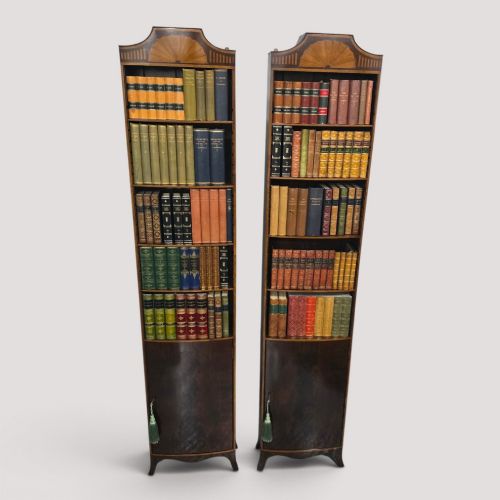
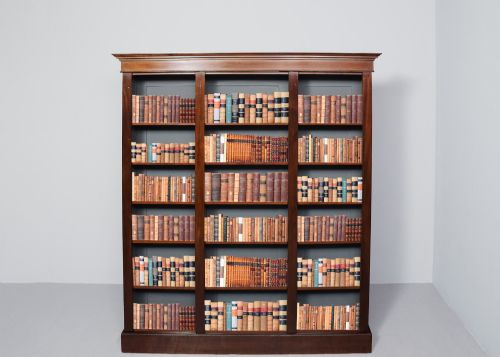
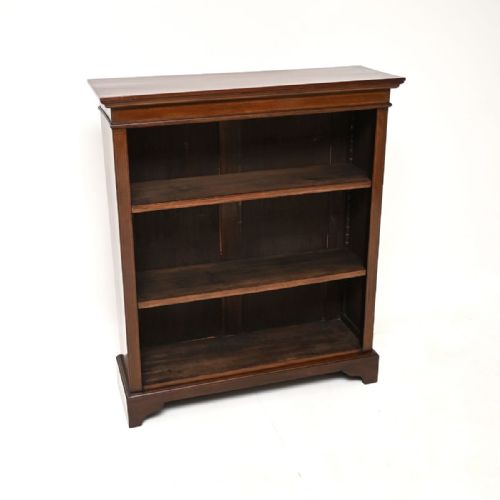
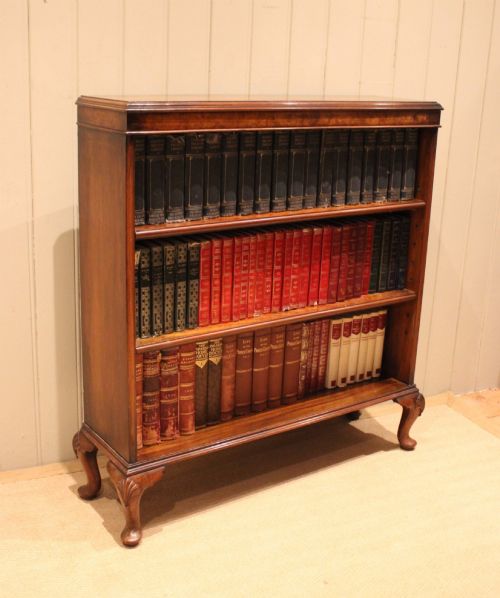
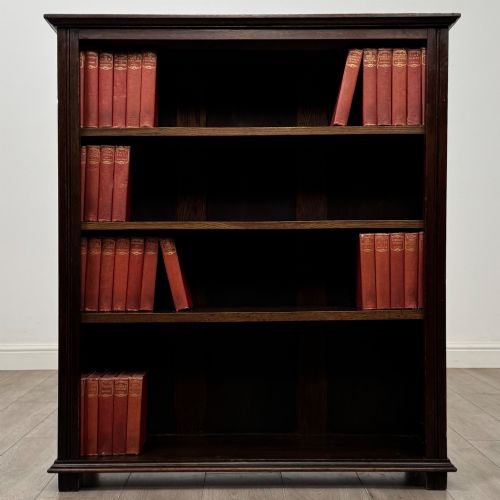
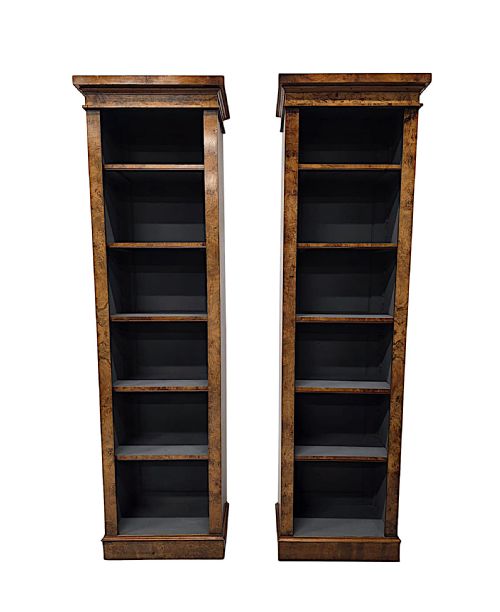
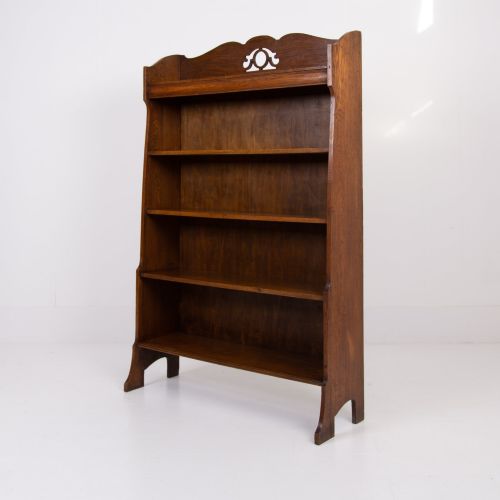
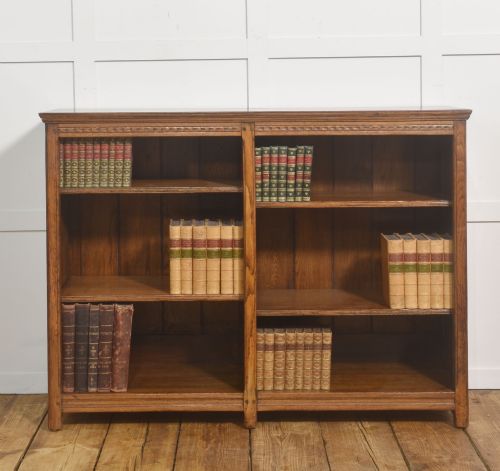
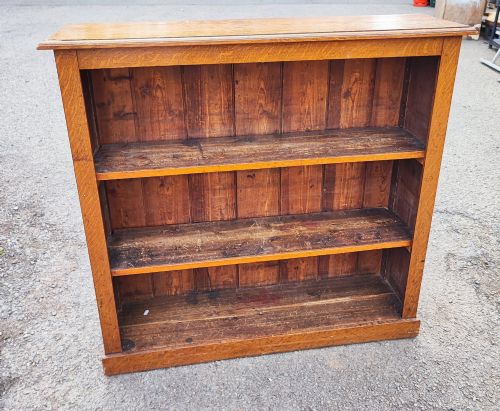
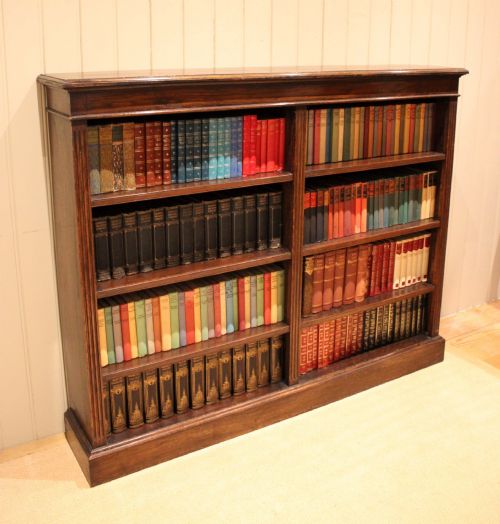
An edwardian wooden shelving unit primarily takes the form of an open bookcase, wall shelf, or whatnot designed for domestic utility and display. The listings span the Edwardian period alongside Victorian, late Victorian, and early twentieth-century examples, reaching back to the nineteenth century.
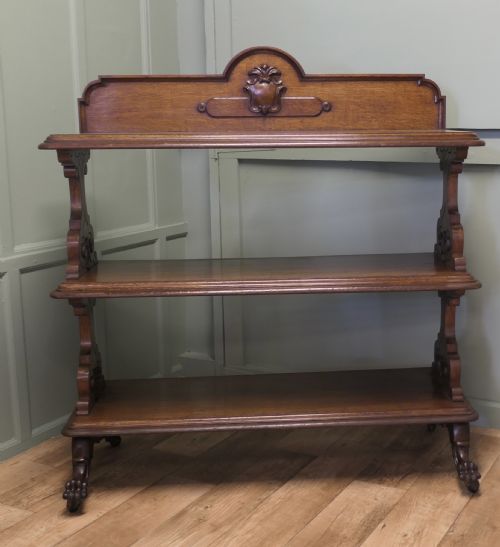
Most pieces on display adhere to the Edwardian style or lean towards Arts and Crafts simplicity, whilst revival movements such as Georgian, Regency, and Queen Anne appear. Bookcases and open shelving dominate the selection, complemented by occasional hanging shelves, buffets, and servers.
Makers and craftsmen utilised established furniture forms to create versatile pieces for the home library, parlour, or study. Buyers find everything from compact oak open bookcases to larger library fixtures and inlaid mahogany cabinets fitted with adjustable shelves.
How they were made
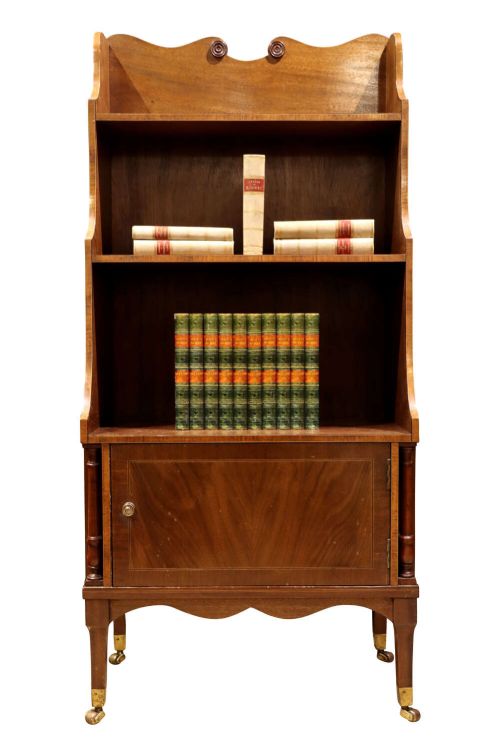
Cabinet makers built these shelving units using solid timbers and veneers, relying heavily on oak and mahogany alongside walnut, burr walnut, and satinwood. Brass hardware, including castors, frequently supplemented the timber construction on larger cabinet pieces and movable bookcases.
Construction techniques prioritised functional adaptability, incorporating adjustable shelves held by wooden supports or metal pins to accommodate varying book sizes. Inlaid details, carved ornaments, and polished finishes defined the surface work across Edwardian and Victorian workshops.
What varies in quality
The choice of timber and veneer determines the baseline standard, moving from utilitarian pine and standard oak up to figured burr walnut and finely grained satinwood. Finer examples display deliberate grain matching across expansive surfaces and intricate marquetry inlay.
Structural refinement separates standard utilitarian storage from superior cabinet work, seen in the inclusion of brass castors, dovetailed drawer construction, and cleanly executed carved details. Well-engineered adjustable shelving mechanisms reflect a higher standard of original manufacture.
Lamb of Manchester
The Edwardian Wooden Shelving Unit Glossary
- Open bookcase
- A piece of furniture designed for storing books without glass or wooden doors enclosing the front. This format allows immediate access to volumes and displays bindings clearly.
- Whatnot
- A small open set of tiered shelves used for displaying ornaments and small objects. These pieces typically feature multiple levels supported by slender vertical columns.
- Waterfall bookcase
- A shelving unit where each tier recedes from the one below it, creating a stepped profile resembling a cascading waterfall. This style gained popularity during the nineteenth and early twentieth centuries.
- Arts and Crafts
- A design movement valuing handcraftsmanship, simple construction, and the natural qualities of materials over industrial mass production. Furniture from this tradition often highlights exposed joinery and plain oak surfaces.
- Inlay
- A decorative technique where contrasting woods, metals, or other materials are inserted into recessed portions of a timber base to form surface patterns.
Edwardian Wooden Shelving Unit: Frequently Asked Questions
What is an edwardian wooden shelving unit?
An edwardian wooden shelving unit is a piece of furniture made primarily of timber during the early twentieth century, designed to hold books or display decorative objects.
These items range from simple open oak bookcases to inlaid mahogany cabinets and tiered wall shelves intended for domestic use.
How do I adjust the shelves?
Many period bookcases feature adjustable shelves supported by wooden bearers, slots, or metal pins set into the interior sides.
Lifting the shelf slightly allows the user to reposition it at different heights to accommodate various book sizes.
Where should I place a wooden shelving unit?
These units suit studies, living rooms, and hallways where open storage for books or decorative pieces is required.
Positioning them away from direct heat sources and strong sunlight preserves the finish and natural timber grain.
How do I tell Edwardian pieces from Victorian ones?
Edwardian furniture generally exhibits lighter timbers, simpler lines, and restrained inlay work compared to heavier, darker Victorian counterparts.
Victorian pieces often feature deeper carved ornamentation, denser woods, and more robust proportions.