

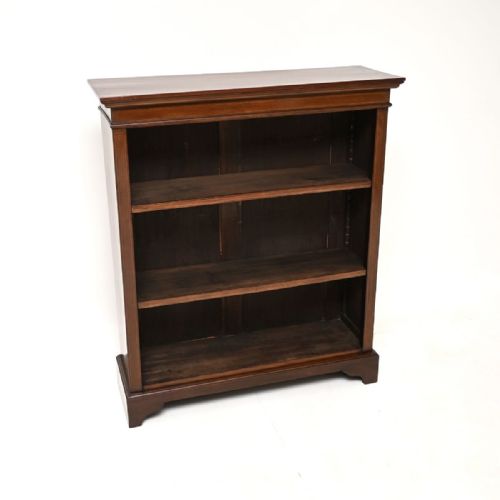
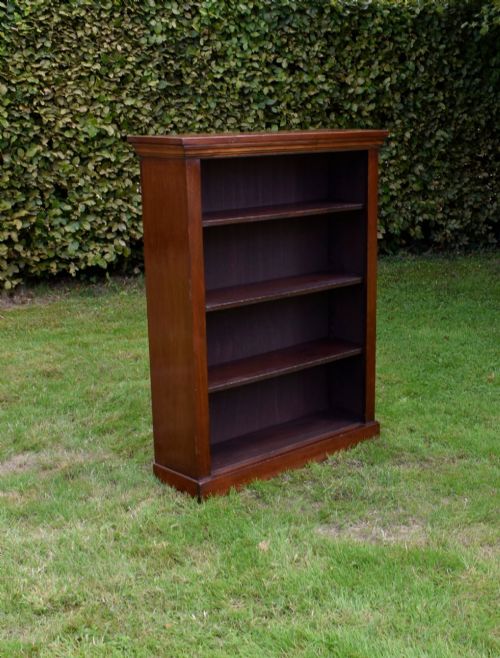
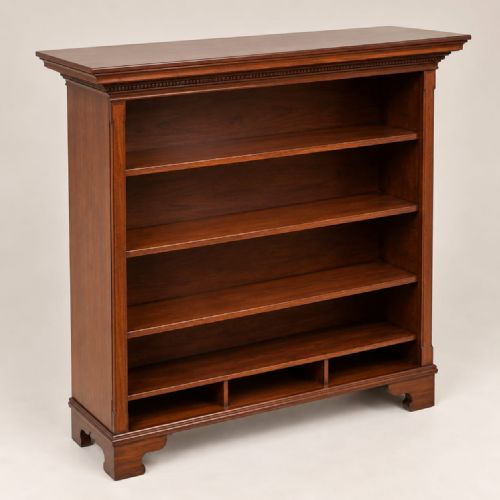
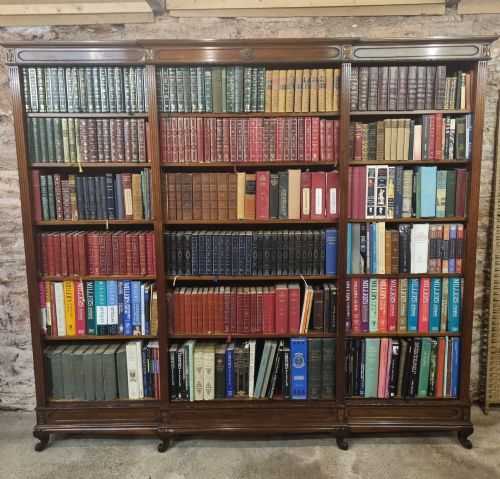
Edwardian Wood Shelving Unit
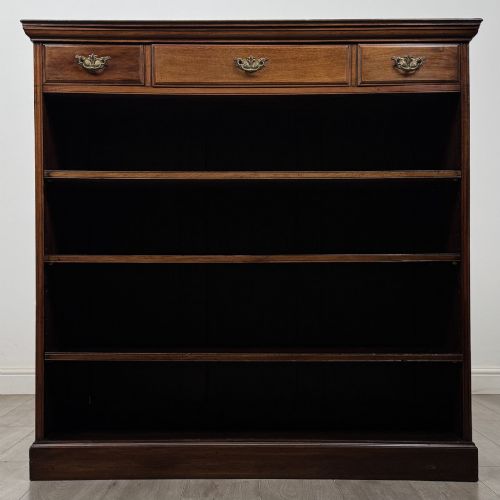
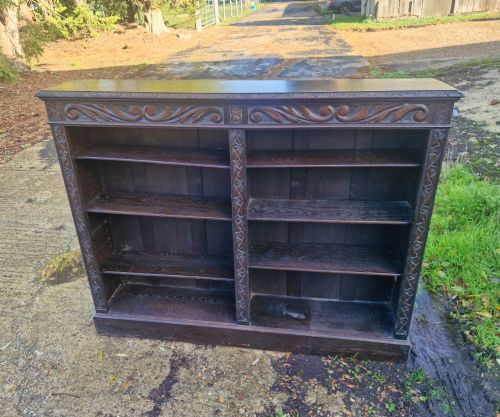
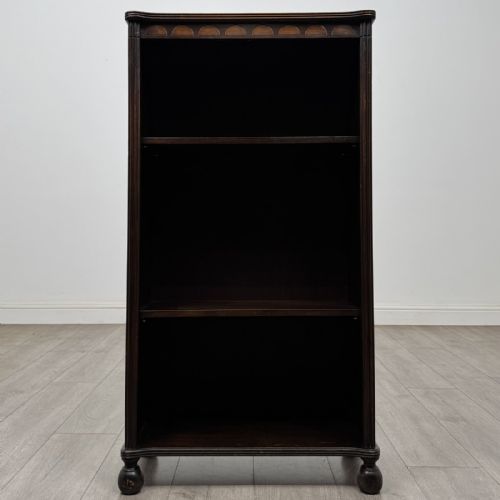
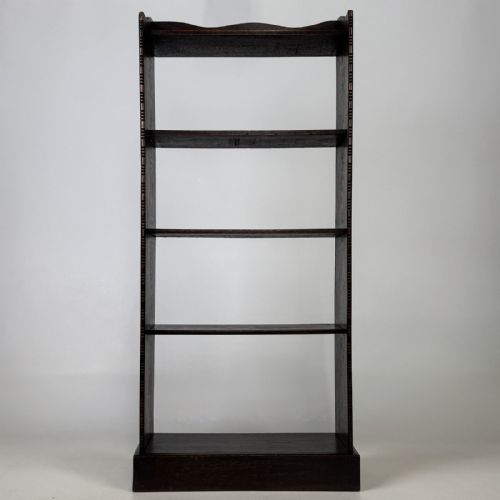
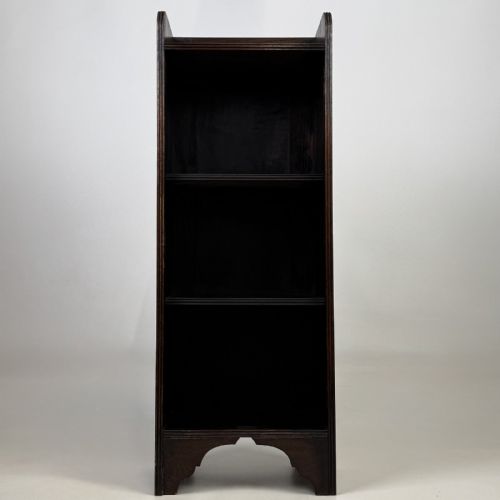
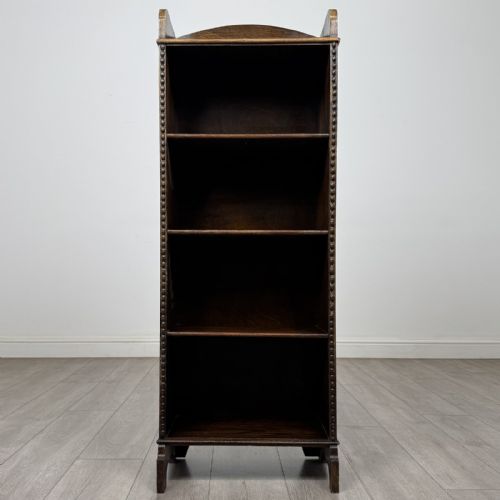
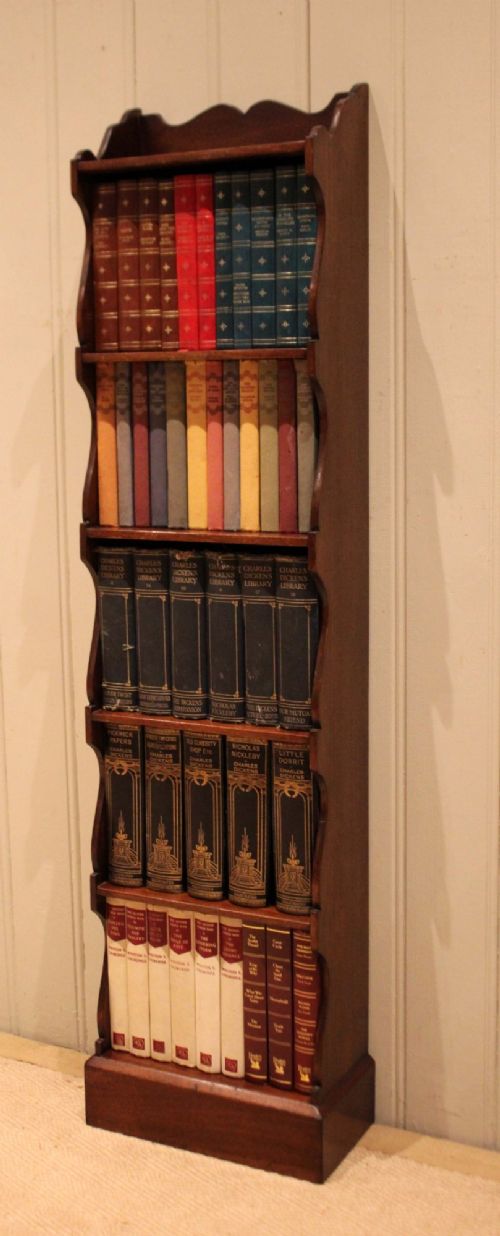
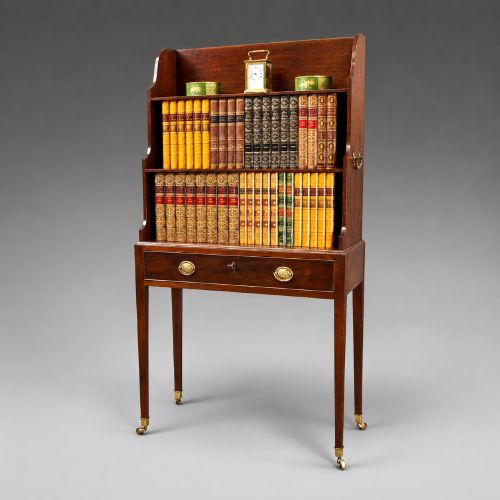
These edwardian wood shelving unit pieces bring genuine utility and period character to a room, offering open storage for books and display.
Edwardian Wood Shelving Unit
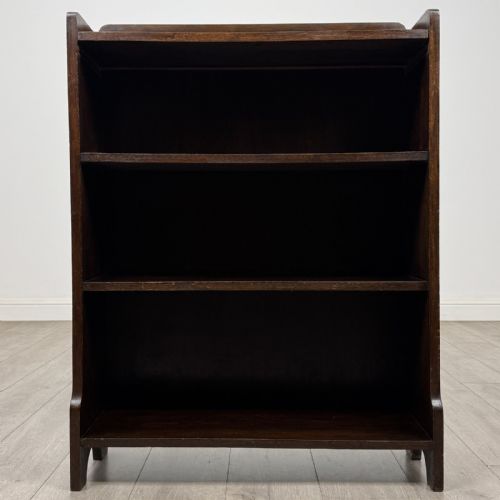
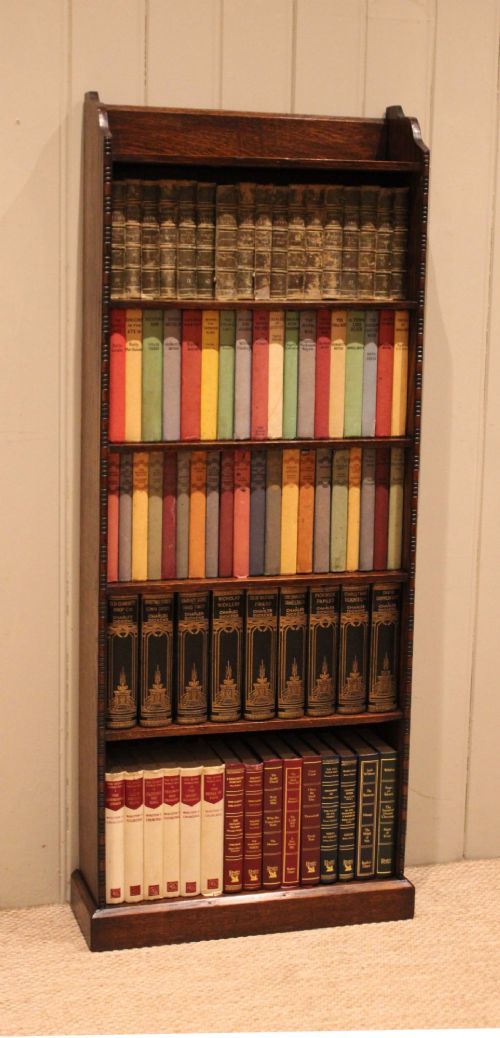
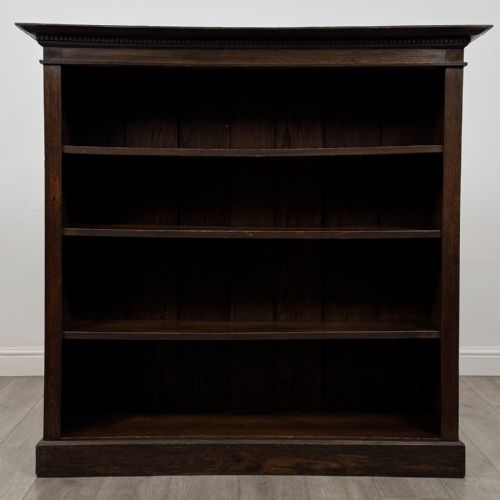
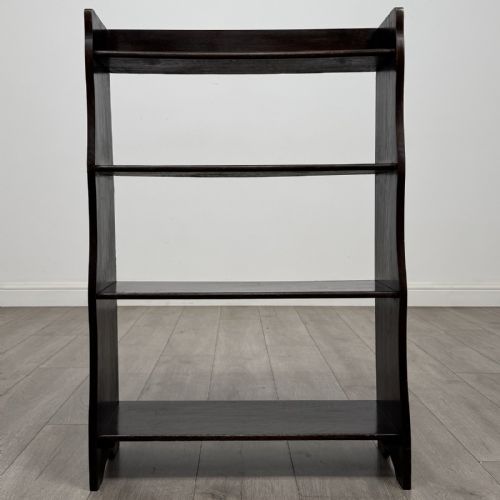
When you search for an edwardian wood shelving unit, you find open bookcases, hanging shelves, whatnots, and waterfall bookcases spanning the late nineteenth century through to the nineteen-thirties. The most common form on this page is the open bookcase, often rendered in oak or mahogany with adjustable shelves, raised galleries, or dentil cornices.
Makers and cabinet-makers of the period produced these items for domestic libraries, drawing rooms, and studies. Pieces range from tall library bookcases to small corner display cabinets and side tables incorporating tiered shelving.
How they were made
Makers utilised solid timbers and veneers, predominantly oak and mahogany, alongside walnut, rosewood, and satinwood for decorative inlay work. Structural elements frequently incorporated brass hardware, such as castors on mobile cabinets or decorative fittings on etageres.
Construction techniques include bracket feet, plinth bases, and beaded edges, with specialised details like tambour doors and carved oak panels appearing on select cabinetry.
Edwardian Wood Shelving Unit Retail Price Guide 2026
Typical asking prices for edwardian wood shelving unit among the pieces listed under this phrase on Sellingantiques today, from the lower quarter to the upper quarter. They describe what is for sale here now, not the wider market.
Some tall bookcases hide their books so well that guests attempt to borrow the tambour door instead of reading.
What varies in quality
Proportion and utility also dictate the standing of a piece, where slim profiles, balanced breakfront designs, and harmonious pairings of timber grain elevate the item beyond basic storage.
Edwards & Roberts·Waring and Gillows
The Edwardian Wood Shelving Unit Glossary
- Open bookcase
- A piece of furniture designed for book storage featuring unobstructed shelving without doors. This form allows immediate access and visual display of collections.
- Waterfall bookcase
- A shelving unit with tiers that step back progressively from bottom to top, creating a profile reminiscent of a falling cascade. These pieces often feature graduated shelves.
- Dentil cornice
- An architectural moulding pattern composed of small, rectangular blocks spaced at regular intervals along the top edge of a cabinet. It adds a classical decorative finish.
- Raised gallery
- A low pierced or solid railing situated around the top surface of a piece to prevent items from sliding off. This feature is common on small tables and bookcases.
- Tambour cabinet
- A storage unit enclosed by a sliding door constructed from narrow vertical strips of wood glued to a flexible fabric backing. This mechanism allows the door to curve around corners.
Edwardian Wood Shelving Unit: Frequently Asked Questions
What is an edwardian wood shelving unit?
An edwardian wood shelving unit is a piece of wooden furniture designed for displaying books and objects, typically produced during the early twentieth century.
These items range from simple open oak bookcases to inlaid mahogany waterfall designs and multi-tiered etageres.
How were these bookcases used originally?
These units served primarily in domestic libraries, studies, and drawing rooms for the storage and display of bound volumes and decorative ornaments.
Open configurations allowed for quick retrieval of frequently read books, while variants with lower drawers or cupboards provided concealed storage.
How do I style a wood shelving unit?
Integrating one of these pieces into a room involves balancing books with ceramics, framed photographs, and small sculptures on the available shelves.
Consider the timber tone, whether warm mahogany or textured oak, to coordinate with existing furniture in the space.
How do I distinguish Edwardian from Victorian pieces?
Edwardian shelving units often display lighter proportions, brighter mahogany or oak timbers, and subtle Sheraton Revival inlay work.
Victorian counterparts tend to feature heavier carved oak structures, darker finishes, and more robust plinth bases or three-legged formats.