





Edwardian Wood Mantel
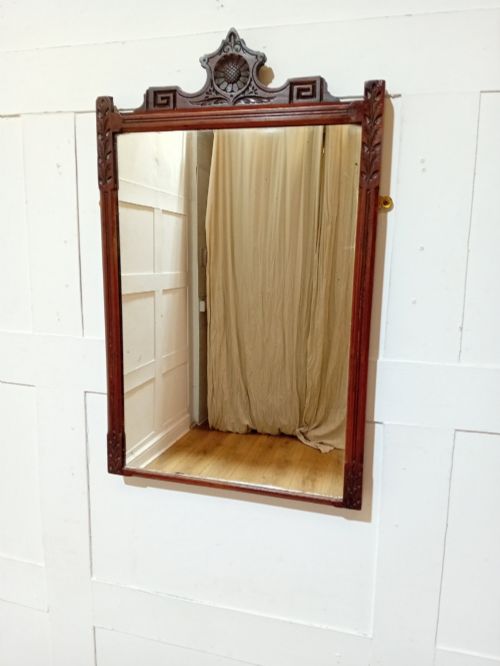
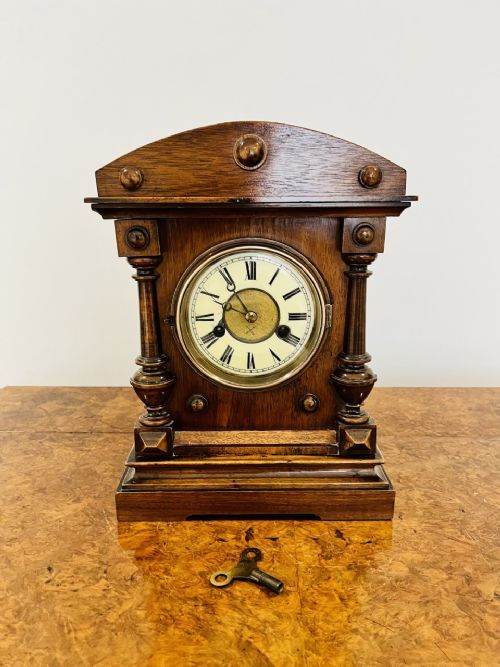
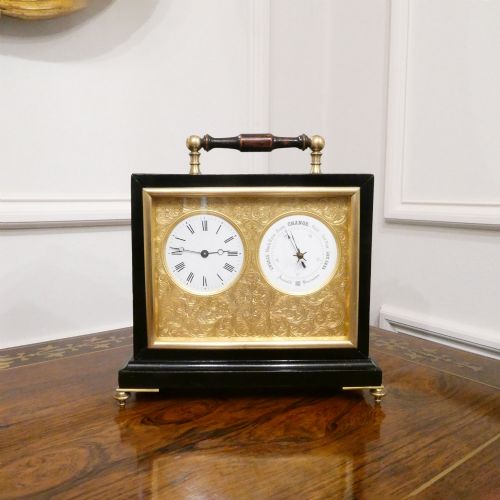
These edwardian wood mantel pieces span refined inlaid timepieces and substantial architectural mirrors designed to anchor a formal interior.
Edwardian Wood Mantel
When searching for an edwardian wood mantel, buyers encounter a diverse selection of wooden timepieces, decorative mirrors, and structural surrounds. The period output leans heavily toward architectural overmantel mirrors and compact household clocks housed in timber cases.
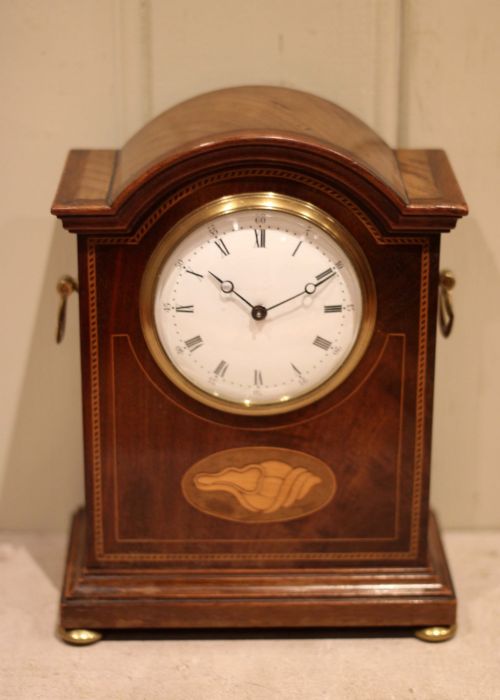
Mahogany, rosewood, walnut and oak form the structural backbone of these items, frequently enhanced with marquetry or delicate string inlay. These domestic objects reflect the refined aesthetic priorities of households at the turn of the twentieth century, combining utility with decorative presence.
The assortment includes domestic timepieces designed for mantel placement alongside architectural mirrors intended to sit above a fireplace opening. Each piece demonstrates the period preference for substantial wooden frames and reliable mechanical clockwork.
How They Were Made
Cabinetmakers utilised dense hardwoods such as mahogany, walnut and rosewood as the primary substrates for both clocks and architectural mirrors. These timbers provided the stability needed for intricate carving and smooth polished surfaces.
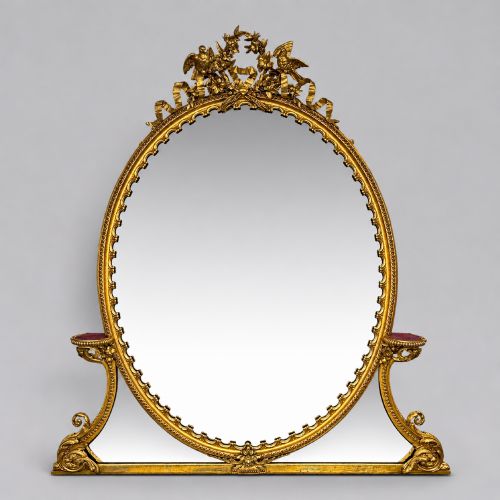
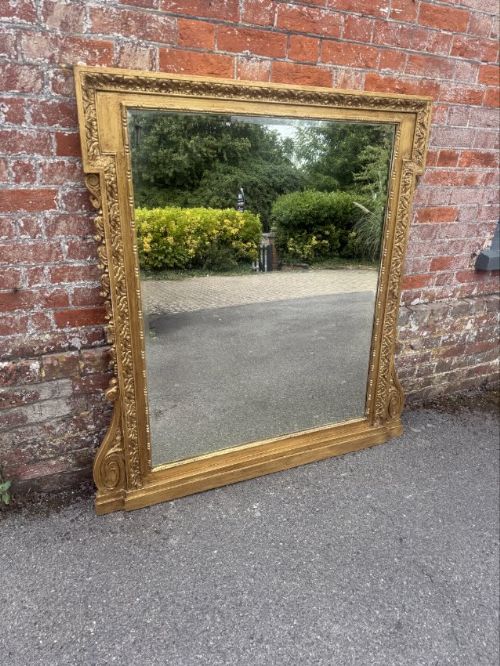
Marquetry and lighter wood stringing decorated the surfaces of mantel clocks and mirrors, contrasting sharply against darker timber backgrounds. Gesso and gold leaf additionally appeared on architectural mirror frames to catch and reflect light within the room.
Clock movements from the period involved brass mechanical assemblies, often imported from German workshops, fitted into custom wooden housings. Joinery relied on traditional construction methods to ensure the wooden frames withstood domestic environments.
Edwardian Wood Mantel Retail Price Guide 2026
Typical asking prices for edwardian wood mantel among the pieces listed under this phrase on Sellingantiques today, from the lower quarter to the upper quarter. They describe what is for sale here now, not the wider market.
Some mantel clocks arrived with chiming mechanisms loud enough to ensure nobody dozed through afternoon tea.
What Varies in Quality
The standard of timber selection and complexity of inlay work distinguishes finer examples from simpler production pieces. Crispness in carved wooden details and the precision of marquetry patterns indicate superior workshop output.
Mechanical integrity defines the standing of mantel clocks, with complete and original movements holding greater significance than later replacements. The retention of original bevelled glass, dial enamel and brass fitments similarly separates standard items from exceptional survivals.
Proportion and balance in architectural mirror frames dictate their visual success within a room. Well-executed gilding and intact gesso mouldings reflect higher standards of period craftsmanship.
H.A.C.·Junghans·Winterhalder & Hofmeier·Jas Whitelaw of Edinburgh
The Edwardian Wood Mantel Glossary
- Overmantel
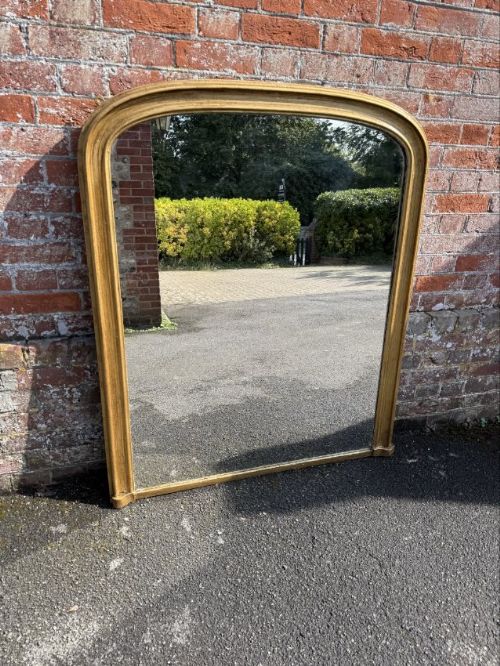
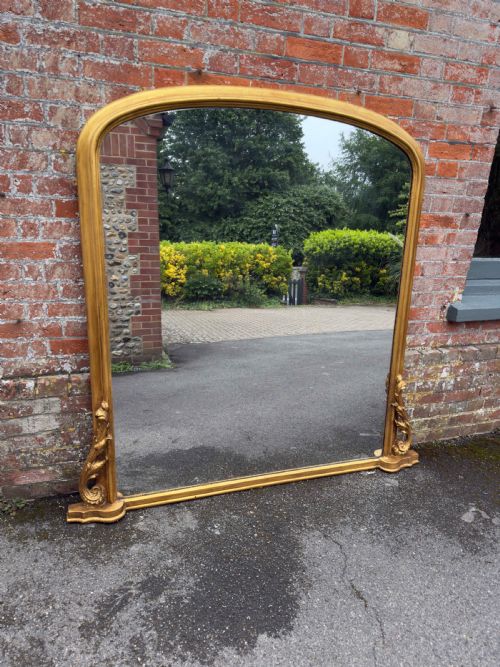
- A large mirror designed to hang directly on the wall above a fireplace mantel. These architectural pieces frequently feature arched tops and gilded wood frames.
- Marquetry
- Decorative veneer work arranged in pictorial or geometric patterns across a wooden surface. Craftsmen used contrasting timber species to create intricate designs on clock cases.
- Gesso
- A plaster-like material applied to wood before gilding. It provided a smooth base that could be carved and shaped prior to the application of gold leaf.
- Mantel Clock
- A portable clock designed to sit on a shelf or fireplace mantel. These mechanisms were often driven by spring-wound brass movements housed in wooden cases.
- Stringing
- Thin lines of contrasting wood inlaid into the surface of a furniture piece. This technique outlined panels and drawers on Edwardian cabinetwork.
Edwardian Wood Mantel: Frequently Asked Questions
What is an overmantel mirror?
An overmantel mirror is a large decorative glass panel framed in wood or gesso, built to mount directly above a fireplace. They served to brighten rooms by reflecting natural light.
These architectural mirrors often feature arched or shaped tops that echo the structural lines of period chimney breasts.
How do I identify Edwardian wood items?
Edwardian wooden items typically display lighter timbers, subtle inlay work, and refined proportions compared to heavier Victorian predecessors. Mahogany and rosewood frequently featured in these domestic furnishings.
Stylistic influences from the era leaned towards polished wood surfaces paired with understated geometric or floral marquetry patterns.
Where were mantel clocks placed?
Mantel clocks were designed to sit prominently on the shelf above a domestic fireplace or upon a dedicated bracket on the wall. They functioned as both timekeepers and decorative centrepieces.
Their compact wooden cases allowed them to fit neatly into the domestic spaces of sitting rooms and parlours.
What woods were used for these pieces?
Cabinetmakers utilised hardwoods such as mahogany, walnut, oak, and rosewood for building clocks and mirror frames. These materials offered durability and took a high polish.
Lighter woods like boxwood or satinwood were frequently employed for contrasting inlay and decorative stringing details.