

Edwardian Wood Carving
Edwardian wood carving brings together functional home furnishings and sculptural figures shaped from oak, mahogany, walnut, and linden wood during the early twentieth century.
Edwardian Wood Carving
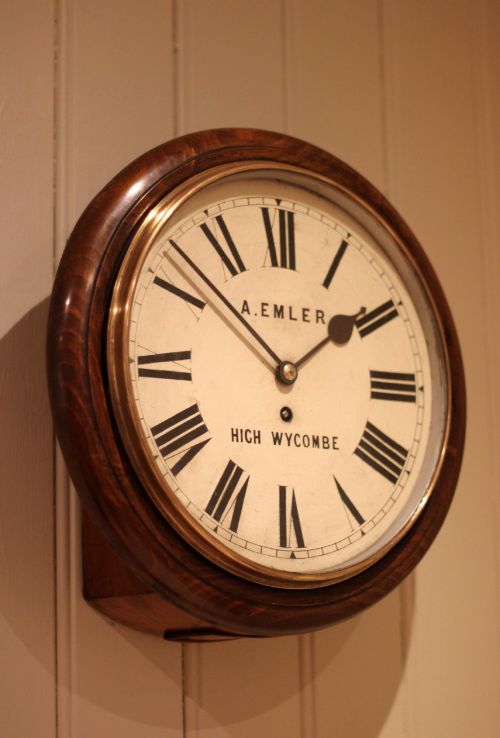
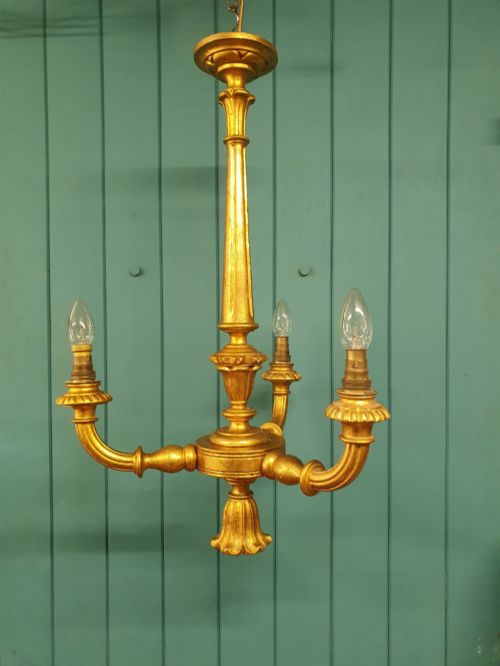
When searching for edwardian wood carving, a buyer encounters a diverse selection of furniture, mirrors, and decorative objects shaped in the opening decades of the twentieth century alongside pieces from neighbouring Victorian and nineteenth-century periods.
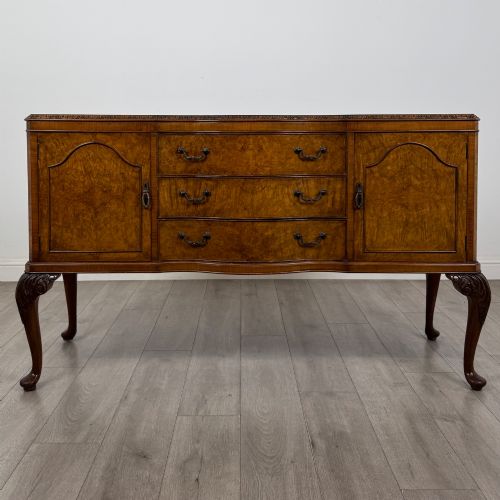
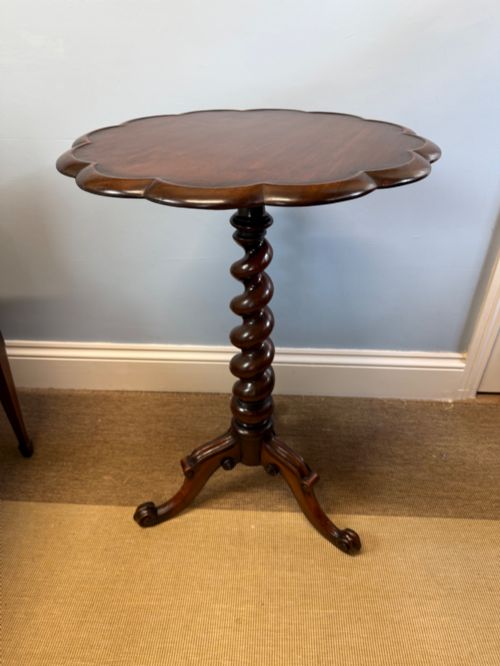
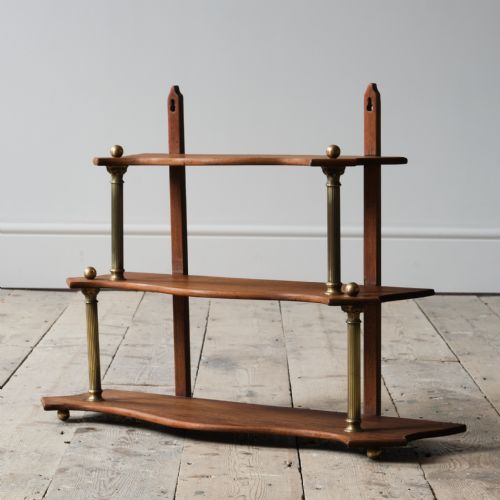
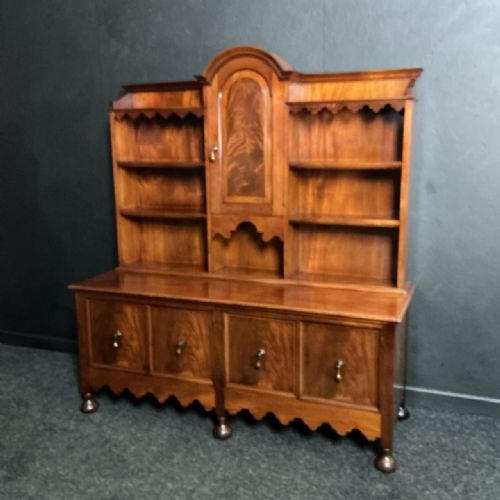
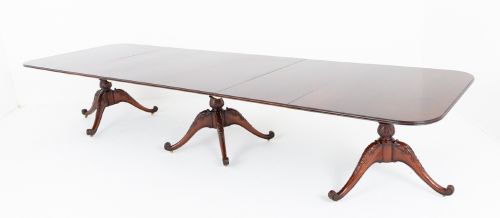
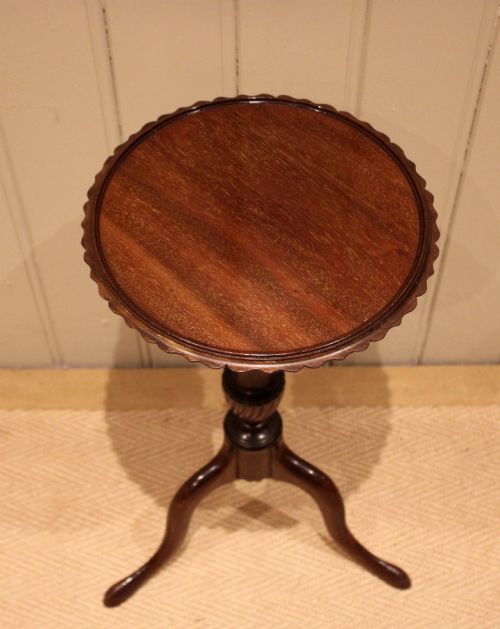
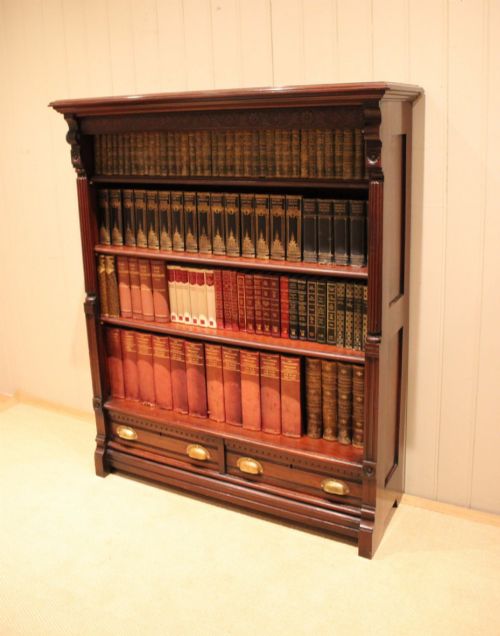
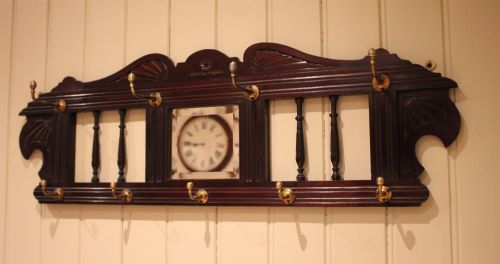
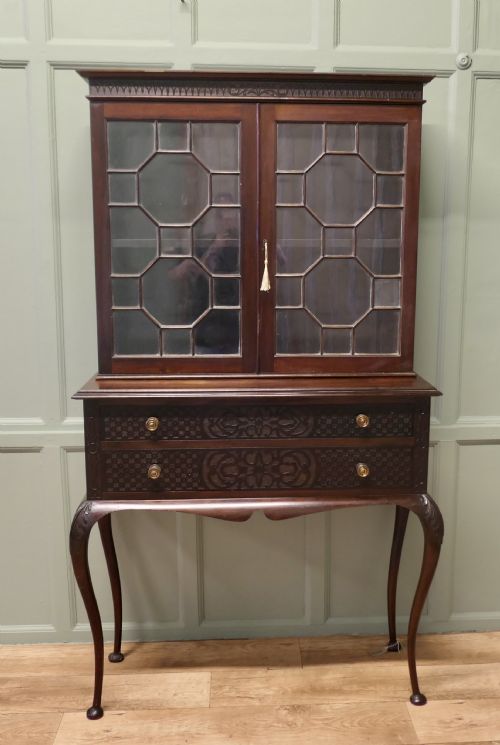
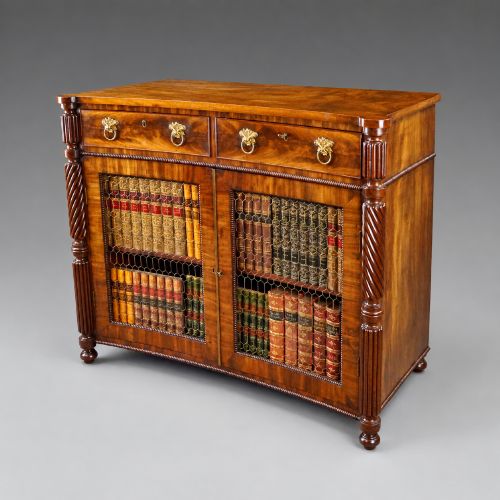
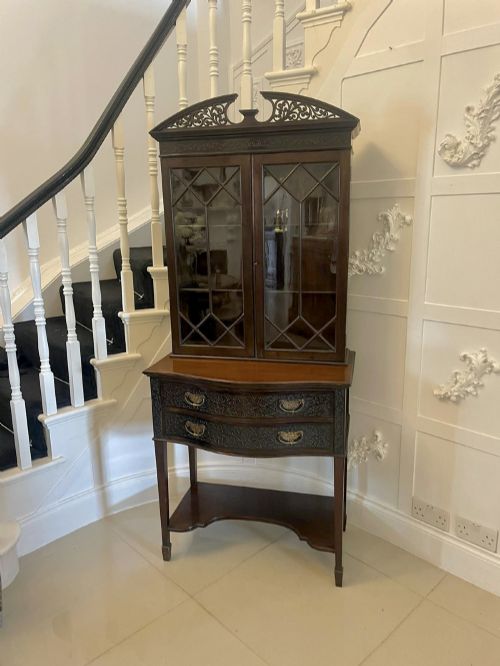
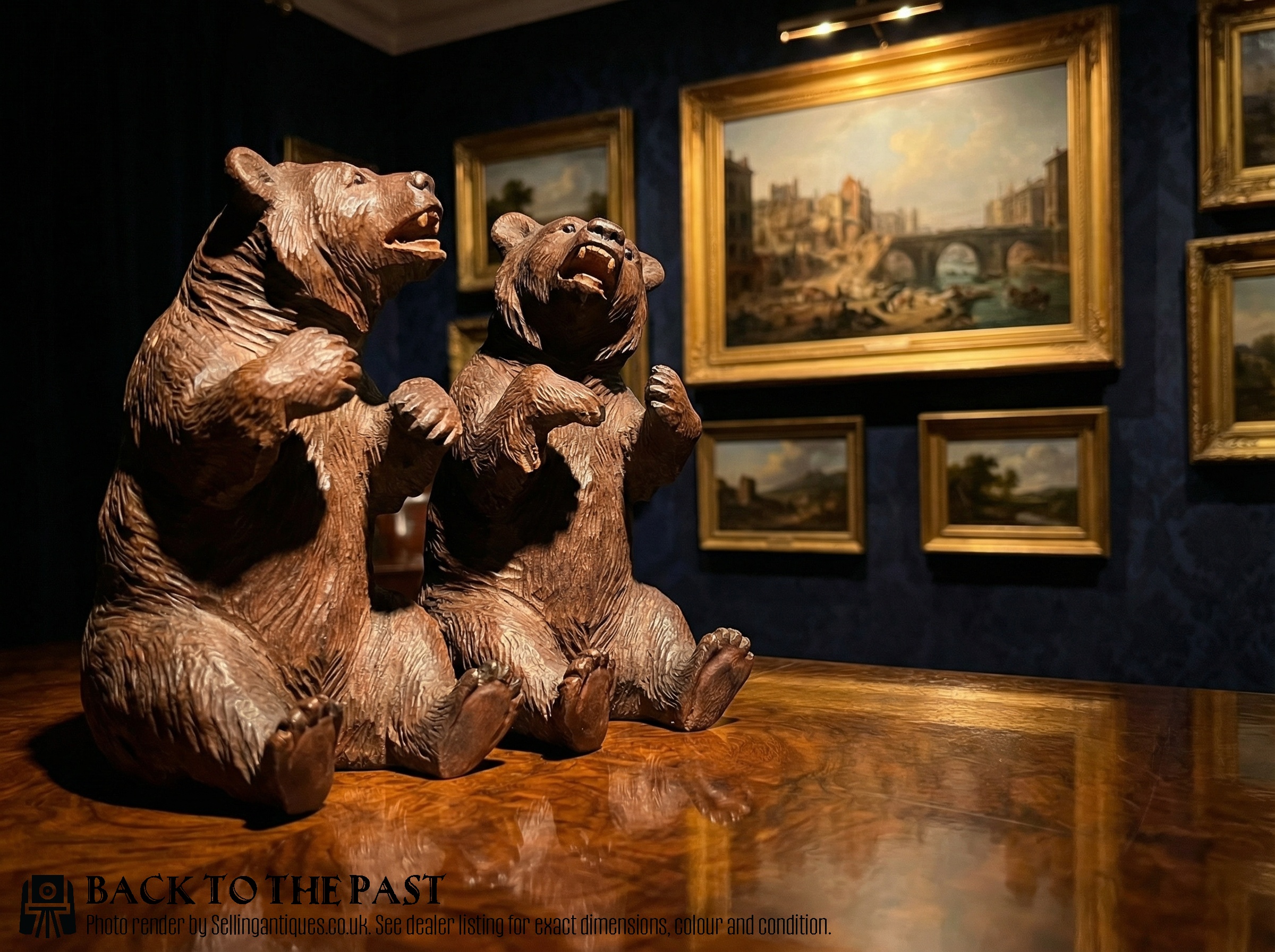
The objects span practical household furnishings like side tables, bookcases, display cabinets, and dining chairs, alongside sculptural carvings such as figural bears and wall-mounted shelves.
Mahogany and oak dominate the forms on this page, appearing alongside walnut, beech, yew, and gesso-gilded finishes that reflect the tastes of the Edwardian era and surrounding decades.
How they were made
Cabinet makers and carvers utilised solid timbers such as mahogany, oak, and walnut, frequently pairing them with brass hardware, glass panels, and fabric upholstery.
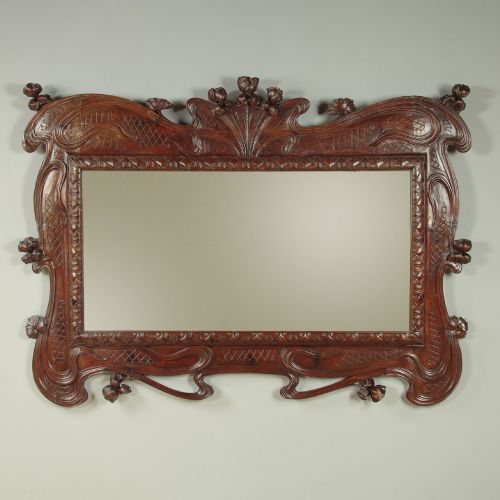
Decorative surfaces often incorporated gesso and gilding to accentuate carved mouldings on mirrors and frames, while other items relied on the natural grain of the wood shaped through turning and hand carving.
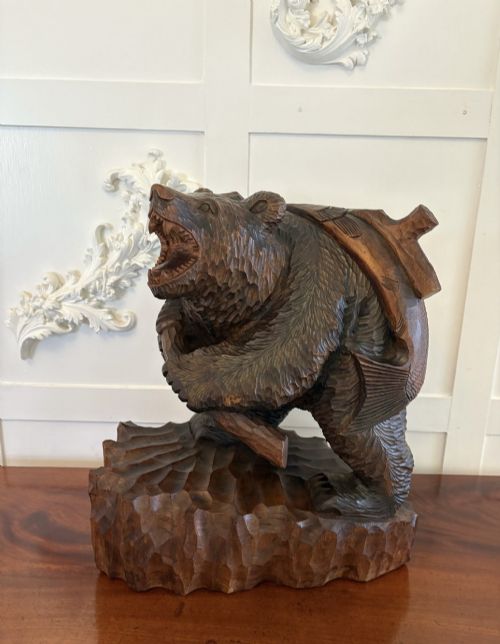
Among the carved animals standing ready to greet visitors is a linden wood Japanese bear holding a fish.
What varies in quality
The standard of a piece rests on the crispness of the hand carving and the selection of timber, where tightly figured mahogany or quarter-sawn oak separates standard utilitarian items from finer examples.
Construction details such as dovetailed joints, adjustable shelving mechanisms, and well-preserved original gesso or gilt frames indicate the level of craftsmanship invested by the maker.
Trevor Page And Co·H.A.C.
The Edwardian Wood Carving Glossary
- Gesso
- A plaster-based material applied to wood surfaces as a smooth base for gilding or painting. It allows intricate relief ornamentation to be moulded onto frames and mirror surrounds.
- Overmantel mirror
- A large mirror designed to hang directly above a fireplace mantelpiece. These pieces often feature elaborate carved wood and gesso frames.
- Barley twist
- A type of furniture turning resembling the spiral shape of a barley sugar stick. This technique appears frequently on the uprights and supports of Edwardian sideboards and tables.
- Astral glazed
- A glass door or window divided into smaller panes by wooden glazing bars. This method is commonly seen on display cabinets and bookcases from the period.
Edwardian Wood Carving: Frequently Asked Questions
What defines edwardian wood carving?
Edwardian wood carving encompasses decorative and functional items produced around the early twentieth century, combining traditional joinery with sculptural relief work in woods like mahogany, oak, and walnut.
These pieces reflect the stylistic influences of the period, ranging from plain domestic furniture to ornate figural sculptures and gilded mirrors.
How do I care for antique wood furniture?
Antique wooden items require protection from direct sunlight and sudden humidity changes to prevent the timber from warping or splitting over time.
Regular dusting with a soft cloth helps maintain the finish without the need for heavy chemical polishes.
Are these items made from solid wood?
The selection includes items constructed from solid hardwoods such as oak, mahogany, and walnut, alongside pieces utilising veneers applied to stable secondary timbers.
Cabinet makers used both methods depending on the structural requirements and the decorative grain patterns desired for the furniture.
How can I tell an Edwardian piece from a Victorian one?
Edwardian pieces generally exhibit lighter proportions and simpler lines compared to the heavier, darker aesthetic often associated with mid-Victorian design.
Stylistic markers like Arts and Crafts simplicity or early twentieth-century revival styles help distinguish the production eras.