
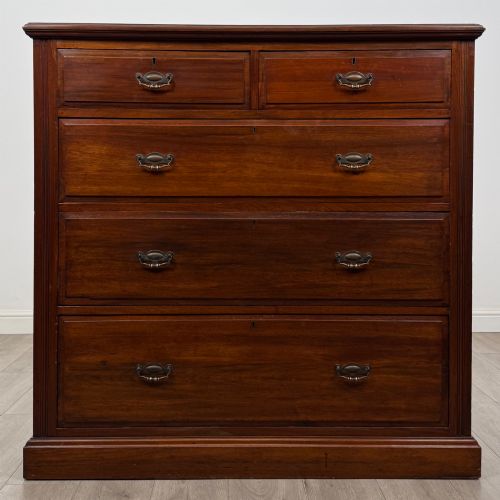
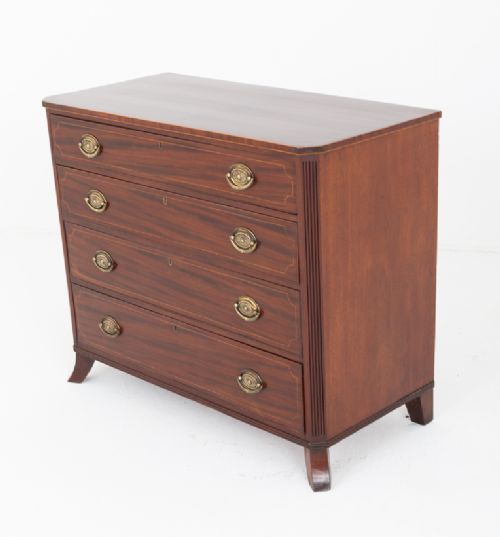

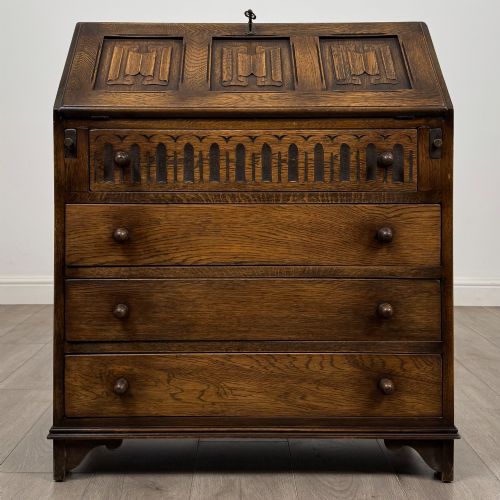
Edwardian Wood Bureau
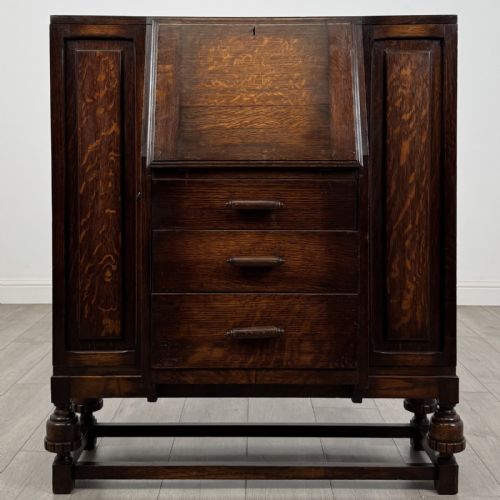
Edwardian wood bureau pieces combine drop-front writing surfaces with fitted interior pigeonholes, offering compact workspace and traditional domestic storage.
Edwardian Wood Bureau
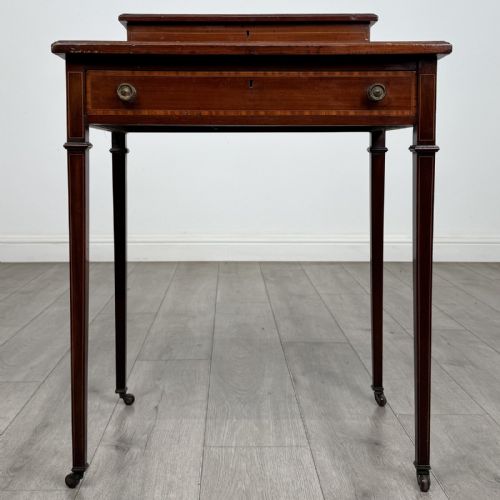
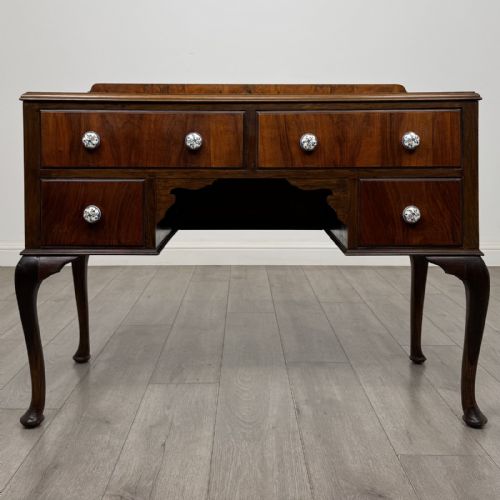
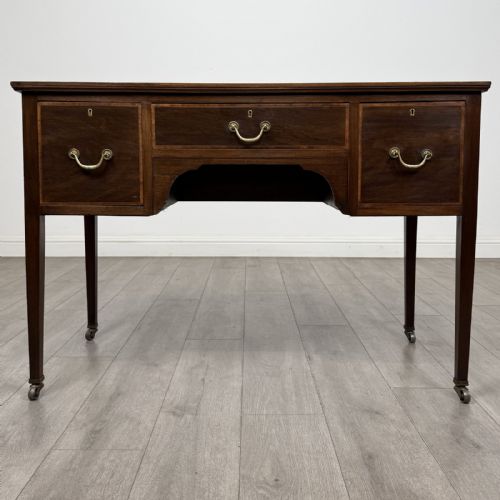
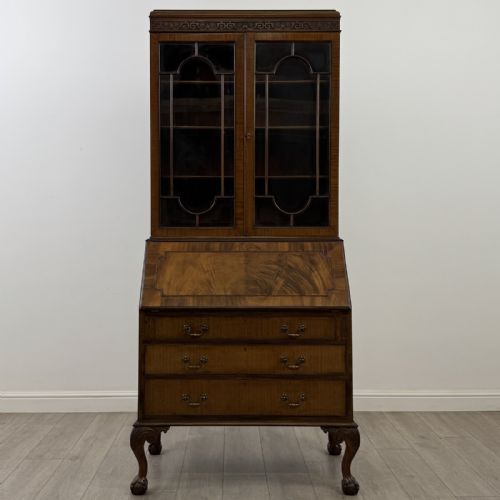
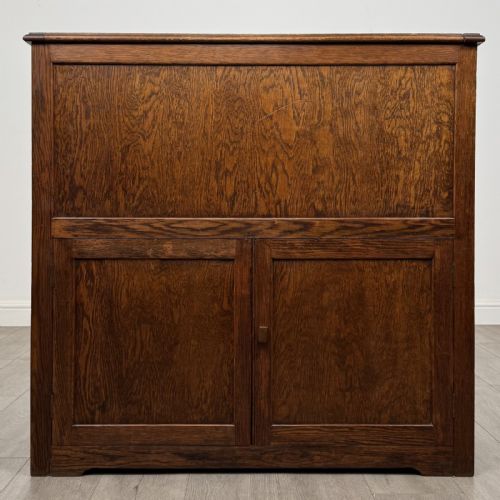
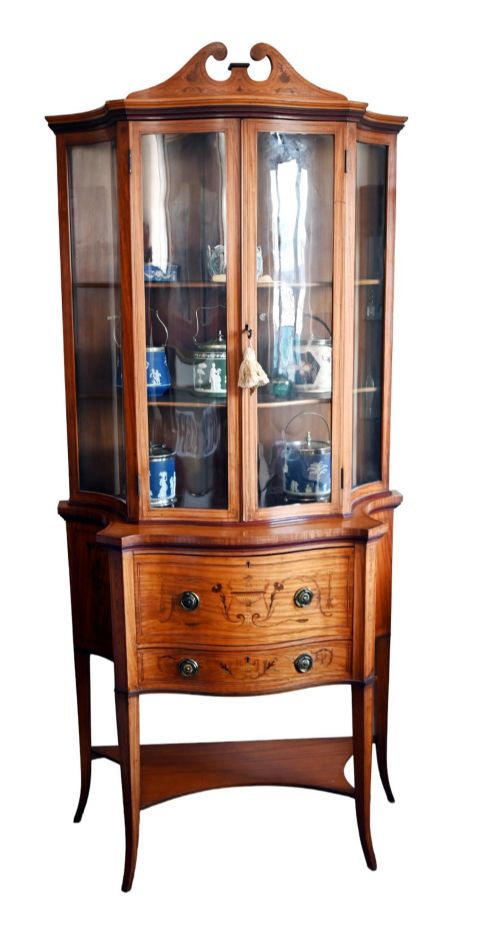
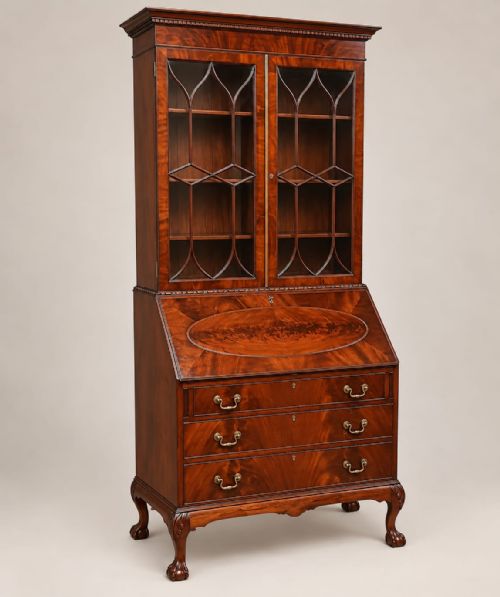
Most examples originate from the Edwardian period or around nineteen hundred, alongside pieces from adjacent late nineteenth century years and revival styles. Formats vary from compact oak and mahogany writing tables to larger satinwood and walnut bureau bookcases with glazed upper sections.
Construction and Materials
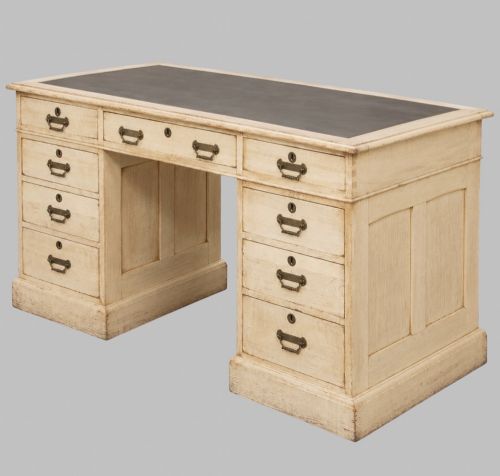
Cabinetmakers utilised solid timbers such as mahogany, oak, and walnut, frequently pairing them with decorative veneers like satinwood and crossbanded borders. Structural elements incorporated brass hardware for handles and escutcheons, alongside leather writing inserts.
Surface decoration relies on natural grain patterns, hand-painted details, and revival stylistic motifs including Sheraton Revival inlay and Jacobean carving. Drop-front mechanisms and internal pigeonholes demand precise carpentry to ensure smooth operation of the folding writing flap.
Listings for edwardian wood bureau pieces incorporate related forms including satinwood Carlton house desks, Sheraton Revival bureau bookcases, and fitted writing tables.
Judging Quality and Execution
Superior execution shows in the selection of figured timber veneers and the crispness of inlaid crossbanding, whereas lesser examples rely on plain timber without decorative contrast. The complexity of the internal fitments, such as secret compartments and finely constructed pigeonholes, distinguishes standard work from exceptional pieces.
Structural integrity depends on the precision of the drop-front hinges and the stability of the writing surface under pressure. Maker attribution, through stamped signatures or labels on larger pieces, separates general workshop production from documented cabinetmaking firms.
James Shoolbred of London
The Edwardian Wood Bureau Glossary
- Bureau
- A desk featuring a sloping hinged lid that drops down to form a writing surface, concealing small drawers and pigeonholes inside. This form developed during the seventeenth century and remained popular through the Edwardian era.
- Secretaire
- A piece of furniture containing a pull-out or drop-front writing drawer, often integrated into the upper section of a bookcase. It conceals a fitted interior similar to a bureau.
- Pigeonhole
- A small, open compartment within a desk interior designed for sorting letters and papers. These compartments form part of the fitted writing desk arrangement.
- Crossbanding
- A strip of veneer laid around the border of a furniture surface with the grain running perpendicular to the centre panel. This technique frames the top or drawer front.
- Satinwood
- A durable exotic hardwood with a lustrous yellow or golden appearance, frequently utilised for fine veneers and inlaid decoration on late period writing furniture.
Edwardian Wood Bureau: Frequently Asked Questions
How do I use a bureau desk?
To use the desk, unlock and lower the fall-front flap, which is supported by internal wooden arms or brackets to form a level writing ledge. This reveals the internal pigeonholes and small drawers for organising correspondence.
When writing is finished, simply lift the hinged flap back to the vertical position and secure it. This action hides the working area and maintains a tidy appearance in a room.
What woods were used for bureaus?
Makers constructed these desks primarily using solid hardwoods and decorative veneers, with mahogany and oak appearing most frequently in the listings. Walnut and satinwood also feature prominently, often enhanced by contrasting inlay work.
Secondary materials include brass for handles, hinges, and key escutcheons, alongside leather writing surfaces inserted into the fall-front or table tops. Each timber choice contributes to the overall colour and grain pattern of the piece.
How do bureau bookcases differ?
A standard bureau consists of the desk base with its drop-front writing flap and internal compartments. A bureau bookcase adds an upper storage cabinet, usually enclosed by glass doors for displaying books.
Both share the same lower writing mechanism, but the bookcase version extends vertically to combine a library display unit with a functional writing desk.