




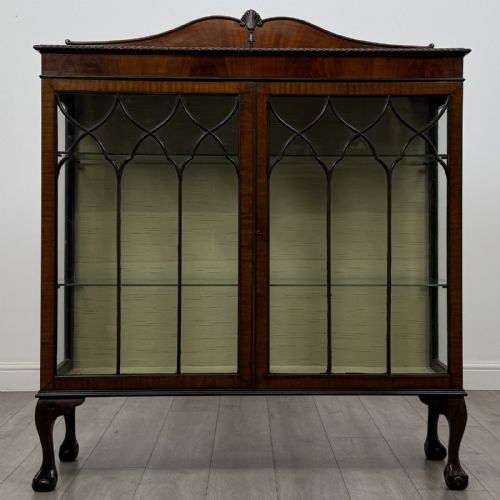
Edwardian Wood Bookcase
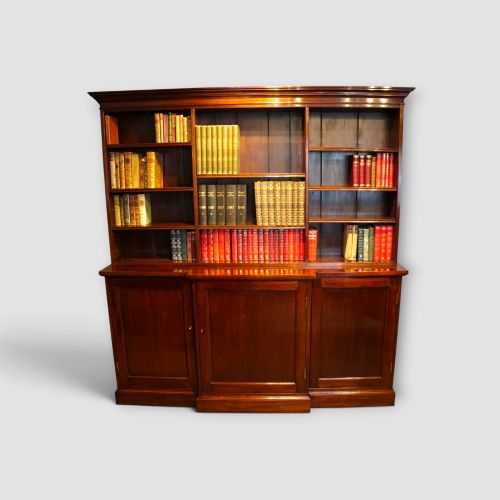
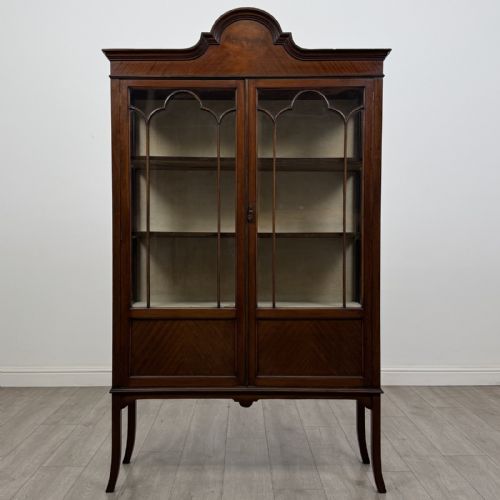
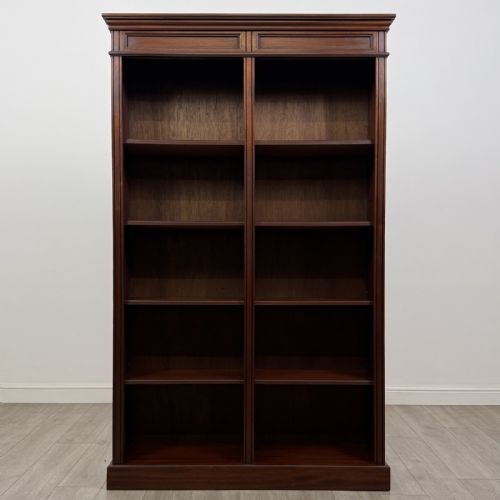
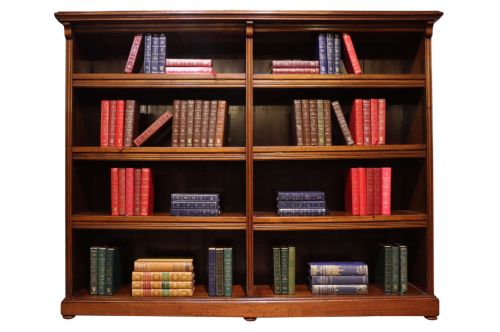
An edwardian wood bookcase brings polished mahogany and glazed panelling into a room, offering practical storage for volumes.
Edwardian Wood Bookcase
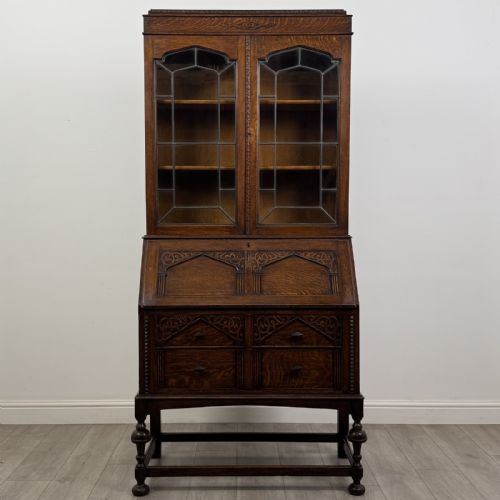
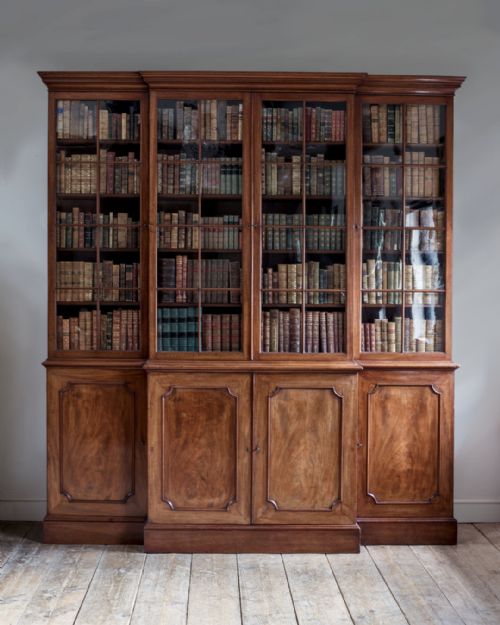
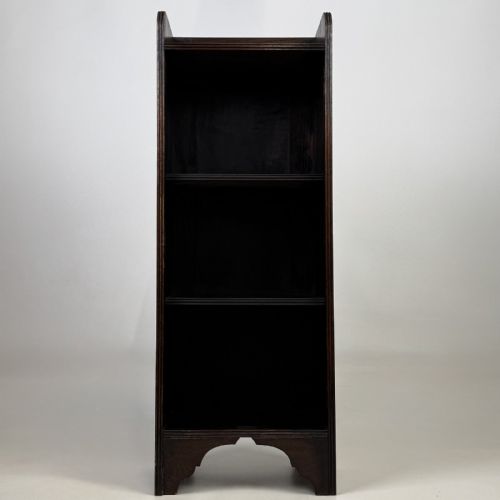
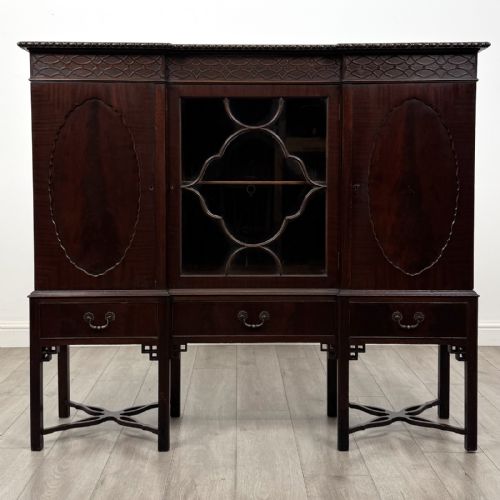
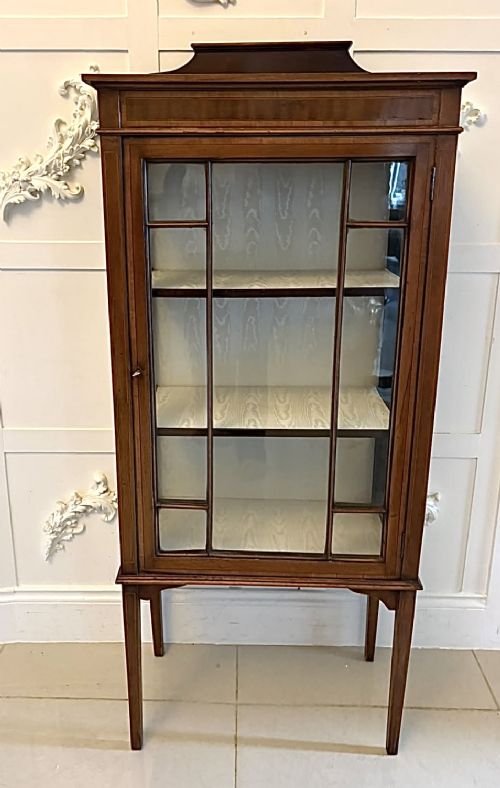
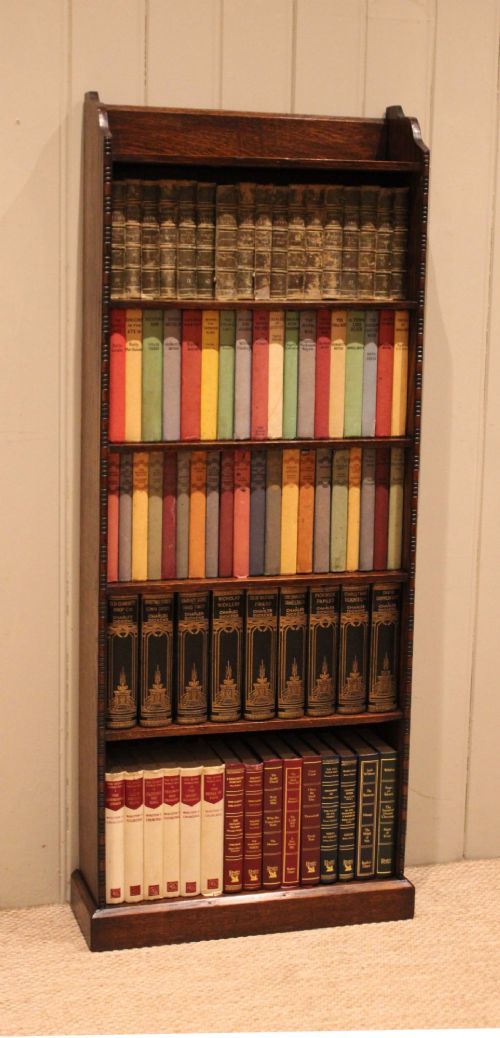
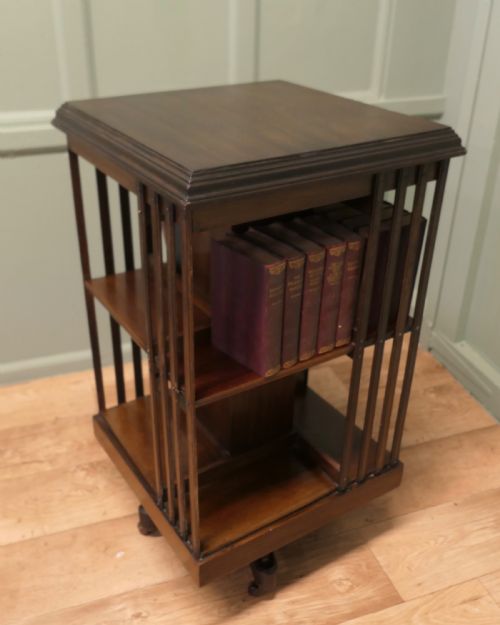
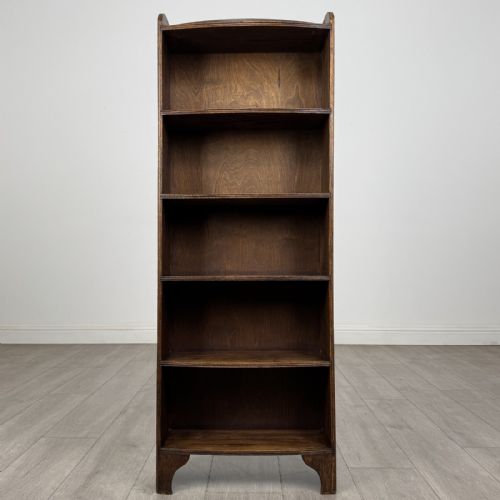
An edwardian wood bookcase encompasses various forms, from open shelf designs to glazed display cabinets and bureau combinations. The pieces seen span open oak bookcases with dentil cornices, walnut breakfronts, and revolving formats fitted with slatted sides.
Makers and workshops of the period utilised styles such as Sheraton Revival and Arts & Crafts, applying them to mahogany and satinwood bodies. Buyers frequently encounter glazed china cabinets and bureau bookcases resting on claw and ball feet or plinth bases.
How They Were Made
Carpenters constructed these cabinets primarily using mahogany and oak, frequently embellishing surfaces with satinwood inlay and walnut veneers. Brass hardware provided functional accents for doors and drawers.
Glazing techniques incorporated astral bars to divide glass panels on display doors, whilst structural joinery utilised sturdy plinths, raised galleries, and bracket feet to support heavy volumes.
Edwardian Wood Bookcase Retail Price Guide 2026
Typical asking prices for edwardian wood bookcase among the pieces listed under this phrase on Sellingantiques today, from the lower quarter to the upper quarter. They describe what is for sale here now, not the wider market.
Some Edwardian revolving bookcases include miniature brass gallery rails on top, designed to keep a pocket watch from sliding off while you spin the shelves.
What Varies in Quality
The sophistication of timber selection and inlay work dictates the distinction between standard items and superior examples. Finer pieces display carefully matched veneers, delicate satinwood banding, and precise brass fittings.
Structural execution also defines worth, observed in the stability of revolving mechanisms, the accuracy of glazed door fitting, and the integrity of carved details such as dentil cornices.
Waring and Gillow·Gunn Furniture
The Edwardian Wood Bookcase Glossary
- Dentil cornice
- A decorative moulding featuring a series of small, rectangular blocks resembling teeth. This architectural detail frequently crowns the top of Edwardian open bookcases.
- Astral glazing
- A method of dividing a glass window into smaller panes using slender wooden bars called astrals. It appears often on the doors of display cabinets.
- Breakfront
- A cabinet design where the central section projects forward from the flanking wings. This configuration adds depth and architectural presence to larger bookcases.
- Bureau bookcase
- A dual-purpose piece combining a sloping writing flap above drawers with shelving or a cabinet above. The interior typically houses pigeonholes and small drawers.
- Revolving bookcase
- A compact, freestanding shelf unit mounted on a concealed pivot base. This mechanism allows the user to spin the entire unit to access books from any angle.
Edwardian Wood Bookcase: Frequently Asked Questions
How do I care for a wood bookcase?
Keep the timber away from direct heat sources and strong sunlight to prevent the wood from drying out or warping. Dust regularly with a soft, dry cloth and apply a quality wax polish occasionally to nourish the surface.
Ensure glass panels are cleaned with a mild glass cleaner applied to a cloth rather than sprayed directly onto the surface, protecting adjacent wood and brass fittings from moisture.
Can I adjust the shelf heights?
Many Edwardian and period bookcases feature adjustable shelving supported by wooden rack strips or brass studs. This allows the internal layout to accommodate books of varying sizes.
Older fixed-shelf models retain their original configuration, meaning shelf heights cannot be altered without modifying the internal structure.
Where should I place a revolving bookcase?
Revolving bookcases suit placement beside an armchair or desk where 360-degree rotation provides immediate access to frequently used reference volumes. Their compact footprint makes them practical for corners or smaller studies.
Ensure adequate clearance space on all sides so the unit turns freely without striking surrounding furniture or walls.
How do I distinguish Edwardian from Victorian bookcases?
Edwardian bookcases generally exhibit lighter timbers like satinwood and lighter mahogany, often featuring refined neoclassical revival or Sheraton revival inlay. The overall aesthetic prioritises airiness and simpler lines.
Victorian counterparts tend to utilise heavier, darker mahogany and oak with denser carved ornamentation, plinth bases, and more robust proportions.