

Edwardian Wine Stand
When you handle an Edwardian wine stand, you find a neat piece of furniture built to hold a glass or bottle near a chair.
Edwardian Wine Stand
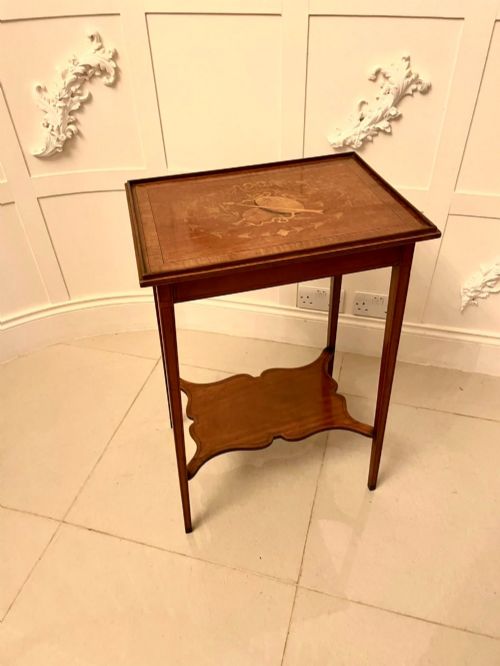
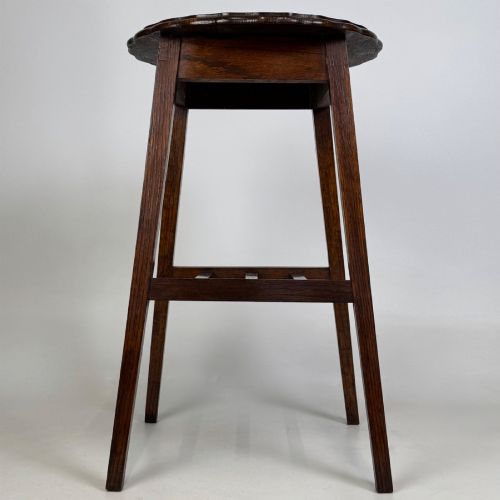
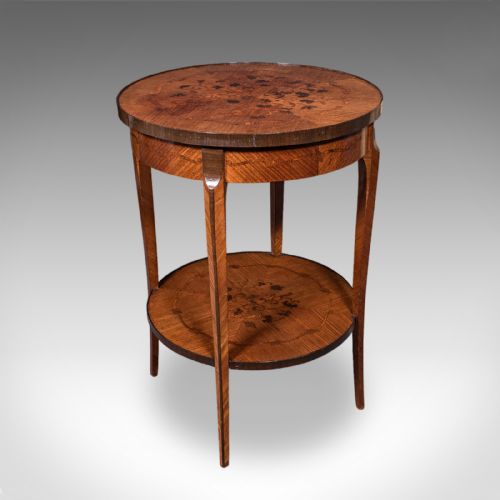
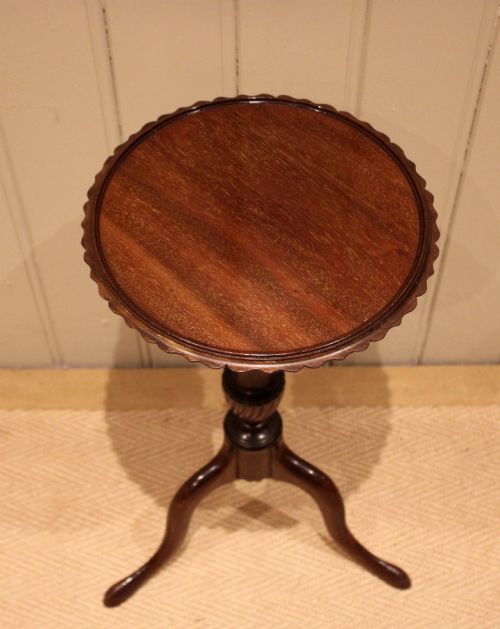
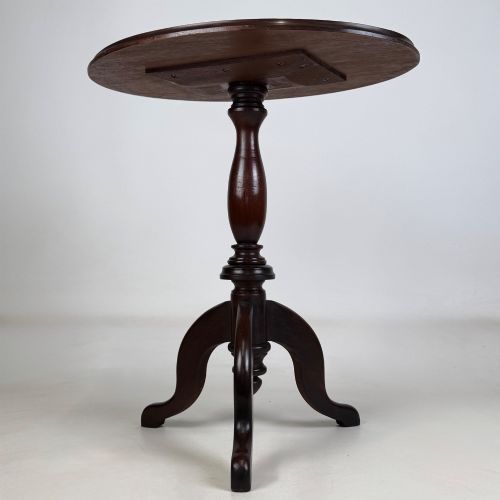
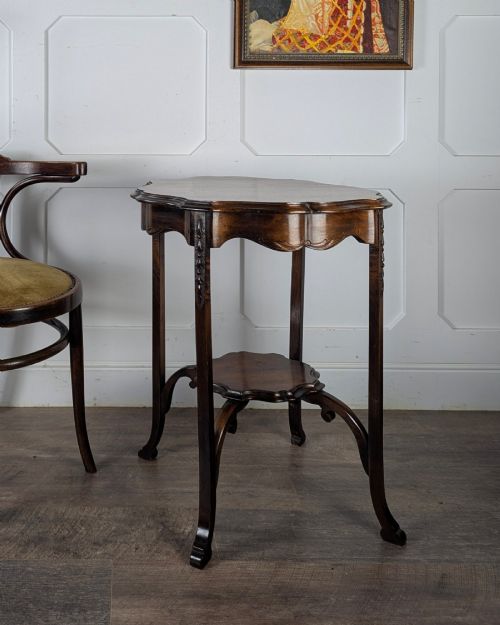
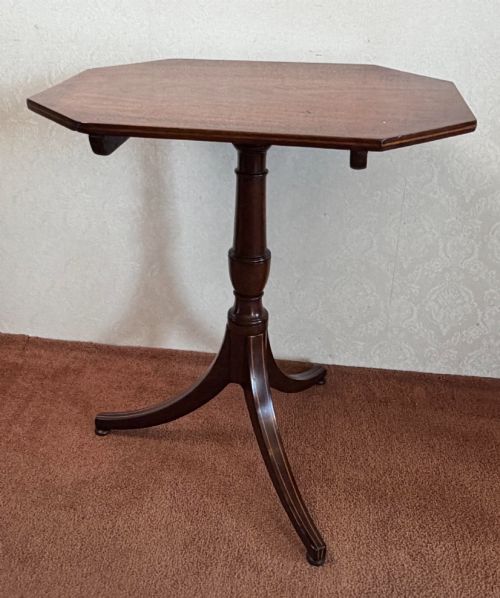
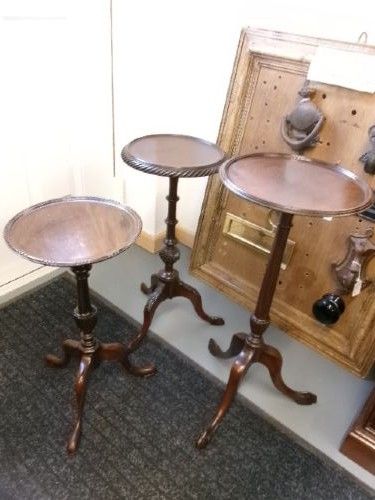
An Edwardian wine stand typically takes the form of a small occasional table, wine table, or low tripod stand designed to hold drinks within arm's reach. You will most frequently encounter compact circular or oval tables in mahogany, often fitted with slender legs and raised rims.
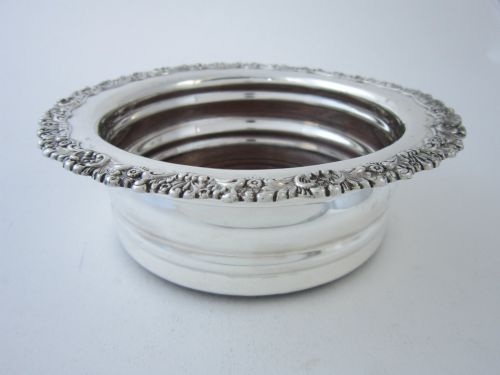
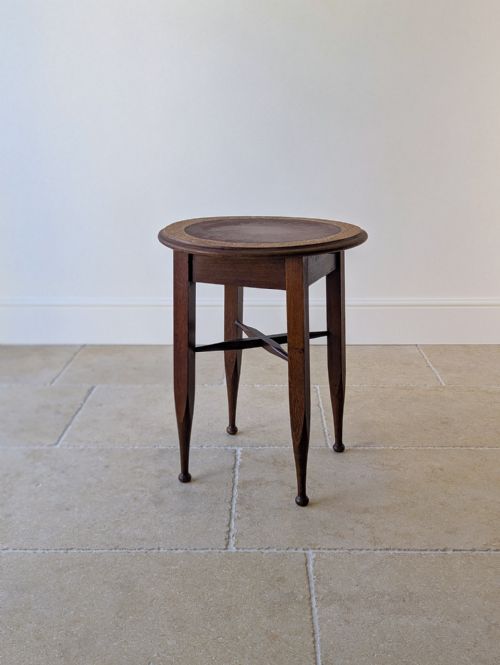
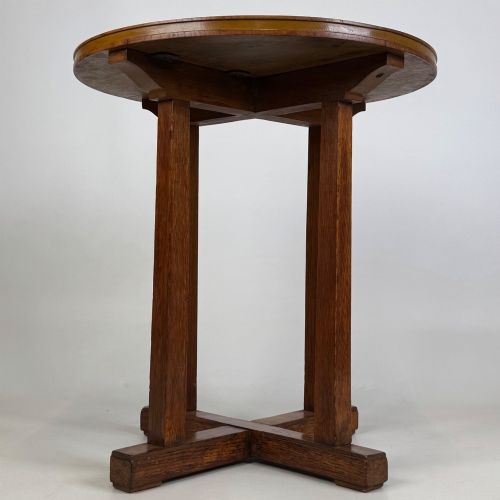
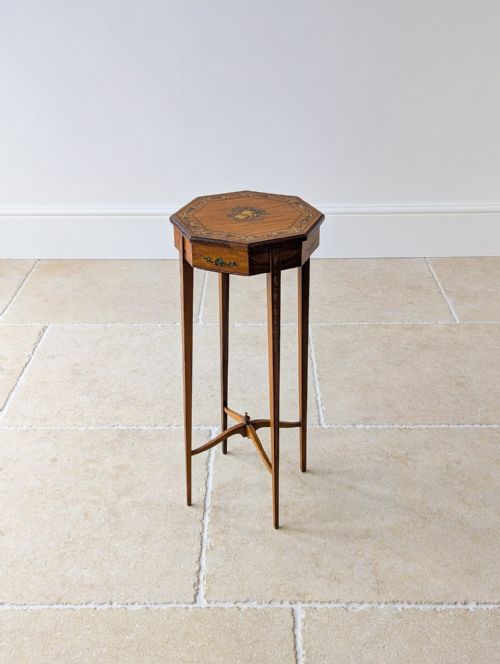
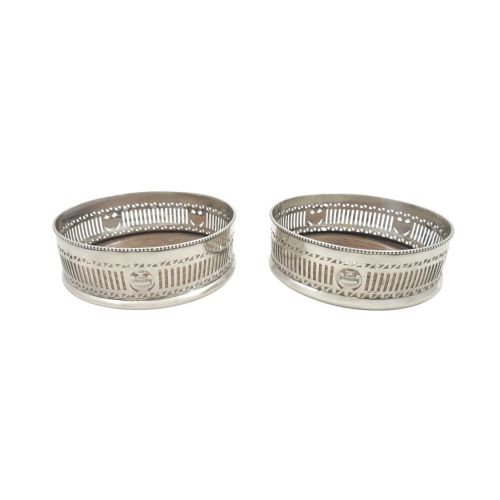
The selection extends beyond simple wood tables to include silver plate and sterling silver wine coasters, bottle holders, and occasional side tables spanning the Edwardian era alongside related Victorian and George V examples. Makers and workshops of the period also produced larger drinks cabinets and inlaid stands in satinwood and oak.
These items served a practical function in the formal reception rooms of their day, providing a stable surface for glassware or serving bottles during social gatherings. Their modest proportions make them adaptable for use beside modern seating as lamp tables or plant stands.
How They Were Made
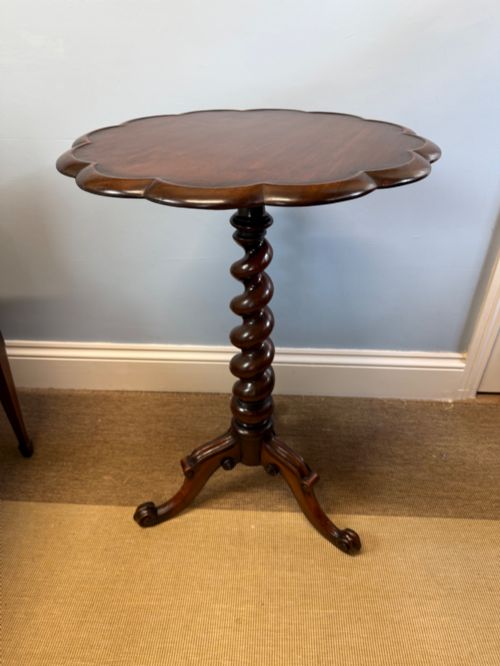
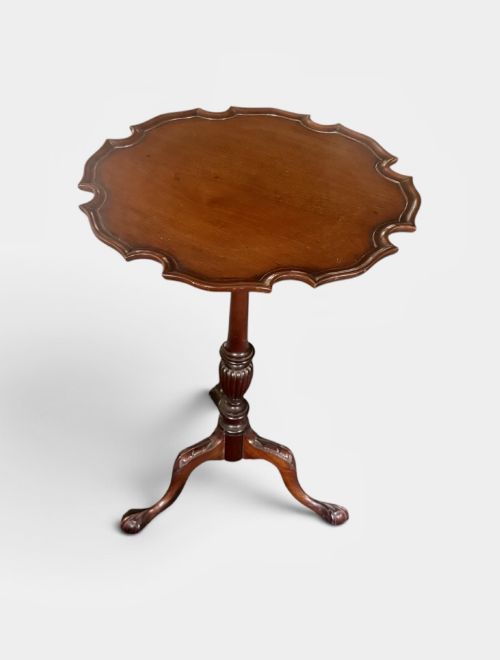
Cabinet makers relied primarily on mahogany, oak, and walnut, often applying satinwood, boxwood, or kingwood veneers and delicate inlay work to tops and legs. Selected pieces incorporate carved details such as barley twist stems or pie crust rims shaped directly from the timber.
Metal components utilise sterling silver and silver plate, frequently paired with turned wood bases or pierced galleries. Construction techniques include traditional joinery for table frames and secure silver-soldering for metal bottle coasters and holders.
A small heart-shaped mahogany table waits quietly to hold your evening tea.
What Varies in Quality
The standard of timber selection and inlay precision largely determines the quality of a wooden wine stand, separating standard production items from finer workshop pieces. Crispness in carved details like pie crust rims and turned tripod legs indicates better craftsmanship.
For silver and plated metal items, clear hallmarks and heavier gauge metal distinguish superior pieces. The integrity of the joint between the wooden base and metal rim in hybrid coasters also points to higher grade manufacture.
Shapland and Petter·Liberty of London·Brook and Son·Waring and Gillow
The Edwardian Wine Stand Glossary
- Wine Table
- A small, usually circular occasional table on a central pillar and tripod base designed to hold a single glass or bottle. These compact pieces were easily moved around a room during evening gatherings.
- Tripod Base
- A support structure comprising three legs radiating from a central column. This design ensures stability on uneven floorboards.
- Pie Crust Rim
- A raised, scalloped edge carved or moulded around the perimeter of a tabletop. The decorative shape helps prevent items from sliding off the surface.
- Wine Coaster
- A small circular tray, often with a turned wood base and a silver or silver-plated rim, designed to protect table surfaces from bottle moisture. They frequently incorporate small wheels or baize-lined bottoms for smooth movement.
- Sheraton Revival
- A late nineteenth and early twentieth century design style inspired by the neoclassical furniture of George Sheraton. It is characterised by painted decoration, satinwood veneers, and slender tapered legs.
Edwardian Wine Stand: Frequently Asked Questions
What is an Edwardian wine stand used for?
These stands provide a convenient surface for holding a glass, bottle, or small lamp beside a chair or sofa.
Historically, they allowed hosts to keep refreshments close at hand in domestic sitting rooms without needing a large dining table.
How do I distinguish an Edwardian piece from Victorian?
Edwardian items tend to feature lighter proportions, brighter mahogany or satinwood timbers, and refined inlay work influenced by revival styles.
Victorian furniture often displays heavier carving, darker finishes, and more robust structural forms.
Can I use a wine stand as a lamp table?
Their compact surface area and stable tripod or four-leg bases make them well suited for holding small table lamps.
Many examples listed as occasional or side tables were built with this dual purpose in mind.
Are silver coasters marked with hallmarks?
Sterling silver wine coasters bear standard British assay office hallmarks indicating the year of manufacture and the maker's mark.
Silver-plated items typically feature maker's stamps or electroplate marks rather than official sterling hallmarks.