



Edwardian Wax Seal
An edwardian wax seal brings tangible weight to correspondence, offering tactile charm and character through cast silver figures and carved hardstones.
Edwardian Wax Seal
An edwardian wax seal encompasses practical desk accessories and portable fob pendants designed for stamping correspondence. These pieces combine functional sealing matrices with integrated holders for sealing wax, vesta cases, or decorative hardstone seals.
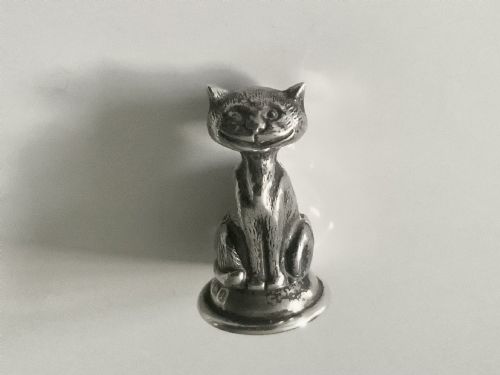
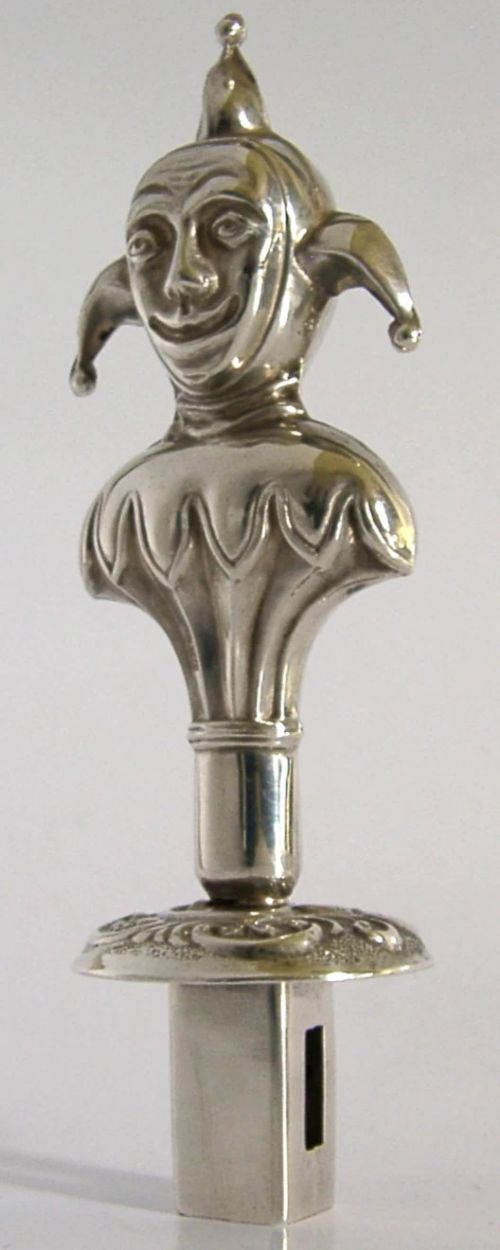
The objects stem predominantly from the Edwardian period and adjacent early twentieth-century decades, executed in sterling silver, rolled gold, and nine-carat gold. Novelty forms such as animals, jesters, and comic figures sit alongside classic bloodstone and agate fobs.
Materials and construction
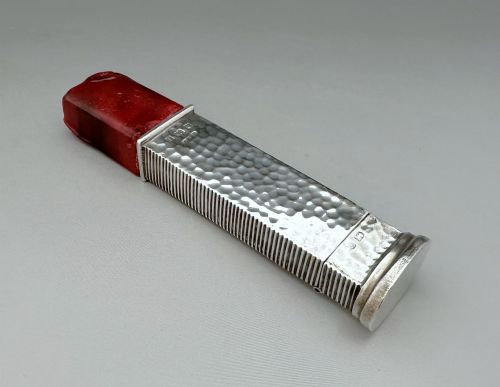
Silversmiths utilised cast solid sterling silver to shape figurative desk accessories, integrating hinged compartments for sealing wax sticks alongside stamping matrices. Hallmarks stamped into the metal record assay offices such as Chester, Birmingham, and London alongside precise assay years.
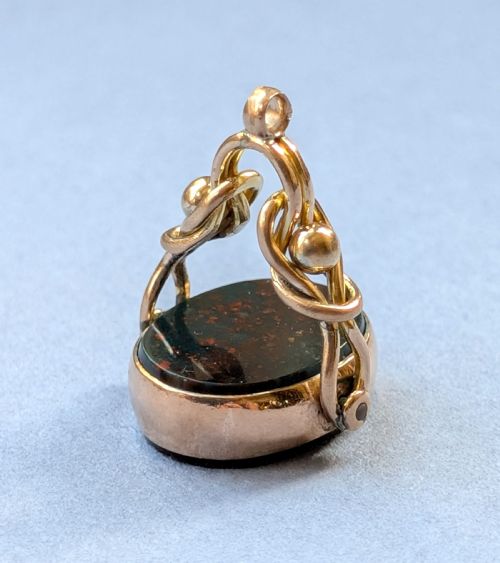
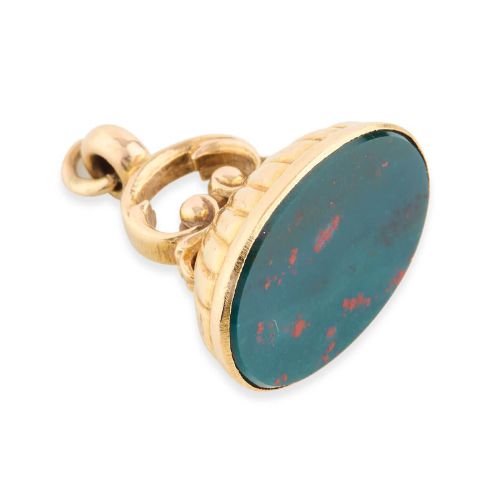
Fob pendants and desk seals incorporate polished hardstones including bloodstone, cornelian, and agate, often mounted within nine-carat gold or rolled gold swivels. Glass components and enamel details occasionally complement the precious metals and wax elements.
Listings feature sterling silver, nine-carat gold, and bloodstone across Edwardian desk accessories and fob pendants.
Distinctions in quality
Quality rests upon the crispness of casting in figurative pieces like jester holders or hatching chicks, where finely modelled details distinguish superior workshop output from simpler production. Maker marks from established firms like Sampson Mordan provide clear benchmarks for excellence.
The grade of materials elevates certain examples, particularly heavy gauge sterling silver paired with unblemished bloodstone or cornelian panels. Intaglio carving depth on the stone matrix and the retention of original unused sealing wax further separate exceptional survivals from standard specimens.
Sampson Mordan And Co
The Edwardian Wax Seal Glossary
- Vesta case
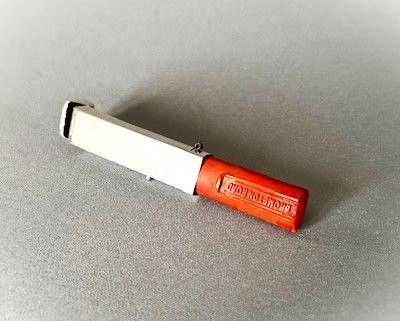
- A small pocket container originally designed for holding matches before striking surfaces became commonplace on matchboxes. These containers frequently incorporated integrated compartments for sealing wax.
- Fob pendant
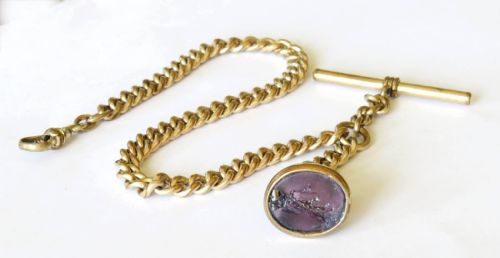
- A decorative ornament attached to a pocket watch chain, often designed with a rotating hardstone seal at the base for stamping wax. Collectors prize these rotating examples for their dual-sided display.
- Intaglio
- A design carved into the recessed surface of a hardstone matrix so that a raised impression appears in the wax. Bloodstone and cornelian serve as common materials for this form of carving.
- Assay mark
- An official stamp applied by an assay office to indicate the purity of precious metals like sterling silver or nine-carat gold. These marks allow precise dating of pieces.
- Sealing wax
- A resinous compound melted to receive the impression of a metal seal or hardstone matrix. Original unused sticks of this material occasionally accompany period desk holders.
Edwardian Wax Seal: Frequently Asked Questions
What is an edwardian wax seal used for?
These pieces served to melt and stamp sealing wax onto correspondence, securing letters and documents with a personal crest or design. They functioned as portable desk tools or decorative fob pendants.
Many examples combine this stamping function with vesta compartments or holders for sticks of sealing wax, making them versatile pocket or desk accessories.
How do I spot a maker mark?
Maker marks appear as small stamped initials or logos on the metal body of the silver or gold pieces. They indicate the workshop responsible for the manufacture.
Prominent makers like Sampson Mordan stamped their names or initials alongside assay office town marks and date letters to verify metal standards.
What materials make up these seals?
Sterling silver and nine-carat gold form the primary structural metals for both desk accessories and fob pendants. Rolled gold also appears on chain-mounted items.
Hardstones such as bloodstone, cornelian, and agate provide the smooth stamping surfaces, occasionally carved with intaglio designs or paired with glass and enamel.
How should I care for antique silver and wax?
Store silver pieces in dry environments and clean them gently with appropriate soft cloths to preserve the polished finish and clear hallmarks. Avoid harsh chemical dips that strip away age character.
Keep original sealing wax away from direct heat sources to prevent melting or distortion of the historic material.