




Edwardian Walnut Footstool
These edwardian walnut footstool pieces are compact seats of solid timber, offering enduring comfort and tactile appeal to any traditional interior.
Edwardian Walnut Footstool
When you search for an edwardian walnut footstool, you are looking at low seating forms constructed from timber and textiles across various periods. The pieces appearing here span from Victorian examples to the early twentieth century, reflecting enduring domestic utility.
The dominant forms are rectangular or oval stools, dressing table seats, and occasional window seats. While the search specifies the Edwardian era, the listings include revival designs spanning Queen Anne, George II, and Louis XV styles.
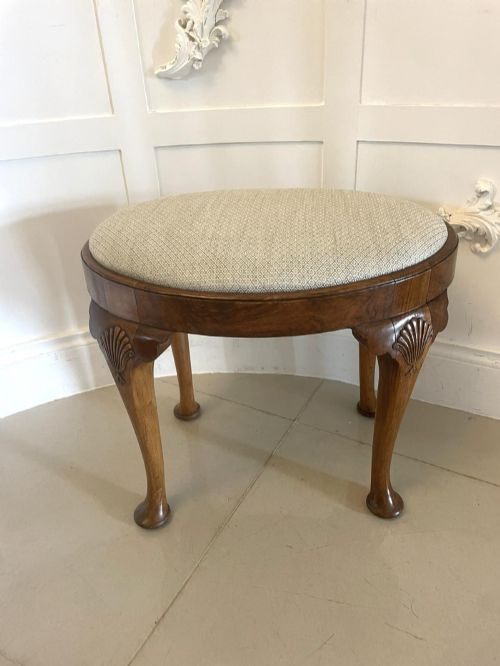
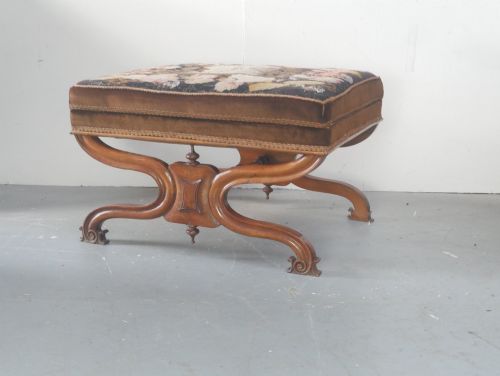
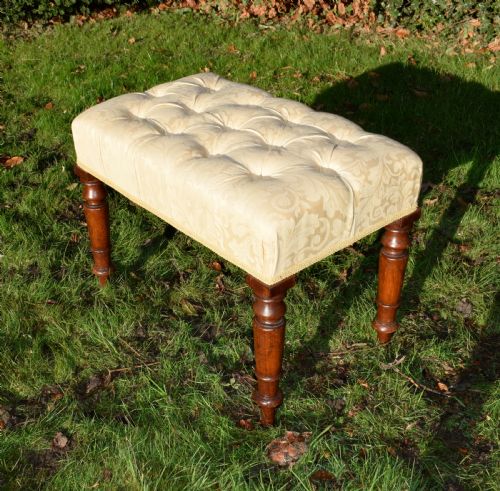
Makers utilised resilient walnut framing combined with diverse upholstery including tapestry, needlepoint, velvet, kilim, and buttoned leather. Such pieces served both functional foot-resting roles and as decorative salon furniture.
Materials and construction
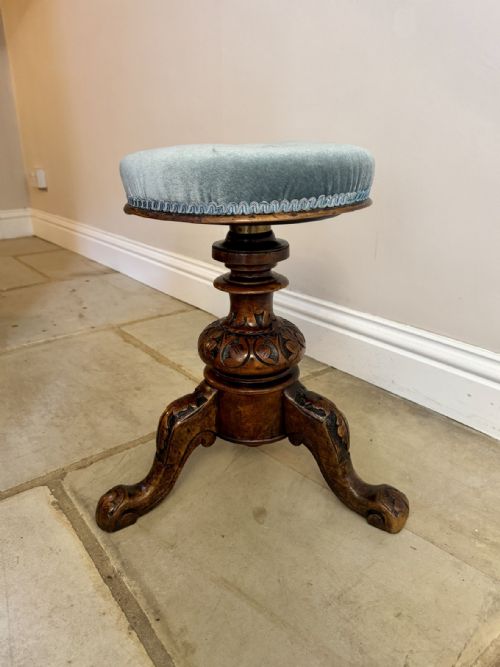
The primary structural material across these listings is walnut, frequently shaped into carved cabriole legs, twisted rope supports, or inlaid surfaces. Tunbridge ware and geometric motifs occasionally augment the timber frames.
Upholstery techniques vary from simple fabric coverings to intricate needlework, kilim tapestry, and buttoned leather. New covers and restorations appear alongside period upholstery, preserving the tactile quality of the upper surfaces.
A tiny mosaic of British timbers forms the Tunbridge ware top on one remarkable footstool, whispering of nineteenth-century seaside craft.
Judging quality in walnut seating
Quality separates through the crispness of the wood carving, the integrity of the walnut grain, and the execution of revival styles such as Queen Anne or George II. Pieces featuring detailed cabriole legs or inlaid Tunbridge ware demonstrate higher craftsmanship.
The standard of upholstery and the retention of period textiles, needlepoint, or buttoned leather significantly influence the character of each piece. Sympathetic restoration maintains the balance between structural timber and decorative fabric.
The Edwardian Walnut Footstool Glossary
- Cabriole leg
- A furniture leg that bends outward and then tapers downward, commonly seen in Queen Anne revival pieces. This design mimics the natural leap of an animal.
- Tunbridge ware
- Small-scale decorative woodwork characterised by tiny mosaic tiles formed from differently coloured woods. It decorates the surfaces of select Victorian and Edwardian items.
- Needlepoint
- A form of canvas work embroidery used for upholstery and footstool tops. It provides durable and patterned decorative surfaces.
- George II Revival
- A design style drawing on early eighteenth-century motifs. It frequently manifests in walnut framing and substantial proportions.
Edwardian Walnut Footstool: Frequently Asked Questions
What is an edwardian walnut footstool used for?
These low seats function primarily as footrests before armchairs or as small dressing table stools. Their compact dimensions allow them to sit easily beneath windows or beside salon seating.
Historically, they provided practical comfort while keeping feet off cold floors. Today, they serve both functional resting roles and decorative accents in reception rooms.
How do I clean the textile top?
Maintenance depends entirely on whether the upholstery is historic needlepoint, velvet, or modern replacement fabric. Gentle surface vacuuming with a low suction attachment protects delicate tapestry fibres.
Avoid liquid cleaners on antique wool or leather surfaces to prevent permanent staining. Professional textile conservation is recommended for fragile or historic tapestries.
Are these stools comfortable to use daily?
Many examples feature padded upholstery, buttoned leather, or sprung foundations designed for seating comfort. Stools with newly restored covers offer robust support for everyday use.
Victorian and Edwardian padding varied from horsehair stuffing to modern foam inserts. Checking the firmness of the cushion helps determine suitability for active daily seating.
How can I tell the period apart?
Dating relies on observing structural details like leg shapes, timber patination, and upholstery methods. Victorian examples often display heavier carved walnut frames, while revival pieces adopt earlier eighteenth-century silhouettes.
Archival clues such as turned twist rope supports or Tunbridge inlay help narrow down the decade of production. Comparing the joinery underneath reveals period-specific manufacturing techniques.