





Edwardian Walnut End Table
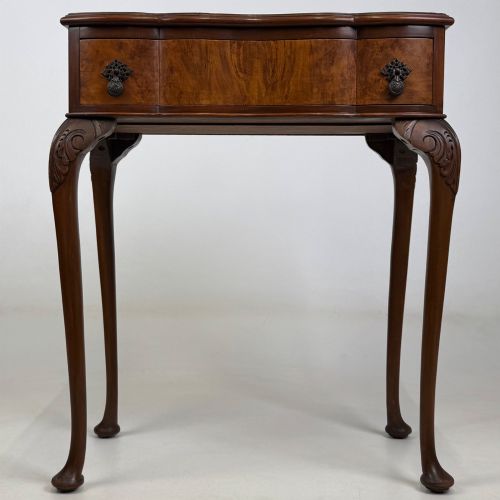
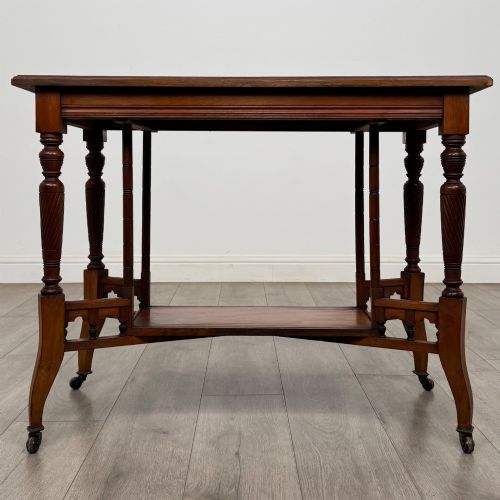
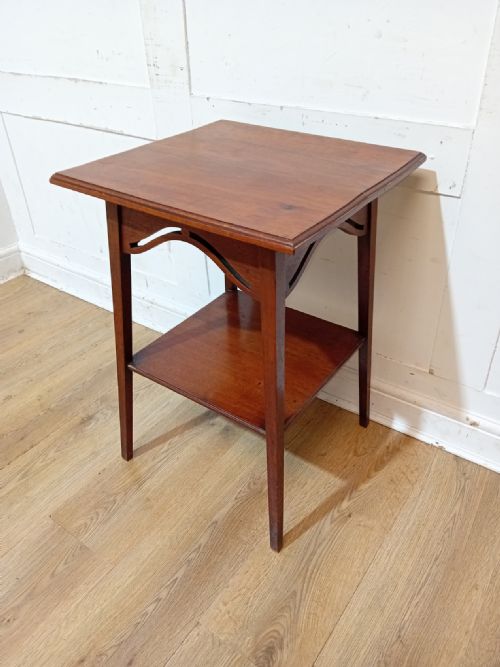
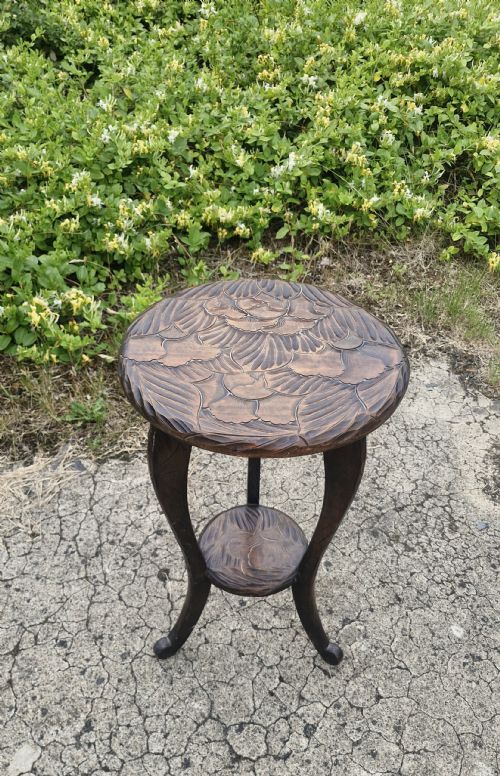
These edwardian walnut end table examples bring warmth and compact utility to a room through figured timbers and traditional craftsmanship.
Edwardian Walnut End Table
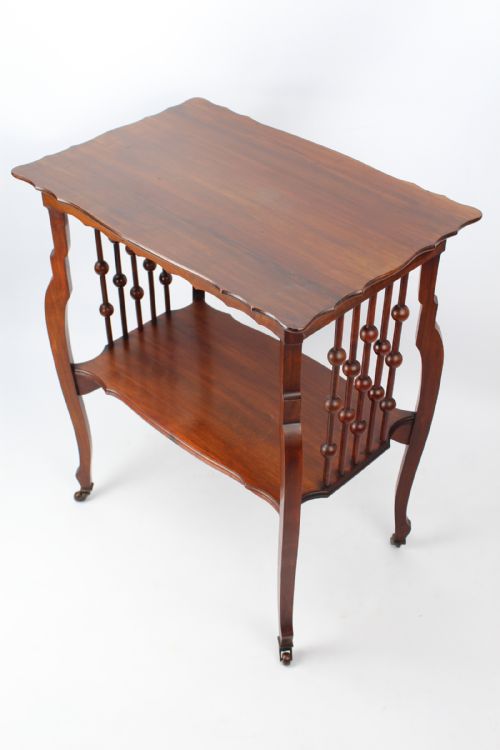
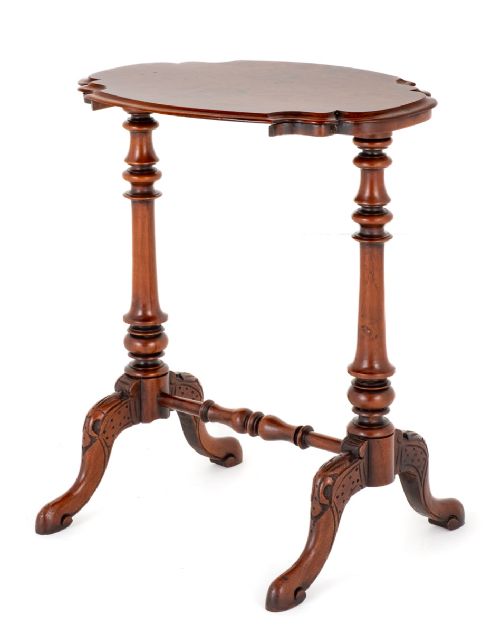
An edwardian walnut end table typically serves as an occasional, side, or lamp table designed for placement beside seating or in hallways. You will encounter various forms on this page, ranging from single-tier rectangular and oval surfaces to two-tier designs and nested tables.
The materials span standard walnut alongside figured varieties such as burr walnut and satin walnut, often complemented by brass fittings or inlaid decoration. While many pieces date directly from the Edwardian era, the selection also includes late Victorian and early twentieth-century examples sharing similar domestic functions.
How They Were Made
Cabinet makers utilised solid timber and decorative veneers applied to secondary woods to create stable yet visually striking surfaces. Burr walnut and figured walnut feature prominently in the construction, selected for their rich grain patterns.
Joinery methods involved traditional framing and panel assembly, while ornamentation relied on carved details, parquetry inlay, or painted decoration rather than heavy embellishment.
Listings feature walnut, burr walnut, and satin walnut alongside brass and oak, spanning Victorian and Edwardian periods.
What Varies in Quality
The distinction between standard domestic pieces and finer examples rests largely on the choice of timber veneer and the crispness of any inlaid or carved details. Selected burr walnut figures and balanced proportions elevate an item from a simple utility table to a more considered piece of furniture.
Construction integrity also separates the range, where tight joints, stable tiered structures, and well-maintained polished finishes indicate superior workshop origins.
Liberty of London·Maple and Co·Gillows·Selbat
The Edwardian Walnut End Table Glossary
- Burr walnut
- A thin slice of timber taken from a growth on a walnut tree, yielding a swirling, highly decorative grain pattern. Cabinet makers prize this material for tabletops and feature panels.
- Occasional table
- A small, movable table intended for auxiliary use within a room rather than a fixed dining or writing purpose. These pieces easily shift beside chairs or against walls.
- Nest of tables
- A set of graduated small tables designed to stack neatly beneath one another when not in use. This space-saving form gained popularity during the late nineteenth and early twentieth centuries.
- Parquetry
- Geometric mosaic woodwork formed by small pieces of veneer fitted together to create patterned surfaces. This technique frequently decorates the tops of occasional and side tables.
Edwardian Walnut End Table: Frequently Asked Questions
Where should I place an edwardian walnut end table?
These compact surfaces suit positions beside armchairs or sofas to hold lamps, books, or drinks. They also function well as small lamp or hall tables in tighter spaces.
Because of their modest proportions, they integrate easily into both traditional and contemporary room layouts without dominating the floor plan.
How do I care for walnut veneer furniture?
Keep these pieces away from direct heat sources and strong sunlight to prevent the walnut timber and delicate veneers from drying out or fading. Regular dusting with a soft, dry cloth maintains the polished finish.
Avoid using silicone-based polishes, opting instead for traditional beeswax applied sparingly when the wood requires nourishment.
What is the difference between a side table and an occasional table?
Side tables typically stand in fixed positions against walls or beside larger items of furniture, often serving a specific functional role in a room. Occasional tables suggest a more flexible purpose, moved about as needed for tea, reading, or display.
In practice, makers and sellers often use both terms interchangeably for these smaller domestic pieces.
Are nested tables a later invention?
Nested tables, sometimes referred to as quartetto sets, date back well into the nineteenth century and became particularly popular during the Edwardian period. They provided households with multiple surfaces that disappeared into a single footprint.
Craftsmen built them in sets of three or four, maintaining matching timbers and styling across the graduation.