







Edwardian Vanity Pot
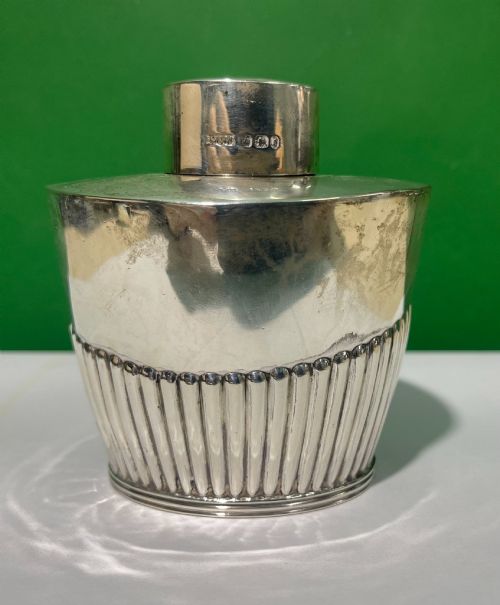
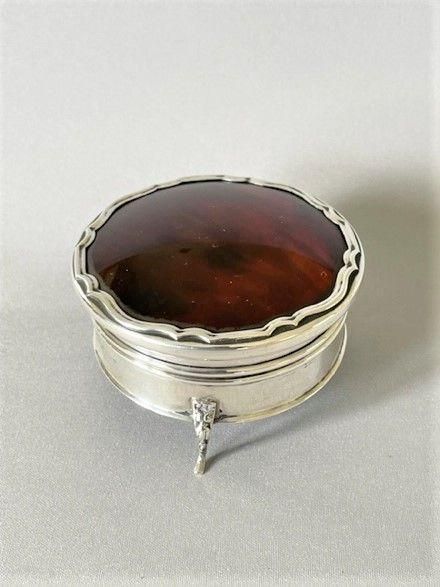
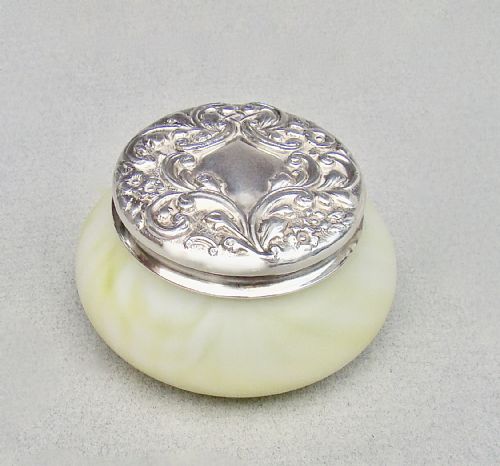
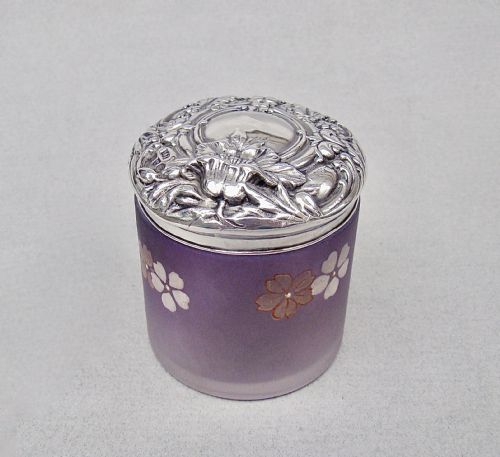
An edwardian vanity pot sits upon a dressing table to hold small ornaments, pins and cosmetics.
Edwardian Vanity Pot
When you search for an edwardian vanity pot, you encounter small receptacles designed for the dressing table, spanning trinket boxes, pill boxes and dressing table jars.
The pieces on this page originate primarily from the Edwardian period and the early twentieth century, alongside Victorian and Art Deco examples.
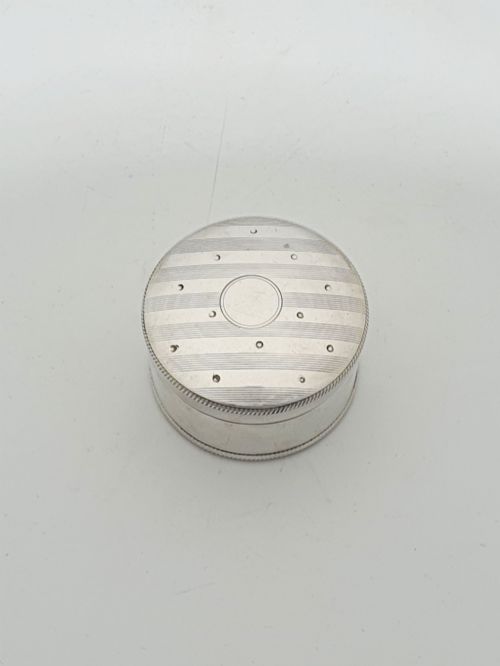
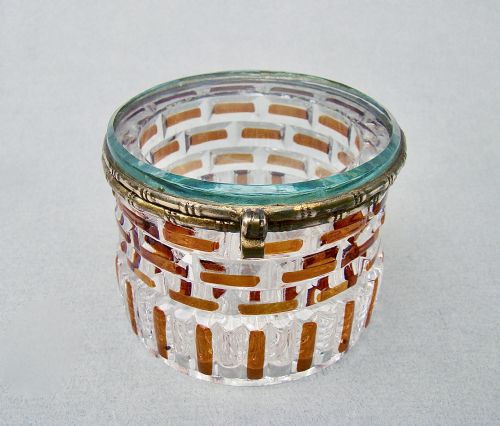
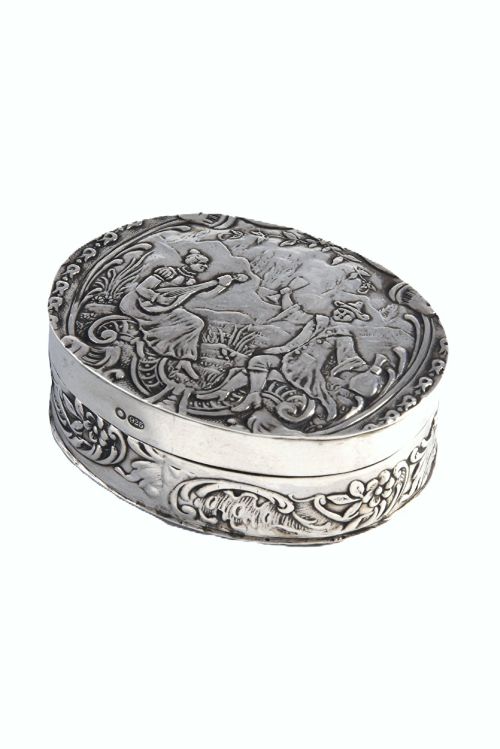
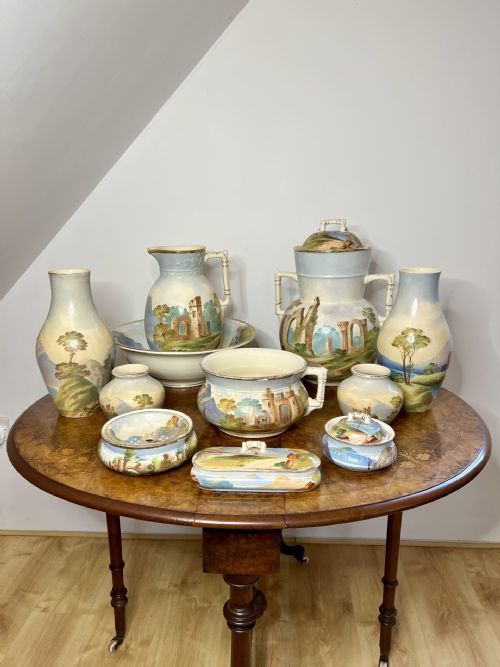
Forms vary from round pill boxes and snuff boxes to larger cut glass and crystal jars with silver lids, alongside ceramic powder boxes.
How they were made
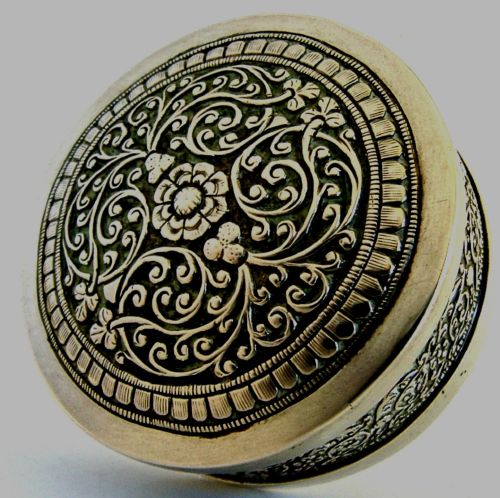
Silversmiths shaped sterling silver mounts and lids, often adding engine-turned decoration, hallmarks or guilloche enamel.
Glassmakers produced cut crystal, satin glass, cranberry glass and frosted glass bodies, sometimes sourcing French Baccarat or Limoges ceramics.
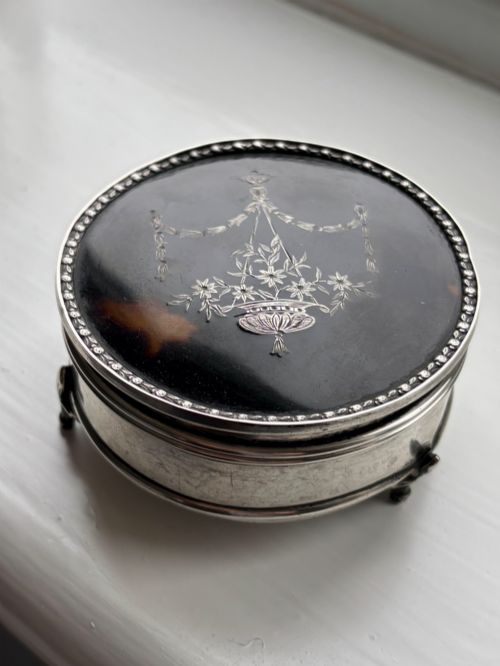
Craftsmen combined these materials with tortoiseshell, pique work and hand-painted porcelain plaques fitted neatly to the metal rims.
Edwardian Vanity Pot Retail Price Guide 2026
Typical asking prices for edwardian vanity pot among the pieces listed under this phrase on Sellingantiques today, from the lower quarter to the upper quarter. They describe what is for sale here now, not the wider market.
Listings feature items spanning the Victorian, Edwardian, and Art Deco periods, created from sterling silver, cut glass, porcelain, and tortoiseshell.
What varies in quality
Quality rests in the weight of the silver, the crispness of any engine-turning or hallmark stamp, and the clarity of the cut glass or crystal.
The integration of delicate materials such as tortoiseshell, pique work or undamaged guilloche enamel distinguishes finer examples from standard production.
Maker attribution to known firms like Asprey or specific silversmiths elevates the standing of an individual piece.
Ollivant & Botsford·Henry Clifford Davis·A. Bromet & Co·Asprey & Co
The Edwardian Vanity Pot Glossary
- Guilloche enamel
- A decorative technique where an underlying metal surface is mechanically engraved with repetitive patterns beneath a translucent enamel coating. This method creates a shimmering, patterned depth beneath the coloured glass surface.
- Sterling silver
- An alloy consisting of ninety-two point five percent silver and seven point five percent other metals, typically copper. British pieces carry hallmark stamps indicating the assay office and year of testing.
- Pique work
- The art of inlaying tiny pins of gold or silver into organic materials such as tortoiseshell or ivory. Artisans arrange these metallic points to form intricate geometric or floral motifs.
- Engine-turned
- A mechanical method of engraving precise geometric patterns onto metal surfaces using a lathe. This technique provides a tactile, textured finish popular on twentieth-century boxes.
- Cut glass
- Glass shaped and patterned by cutting facets into the surface using abrasive wheels. Heavier lead crystal variants display sharper refraction and greater overall weight.
Edwardian Vanity Pot: Frequently Asked Questions
What fits inside an edwardian vanity pot?
These small vessels hold items such as hairpins, rings, small brooches, loose powder or pills. Their compact dimensions suit the surface of a dressing table.
Historically, they kept delicate personal items organised and protected from dust when not in daily use.
How do I clean silver mounts?
Silver mounts benefit from gentle wiping with a specialised soft polishing cloth to remove tarnish. Care avoids abrasive contact with adjacent glass, enamel or tortoiseshell surfaces.
Water immersion is unsuitable for pieces containing tortoiseshell, glued ceramic plaques or lined interiors.
How do I identify the date?
British silver components carry hallmarks that include a date letter indicating the exact year of assay. These small stamped symbols correspond to assay office records in cities such as Birmingham, Chester or London.
Stylistic cues like Art Deco geometric lines or Edwardian floral motifs offer further chronological context.
Can I use them daily?
Gentle daily use suits sturdy cut glass and solid silver boxes kept away from damp environments. Enamel and tortoiseshell pieces require greater care due to their sensitivity to moisture and impact.
Placing them on soft dressing table mats prevents accidental scratching of the base.