


Edwardian Upholstered Window Bench
These edwardian upholstered window bench options offer practical seating tailored for alcoves, combining period woodwork with soft fabric finishes.
Edwardian Upholstered Window Bench
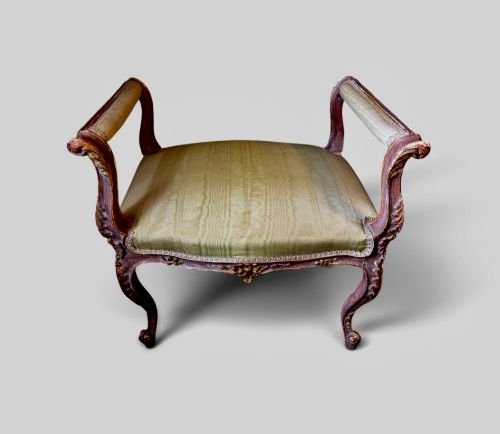
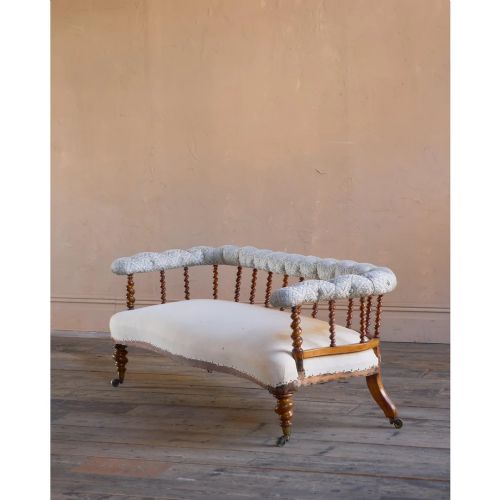
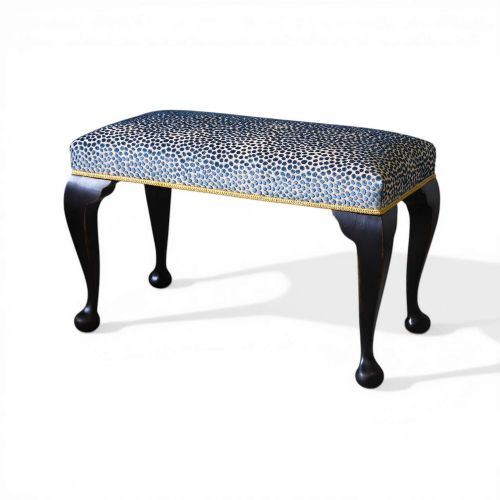
When you search for an edwardian upholstered window bench, you encounter a selection of long seats, stools, and small settees designed originally to fit beneath low sills. The pieces on this page span the Edwardian period alongside late Victorian and early twentieth-century examples, maintaining low profiles and compact frames.
Most items you meet take the form of mahogany window seats or inlaid satinwood stools featuring upholstered tops. Makers adapted these forms for bedrooms and living rooms, resulting in variations like duet piano stools and end-of-bed benches.
Origins stretch across English workshops from the nineteenth and twentieth centuries, utilising traditional seating formats such as X-frames, spindle backs, and open-framed designs. The prevalence of mahogany and satinwood frames paired with textile covers defines the typical piece you will encounter.
Factors Defining Quality
Quality rests primarily on the crispness of the timber inlay, the selection of cabinet woods like figured mahogany or satinwood, and the finesse of any hand-carved elements. Examples featuring bone inlay or refined ebonising demonstrate higher craftsmanship.
The integrity of the frame construction and the choice of original or sympathetic textile upholstery further separate standard pieces from finer examples. Selection often hinges on whether the woodwork retains its crisp original finish without excessive wear.
Some Edwardian piano stools were thoughtfully built extra wide for duets, hiding sheet music beneath the seat.
C. Hindley & Sons·James Shoolbred
The Edwardian Upholstered Window Bench Glossary
- Edwardian
- Pertaining to the reign of King Edward VII, spanning the early years of the twentieth century. This style is characterised by lighter furniture forms and neoclassical revival motifs.
- Satinwood
- A durable hardwood with a lustrous yellowish grain, frequently utilised for fine inlays and decorative veneers on nineteenth and twentieth-century cabinet furniture.
- Duet Stool
- An extended piano stool or bench built to seat two players side by side. These pieces often feature hinged upholstered seats revealing music storage compartments.
- X-Frame
- A structural form where intersecting diagonal legs create a cross shape beneath the seat. This classical design appears on neoclassical and revival stools.
- Ebonised
- Wood treated with a dark finish to imitate expensive ebony. This technique gained popularity during the Victorian and Edwardian eras for dramatic contrast.
Edwardian Upholstered Window Bench: Frequently Asked Questions
Where should I place an edwardian upholstered window bench?
These benches fit naturally beneath low window frames, serving as functional seating in living spaces or hallways. Their modest depth also makes them suitable as end-of-bed furniture in bedrooms.
Positioning them away from direct sunlight protects delicate textile upholstery and polished wood surfaces from fading over time.
How do I distinguish Edwardian pieces from Victorian ones?
Edwardian designs generally favour lighter proportions, satinwood inlays, and brighter wood tones influenced by neoclassical revivals. Victorian items tend to feature heavier walnut or rosewood frames with deeper, more robust carving.
Reviewing the listed periods and secondary materials helps clarify the manufacturing era of each individual seating piece.
Can I use these benches for daily seating?
Most pieces function well for regular use, provided the internal frame and upholstery webbing remain sturdy. Many surviving examples retain solid hardwood structures built for domestic service.
Some items listed specifically for re-upholstery require interior restoration before supporting heavy daily weight.
What fabrics were originally used on these seats?
Original coverings often included durable leather, woven damask, velvet, and standard textile upholstery. These materials matched the formal aesthetic of Edwardian and late Victorian interiors.
Many pieces have since been recovered in modern fabrics while retaining their antique wooden frames.