
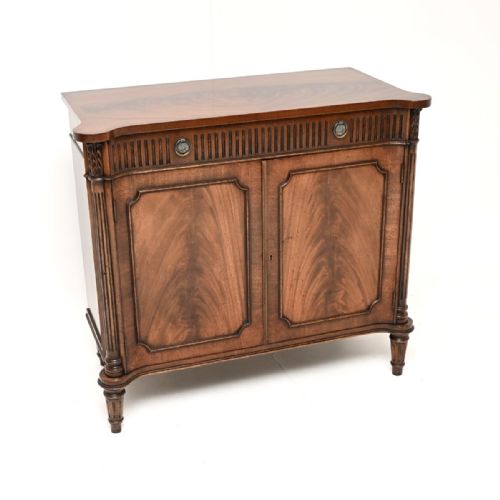
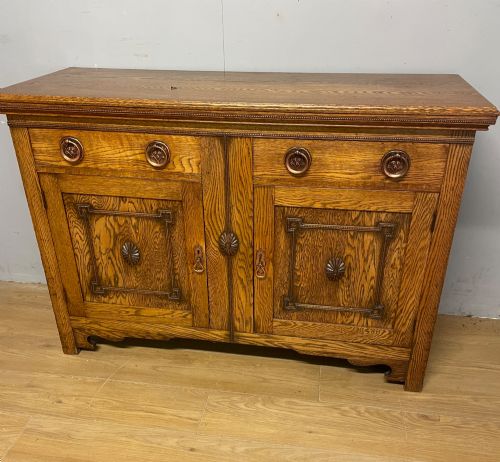
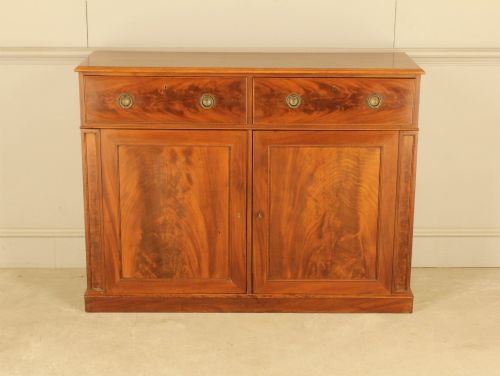
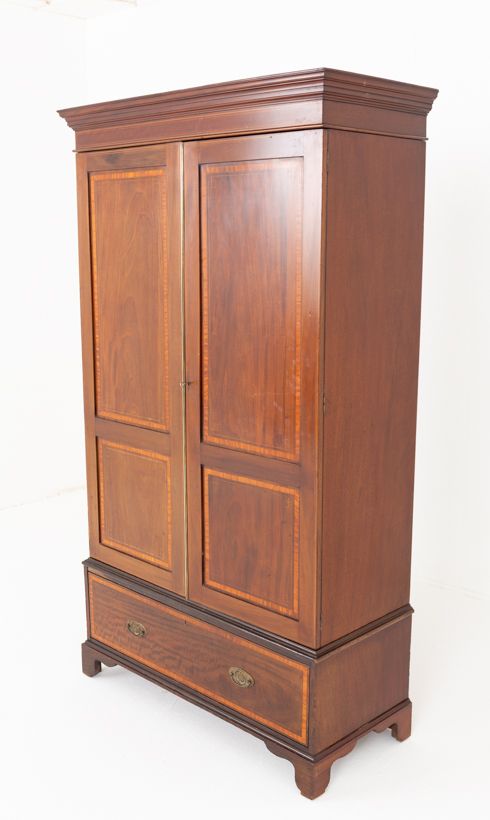
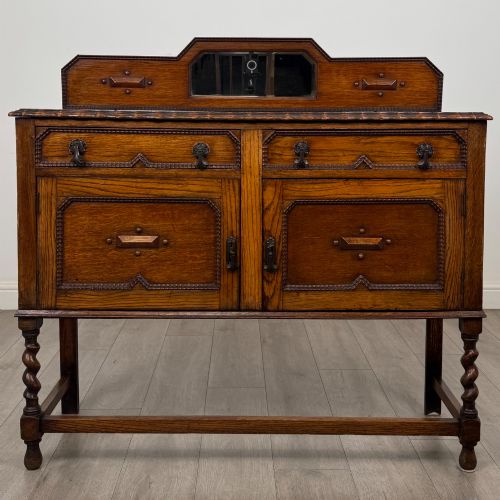
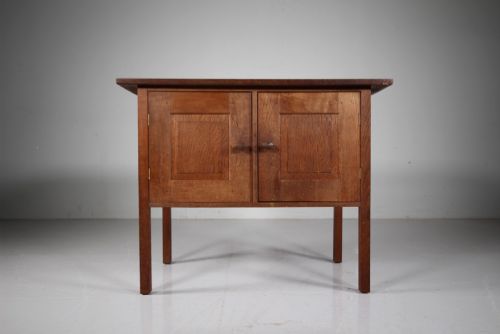
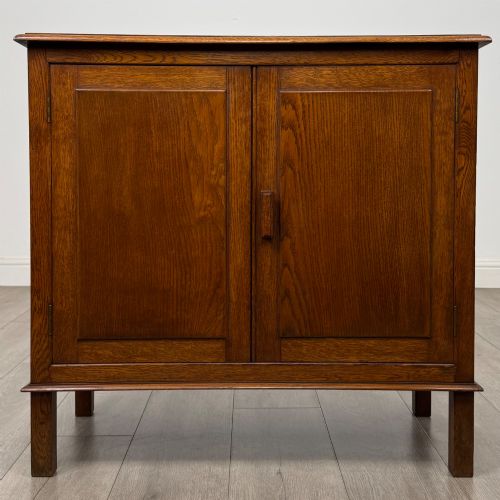
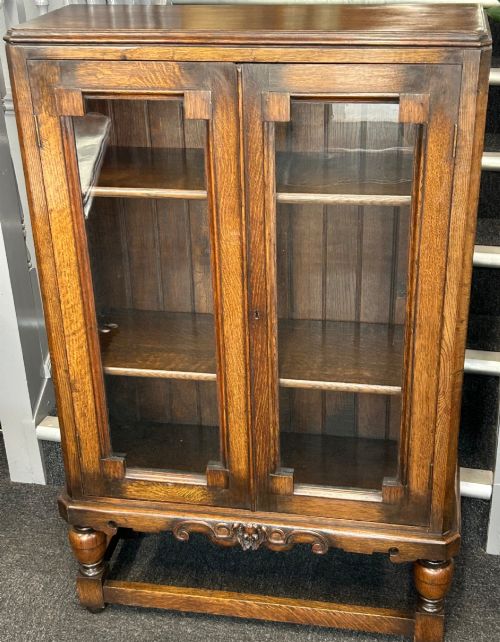
Edwardian Two Door Cabinet
An edwardian two door cabinet brings restrained proportion and fine timber into a room, offering practical storage disguised in period elegance.
Edwardian Two Door Cabinet
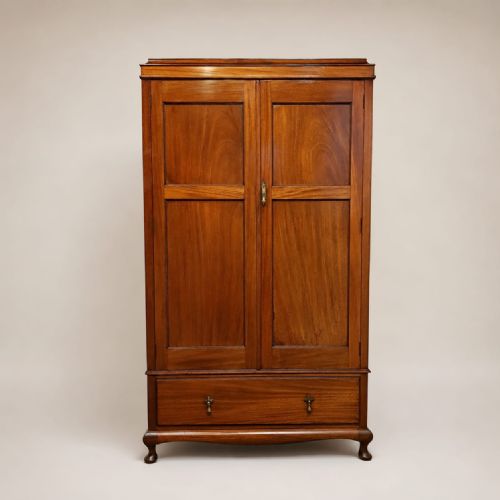
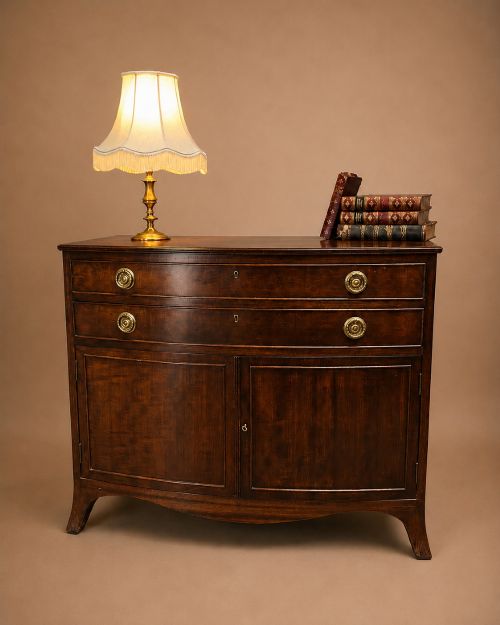
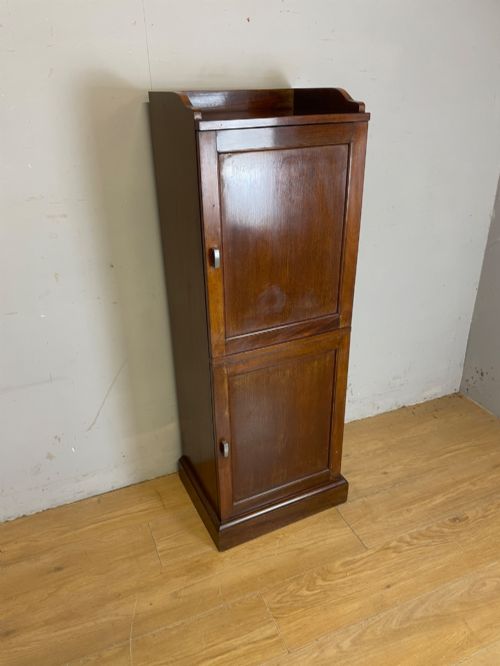
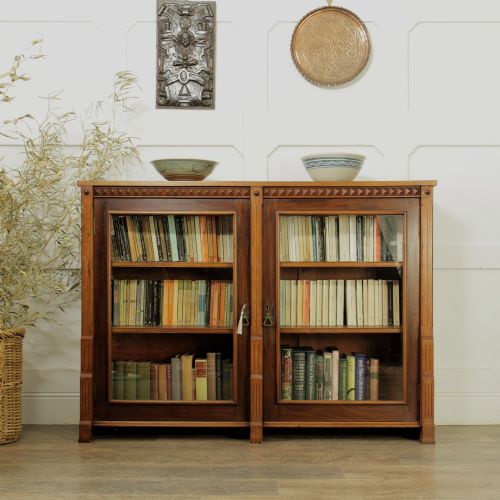
An edwardian two door cabinet gathers pieces made around the turn of the twentieth century alongside related examples from adjacent decades. These items span display furniture, side storage, and compact cupboards designed for domestic use.
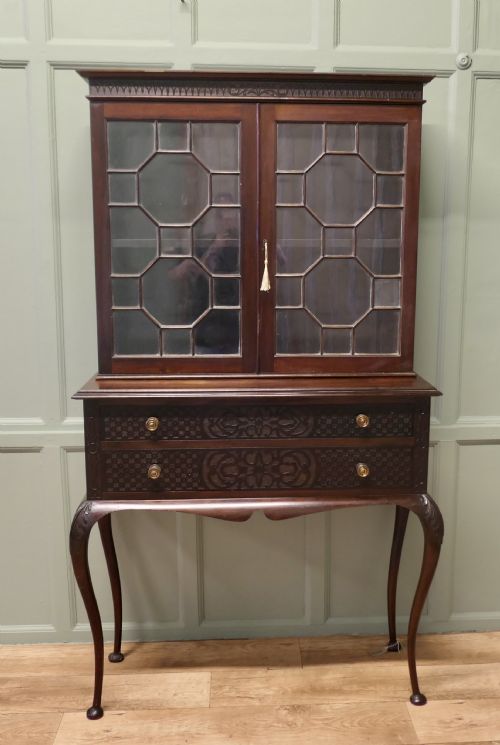
The pieces appearing most frequently take the form of display cabinets with glazed doors, sideboards, and wardrobes constructed in mahogany or oak. Makers often drew upon earlier design revivals, applying Sheraton, Chippendale, or Queen Anne motifs to the traditional double-door carcass.
Originating primarily from the Edwardian era and the early decades of the twentieth century, these cabinets reflect a period of domestic transition towards lighter, more versatile interior storage. Surviving examples demonstrate how urban and provincial workshops adapted classical proportions for smaller Edwardian rooms.
Materials and Construction
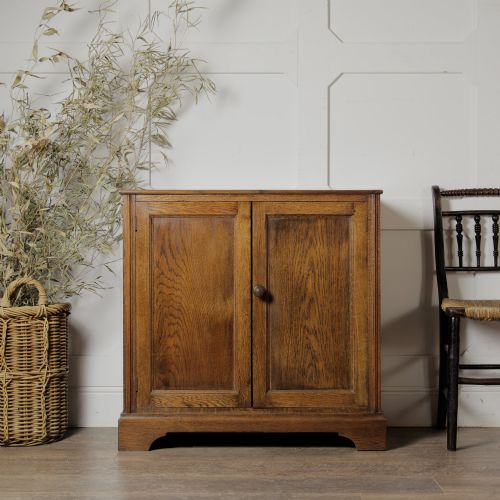
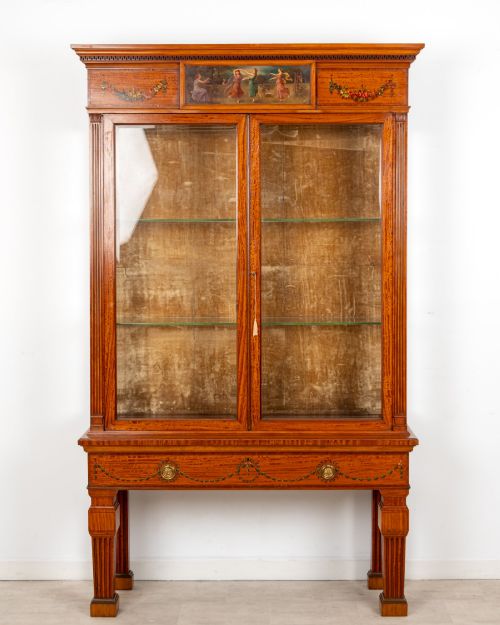
Carpenters relied principally on mahogany, oak, and walnut, often selecting figured veneers such as flame mahogany or satinwood for external visibility. Solid timbers provided structural integrity for the carcass and legs, whilst secondary woods formed internal shelving and back panels.
Glazing bars divided glass panels into geometric patterns, and brass hardware secured the double doors. Inlaid stringing in contrasting woods defined borders and panels, demonstrating the detailed joinery typical of the period.
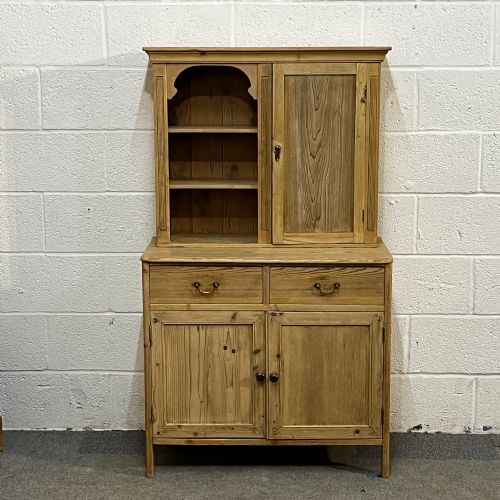
Several items include children's wardrobes scaled down for Edwardian nurseries.
Execution and Selection
Quality rests upon the selection of timber figure, the precision of inlaid stringing, and the integrity of the joinery joining the double doors to the carcass. Cabinets utilising matched flame mahogany or carefully figured oak distinguish themselves from plainer utilitarian storage.
The refinement of carved ornament, the weight of the brass fittings, and the transparency of the original glass panel panes separate standard workshop production from exceptional cabinet work.
Hampton & Sons·Peter Waals·Maple & Co.
The Edwardian Two Door Cabinet Glossary
- Astragal glazed
- A method of dividing glass door panels into smaller panes using slender wooden mouldings called astragals. This technique is frequently seen on Edwardian display cabinets and bookcases.
- Crossbanding
- A border veneer applied around the perimeter of a door or drawer front where the grain runs perpendicular to the central panel. It frames the primary timber with a contrasting decorative edge.
- Compactum
- A fitted wardrobe or storage cabinet combining hanging space, drawers, and shelving within a single double-door unit. These items maximised interior storage for Edwardian bedrooms.
- Japanned
- A European imitation of East Asian lacquerwork, created by applying layers of varnish and metallic dust to a dark ground. It appears on specialised side cabinets from the early twentieth century.
- Bowfront
- A convex, curved cabinet front that projects outward in a smooth arc. This shape softens the corners of storage furniture in Edwardian interiors.
Edwardian Two Door Cabinet: Frequently Asked Questions
How are these cabinets cleaned safely?
Dust surfaces regularly with a soft, dry cloth to prevent accumulation in carved details and around glass framing. Avoid modern aerosol polishes that leave silicone buildup upon older timber finishes.
Nourish dry mahogany or oak periodically with a traditional beeswax application. Buff gently along the grain to maintain the natural sheen of the original polish without stripping the patina.
Where do these cabinets fit best?
Display cabinets with glass doors suit living rooms and dining spaces for housing china or books. Lower side cabinets function effectively in hallways or bedrooms as surface display areas.
Ensure placement avoids direct sunlight to protect vulnerable satinwood or mahogany veneers from fading. Stable indoor humidity prevents timber movement across the double doors.
Can shelves be adjusted inside?
Many period cabinets feature fixed wooden shelving integral to the original internal construction. Altering these supports requires careful carpentry work that risks compromising the vintage carcass.
Later adaptations sometimes include adjustable metal rack systems inserted by subsequent owners. Inspect the interior supports closely to determine whether the shelving configuration remains entirely original.
How do I spot a reproduction?
Examine the interior secondary timbers, drawer linings, and back panels for age-appropriate tool marks and timber shrinkage. Modern substitutes often use synthetic materials or uniform plywood not found in Edwardian workshops.
Check the fixing screws, hinges, and lock mechanisms for period accuracy. Hand-cut dovetails and genuine brass hardware indicate authentic construction from the early twentieth century.