





Edwardian Tufted Armchair
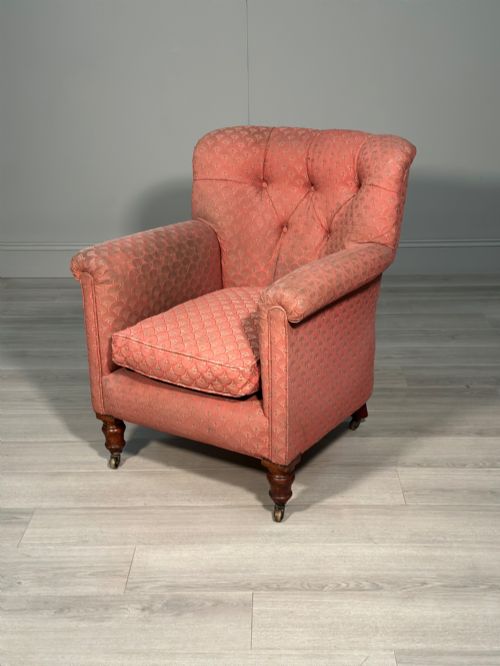
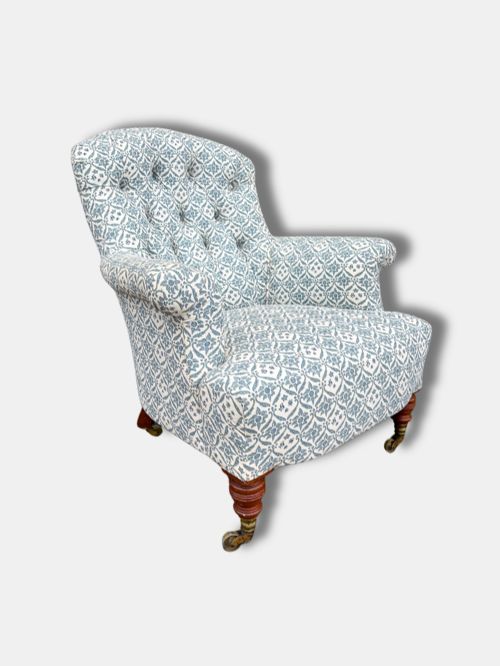
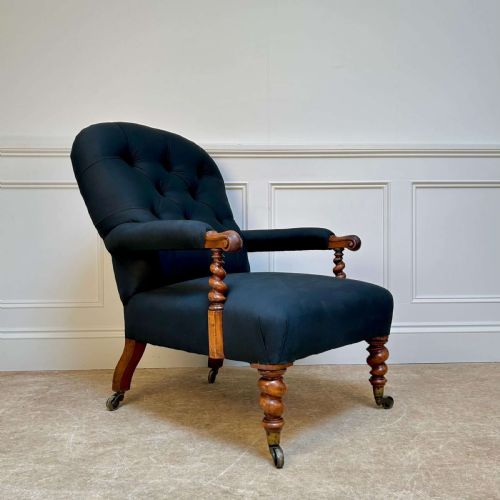
An edwardian tufted armchair offers deep buttoned comfort and sturdy timber framing, making it a staple for any traditional library or drawing room.
Edwardian Tufted Armchair
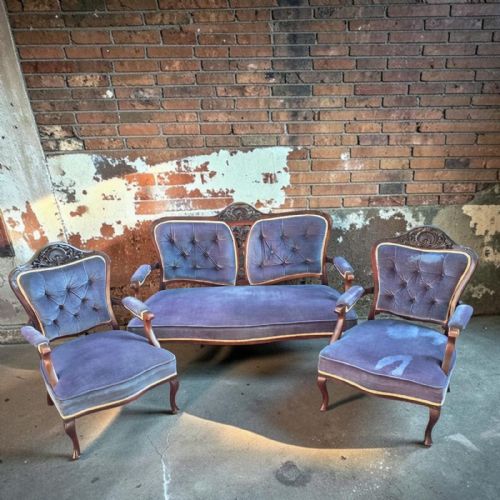
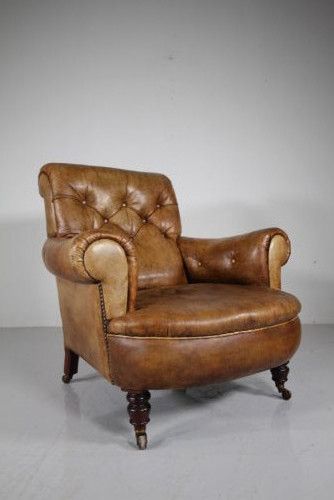
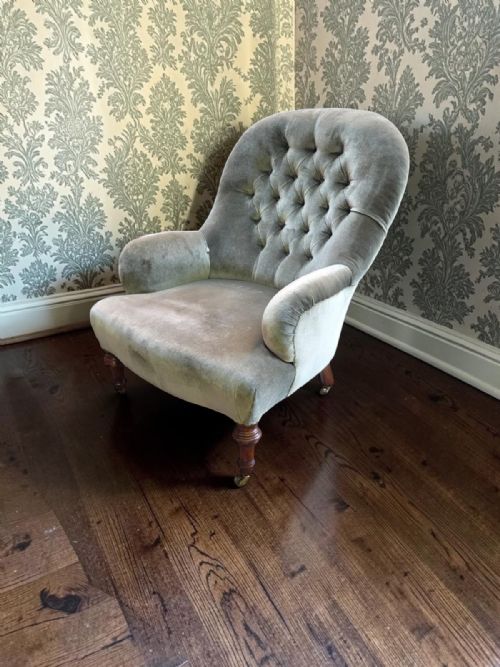
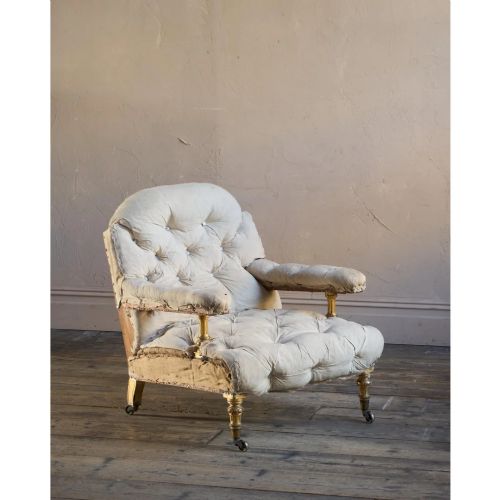
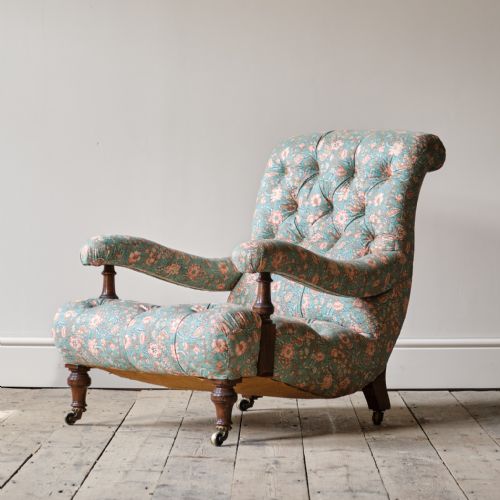
An edwardian tufted armchair brings together the heavy upholstery traditions of the nineteenth century and the lighter domestic scales of the early twentieth century. Buyers searching this phrase meet pieces built for drawing rooms, libraries, and firesides, often featuring prominent buttoning across the backrest.
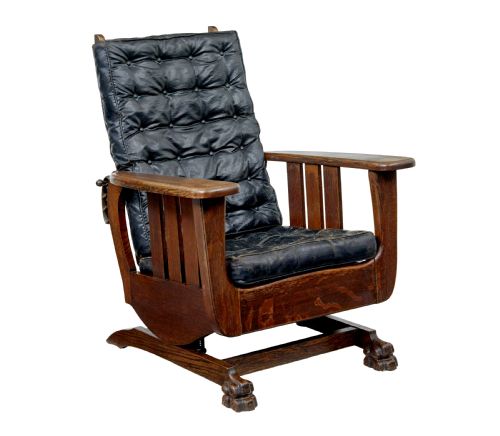
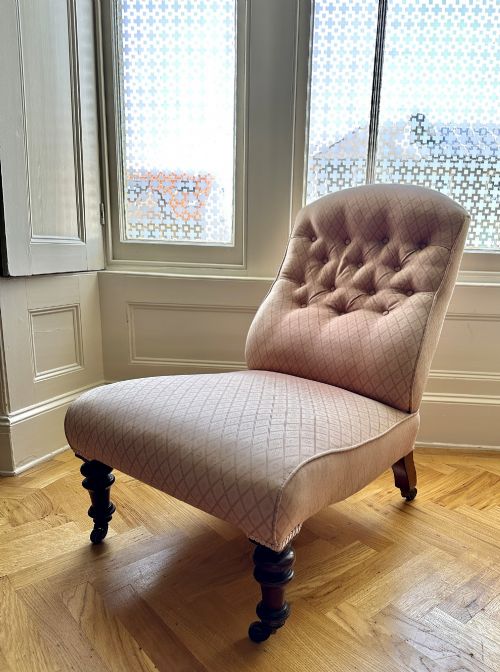
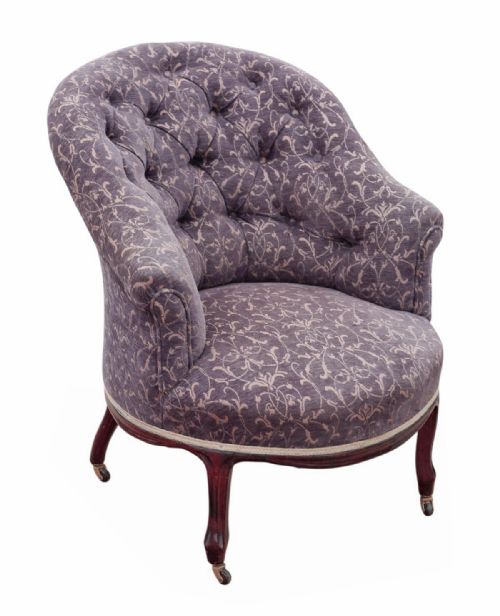
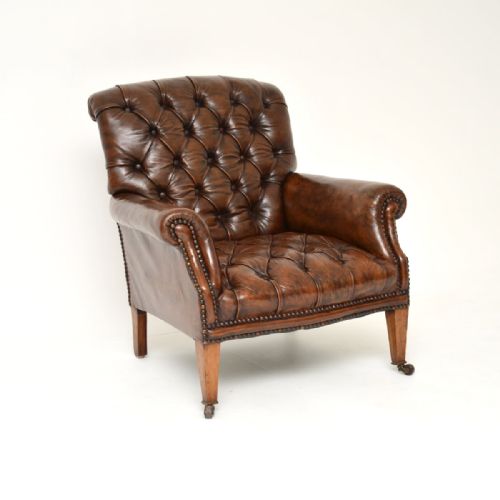
The selection on this page draws heavily from the Edwardian era and the broader nineteenth century, alongside Victorian precursors. Common formats range from compact occasional chairs and slipper chairs to large leather library armchairs and barrel back designs.
Materials and Construction
Makers built the foundational frames of these chairs using hardwoods such as mahogany, walnut, oak, and rosewood. These timbers provided the structural integrity needed for deep seating and substantial upholstery.
Surface finishing relied on traditional upholstery methods, combining buttoned fabric, leather, or velvet over sprung interiors. Brass hardware and castors frequently appeared on the feet to aid movement across heavy carpets.
Edwardian Tufted Armchair Retail Price Guide 2026
Typical asking prices for edwardian tufted armchair among the pieces listed under this phrase on Sellingantiques today, from the lower quarter to the upper quarter. They describe what is for sale here now, not the wider market.
Some library armchairs retain mysterious maker numbers stamped directly into the bare wood beneath the seat cushion.
Assessing Quality and Execution
The distinction between standard commercial seating and workshop-marked library chairs lies in the rigour of the timber frame and the depth of the sprung suspension. Better examples maintain rigid joints without wobble, even after decades of heavy use.
Upholstery finish also marks the tier of a piece, observable in the even tension of the buttoning and the choice of facing material, whether hide, velvet, or woven cloth.
Howard and Sons·Holland and Sons·Hindley and Sons·A W N Pugin
The Edwardian Tufted Armchair Glossary
- Tufted
- Upholstery secured with deep-set buttons pulled through the padding to form a geometric pattern of diamond shapes. This technique keeps the internal stuffing firmly anchored.
- Button Back
- A backrest style entirely punctuated by buttons arranged in rows or diamond tufts. It provides both structural support and firm cushioning.
- Barrel Back
- A seating form where the upholstered back curves continuously around to form enclosed arms. This shape offers a secure, enveloping sit.
- Slipper Chair
- A low-seated chair traditionally kept in bedrooms for dressing, often lacking arms to accommodate voluminous nineteenth-century garments.
- Library Chair
- A sturdy, capacious armchair designed for prolonged reading, frequently upholstered in leather and supported on robust timber legs.
Edwardian Tufted Armchair: Frequently Asked Questions
How do I spot an Edwardian armchair?
Edwardian armchairs typically exhibit lighter proportions and cleaner lines than their heavy Victorian predecessors. They often rely on mahogany or walnut frames with subtle carving rather than excessive ornamentation.
Look for narrower armrests and a more relaxed pitch to the backrest, which reflects changing domestic comforts around nineteen-ten.
Were these chairs originally leather or fabric?
Makers upholstered these armchairs in both leather and textiles depending on their intended room. Library and club chairs predominantly received durable leather hides, whilst drawing room and occasional chairs used velvet, wool, or printed fabrics.
Many surviving pieces retain their original materials, though re-upholstery in period-appropriate cloth is common.
Can I use an antique armchair daily?
These pieces were built for everyday domestic utility using seasoned hardwoods and robust frame construction. Providing the internal webbing and springs remain sound, they handle regular seating comfortably.
Checking the stability of the joints ensures the chair can withstand daily use without risking the historical timber.