

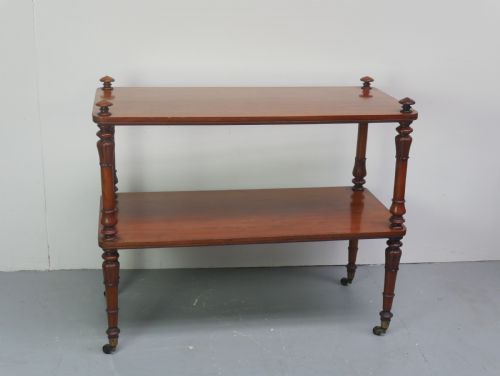
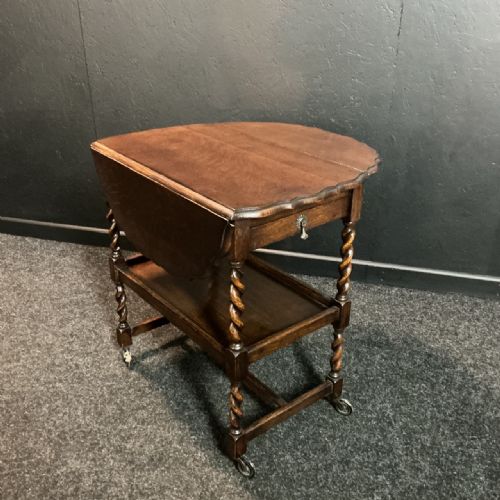
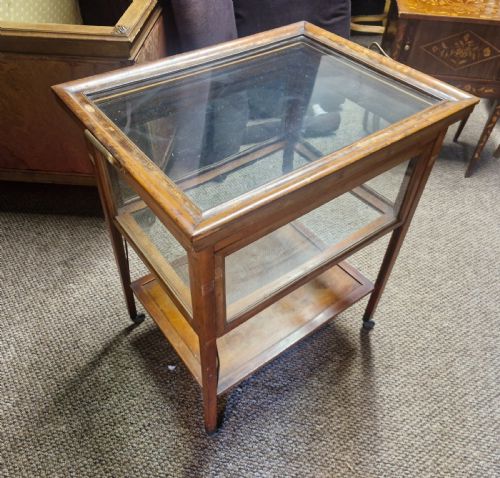


Edwardian Trolley Cart
An edwardian trolley cart brings effortless hospitality to any room, offering versatile tiers and drop sides for serving tea or drinks with period charm.
Edwardian Trolley Cart
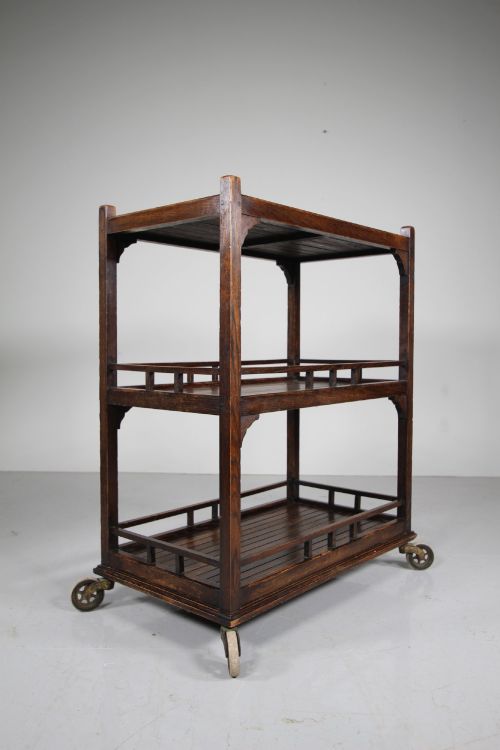
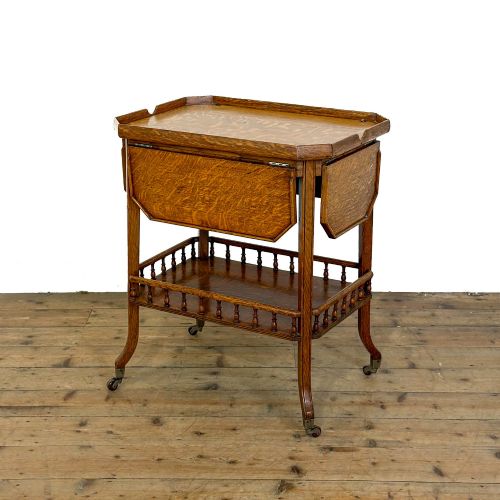
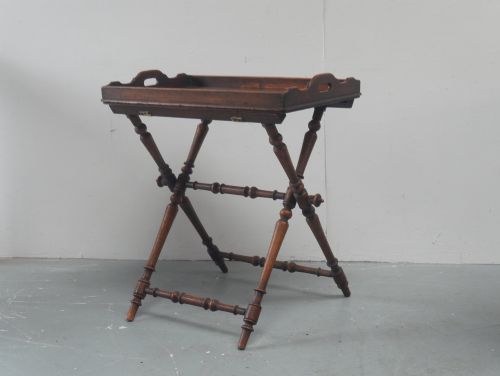
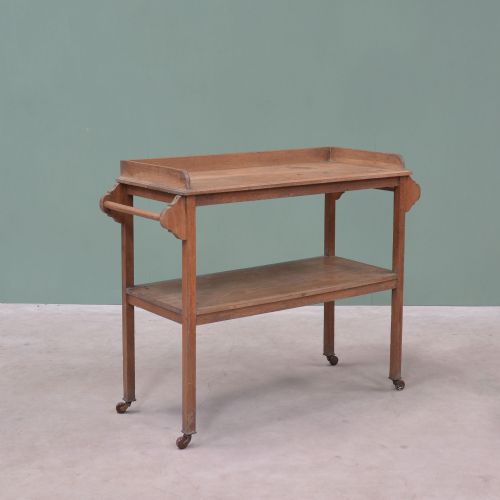
When searching for an edwardian trolley cart, a buyer encounters practical mobile furniture designed for serving afternoon tea, cakes, and drinks. The examples seen here span tea trolleys, serving trolleys, drinks cabinets, and drinks tables, mostly originating from the Edwardian period and the broader early twentieth century alongside occasional Victorian and Georgian pieces.
The version most commonly met on this page is the two tier trolley in oak or mahogany, frequently equipped with drop sides, a folding top, or a removable tray. Many pieces incorporate useful dual functions, such as serving as a tea trolley and a card table with baize lining, uniting domestic utility with period craftsmanship.
How they were made
These pieces are constructed primarily from solid timbers like oak and mahogany, complemented by decorative details such as boxwood inlay. Metal components, brass fittings, and glass elements appear across various models, while iron and specialised turnings like barley twist legs enhance both stability and visual interest.
Joinery methods reflect traditional cabinet making appropriate for mobile furniture requiring sturdy tiers and drop leaf mechanisms. Surfaces are finished to highlight the natural grain of the mahogany and oak, while removable trays and folding tops demonstrate thoughtful functional engineering.
Edwardian Trolley Cart Retail Price Guide 2026
Typical asking prices for edwardian trolley cart among the pieces listed under this phrase on Sellingantiques today, from the lower quarter to the upper quarter. They describe what is for sale here now, not the wider market.
Listings for this phrase feature materials including brass, mahogany, oak, metal, glass, iron, and boxwood inlay.
What varies in quality
Quality separates along the refinement of materials and the sophistication of secondary functions. Finer pieces display carefully selected timber grains, crisp boxwood inlay, and smoothly operating drop leaf mechanisms rather than plain utilitarian construction.
The Edwardian Trolley Cart Glossary
- Drop sides
- Hinged flaps on the surface of a table or trolley that can be raised to extend the top or lowered when space is restricted.
- Barley twist
- A decorative turning on furniture legs or supports resembling a spiral rope, popular in revival styles.
- Baize
- A coarse woolen fabric, often green, used to line the playing surface of card tables.
- Two tier
- A furniture design featuring two distinct horizontal shelves or levels for storage and display.
Edwardian Trolley Cart: Frequently Asked Questions
What is an edwardian trolley cart used for?
These mobile pieces were originally designed for serving afternoon tea, cakes, and refreshments within the home. Their tiers and drop sides allowed servants or hosts to transport multiple items easily between rooms.
Today, they function excellently as portable home bars, serving stations, or side tables in living spaces and dining rooms.
How do I identify an Edwardian tea trolley?
Edwardian tea trolleys typically date from the early twentieth century and frequently feature light timbers such as mahogany or oak. Look for period characteristics like boxwood inlay, two tier construction, and functional drop sides.
Many examples include wheels or castors designed for smooth movement across carpets and wooden floors during afternoon tea service.
Are these trolleys sturdy enough for daily use?
Constructed from solid hardwoods like oak and mahogany, these trolleys were built to carry heavy china tea sets and decanters. Their sturdy frames and reliable joints make them well suited for contemporary domestic life.
Routine care involves checking castor fixings and treating the wood surfaces gently to preserve the original polish and inlay.